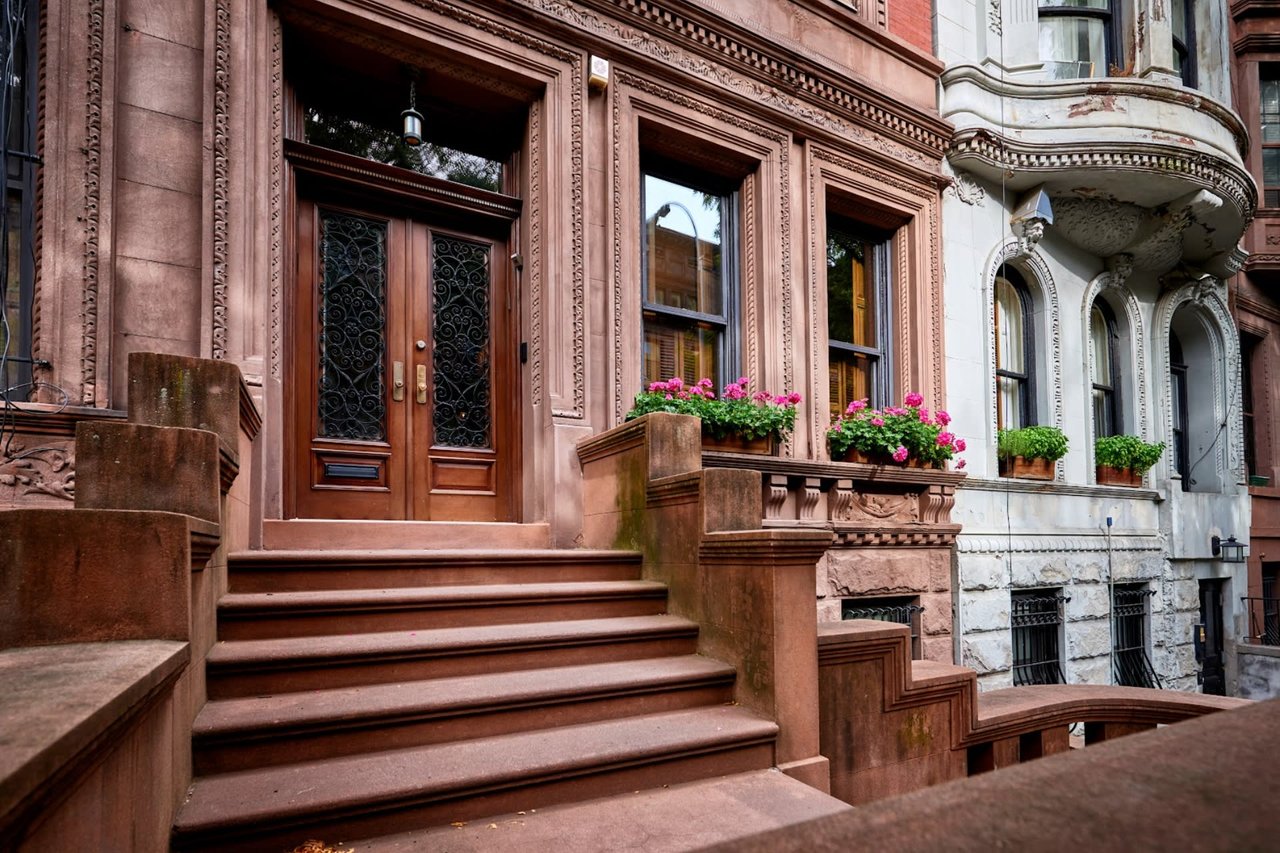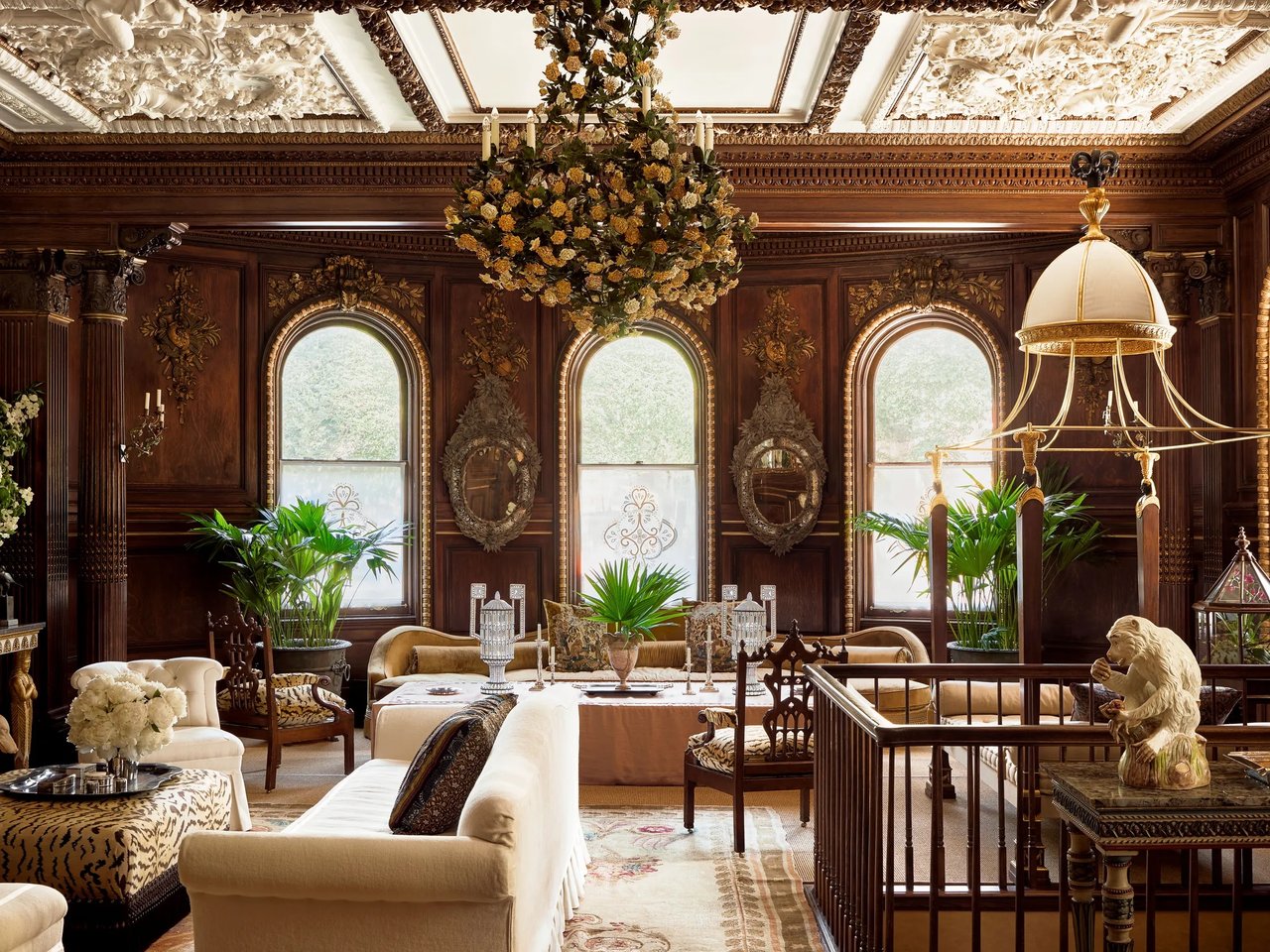
On one of New York City’s most celebrated stretches of Fifth Avenue, a remarkable residence offers a thoughtful interpretation of what it means to live with history. Originally built in 1886, the grand mansion carries the unmistakable character of the Gilded Age, from intricate architectural details and carved woodwork to marble, gilded accents, soaring windows, and beautifully preserved ornamentation.
Today, the home has been given a fresh identity by fashion designer Adam Lippes, who approached the restoration with a guiding principle: preserve the soul of the architecture while creating a space that feels genuinely livable.
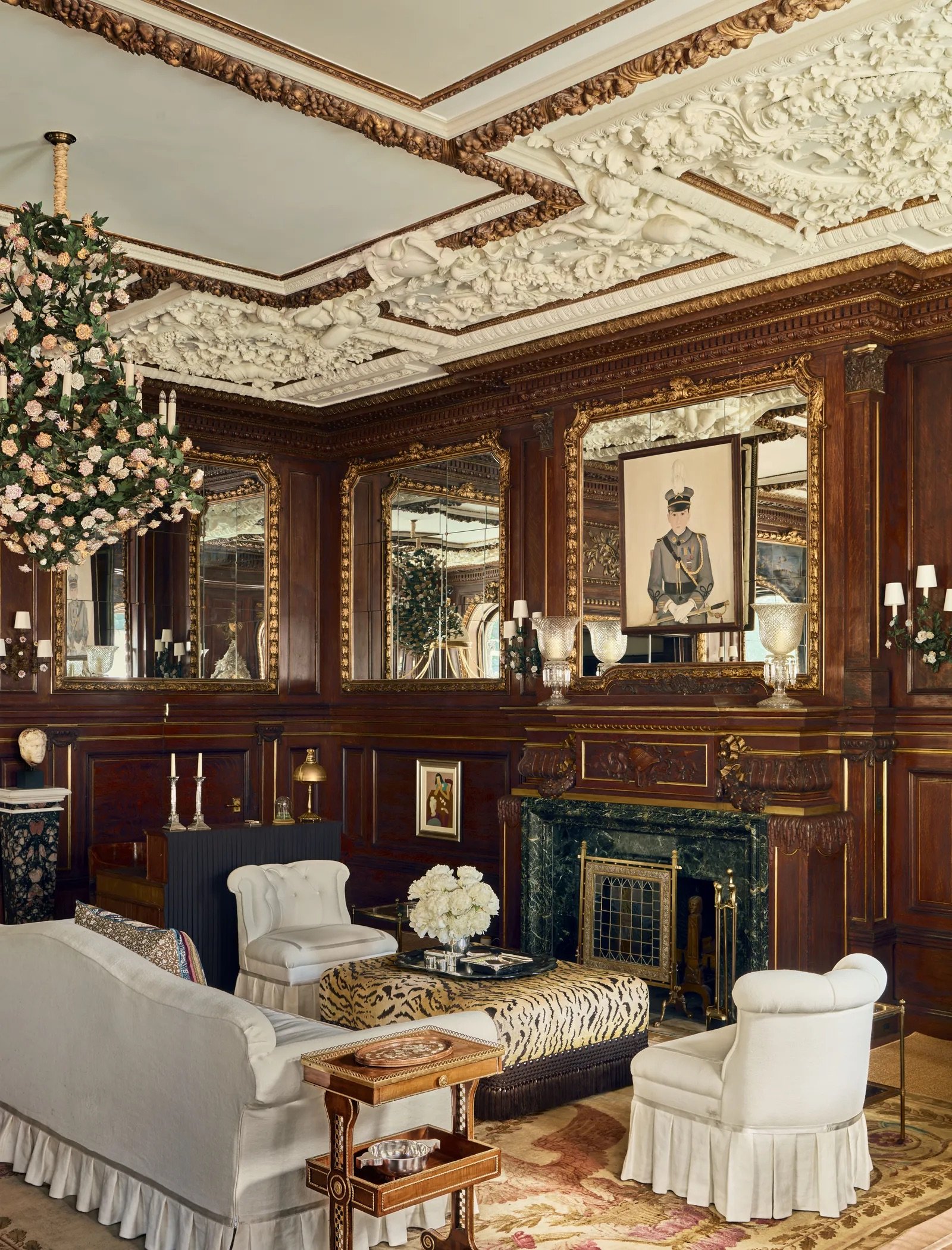
Rather than stripping away the elaborate details that define the property, Lippes allowed them to become the foundation of the design. The result is an interior that feels both impressive and intimate—a place where historic grandeur exists comfortably alongside modern furnishings and a more relaxed way of living.
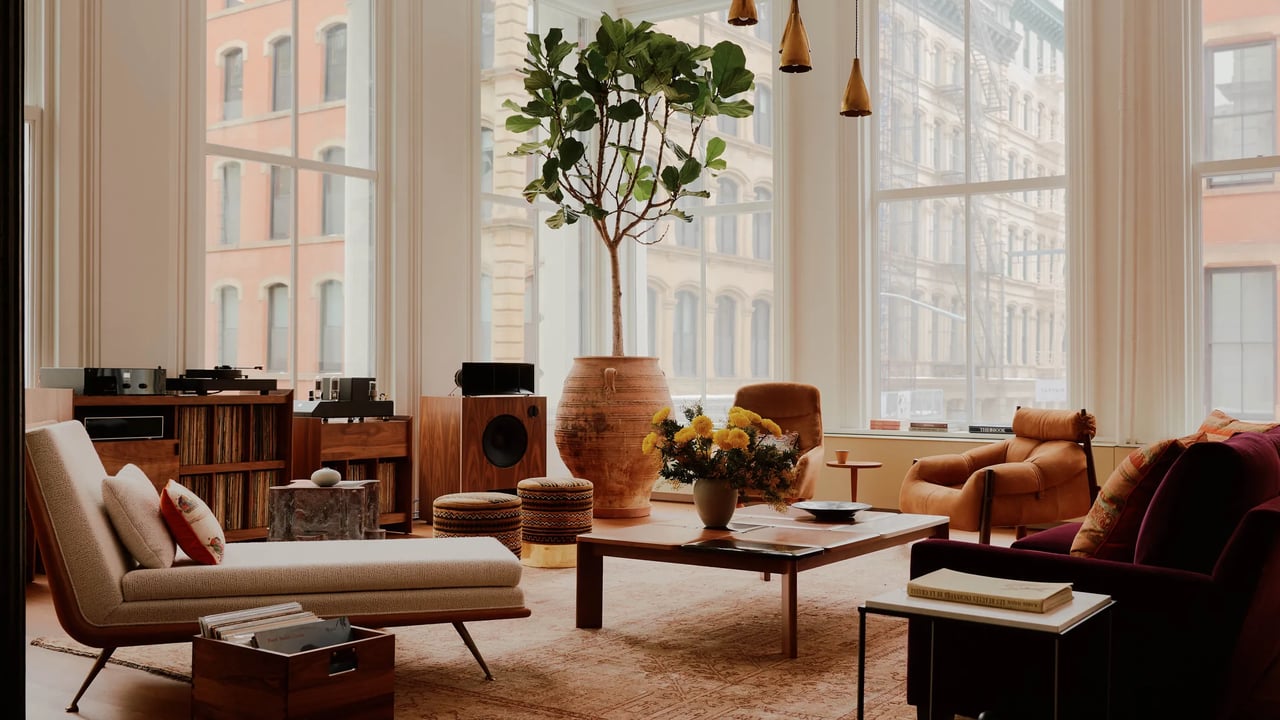
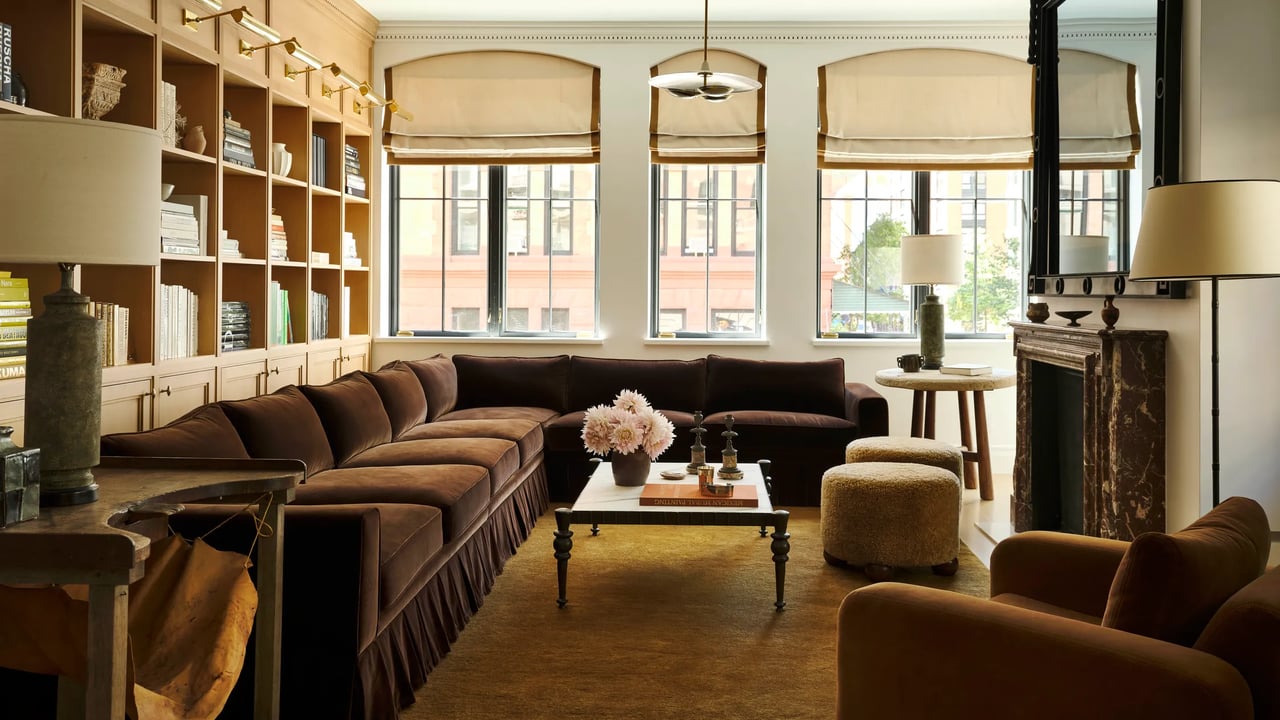
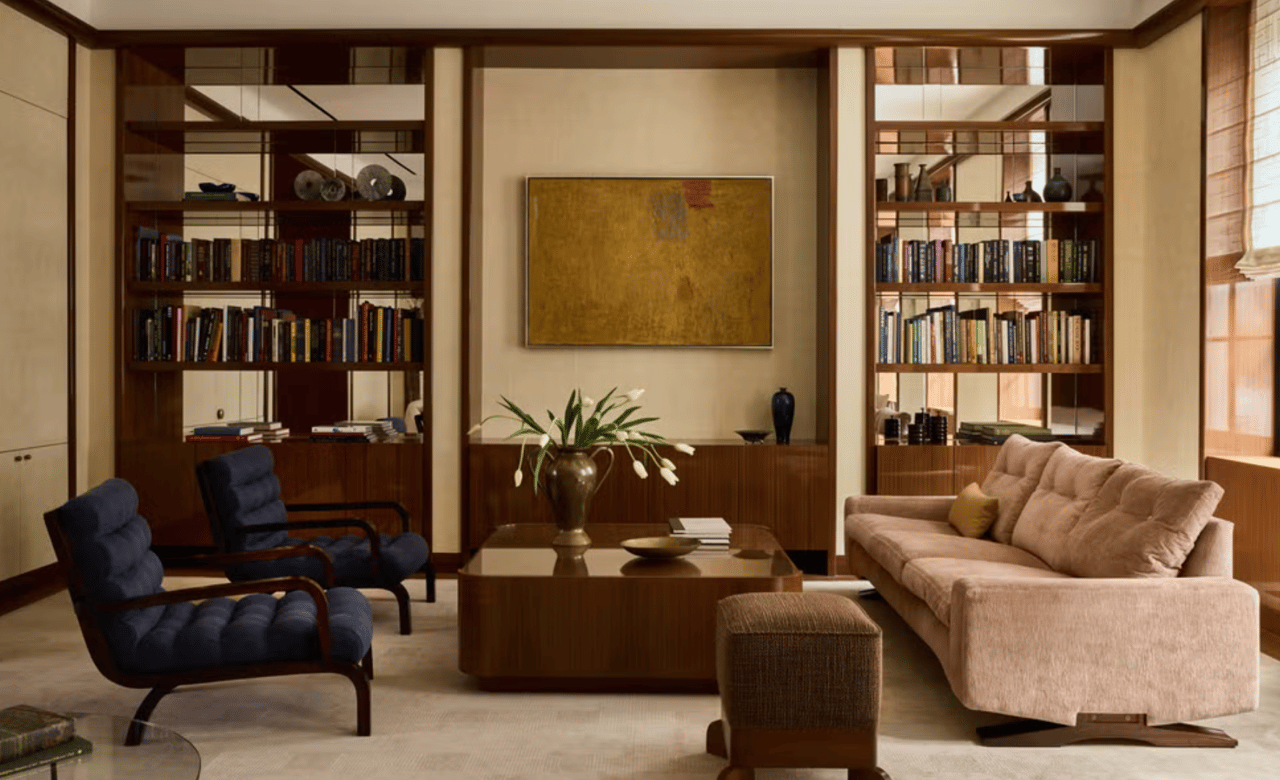
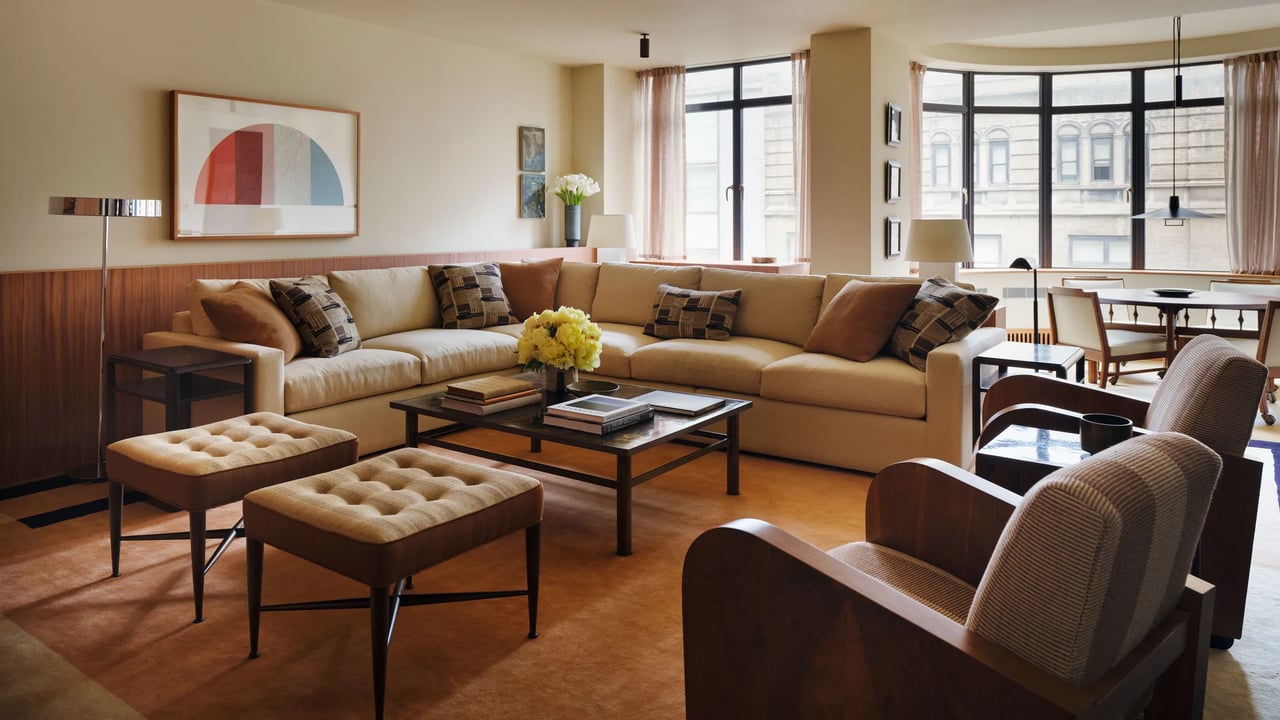
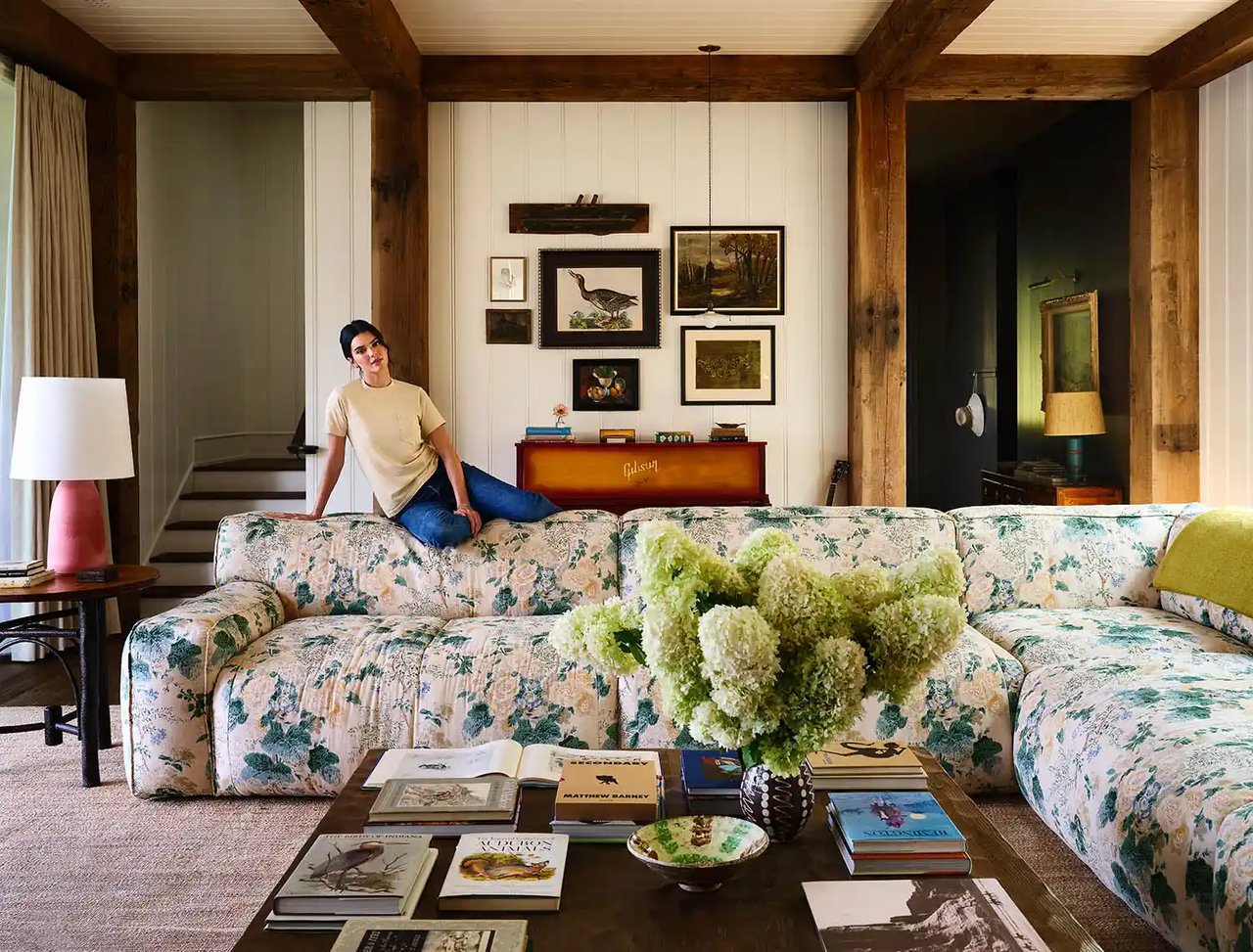
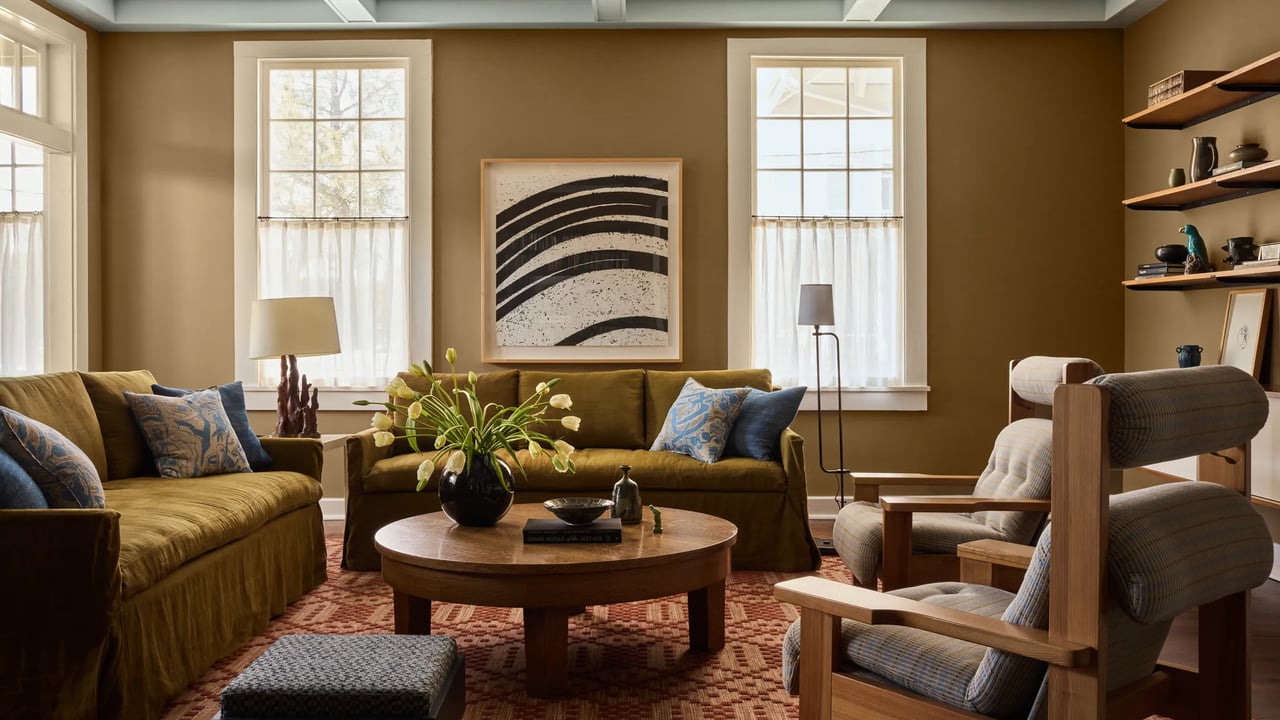
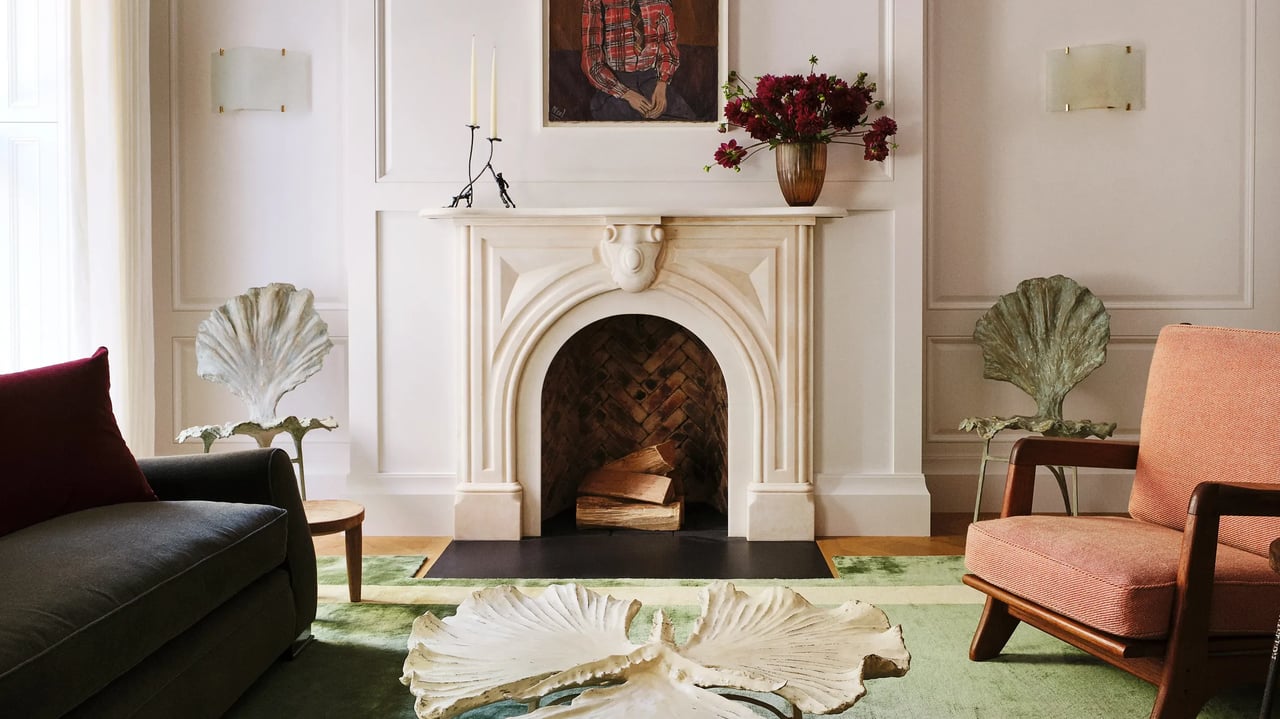
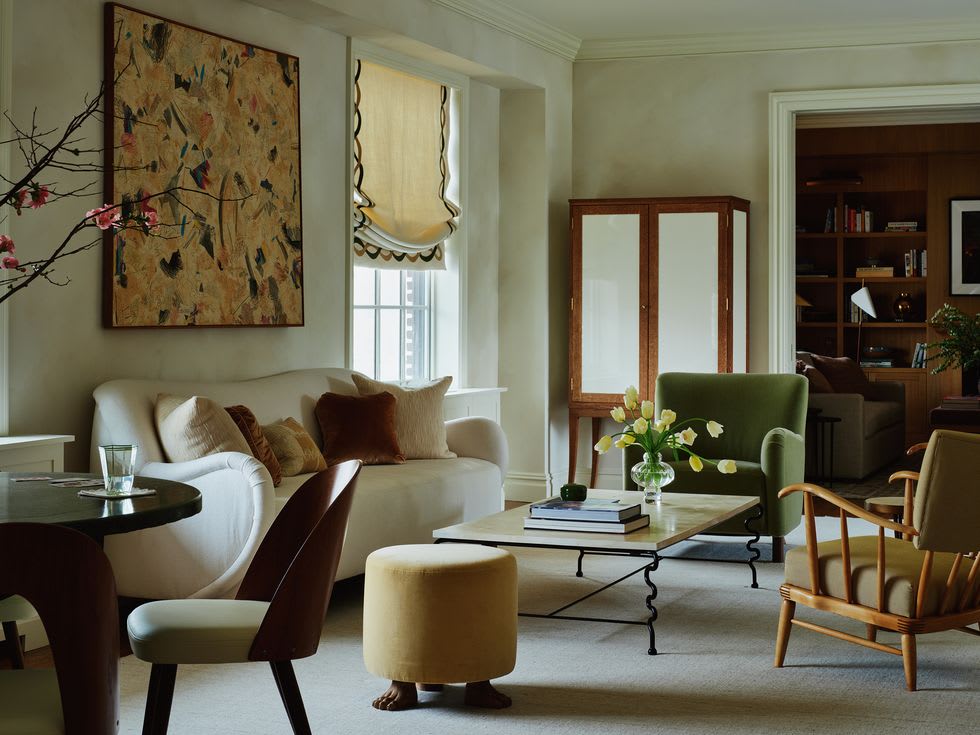
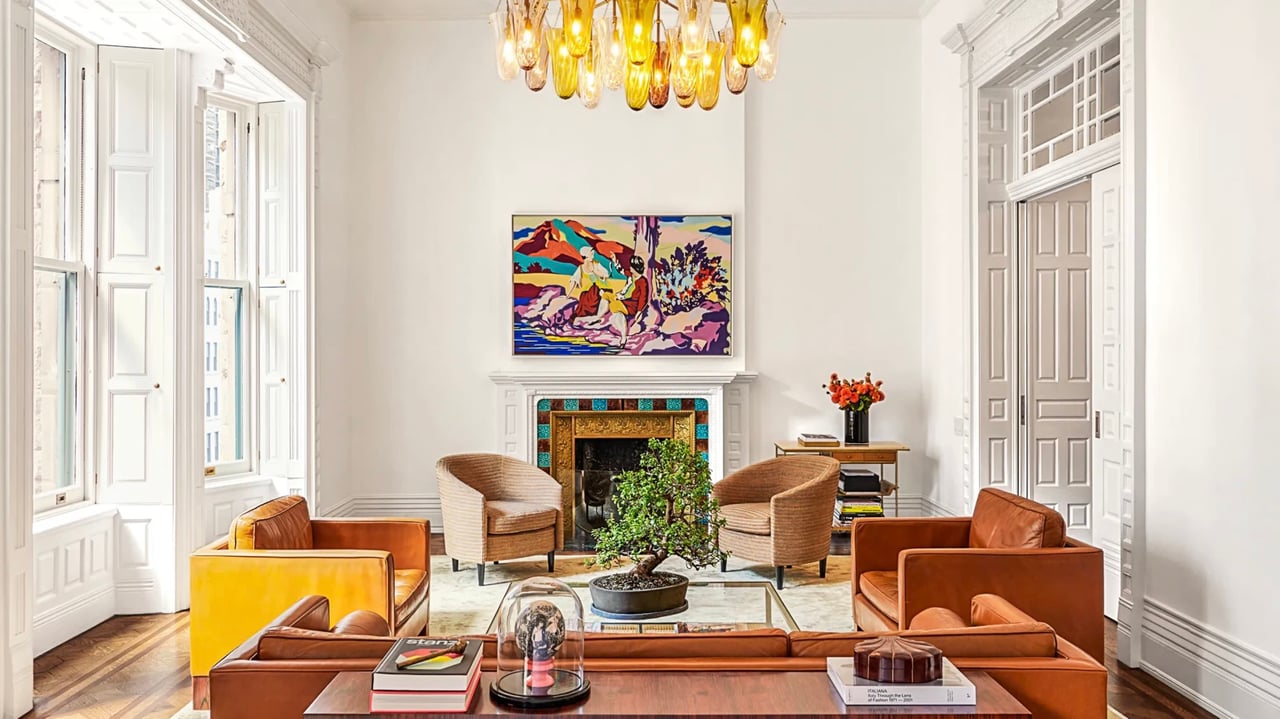
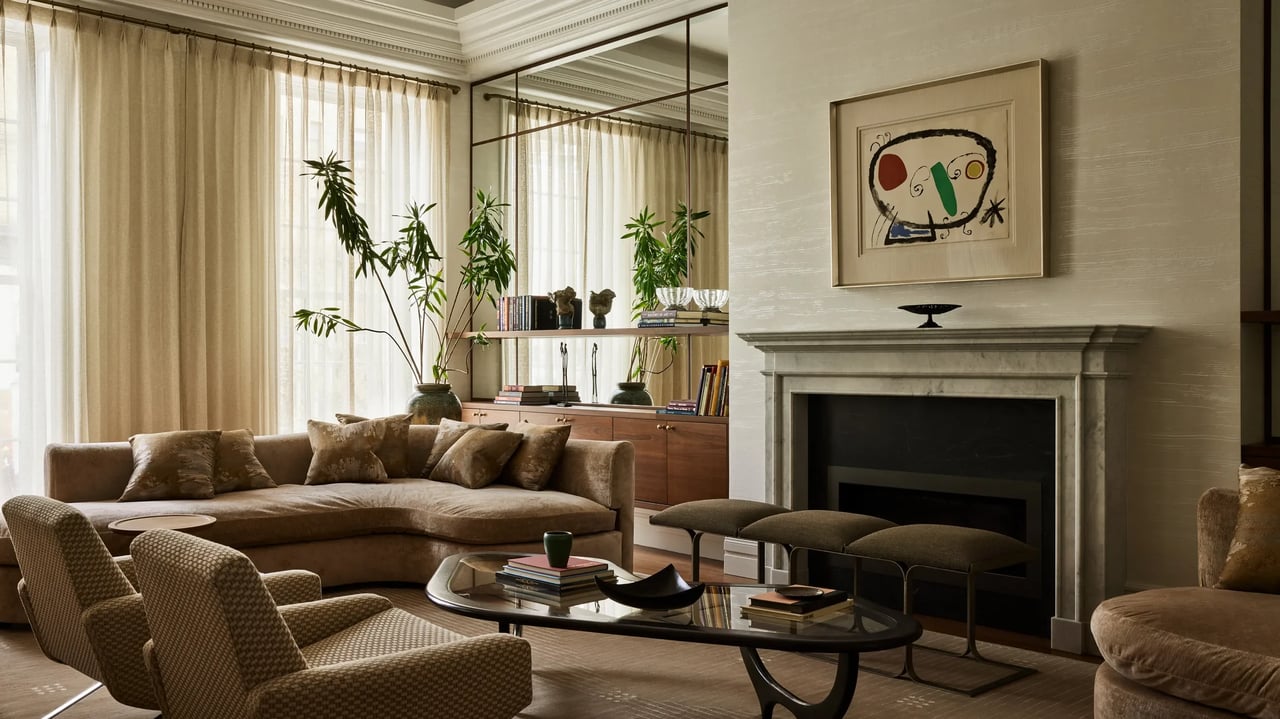
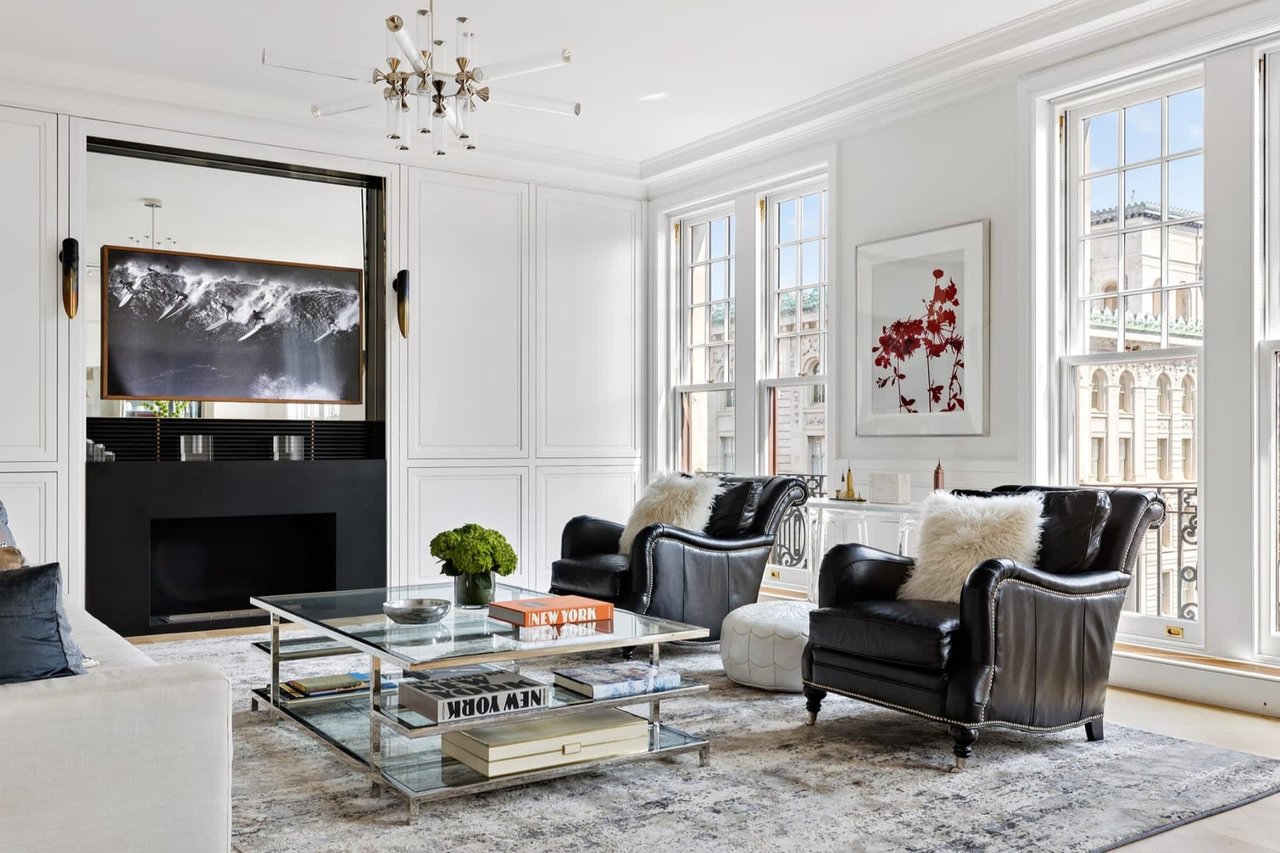
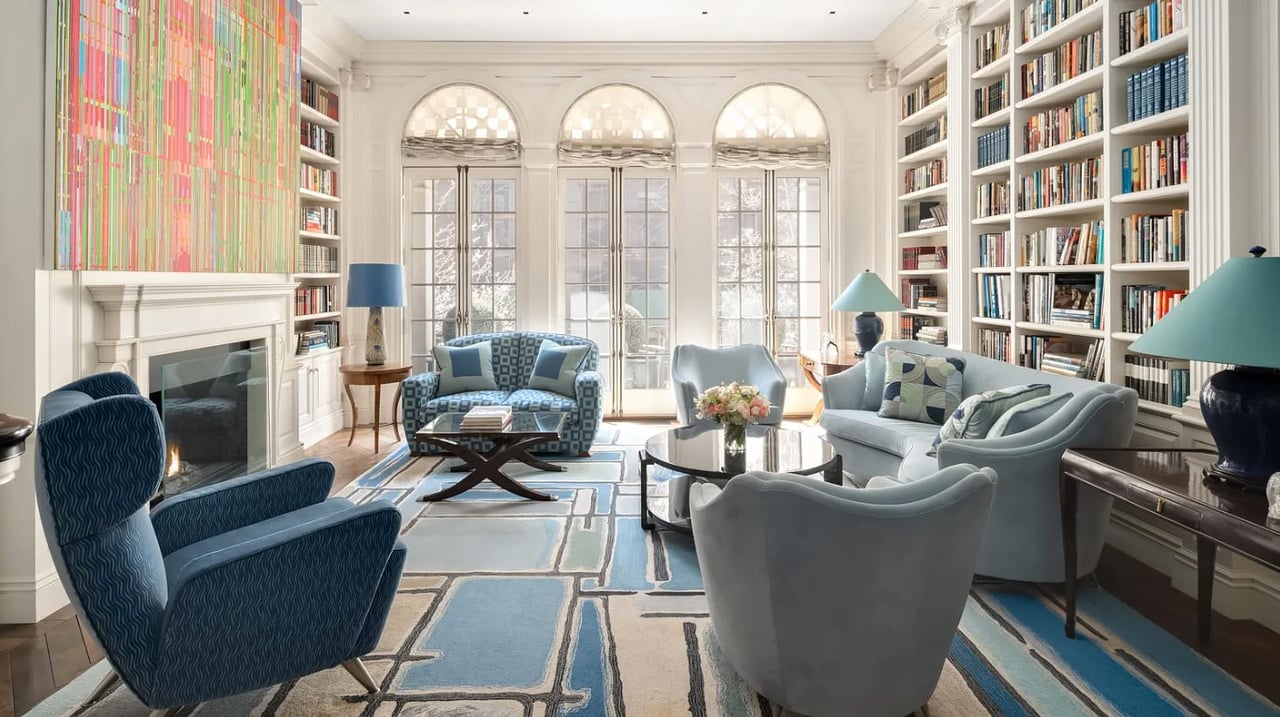
The home's principal living room immediately establishes this balance. Rich wood paneling, an ornate ceiling, a marble fireplace, and tall arched windows create an undeniably formal setting. Yet the furniture introduces a softer, more welcoming mood. Linen-covered seating, an oversized ottoman, and a generously proportioned sofa bring warmth and ease to a room that could otherwise feel imposing.
The contrast is intentional. Instead of competing with the architecture, the furnishings soften it, allowing the craftsmanship of the original home to remain visible while making the room suitable for everyday life.
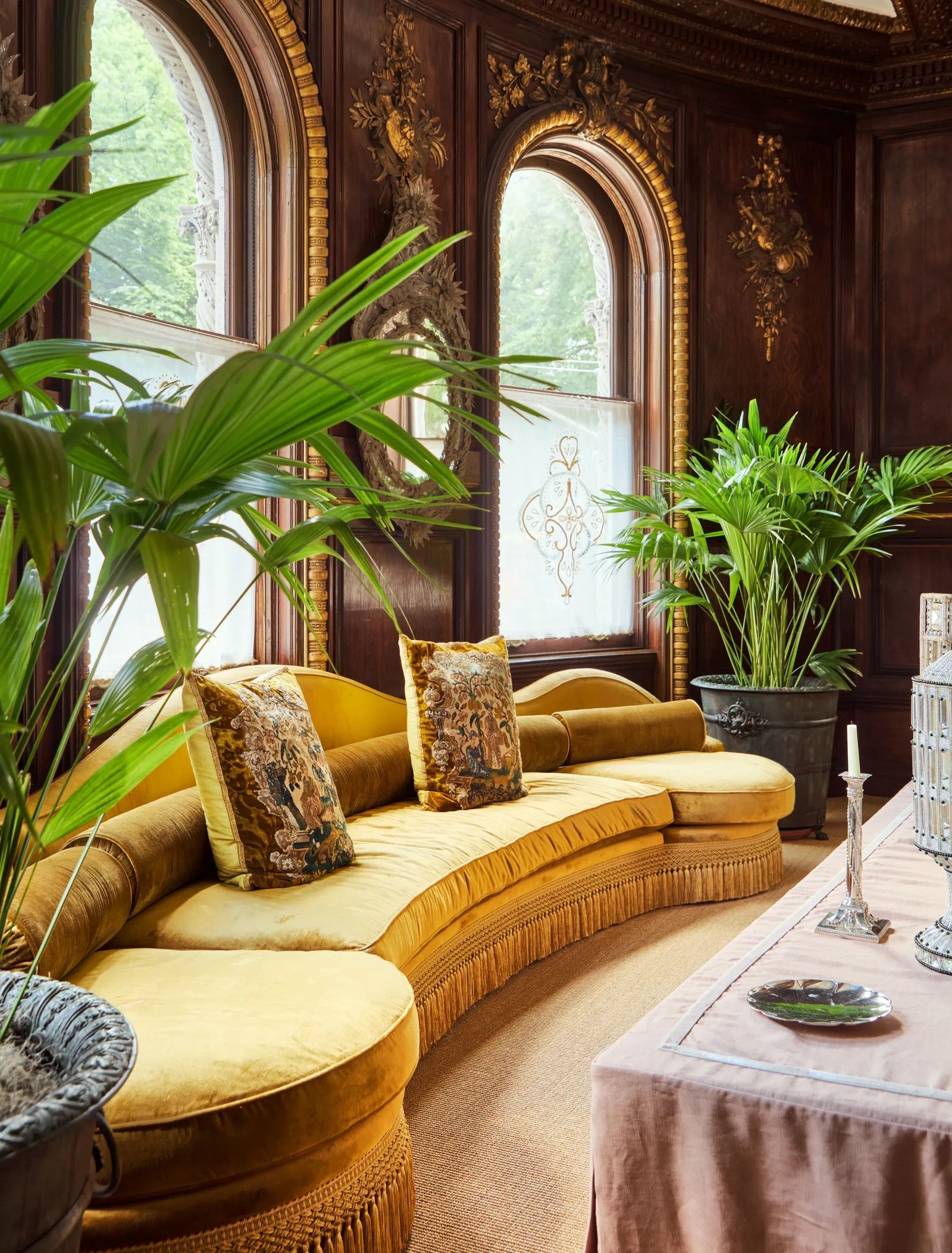
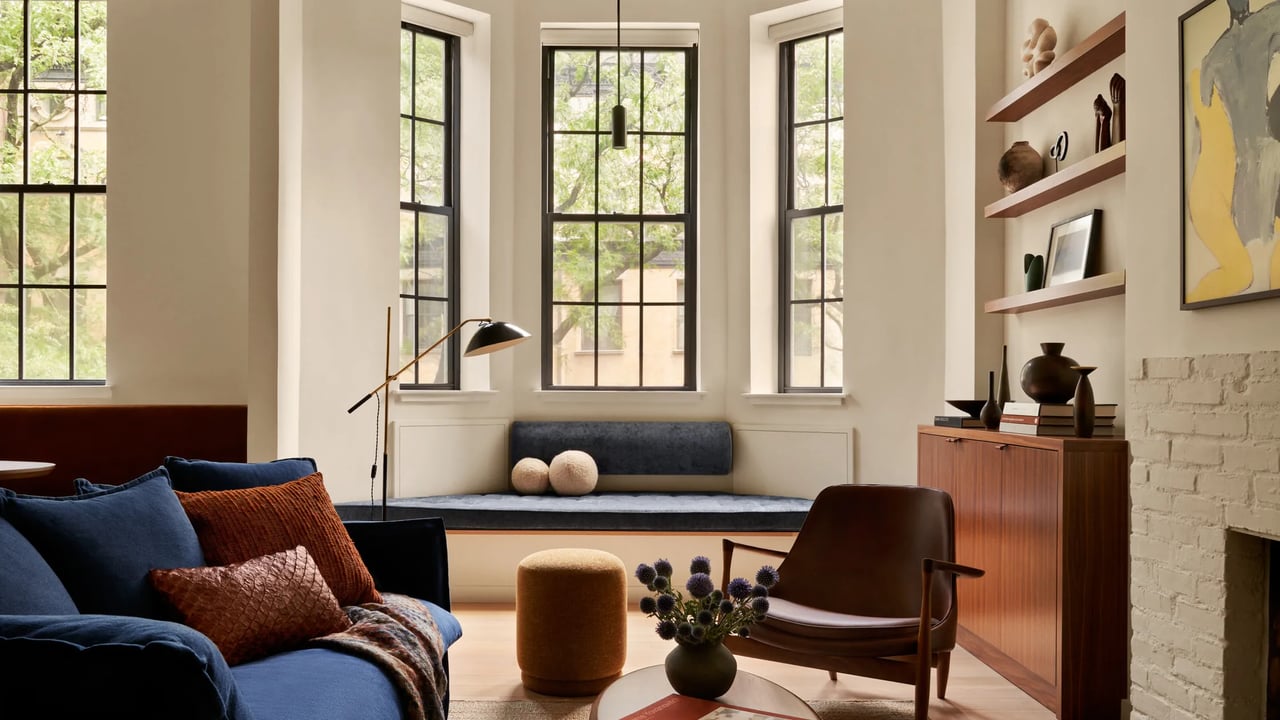
Natural light also plays an important role. Tall windows illuminate the richly detailed interiors, while mirrors incorporated into the surrounding woodwork help reflect and distribute that light throughout the space. Delicate sheer curtains further soften the atmosphere, adding movement and a subtle sense of privacy.
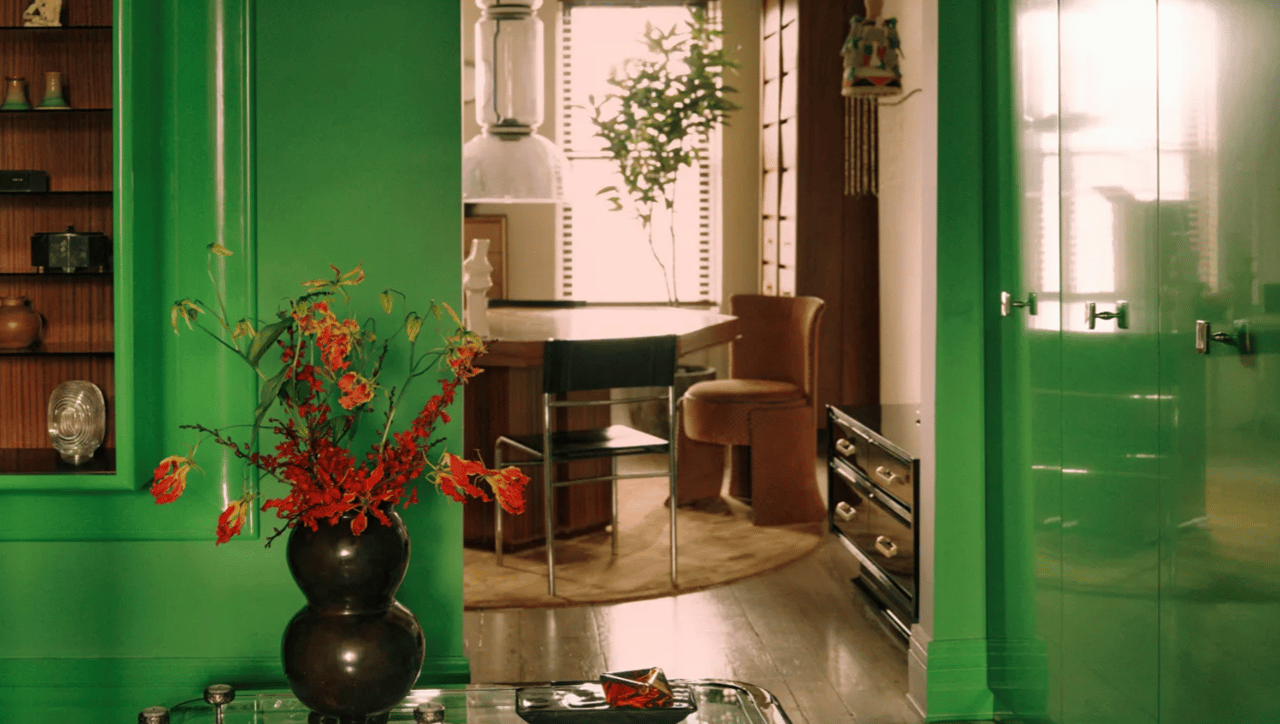
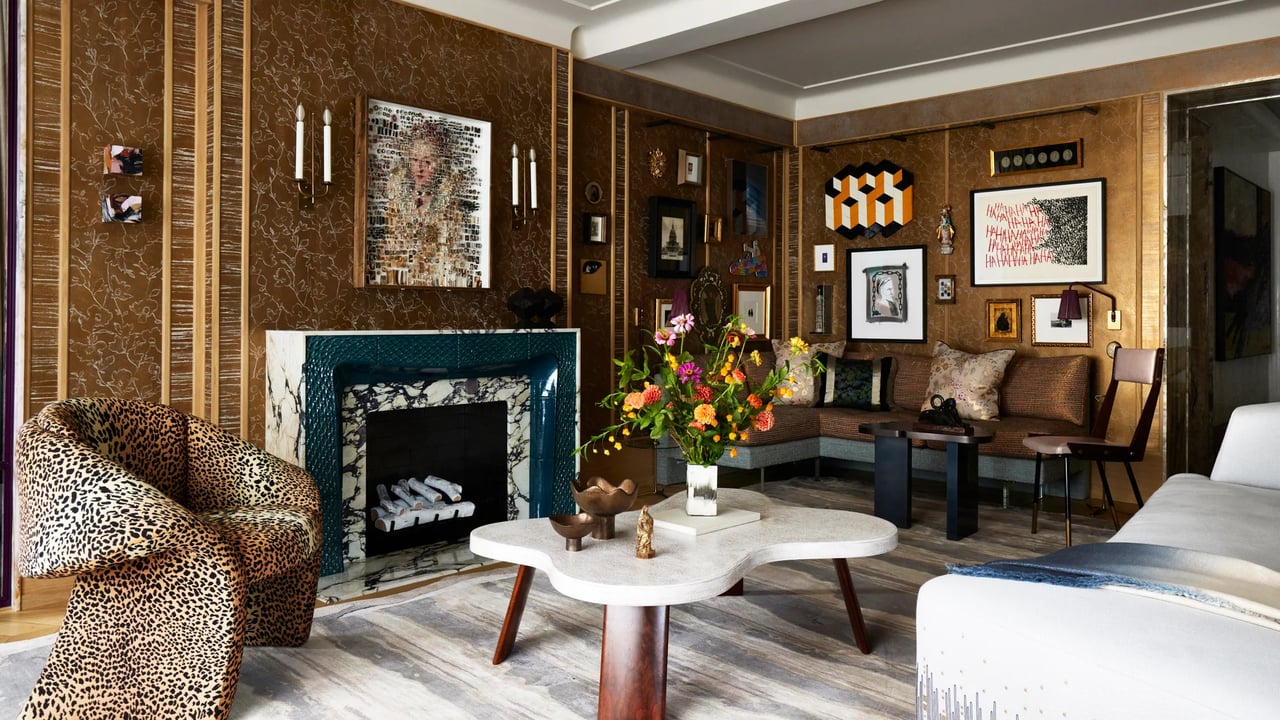
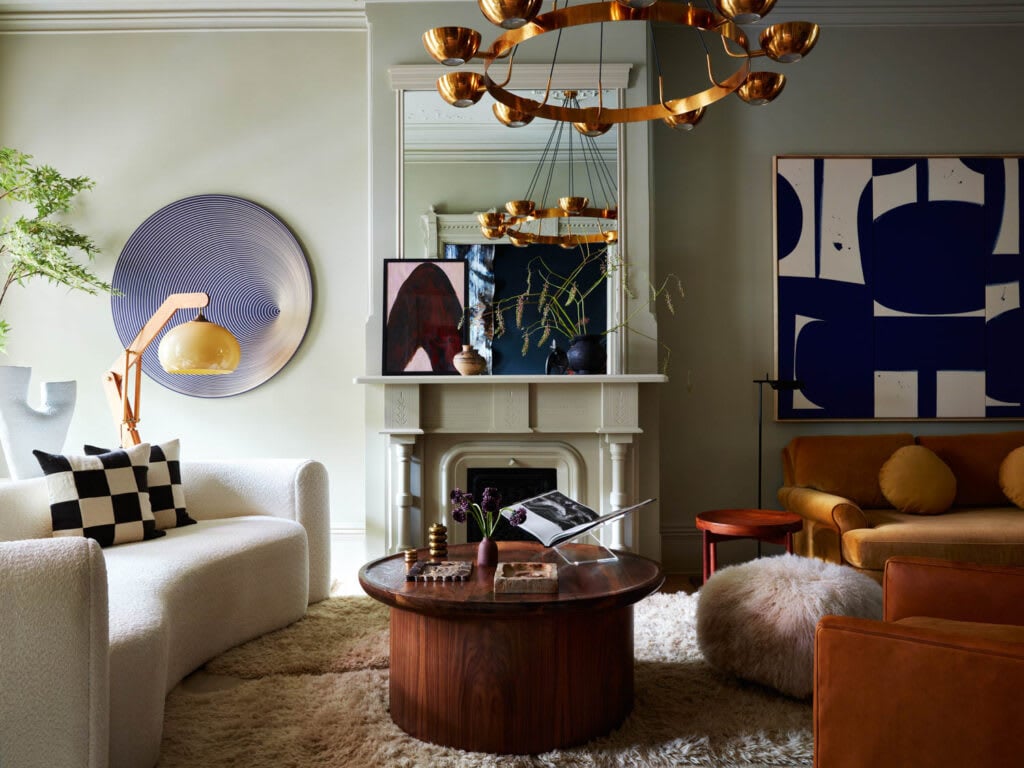
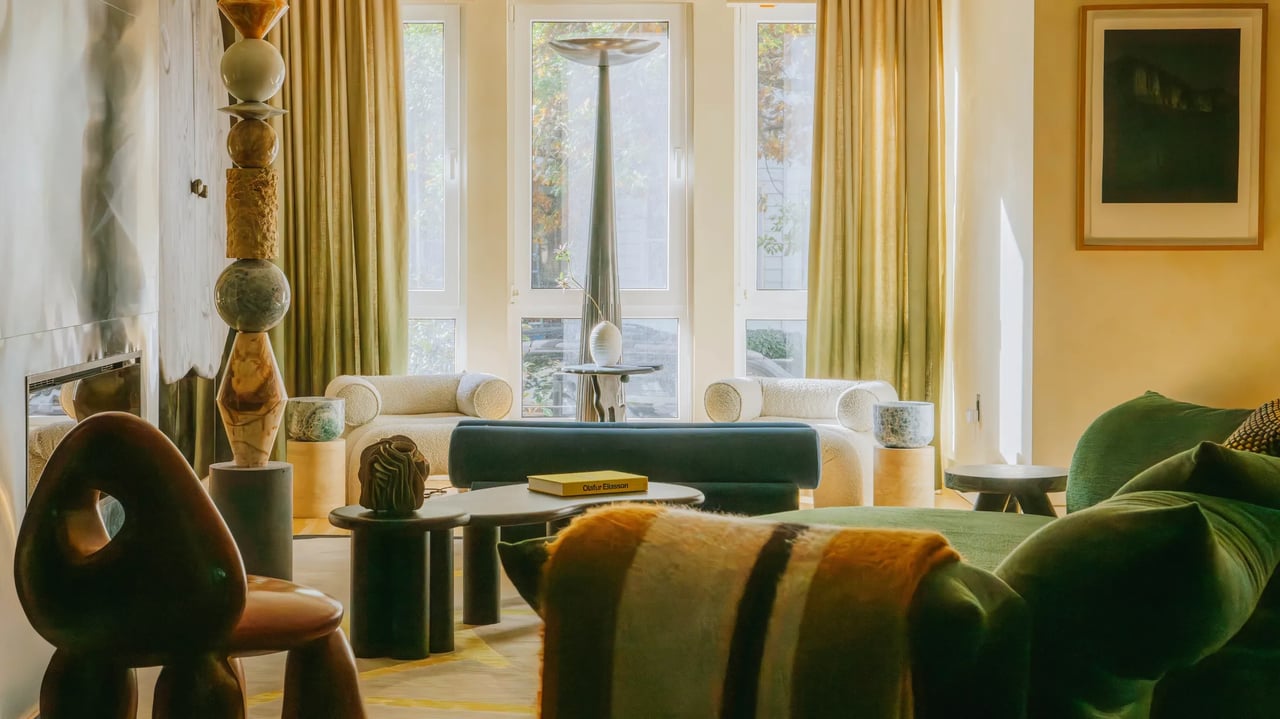
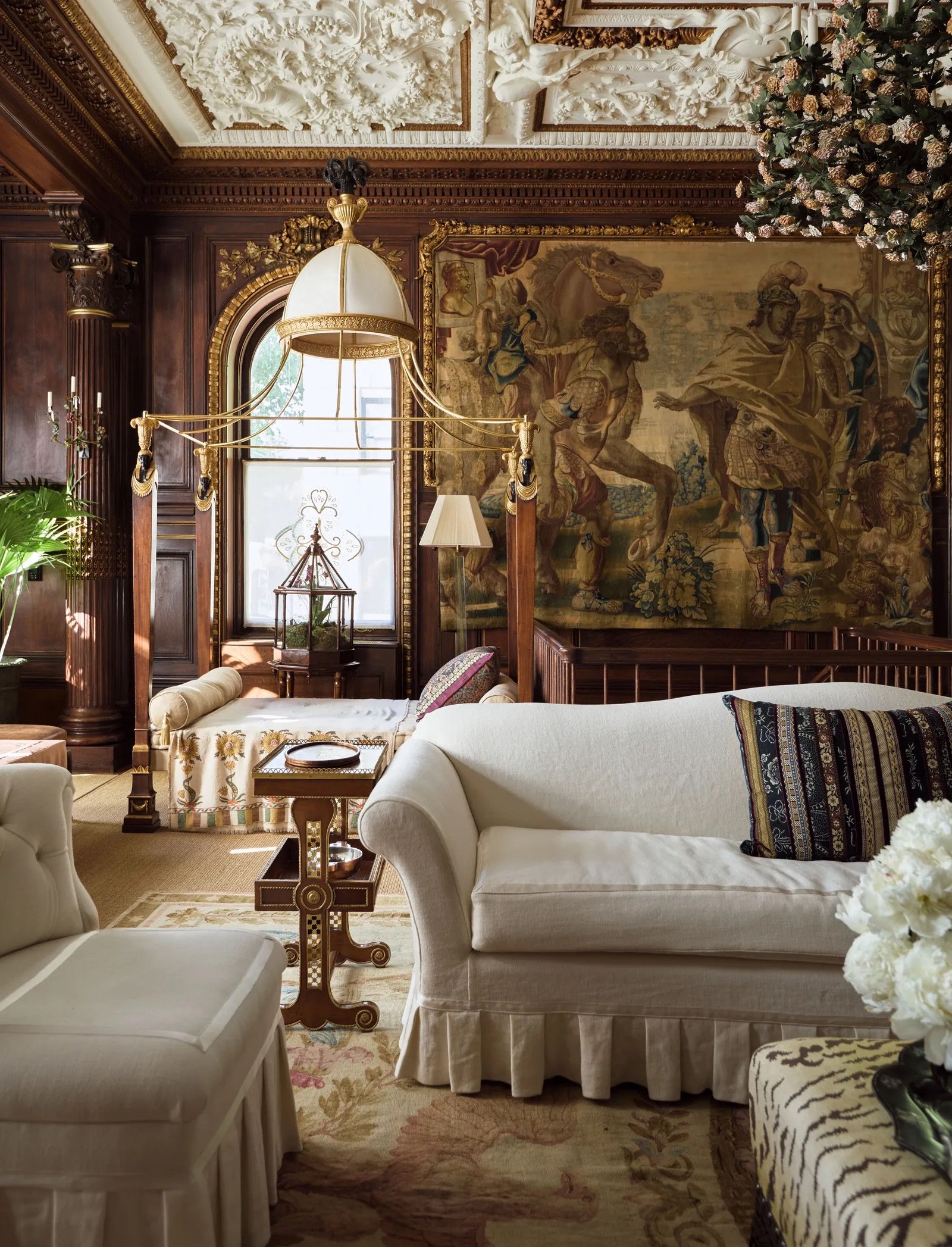
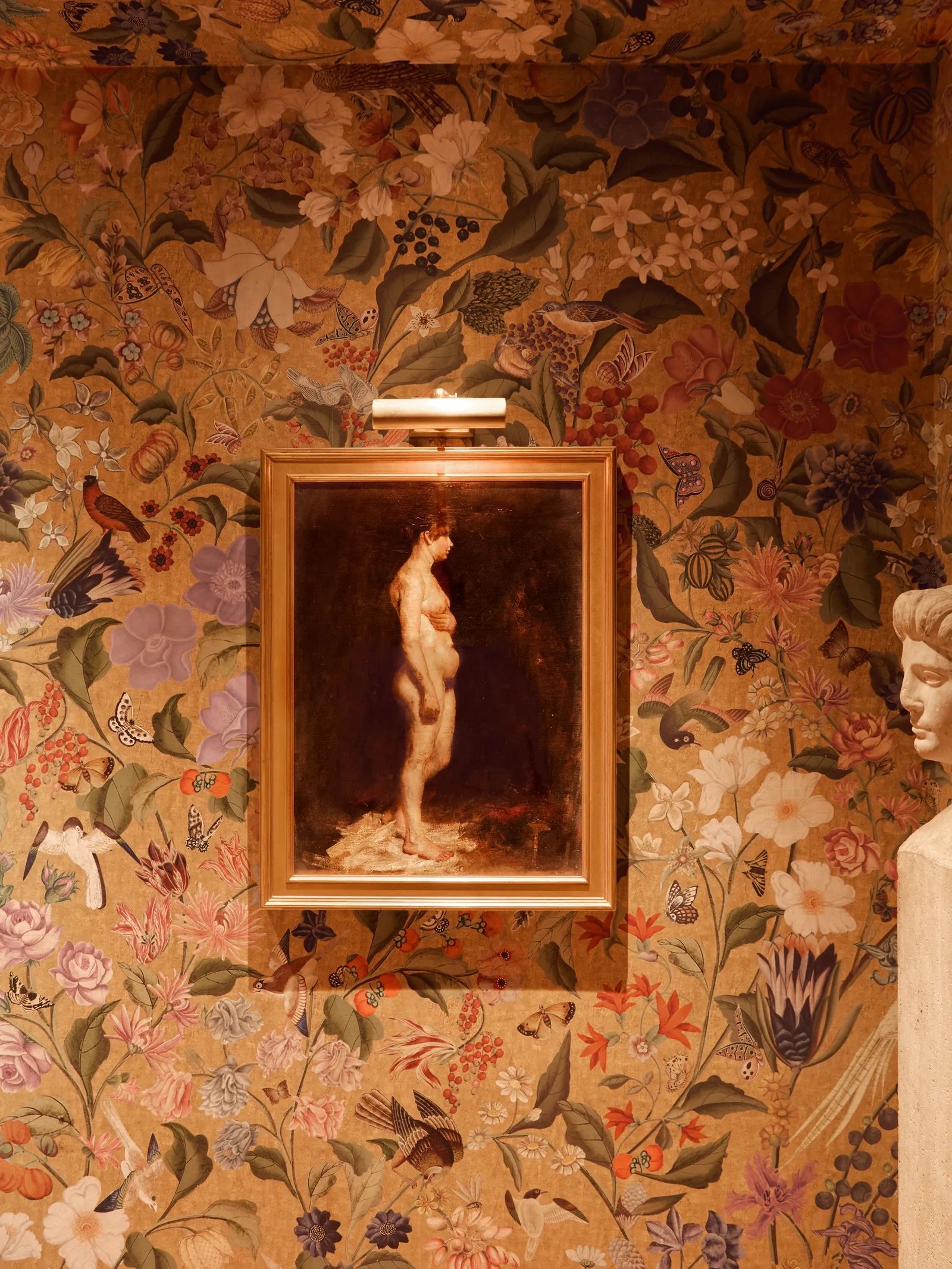
Throughout the residence, Lippes embraces a collected approach to decorating. The rooms do not appear to have been designed from a single period or according to one rigid aesthetic. Instead, antique furniture, European pieces, Chinese art, historic textiles, contemporary furnishings, and decorative objects come together in a way that feels personal and layered.
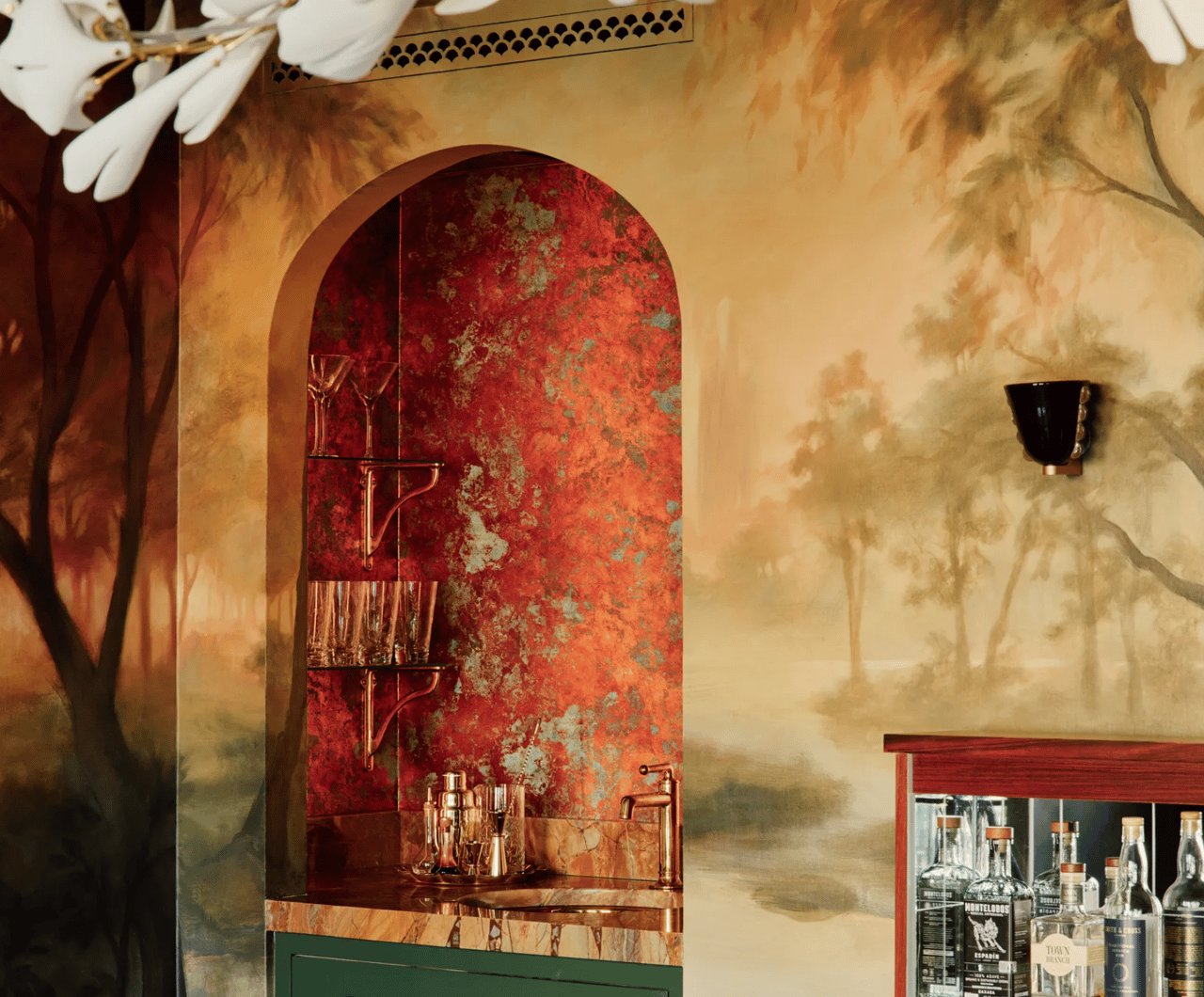
That sense of discovery is part of the home's charm. Each room reveals something different, whether it is an unusual piece of furniture, an antique textile, an expressive work of art, or a dramatic light fixture. The interiors feel as though they have evolved over time rather than been assembled all at once.
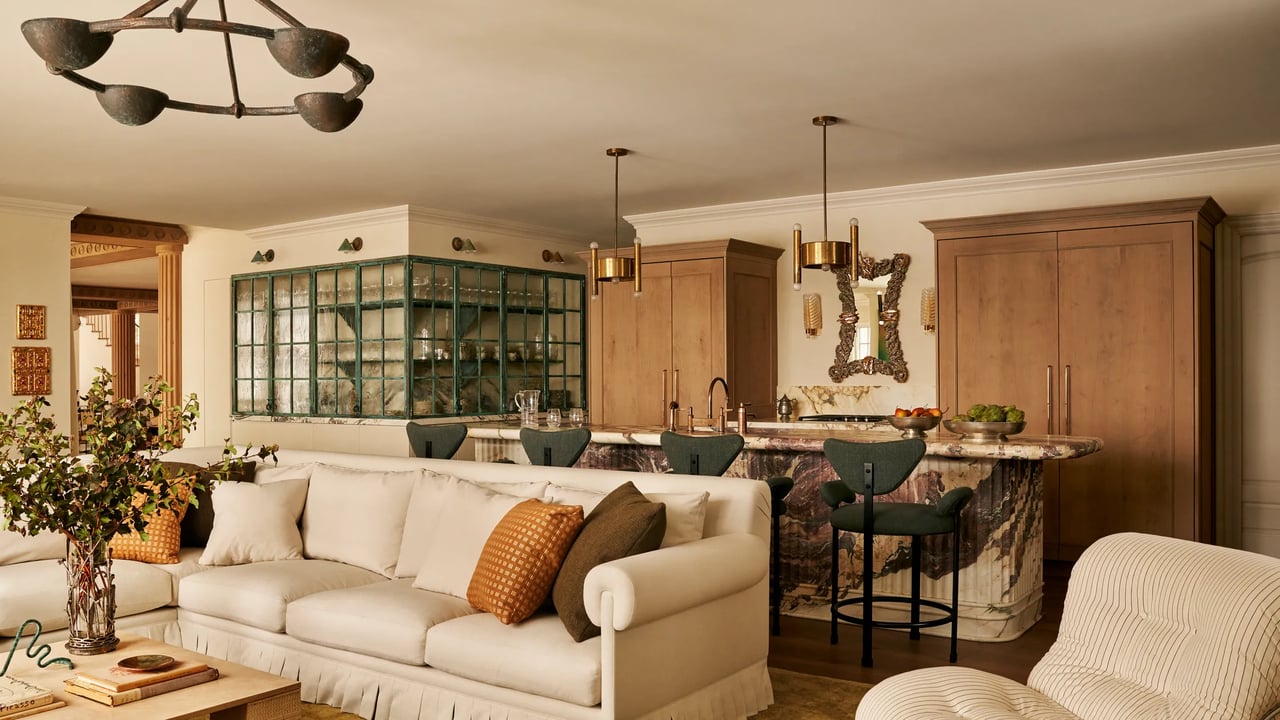
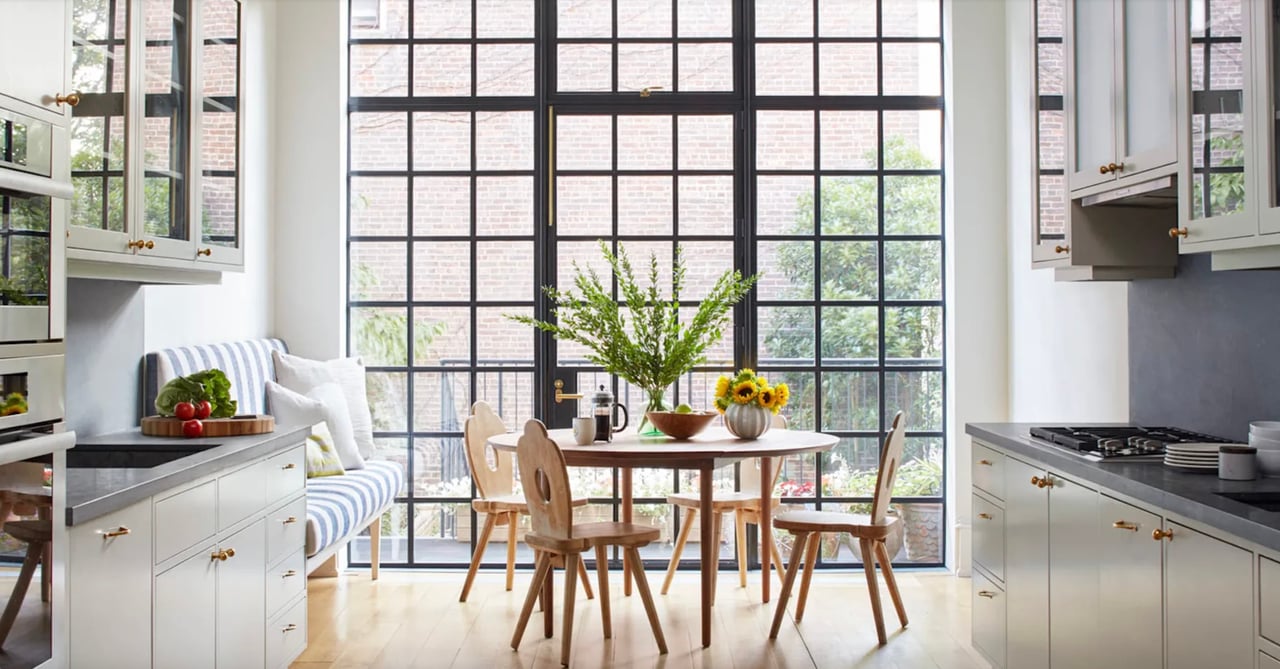
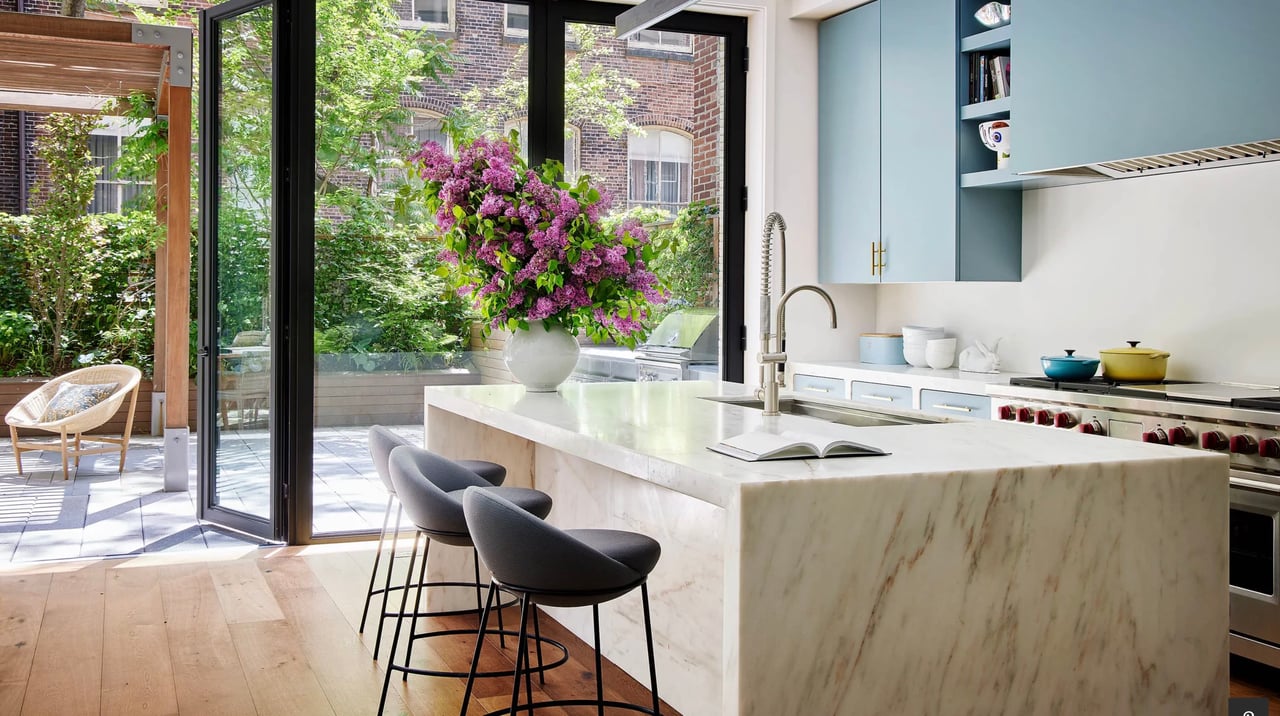
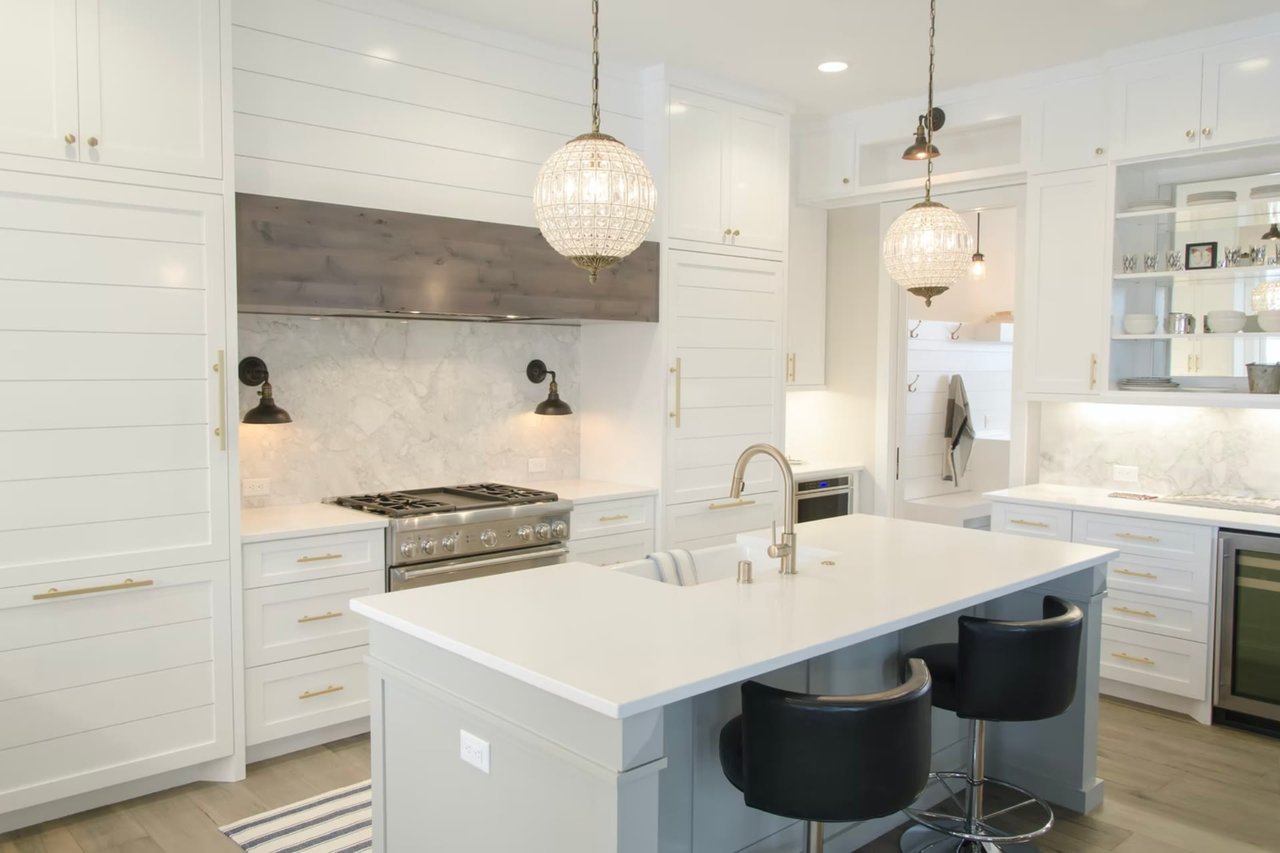
The attention to detail extends even into the more intimate spaces. The kitchen, created from what was once a pantry, combines contemporary functionality with elegant materials and custom details. Though considerably more modest in scale than the home's formal rooms, it remains connected to the overall design through marble surfaces, refined finishes, and carefully considered textiles.
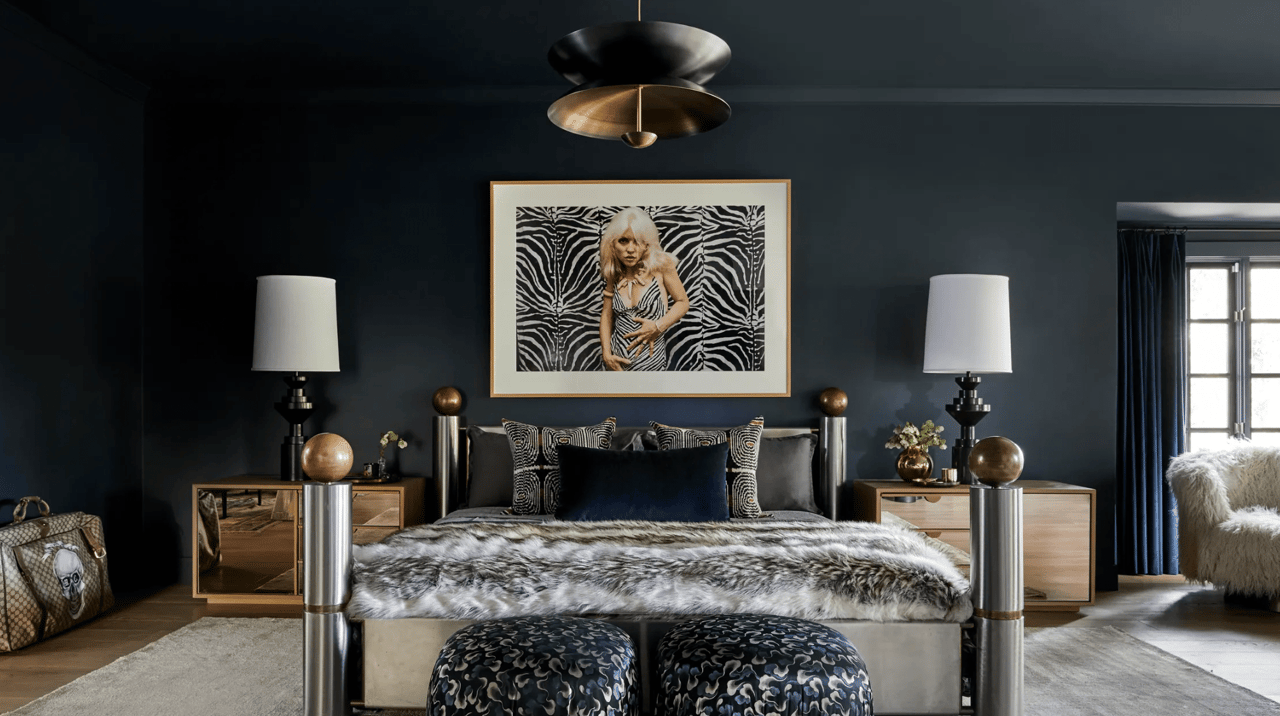
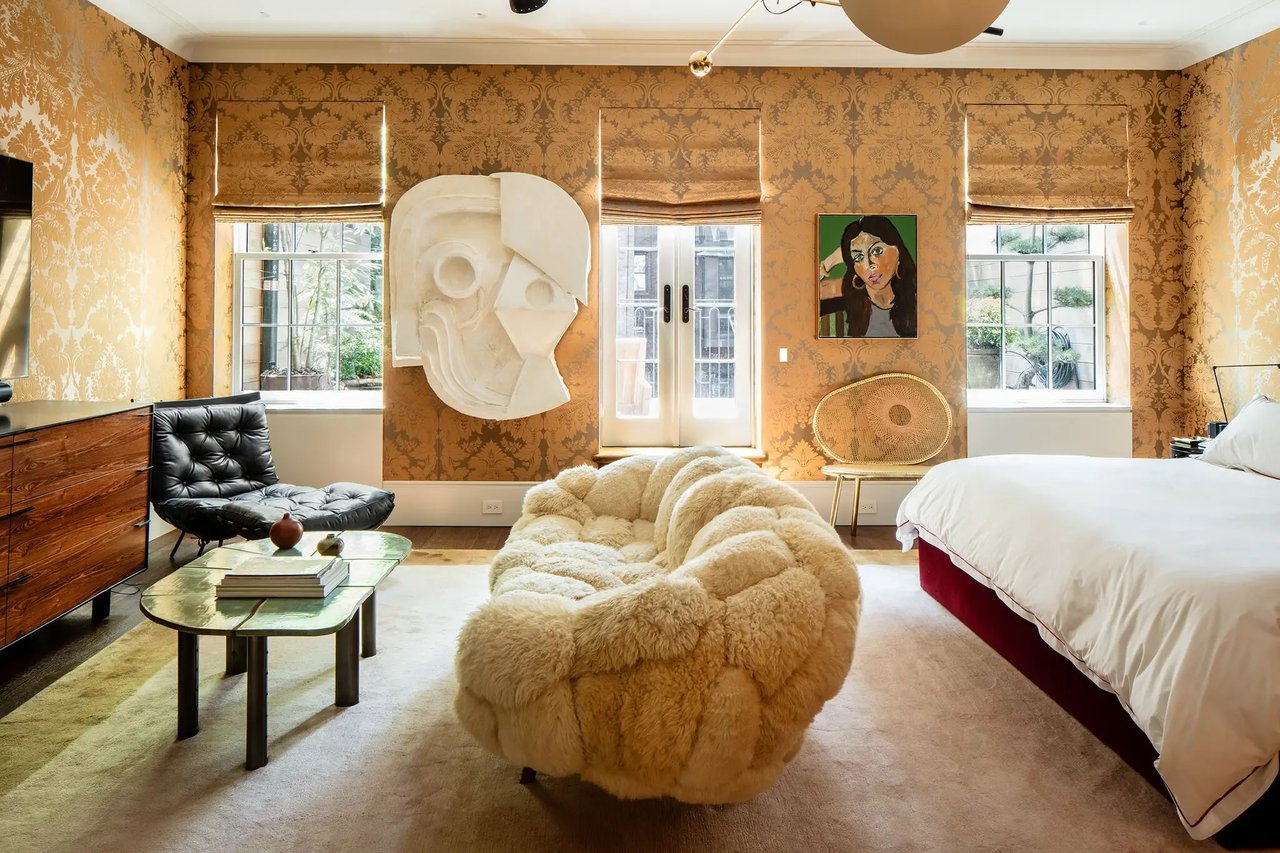
The private quarters take on a quieter character. The primary bedroom moves away from the drama of the public rooms and introduces softer colors, delicate fabrics, and a more tranquil atmosphere. Rich textiles and layered patterns create a private retreat that feels removed from the energy of Manhattan just beyond the windows.
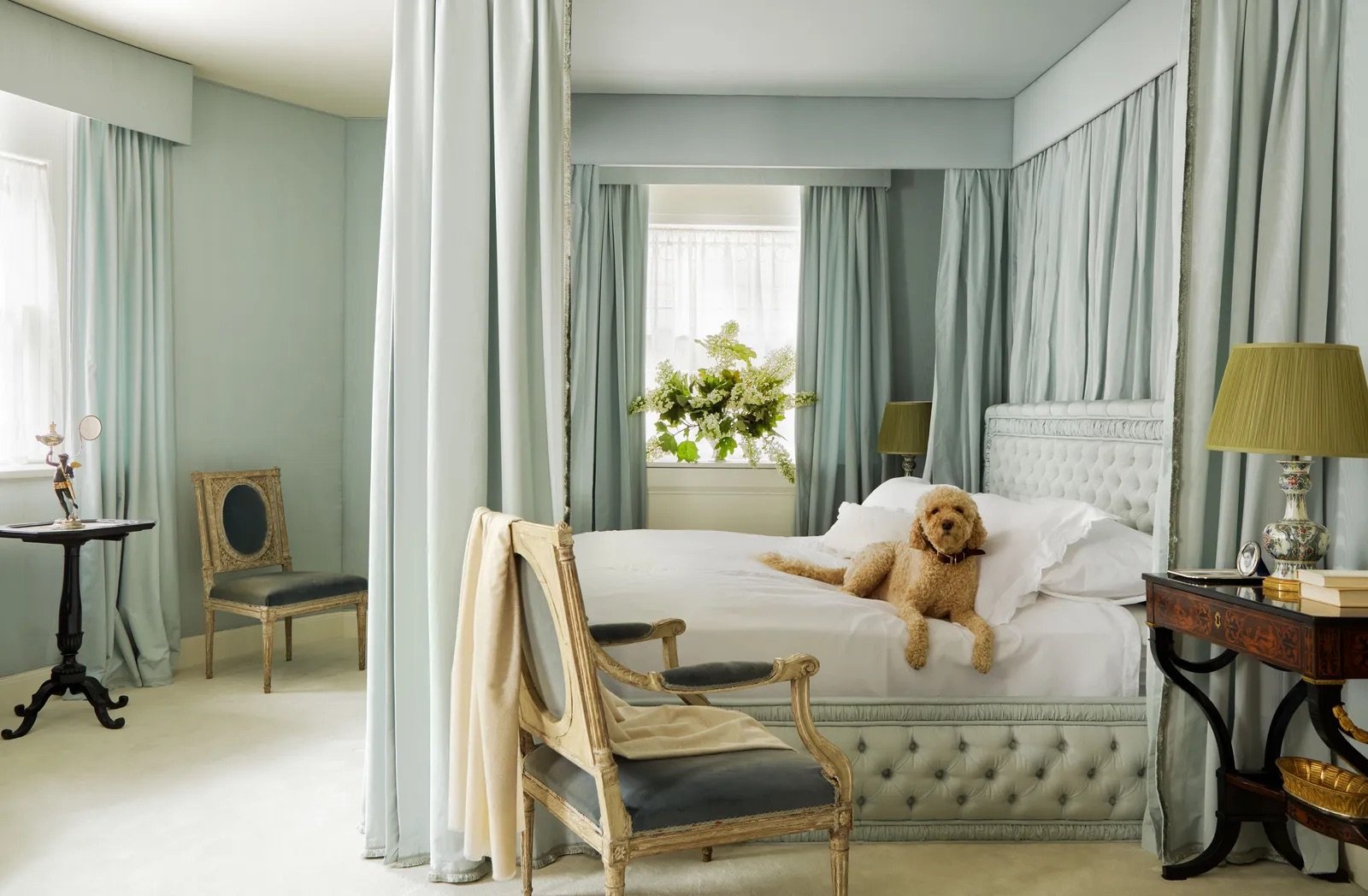
The dressing room continues this intimate feeling, incorporating luxurious materials and antique pieces that give the space a sense of timeless refinement. Guest rooms are equally distinctive, each with its own personality and decorative language while remaining connected to the larger story of the residence.
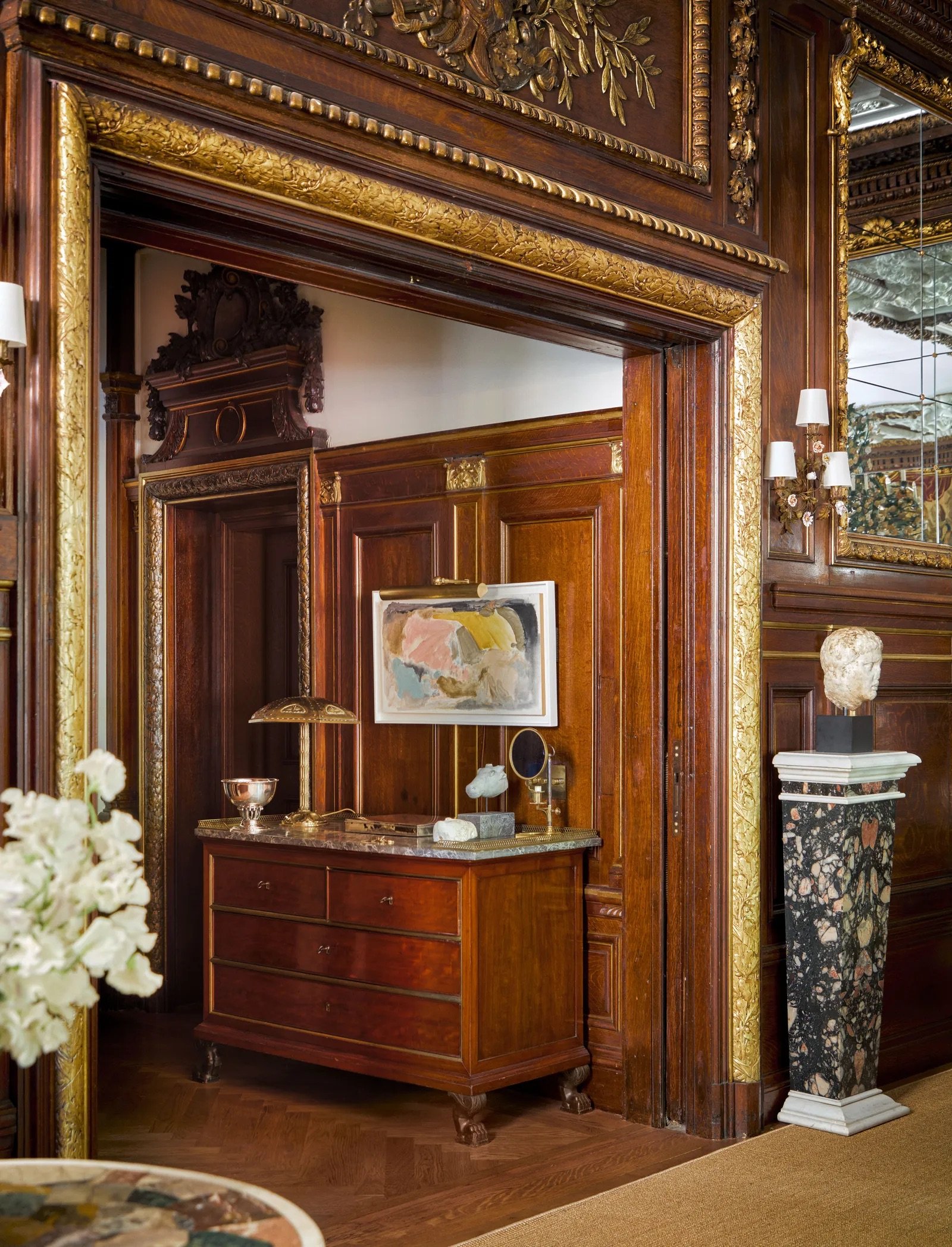
What makes the home particularly compelling is the way it avoids feeling overly precious. Historic properties of this scale can easily become museum-like, where every surface feels untouchable and every room exists primarily to showcase the past. Here, the opposite approach has been taken.
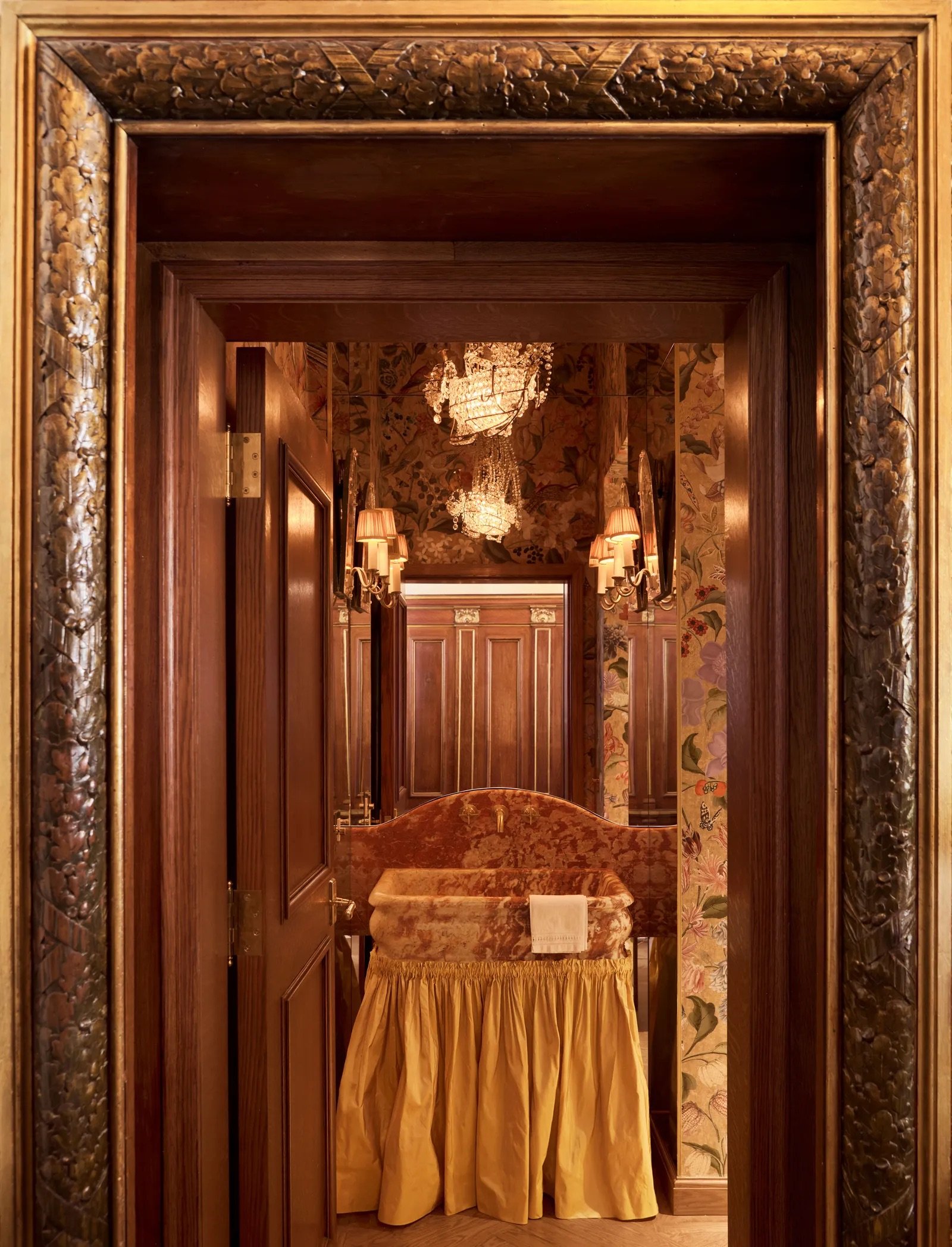
The architecture is respected, but it is also lived with.
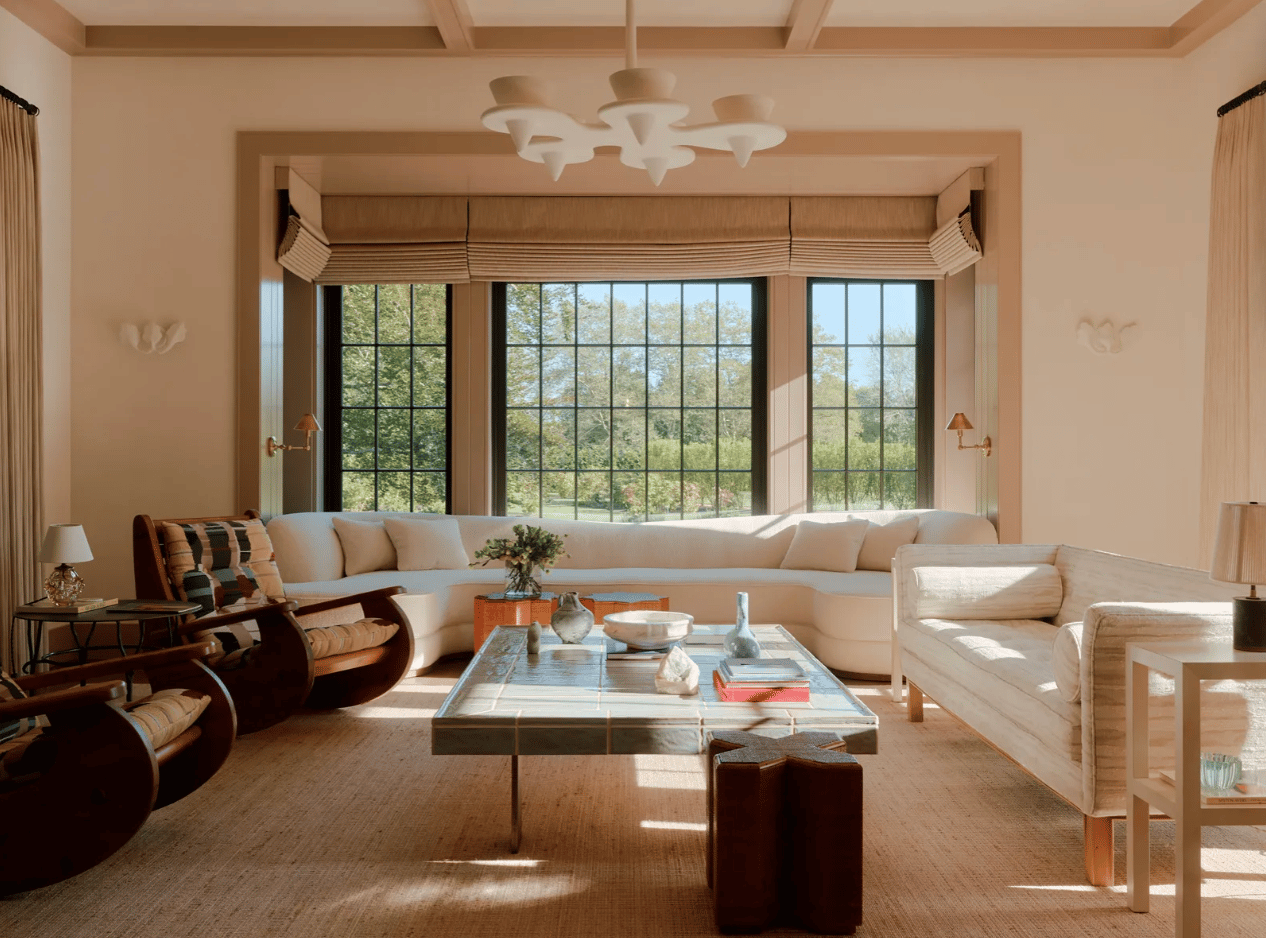
A centuries-old-looking piece can sit beside something distinctly modern. Formal paneling can frame casual seating. Elaborate chandeliers can illuminate rooms designed for conversation and relaxation. Pattern, texture, color, and scale are mixed with confidence, creating an environment that feels sophisticated without becoming rigid.
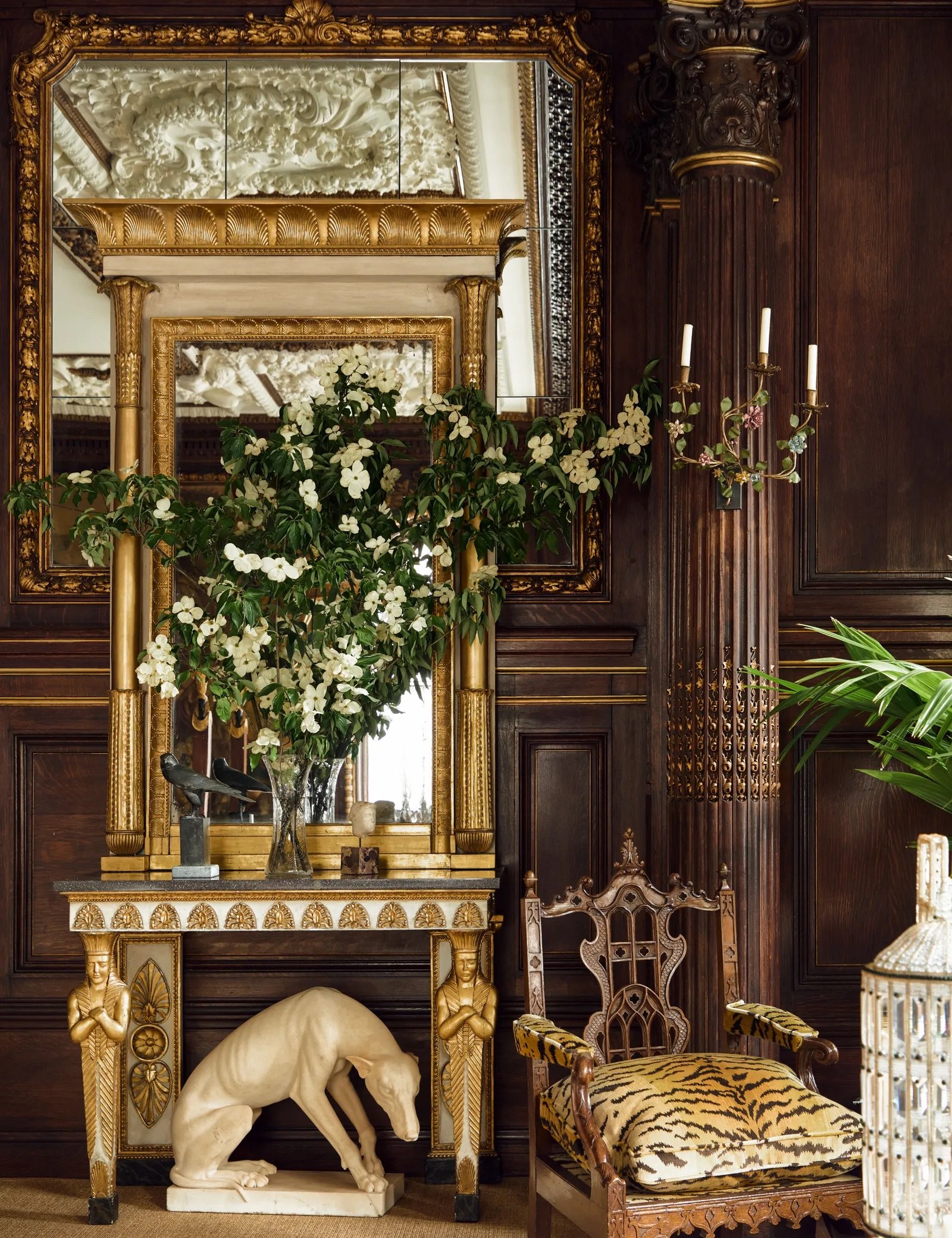
This balance reflects Lippes's sensibility as a designer. His experience in fashion is evident in the way materials, proportions, and details are carefully layered. Yet the home does not feel like a fashion statement. Instead, it feels personal—a reflection of someone who appreciates craftsmanship, history, art, and the pleasure of surrounding oneself with beautiful objects.
The residence ultimately demonstrates that restoring a historic home does not have to mean recreating the past exactly as it was. Preservation can coexist with reinvention. Traditional architecture can provide a remarkable backdrop for contemporary life, and old-world elegance can feel entirely at home in the present.
On Fifth Avenue, the result is a residence that honors its Gilded Age origins while embracing a more relaxed definition of luxury. Its beauty comes not only from the extraordinary architecture, but from the tension between grandeur and comfort, history and modernity, formality and personality.
It is a home that does not simply preserve the past. It gives it a new life.
Source: Inspired by and based on information from Architectural Digest, “Gilded Age Splendor Meets Breezy Sheers, Slipcovers and Animal Prints in This Fifth Avenue Mansion,” by Michael Boodro, published August 7, 2026.