Art Deco Interior Design: Everything You Need to Know About This Opulent Style

Art Deco Interior Design: Everything You Need to Know About This Opulent Style

  • Jordan Hoch
  • 03/20/26

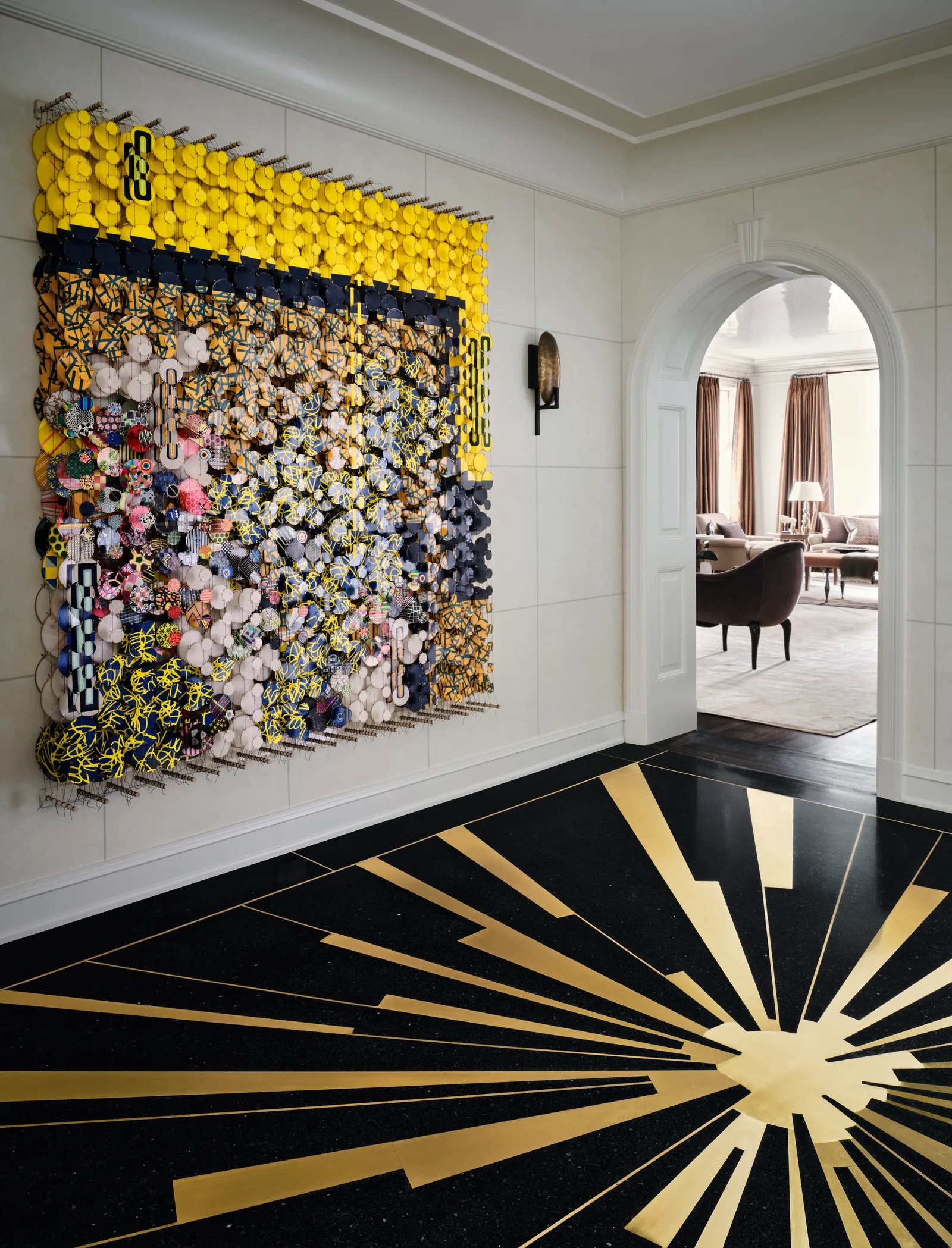
While some may argue the era of Art Deco interior design is over, it’s undeniable that its spirit lives on. “When we’re talking about Art Deco, generally we’re thinking of the style and aesthetic most popular during the 1920s and ’30s,” says Jennifer Durand, design director at Jessica Lagrange Interiors. Often defined by geometric patterns and motifs, bold jewel tones, and rich material palettes, the interior design style is opulent and decadent. “These days, we probably wouldn’t do a whole authentic Art Deco interior,” adds Jessica Lagrange, founder of the aforementioned eponymous design firm. “But we like to use bits and pieces, which can be very timeless, and use them in a contemporary setting.”

The style continues to be a favorite among design aficionados and even celebrities—from Barbara Streisand’s former New York City town house to Athena Calderone's Manhattan apartment to Walter Goggins’s Hudson Valley cabin (complete with a “prohibition bar” in what once pretended to be a linen closet). Below, AD outlines everything you need to know about Art Deco style, from its history to modern interpretations, and how you can bring the luxurious look into your home.

What is Art Deco interior design?


According to Wesley Moon, interior designer and founder of Wesley Moon Design and Decoration, there are two ways to think about Art Deco design: the historical roots and the modern renditions. Of course, to appreciate the latter, you first have to understand the former.

History of Art Deco interior design

Historically, Art Deco, which is short for arts décoratifs, started in France in the early 1900s. “But it really flourished in America in the ’20s and ’30s,” Moon explains, when people over the world were reassessing everything they knew about established society, art, and style in the wake of World War I. Generally categorized as the style of art, interiors, architecture, and product design popular in the era between the First and Second World Wars, the style was first exhibited in 1925 during the Exposition Internationale des Arts Décoratifs et Industriels Modernes, in Paris. (The name “Art Deco” didn’t become popular until 1968 when British historian Bevis Hillier published his influential book Art Deco of the 20s and 30s. Prior to that, Arts Décoratifs was just as likely to be called “Style Moderne.”) Designs of this time were often defined by a streamlined look—generally composed of simple lines and geometric shapes for ornamentation—made from expensive materials. “When we think of Art Deco, we picture symmetrical, geometric, streamlined pieces with simplistic form,” Durand tells AD, “but made with really innovative, specialty materials.”

Influences that inspired Art Deco design include the stylized, decorative forms of Egyptian temple design—in part because the discovery of King Tut’s tomb in 1922 set off a mania for all things Egyptian. Other international traditions, including tribal African art, Mesoamerican pyramid temples, and the pediments of ancient Greek temple design also influenced the look of Art Deco.


Popular visionaries from the era include artists like René Lalique, known for his jewelry and his decorative glass sculptures, and painter and sculptor Jean Dunand; fashion designers Paul Poiret and Madeleine Vionnet; product and furniture designers including Jacques Ruhlmann and Maurice Dufrène; interior designers like Jean-Michael Frank and Émile-Jacques Ruhlman; and architects such as William Van Alen or the firm Shreve, Lamb & Harmon. Predating midcentury-modern aesthetics, Art Deco drew influences from Art Nouveau, the Bauhaus school, and Cubism. Even automobiles, such as the streamlined Bugatti Coupe and Chrysler Airflow, could embody the Art Deco era.

Due to the technological advances of the time period, including mass media such as movies, the style spread across the globe making it a truly international movement. Many of the most well-recognized Art Deco buildings—skyscrapers like the Chrysler Building and the Empire State Building, or Radio City Music Hall, for example—are in New York City, although remnants of the style can be found throughout the country. Tulsa, Oklahoma, and Detroit, Michigan, in particular, have impressive collections of Art Deco structures. Outside the United States, Art Deco landmarks include the Piscine Molitor in Paris, the Paramount Theater in Shanghai, and the Kavanagh Building in Buenos Aires.

What is the difference between Art Deco and Art Nouveau?

Generally, Art Nouveau was much more organic, often making use of more fluid, curved lines. Art Nouveau, though seen in architecture, is most prevalent in the decorative arts. It originated in the 1880s and often featured forms and motifs inspired by vines, flower stems, or other natural elements. Art Deco, on the other hand, made use of straighter, geometric, and more streamlined shapes.

Is Art Deco in style?


While Art Deco no longer reigns supreme, it is seldom out of style. Generally, architecture and design historians see the start of World War II as the end of the Art Deco period, though the look had been fading for some time. Designers from the Bauhaus school—which was forced to close in 1933 under Hitler’s rule—migrated to other parts of the world, including the United States, bringing with them new ideas focused on simple, functional design. After the war, aesthetic values slowly started to change, switching to a utilitarian, unornamented standard and ushering in the era of international and midcentury-modern styles pioneered by visionaries like Le Corbusier and Mies van der Rohe.  Following the Great Depression, many of the original principles of Art Deco—like rich materials and opulent ornamentation—were no longer affordable and, in some situations, no longer desirable.

Modern interpretations of Art Deco

However, like most interior design trends, tastes and principles are cyclical, and nothing is ever truly over. These days, as Moon and the designers from Jessica Lagrange Interiors note, it’s not overly common to see true-to-the-era replicated versions of Art Deco interiors. Instead, many modern designers opt for capturing the spirit of the Art Deco period by borrowing elements and embodying the principles of the movement. “A lot of people have said my apartment is very Art Deco, although I don’t particularly think of it as an Art Deco apartment,” Moon says. “But it does have a lot of those qualities: It’s got exuberance, it’s got opulence, everything about it is unique and specifically made for the space.”

Defining elements and characteristics of Art Deco interior design

For anyone aiming to create a modern Art Deco look today, it’s best to understand the classic Deco elements in order to most appropriately reimagine them in a modern way.

What are the key design elements of Art Deco?


Though not an exhaustive list, the following elements are generally used in Art Deco interiors:

  • Streamlined, symmetrical forms
  • Geometric designs as ornamentation; it’s common to see shapes such as: Trapezoids
  • Triangles
  • Zigzags
  • Chevrons
  • Sunbursts
  • Rich material and textile palettes, including:
  • Lacquered surfaces
  • Brass
  • Stainless steel
  • Gilt
  • High-end upholstery fabrics
  • Bold colors and finishes including jewel tones and metallics
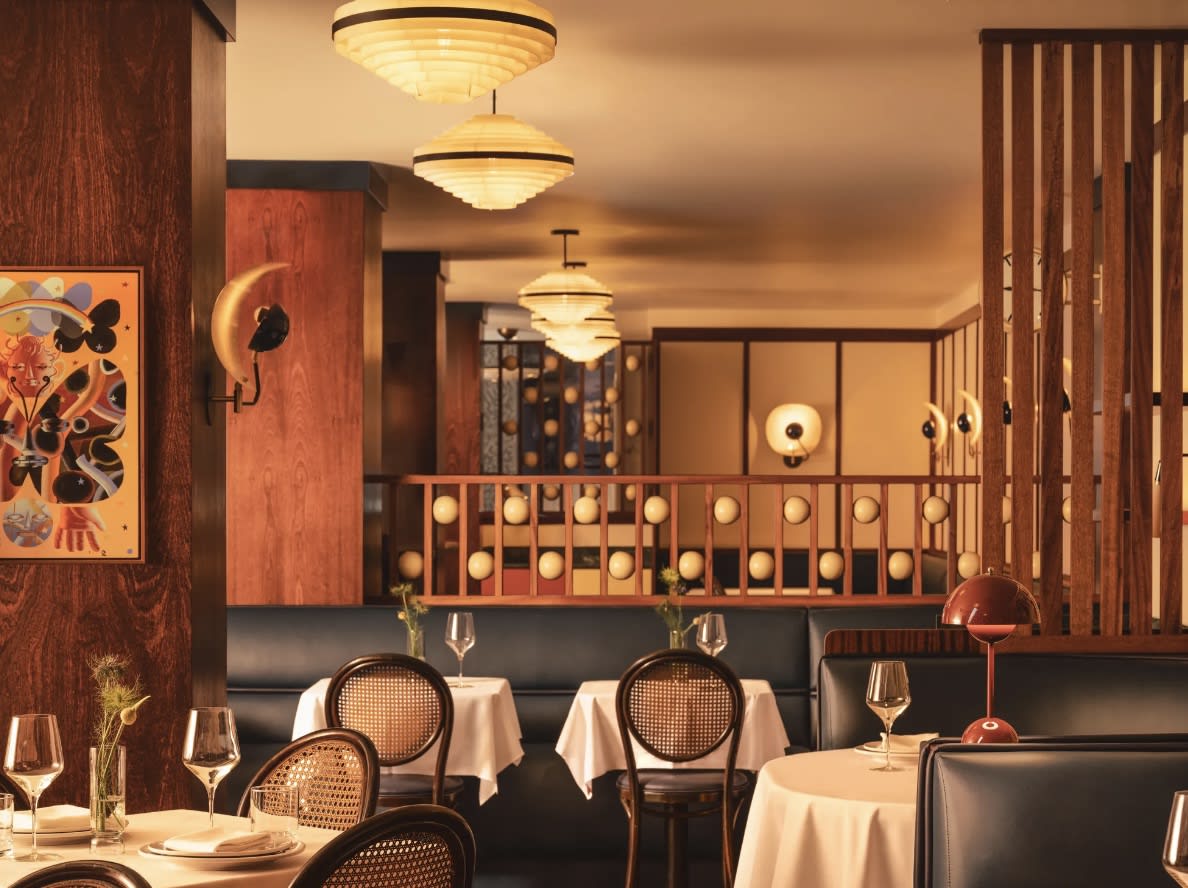
  • Ornamental light fixtures such as chandeliers or sconces
What are the main colors of Art Deco?


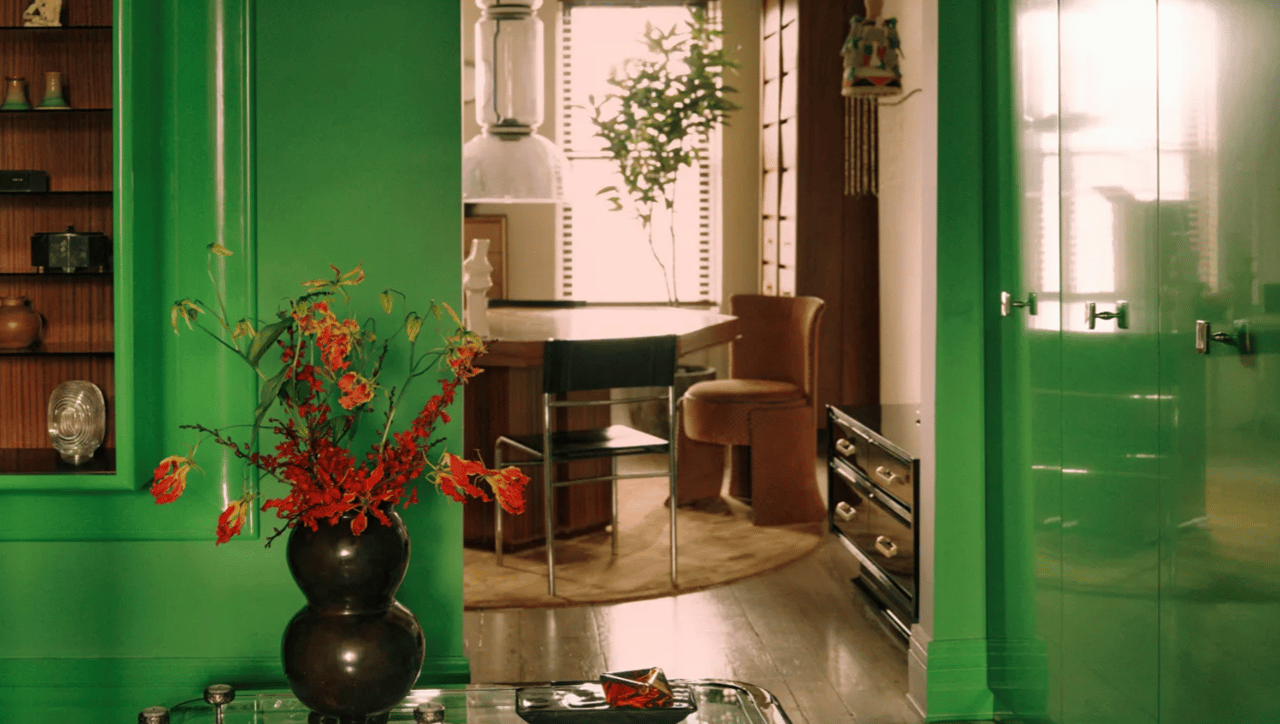
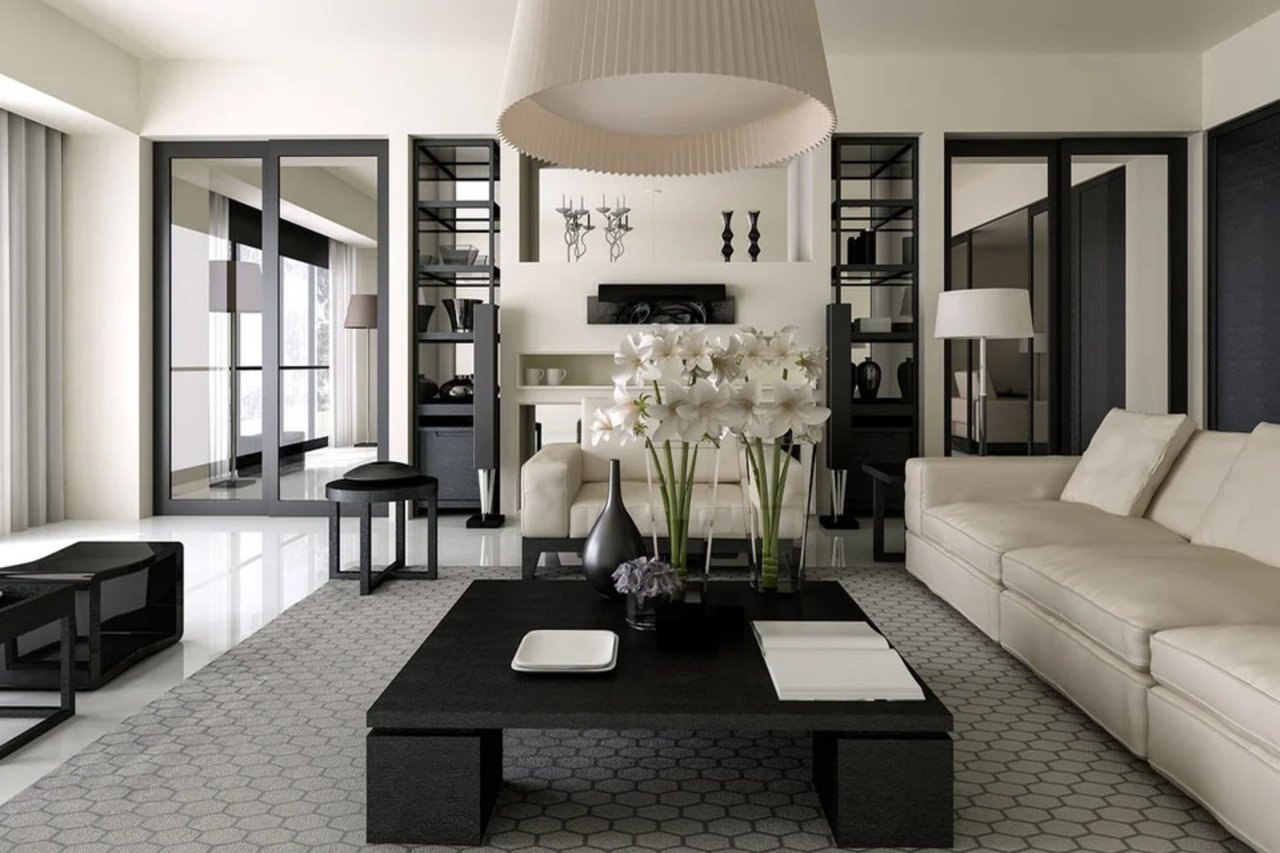
“If you’re going back to traditional Art Deco in the ’20s, they used a lot of very rich, jewel tone color palettes,” says Durand. Often, this was complemented by more neutral shades such as beiges, creams, or slightly muted yellows. Black often provides contrast. And metallics, including silver, gold, and rose gold, add shine. Modern Deco interpretations can lean a bit more minimalist, but often still include bold colors.

Examples of Art Deco interior design

To better understand Art Deco—and get a few design ideas—consider both historic examples and modern interpretations designed by Lagrange and Moon.

Historic Art Deco

Radio City Music Hall


Radio City Music Hall has long been considered a quintessential example of Art Deco interiors and architecture. Donald Deskey was hired to design the interiors, which feature terrazzo floors, marble walls, and brass ticket booths.


The Chrysler Building


An undeniable Art Deco masterpiece, the Chrysler Building, designed William Van Alen, is a prime example of the decadent materiality often found in interiors of the time. The lobby—which is triangular in shape—is the only publicly accessible part of the building, but it still certainly warrants a visit for anyone interested in the Deco interiors. Yellow travertine from Sienna makes up the floor, complemented by red-granite-clad walls. Lights covered in Belgian blue marble adorn the walls, and stainless-steel accents can also be found throughout the monumental interiors.

Miami Beach Art Deco District


A more tropical take on the style can be found in Miami Beach’s Art Deco District, where hotels dating to the Art Deco era exhibit the streamlined, geometric shapes of the movement, but in brighter, sunnier hues that fit the climate.

Griffith Observatory, Los Angeles


Built during the Great Depression, this concrete planetarium showcases geometric Art Deco details beneath its copper dome. The 27,000-square-foot landmark is typically described as an Art Deco building with a Beaux Arts floor plan.

Modern Art Deco

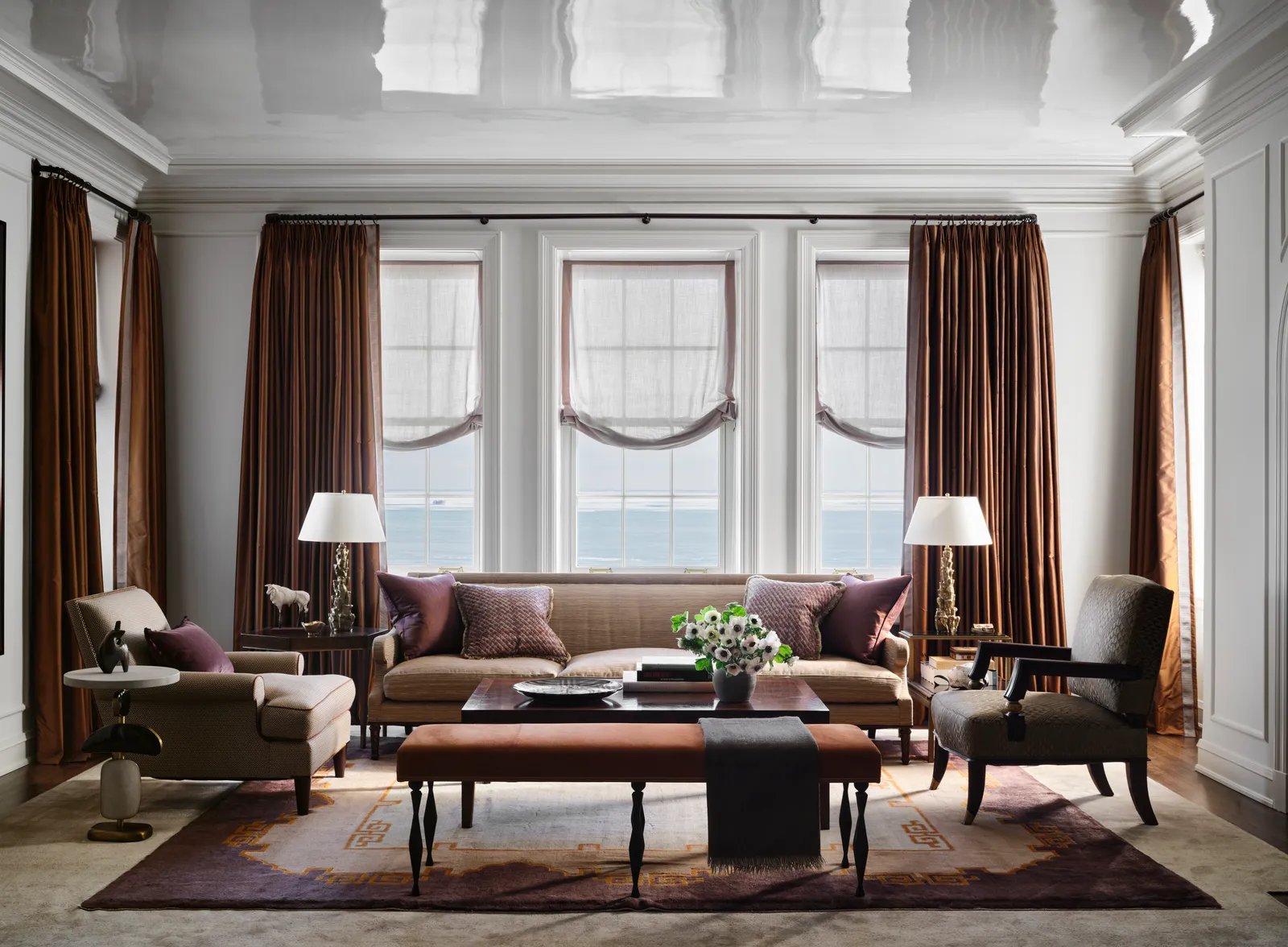
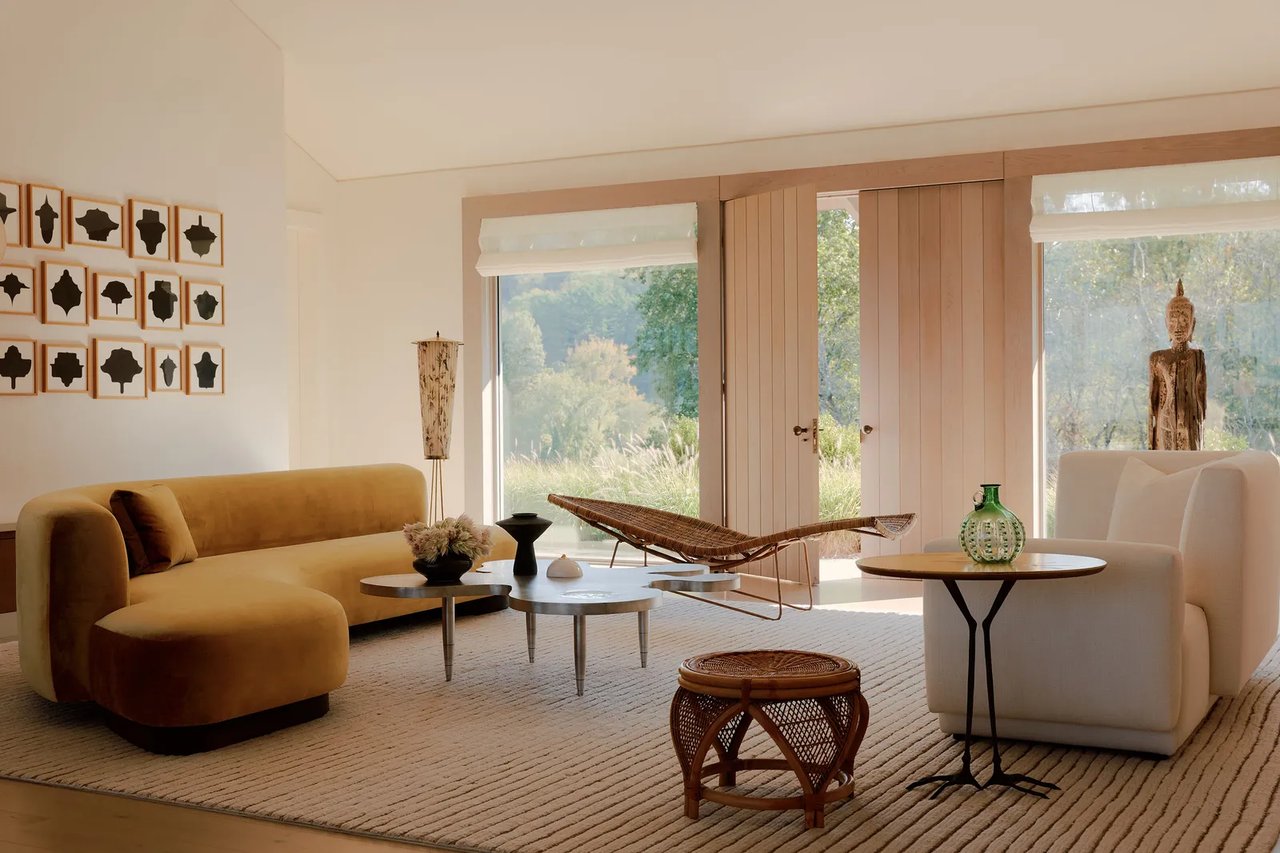
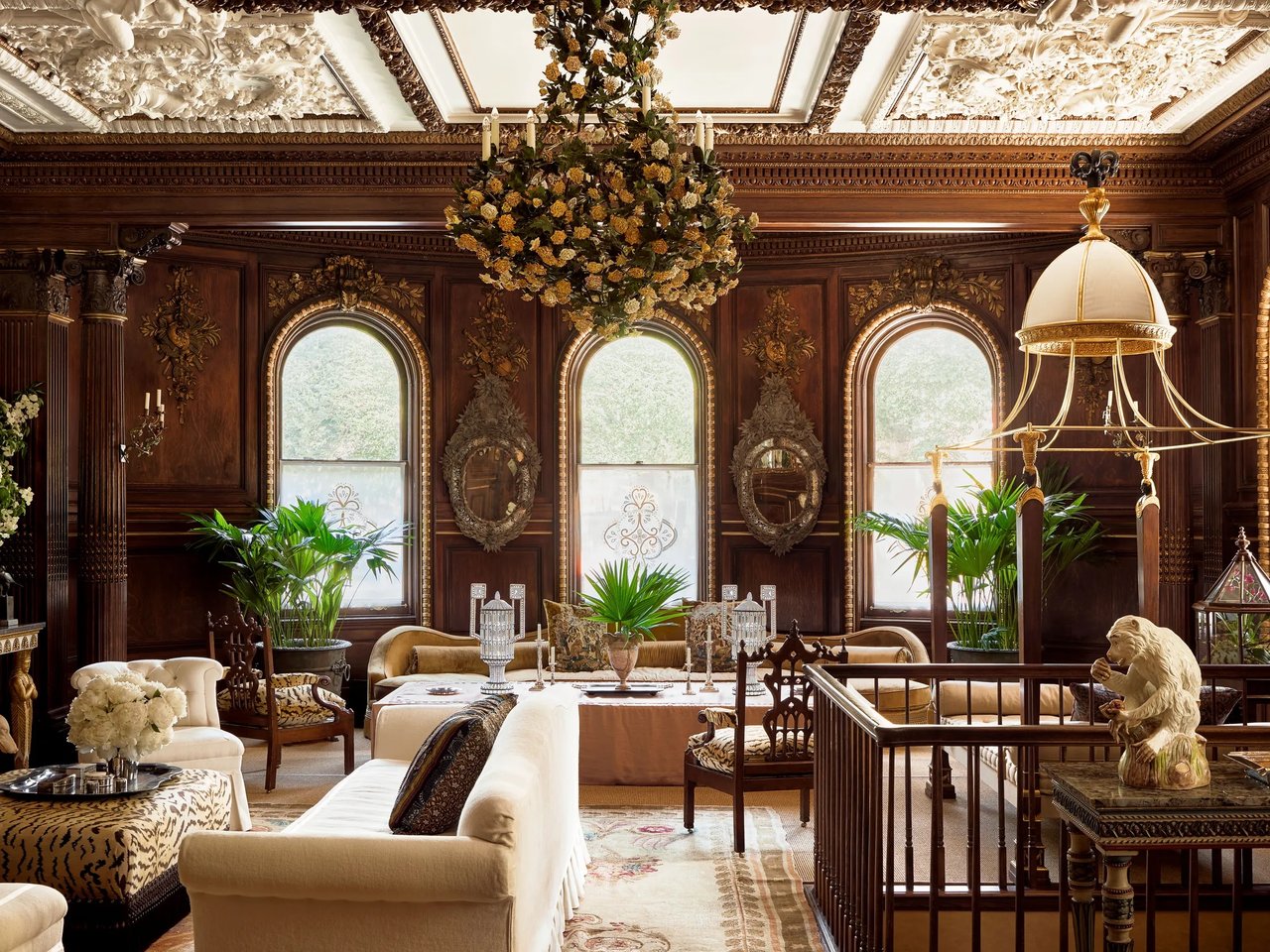
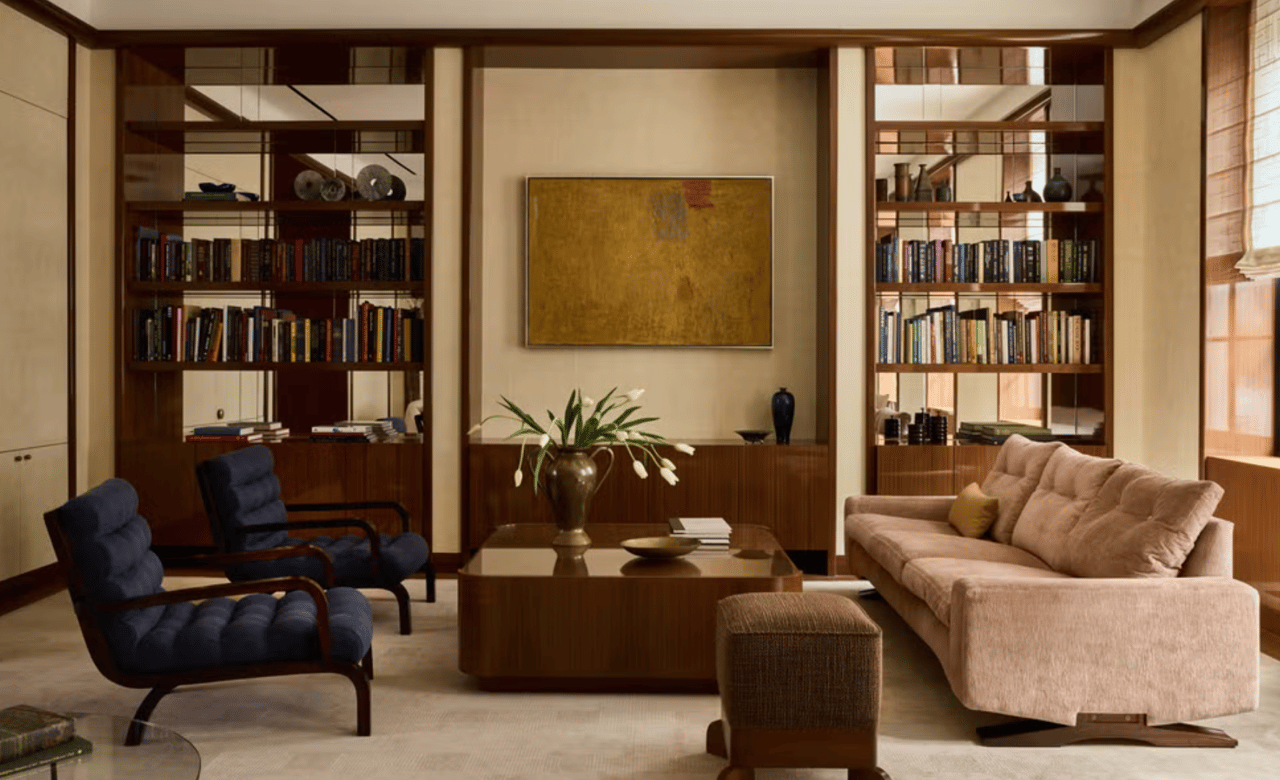
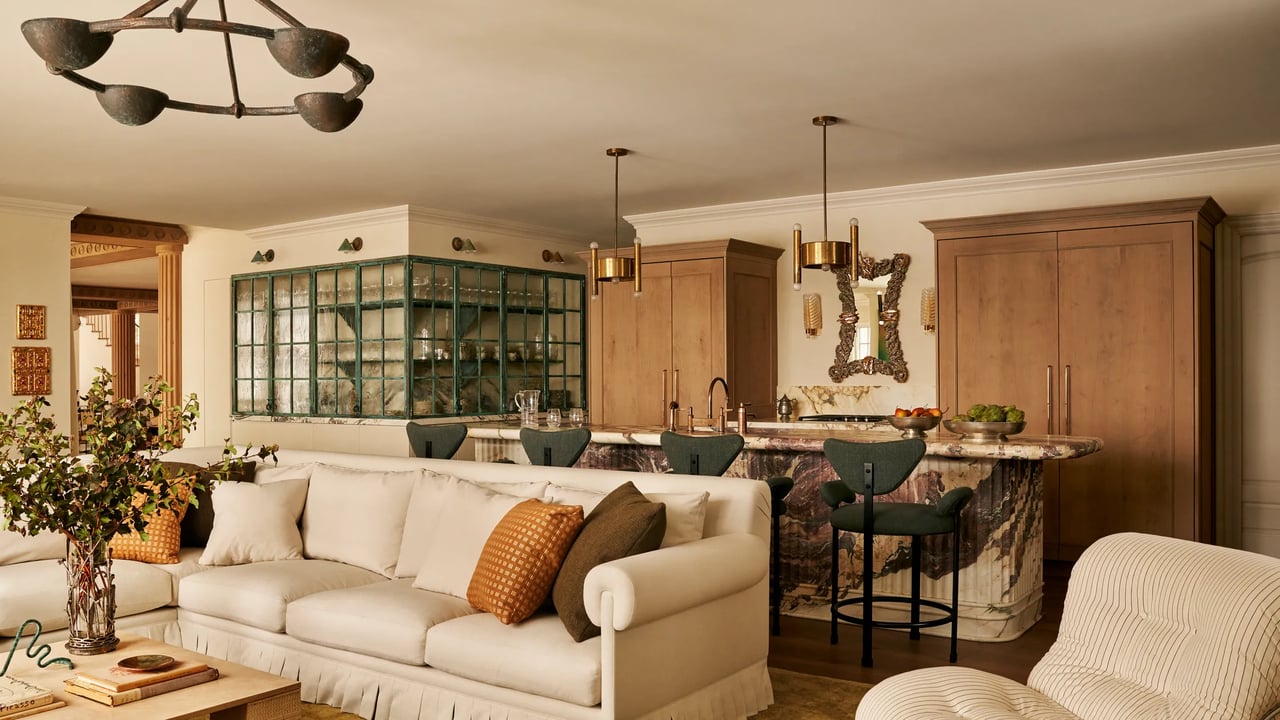
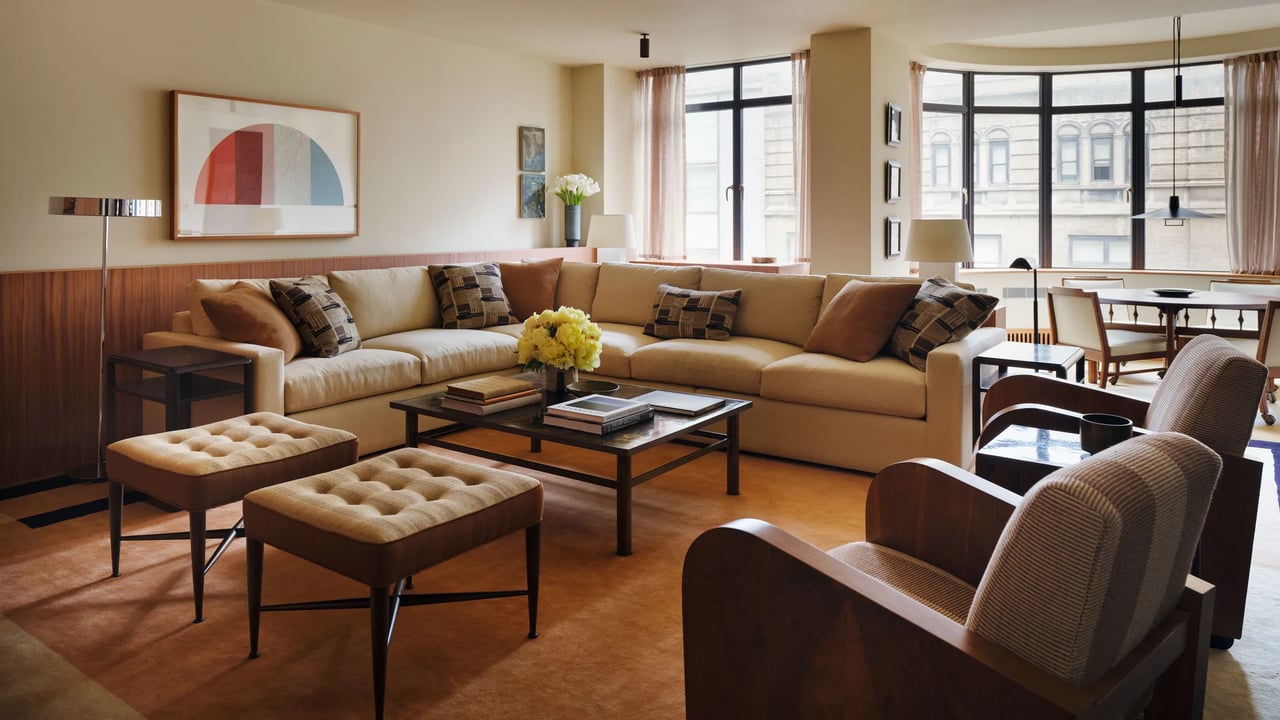
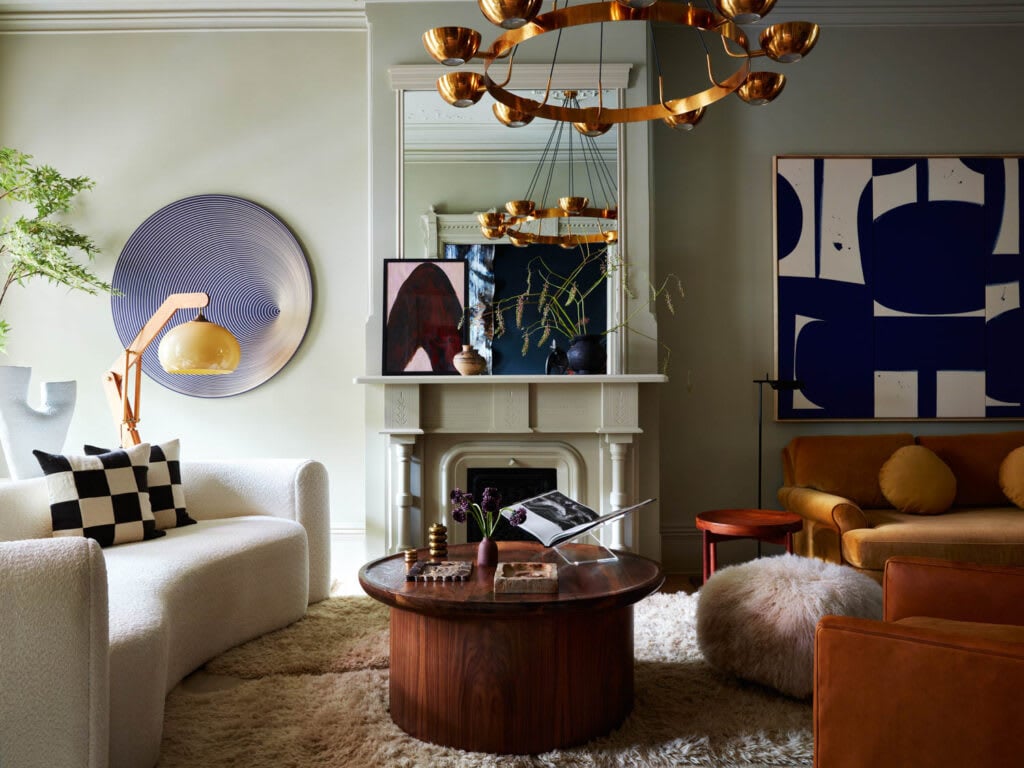
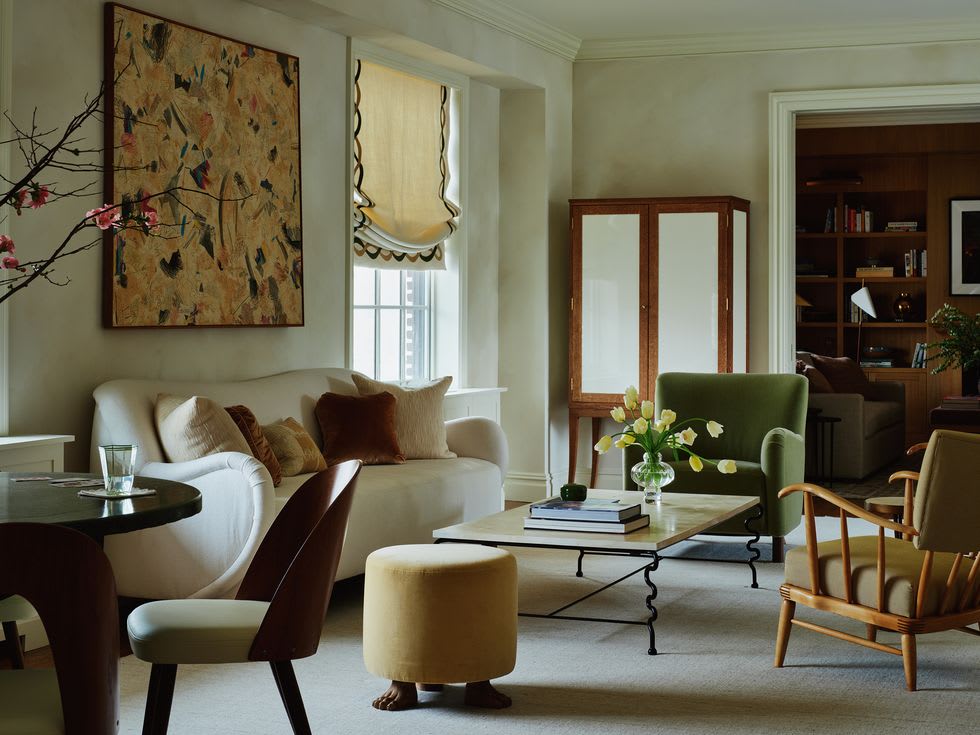
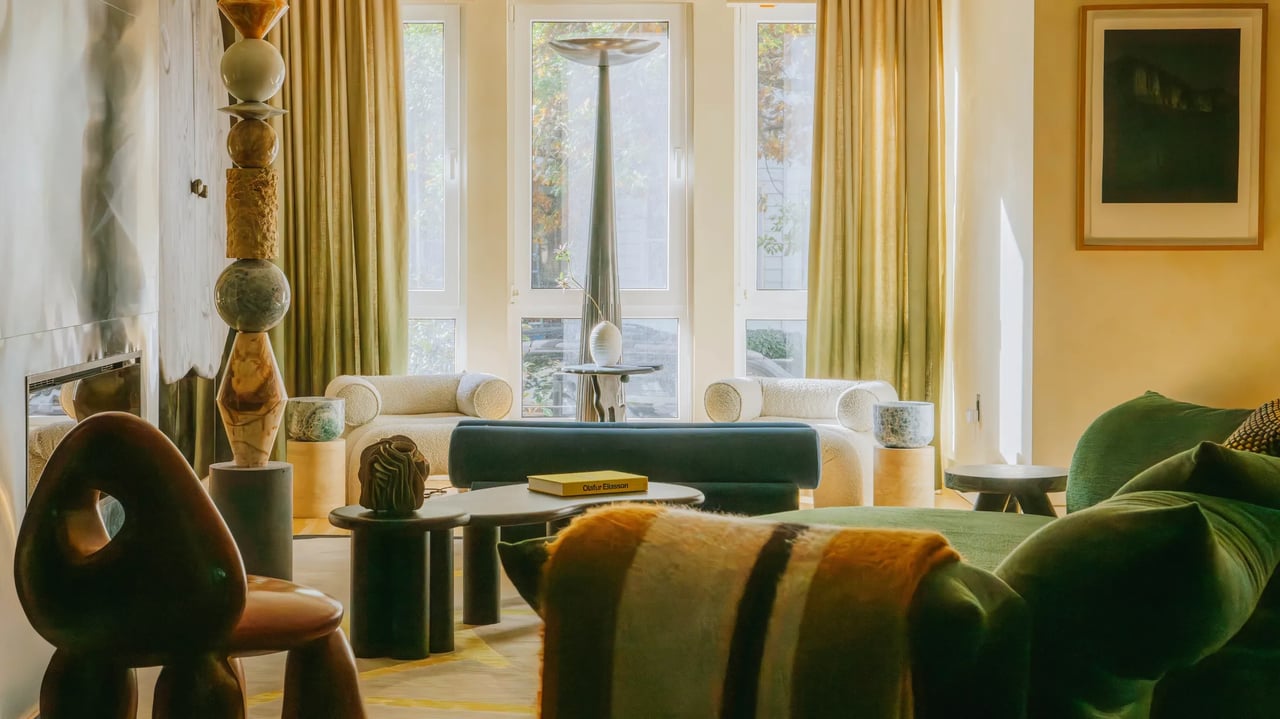
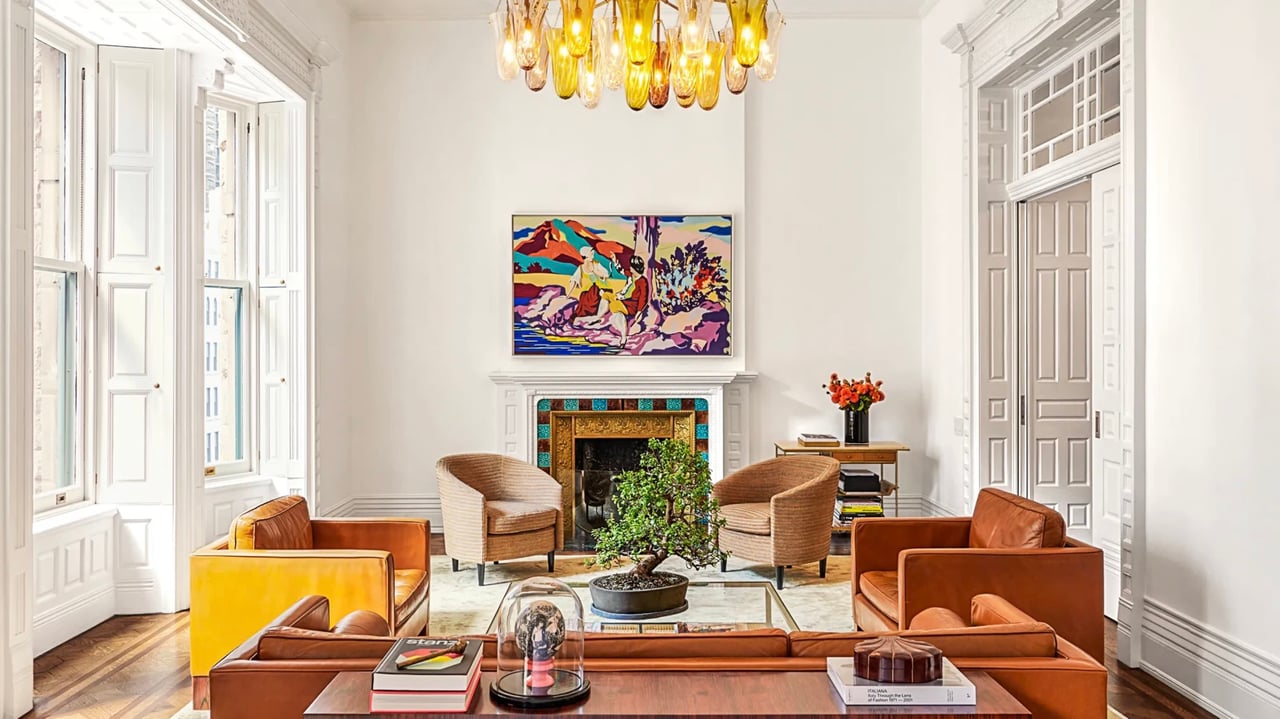
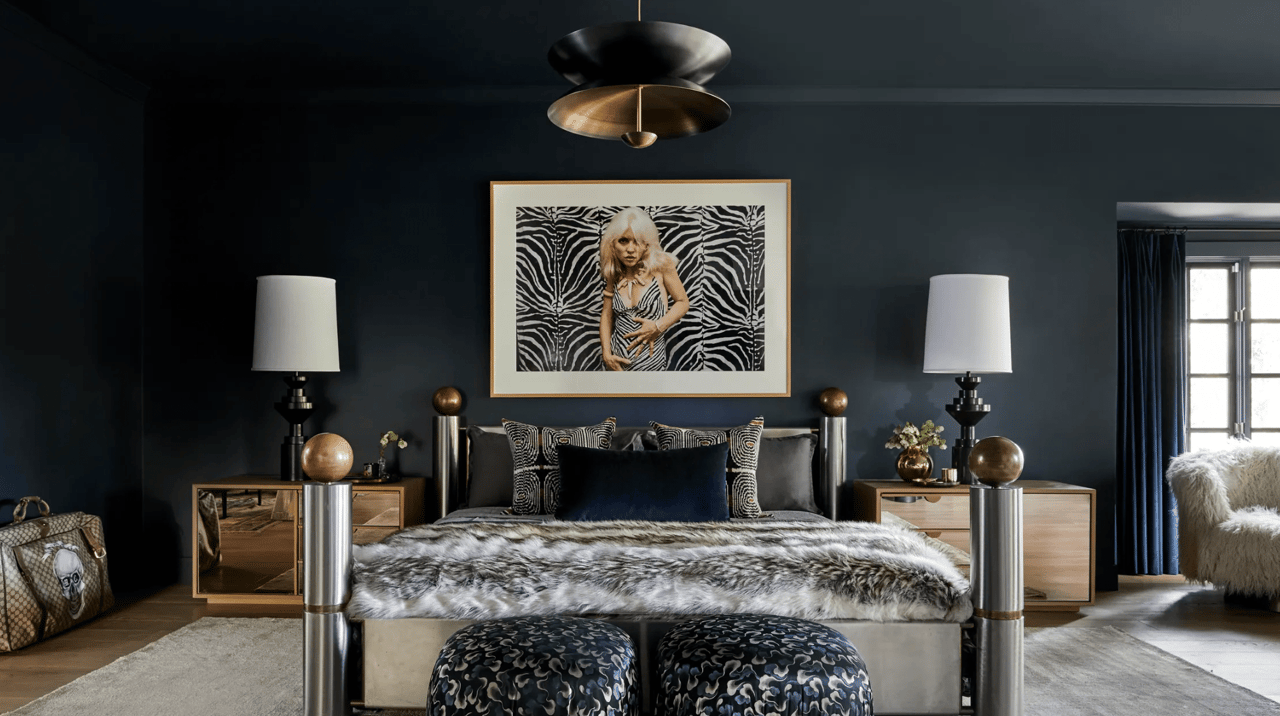
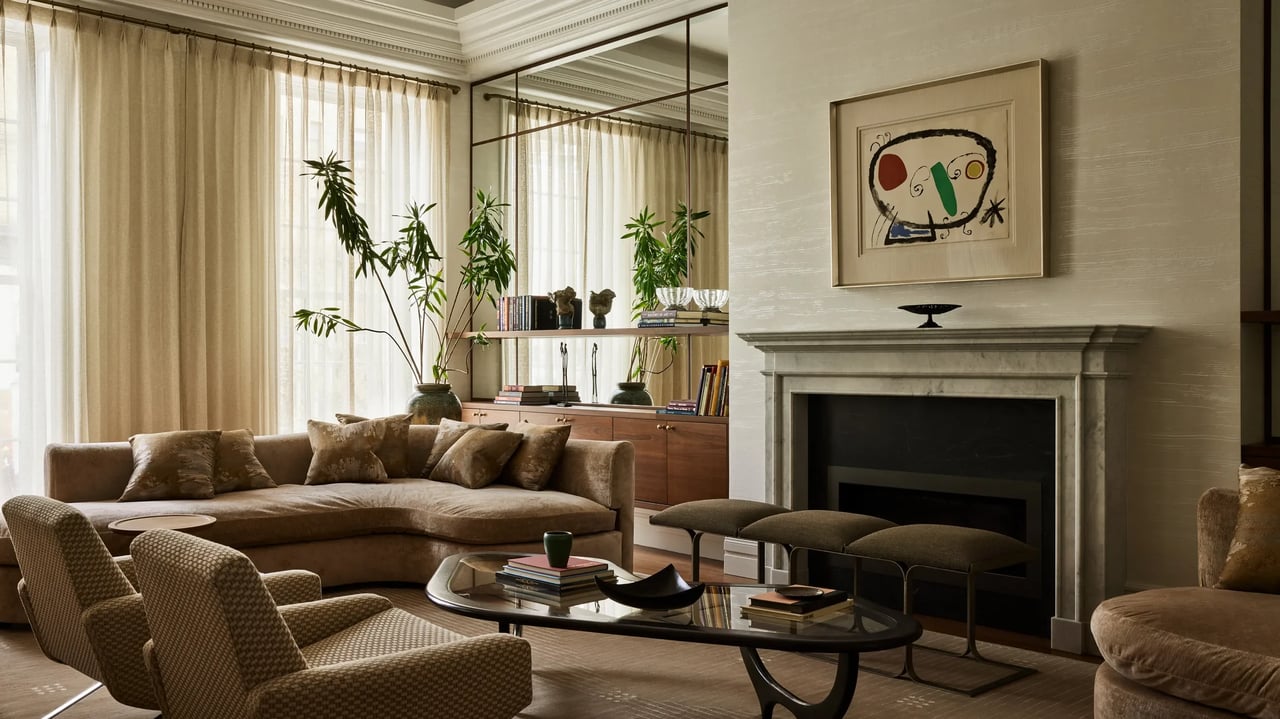
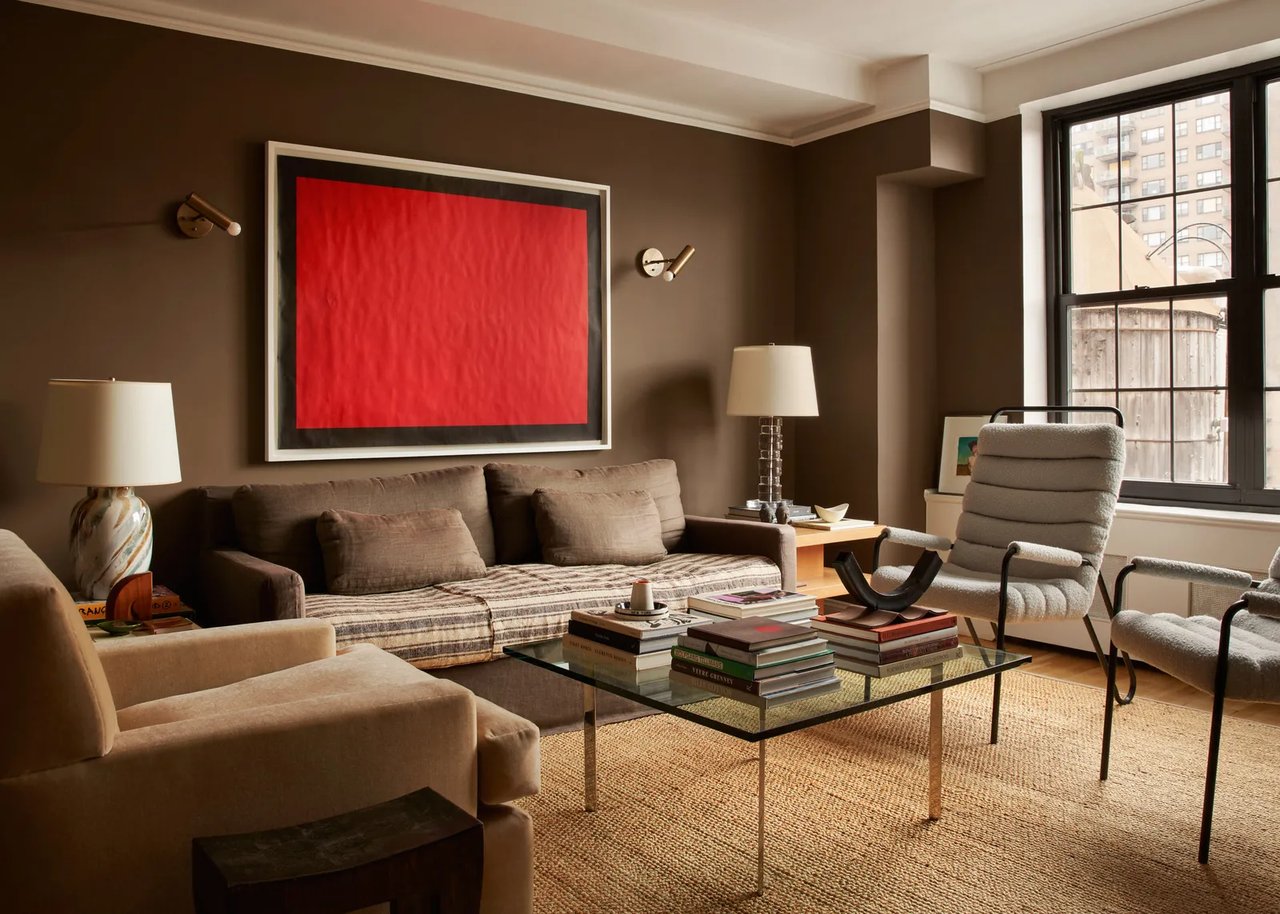
Art Deco living room


How to achieve Art Deco interiors in your house

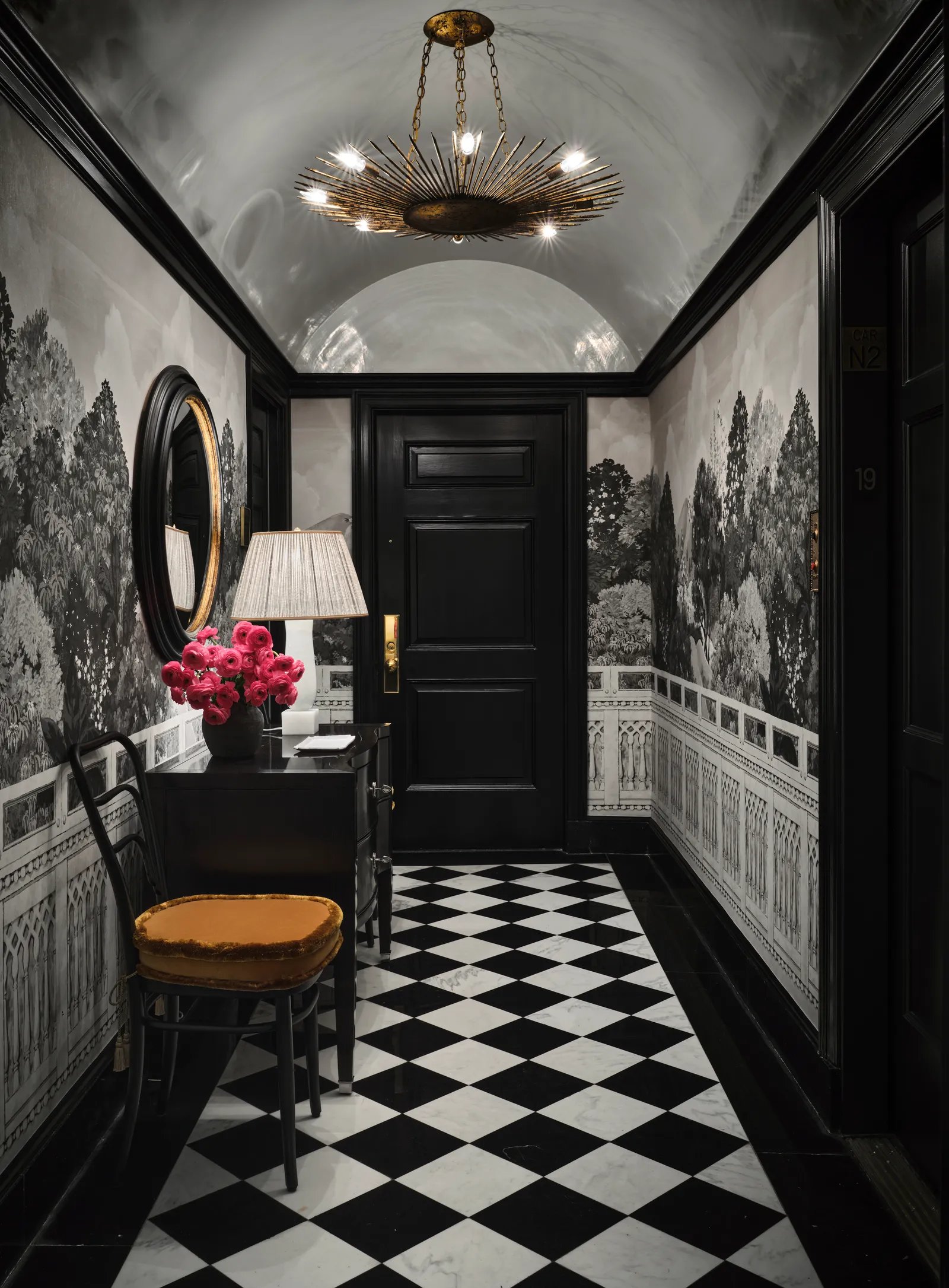
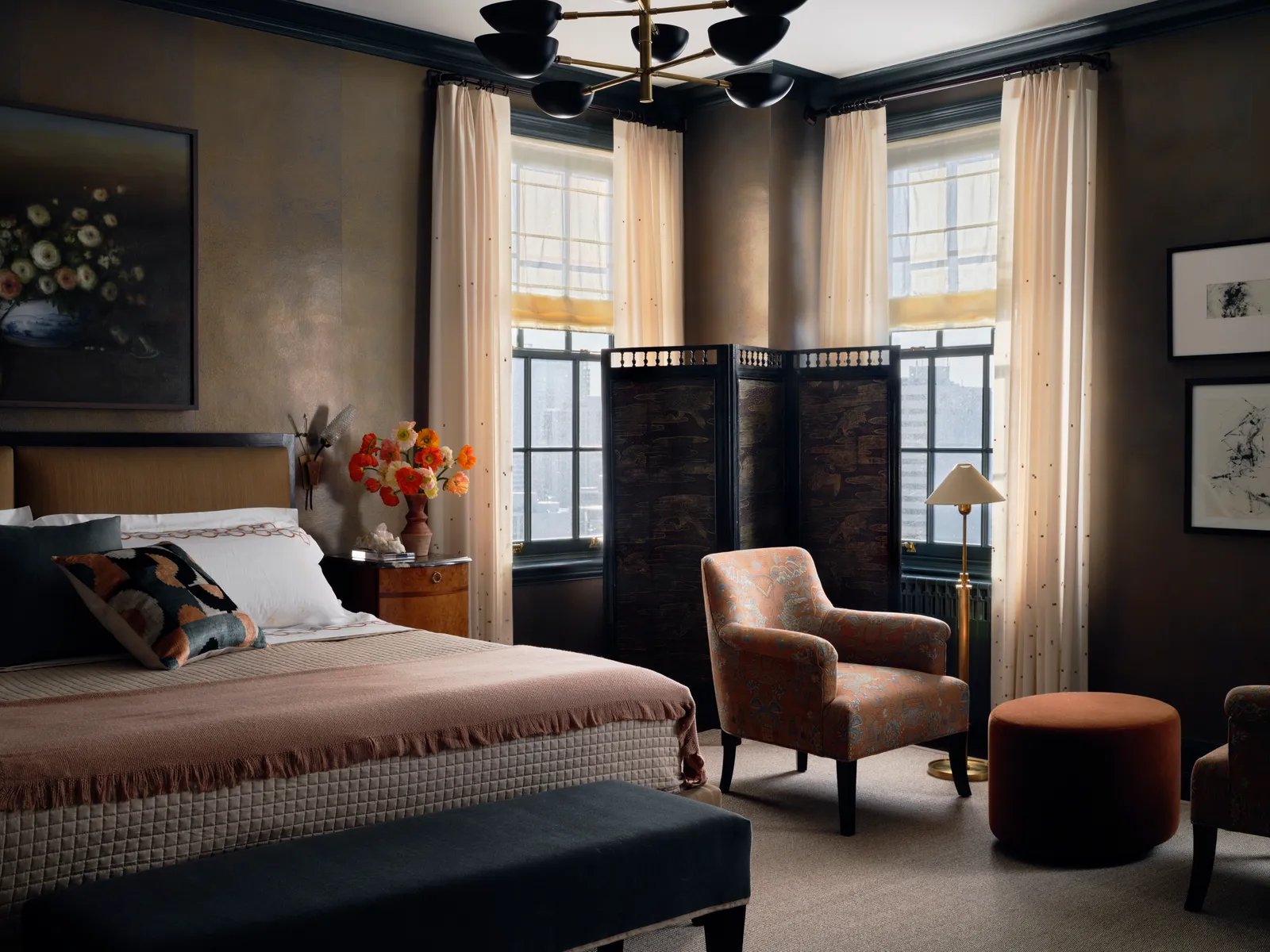
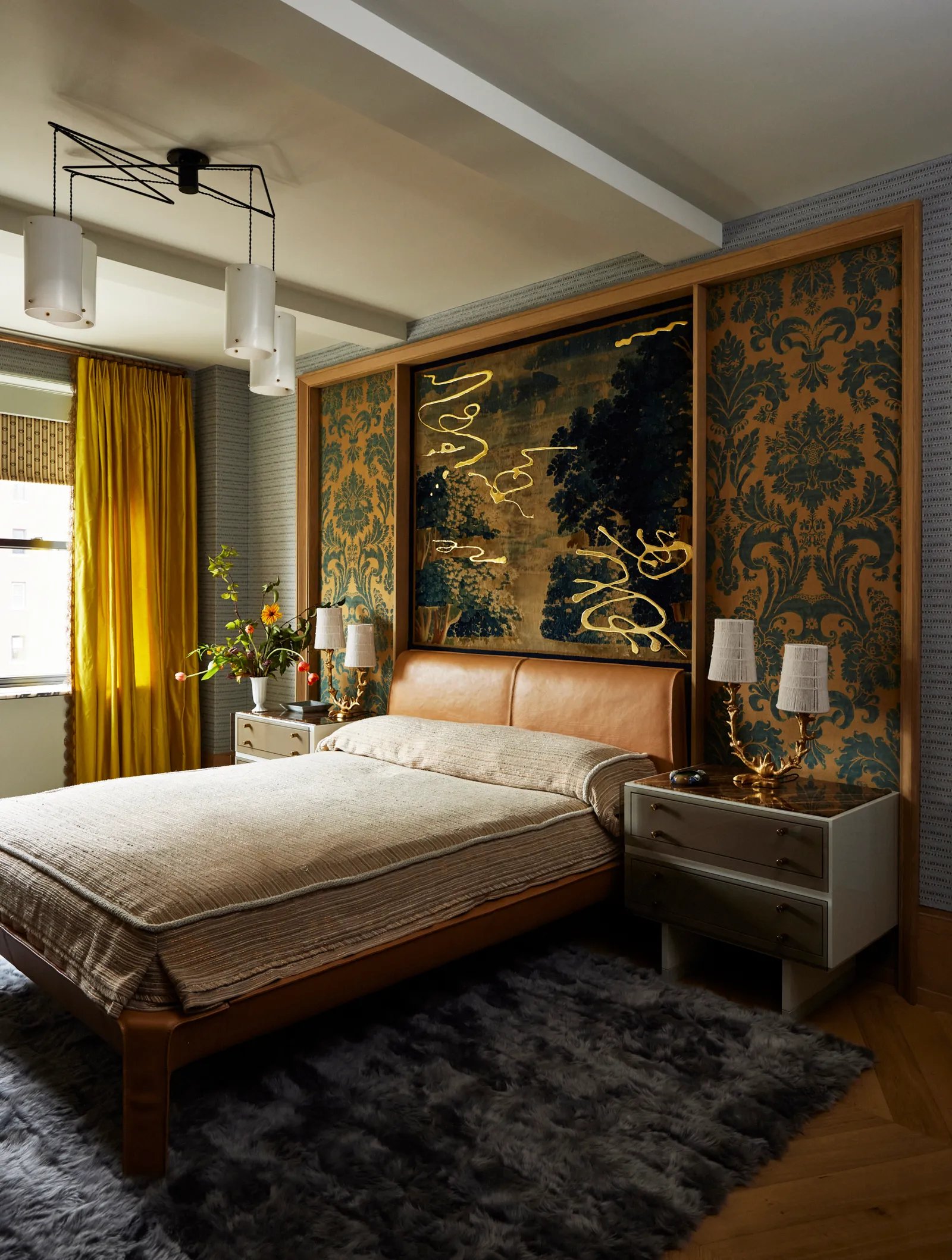
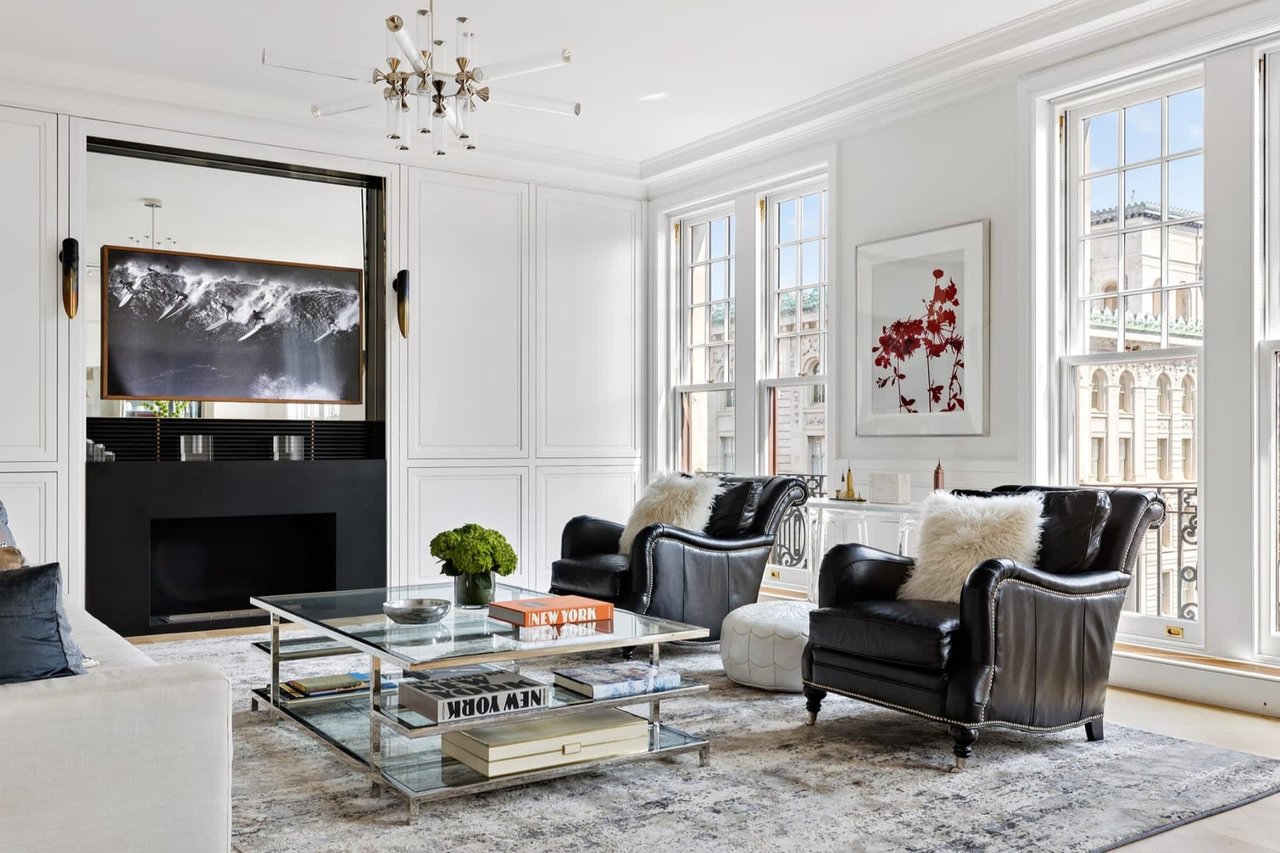
“I wouldn't do a perfectly historical Art Deco room,” Lagrange says. “But I think Art Deco is always in style; you just use bits and pieces.” When it comes to your home design, you don’t have to live in a perfect replica of the Great Gatsby mansion to channel the romance of the Art Deco era; instead, it’s all about embracing the more luxurious, bolder parts of life. Lagrange says she lives in a building from the era, but the apartment itself didn’t particularly match the Art Deco architecture. “I wanted to speak to the architecture of the building, so I did some simple changes,” she says. “I did a black lacquer on all the doors, I changed the hardware, I restored the terrazzo floor, and I got rid of a lot of the downlighting, because you wouldn’t have seen as much downlighting at the time.”


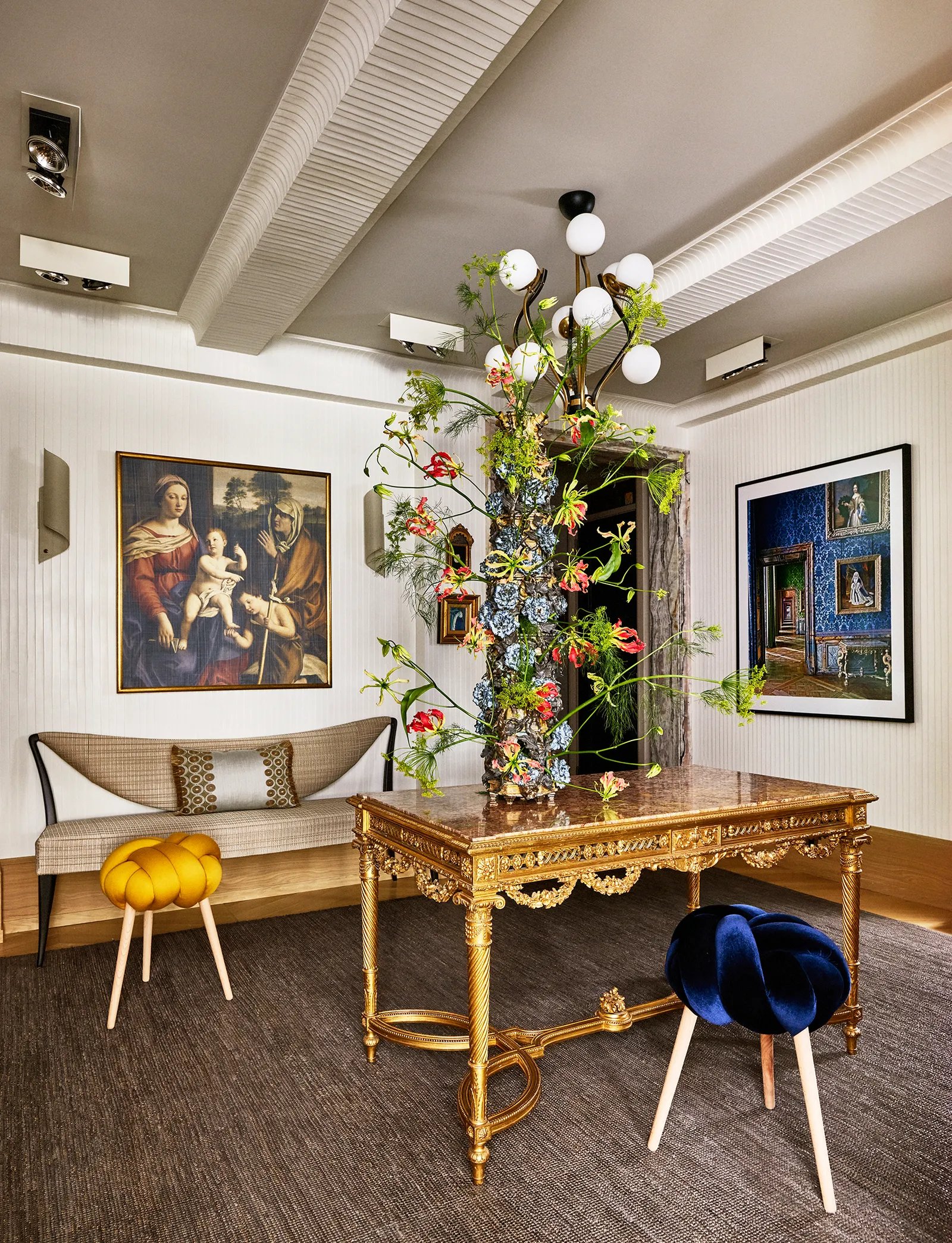
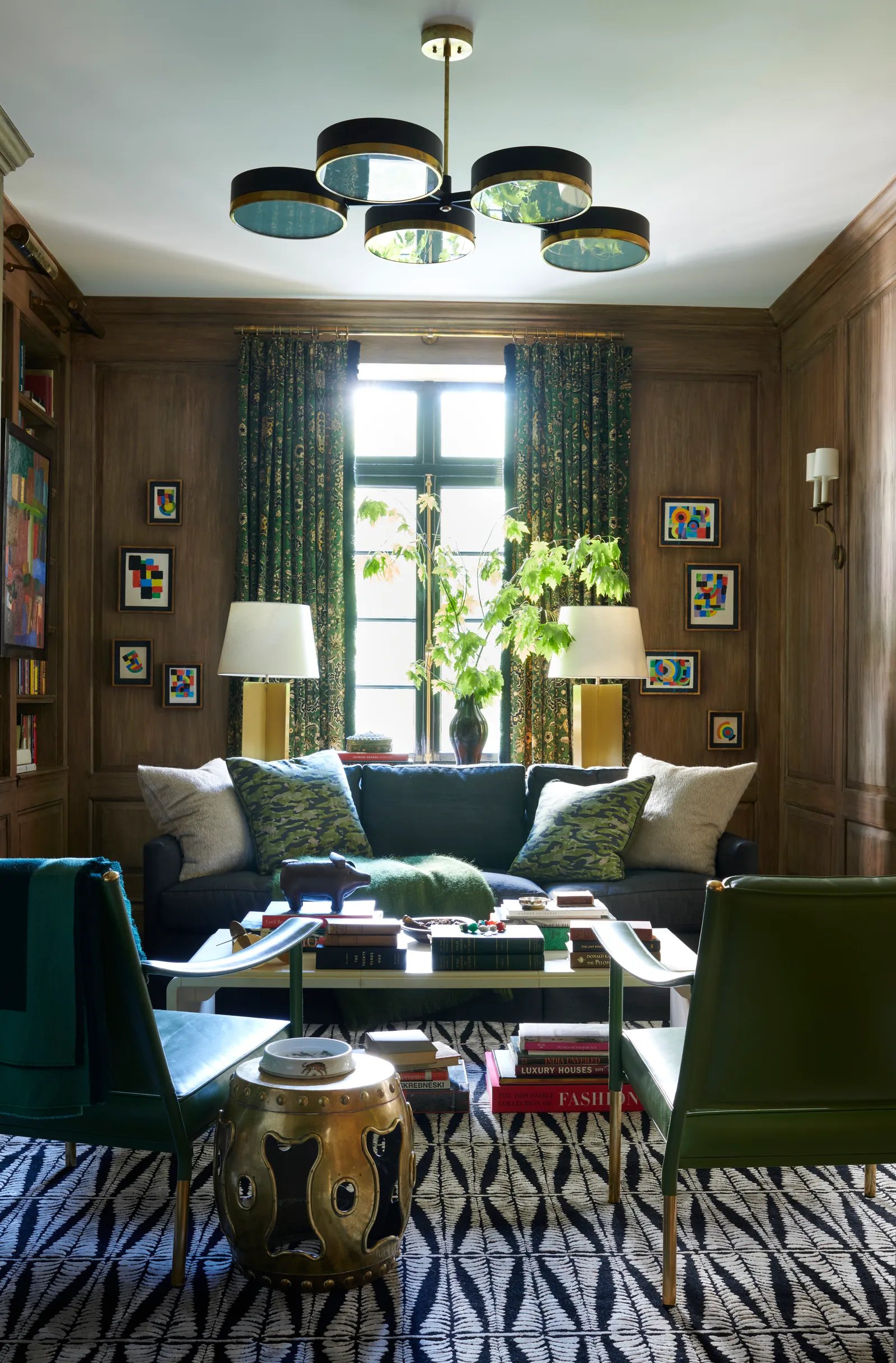
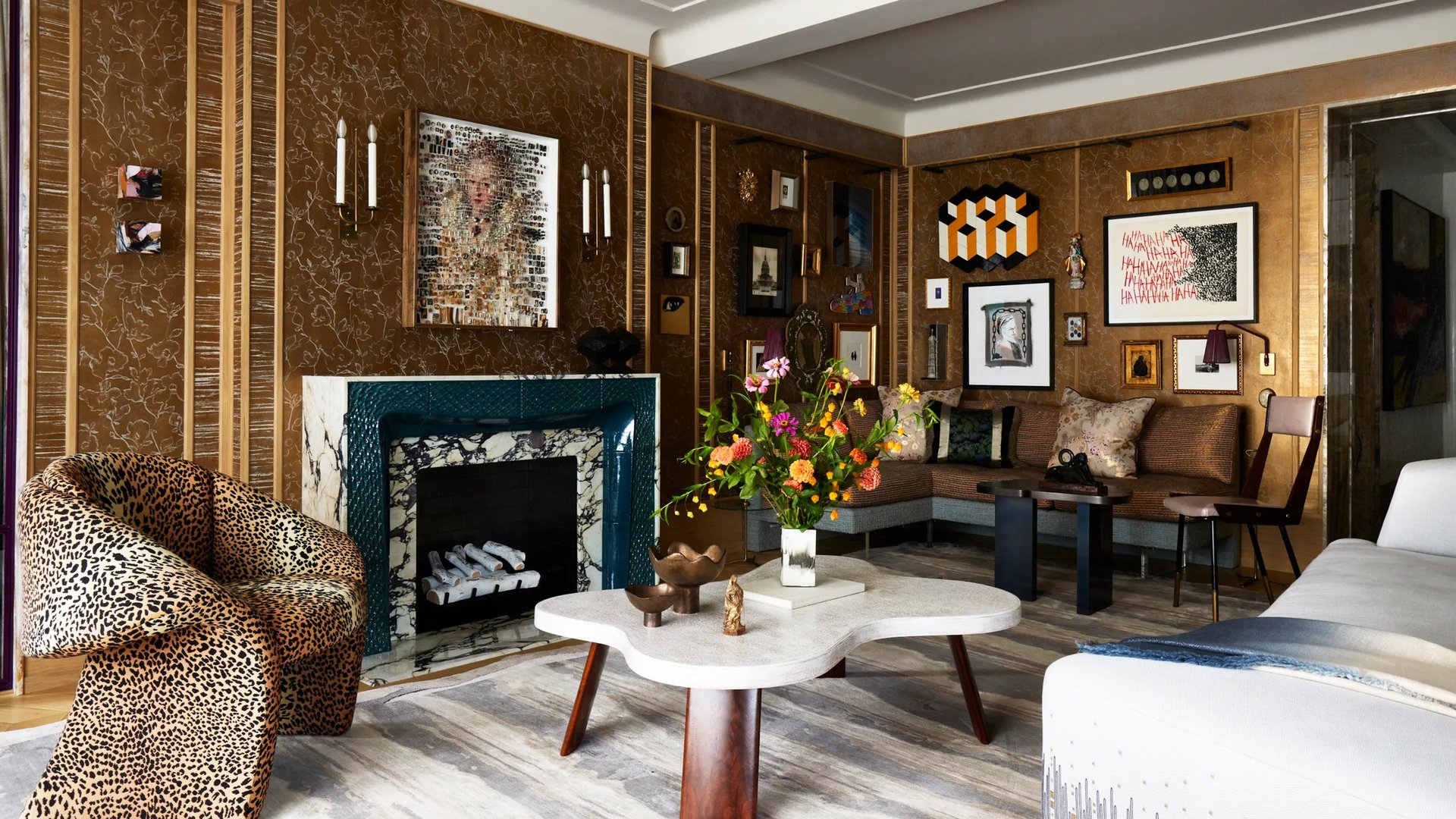
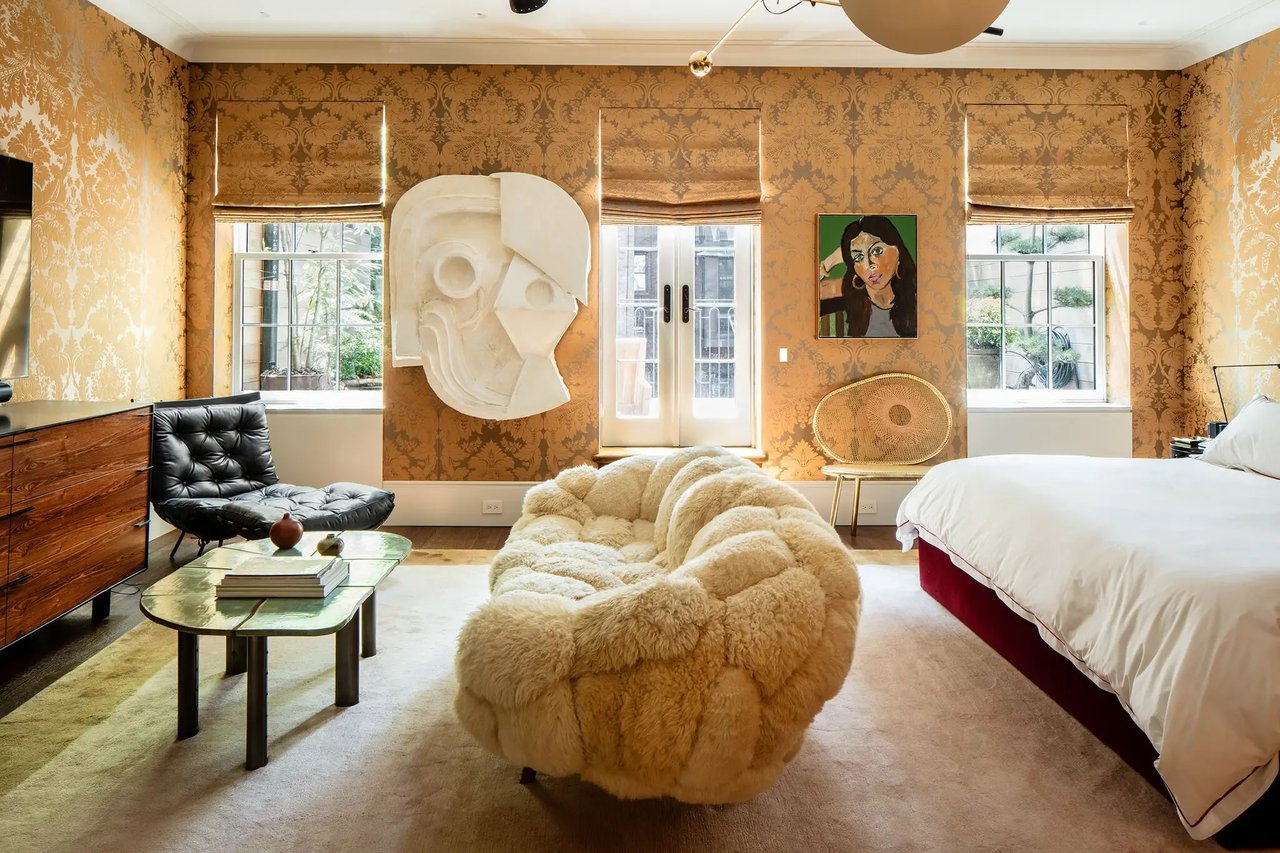
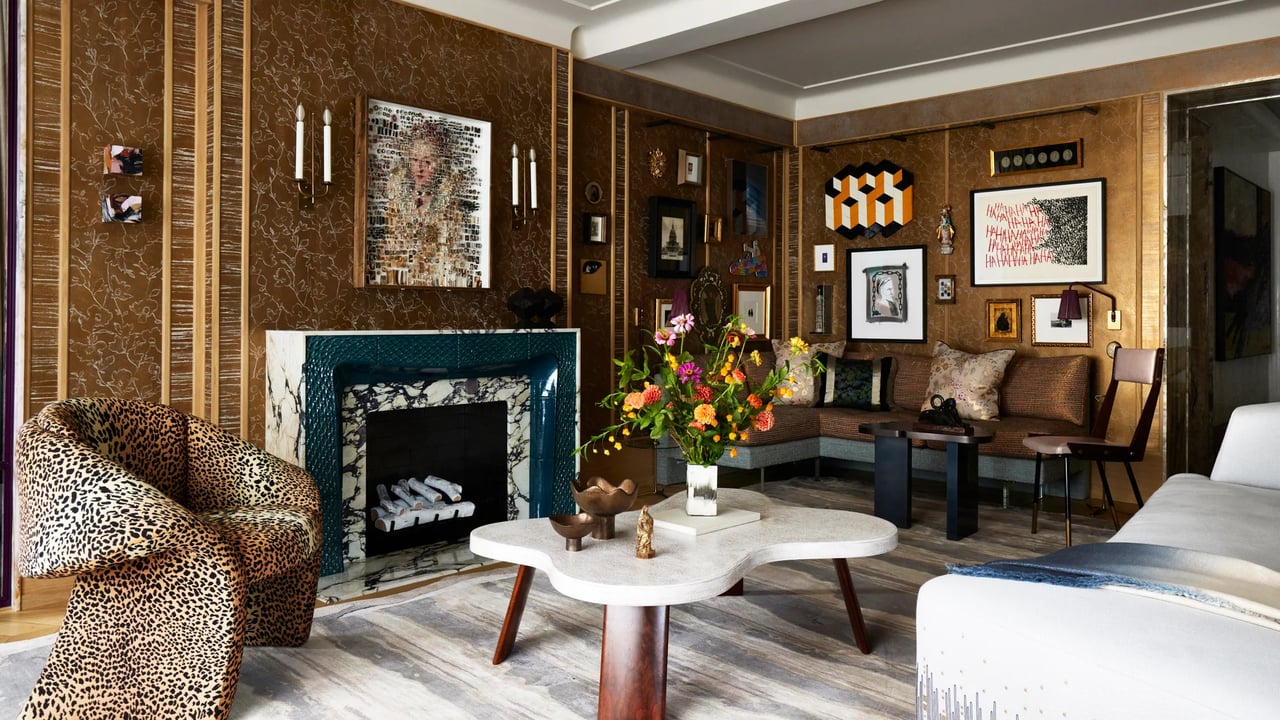
Moon says opting for a bit of eclecticism is another way to infuse Art Deco decor into your home. “It’s really great to mix in things that make you feel well traveled and worldly,” he says, “and I think that that’s very much an Art Deco style.” Case in point: The marble fireplace in his home has custom, Art Deco inspired molding, rendered in bold turquoise snakeskin. Other ways to channel the aesthetic include embracing more vertical space, as skyscrapers were an important part of the Art Deco era. Further, vertical space is often viewed as an antithesis to Frank Lloyd Wright’s prairie style, as well as similar movements that predated Art Deco and embraced horizontal space. “That would definitely be a nod to Deco,” Moon says. Of course, adding a rich material palette, geometric motifs, and a little glam will always go a long way in embracing a modern Art Deco look.


One way to bring Art Deco style to your home is to fill it with antiques or new items inspired by the period. Tastemaker Athena Calderone hung a 1930s mirror above the sink in her guest bath, and installed Art Deco sconces by Max Le Verrier in her kitchen.

You could also lean into rich woods, as luxe marquetry is a hallmark of the period, alongside geometric shapes, sleek lines and rich fabrics.

What design styles work well with Art Deco?

Many design styles play well with Art Deco; more traditional pieces add sophisticated contrast, while the clean lines of midcentury modern or Bauhaus design complement sleek Art Deco decor. With its mirrored finishes and emphasis on luxe materials and glamorous styles, Hollywood Regency is a natural pairing with Art Deco, too. Whatever your style, a little bit of Art Deco glam is seldom unwelcome.


(Architectural Digest 2026)


Work With Us

Our passionate, expert agents have decades of collective experience and come from a diverse array of professional and cultural backgrounds. We understand every real estate decision is as individual as it is important. No matter who you are or what your goals are, The Stanton Hoch Team is here for you.

Follow Us