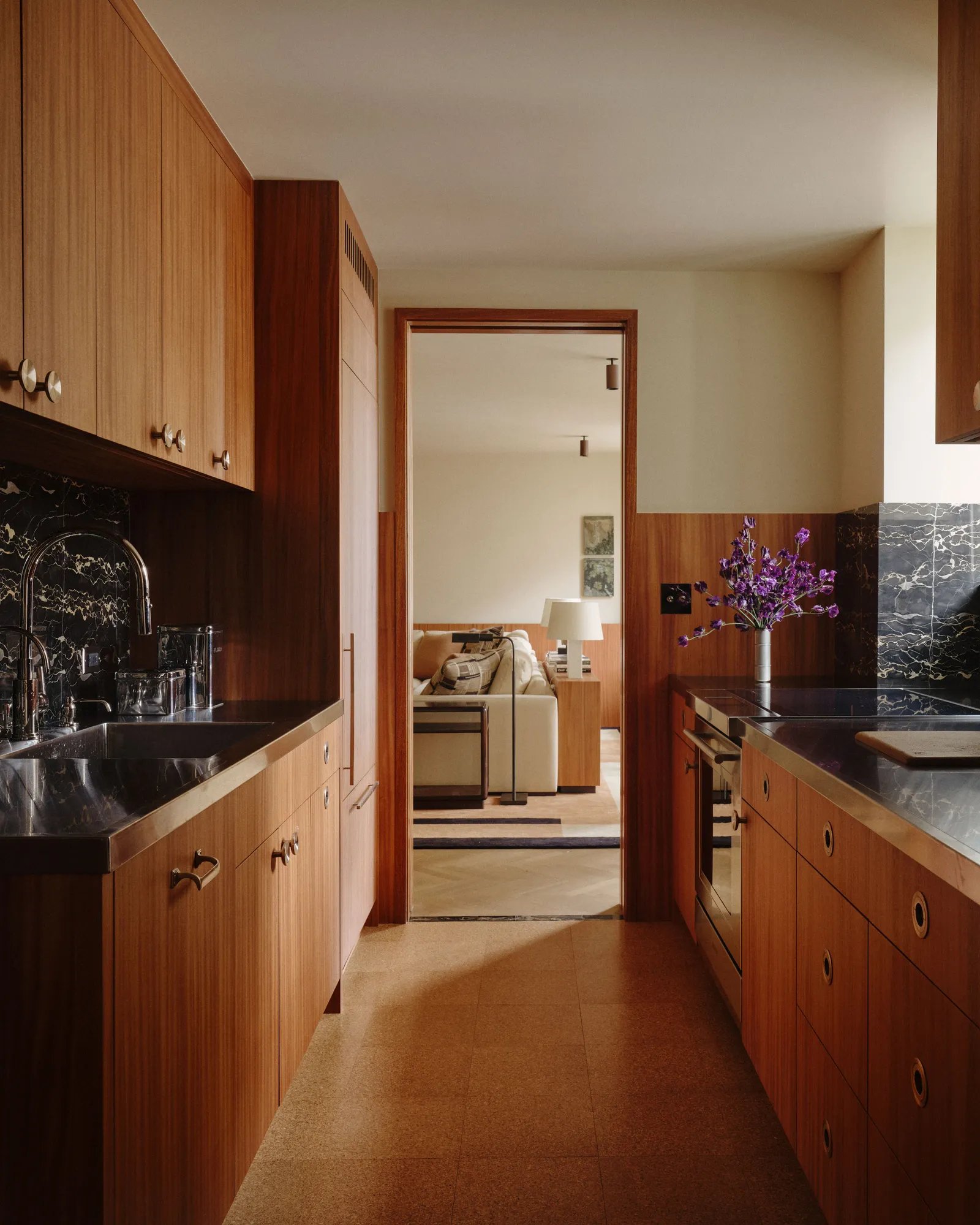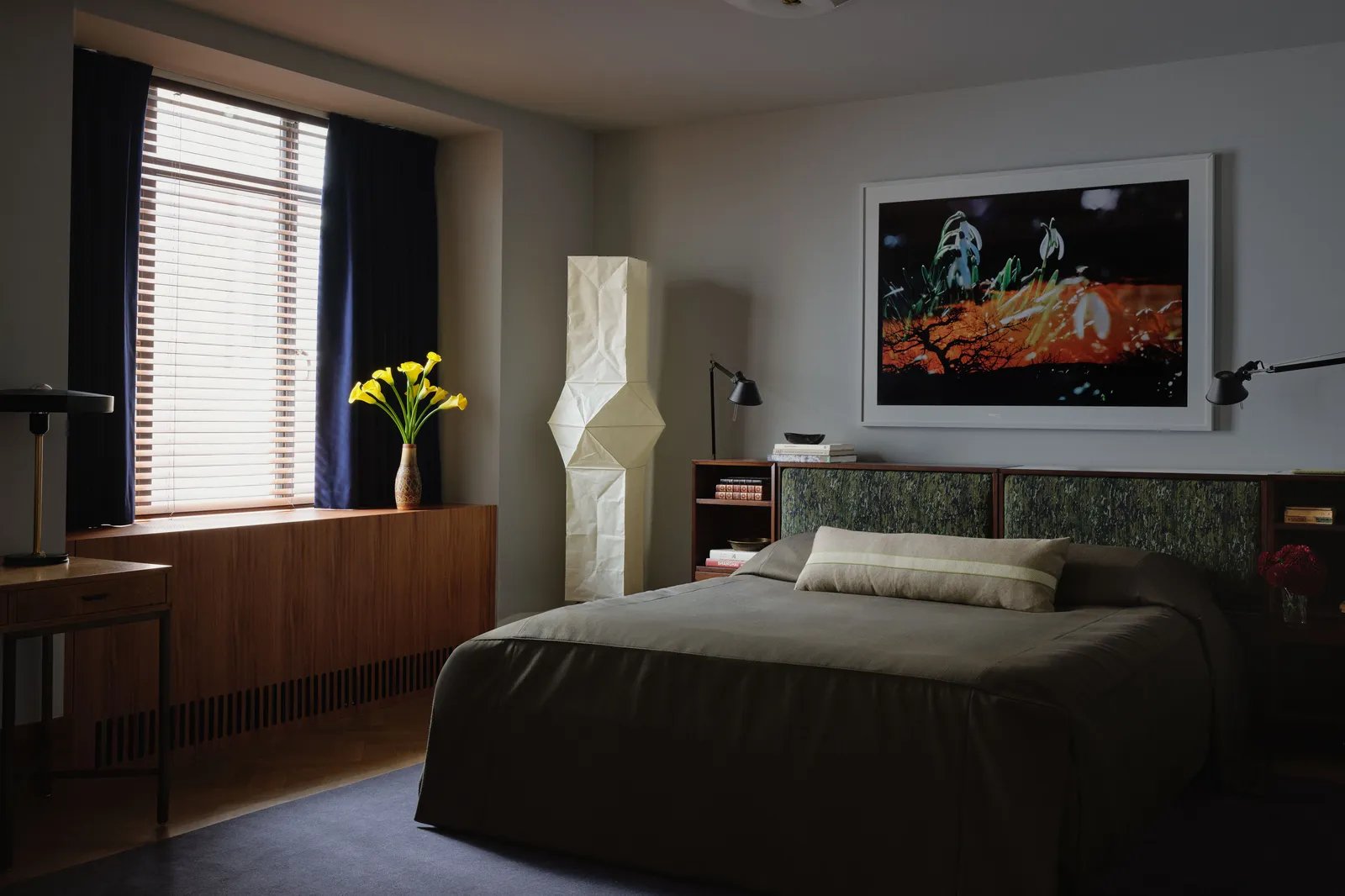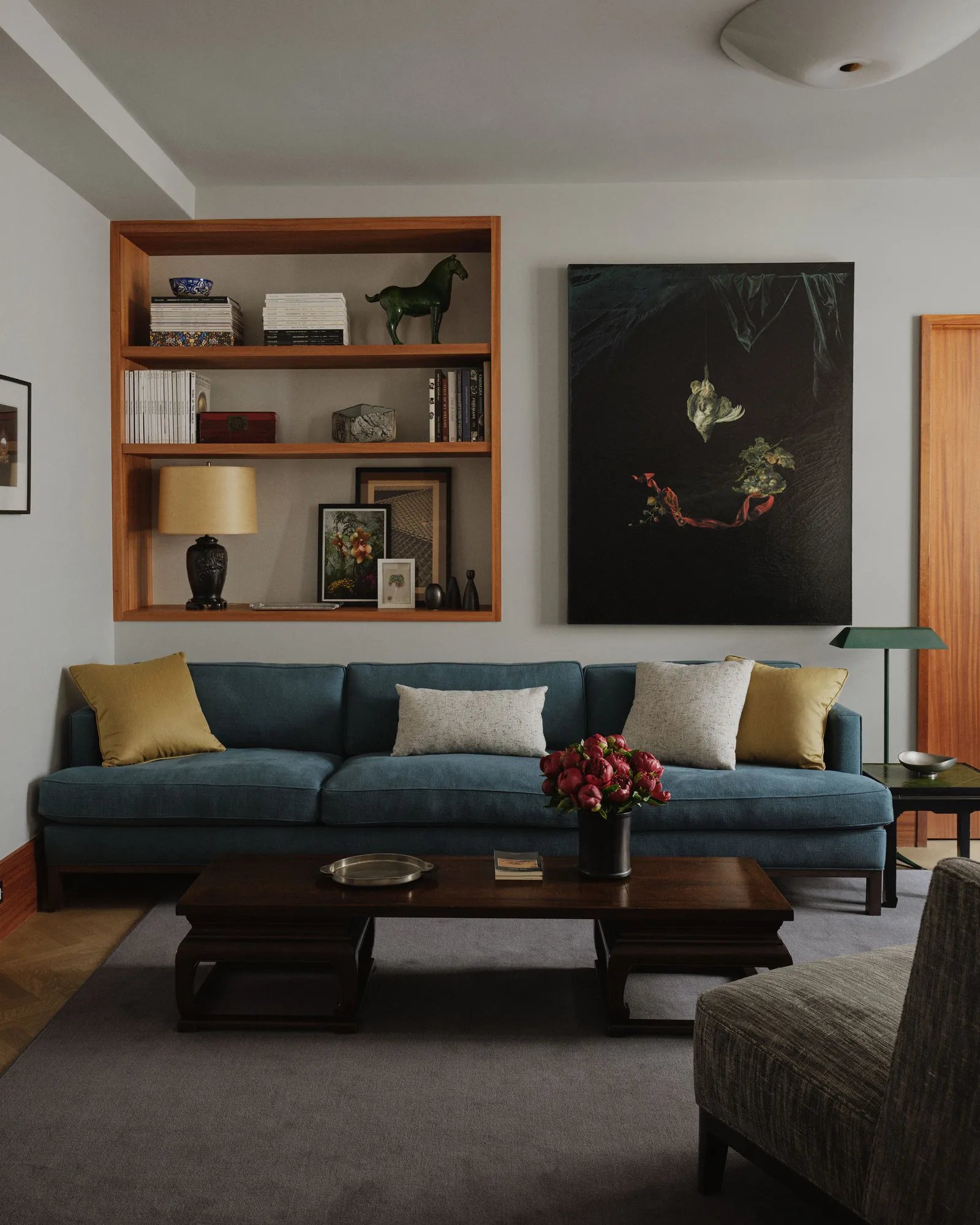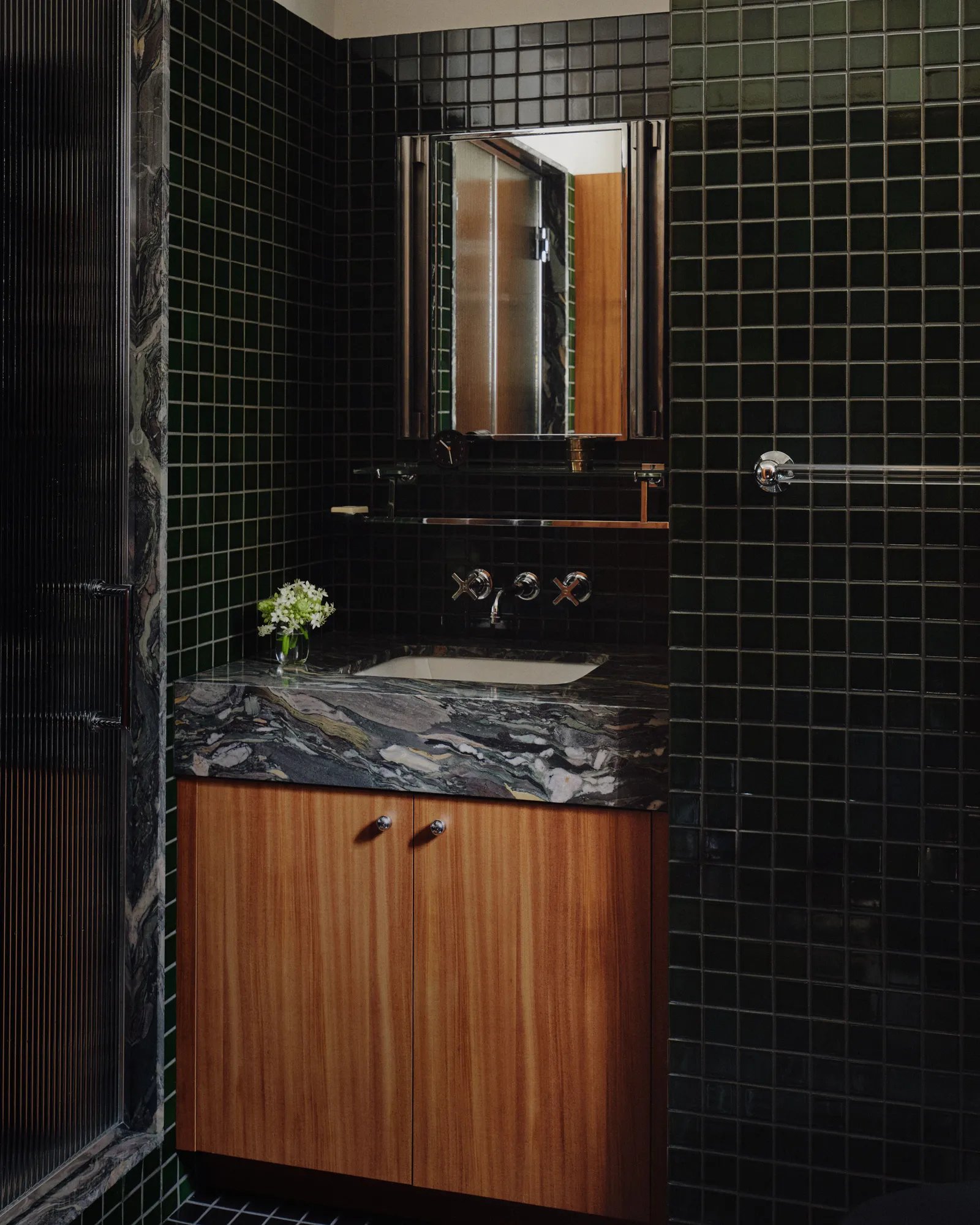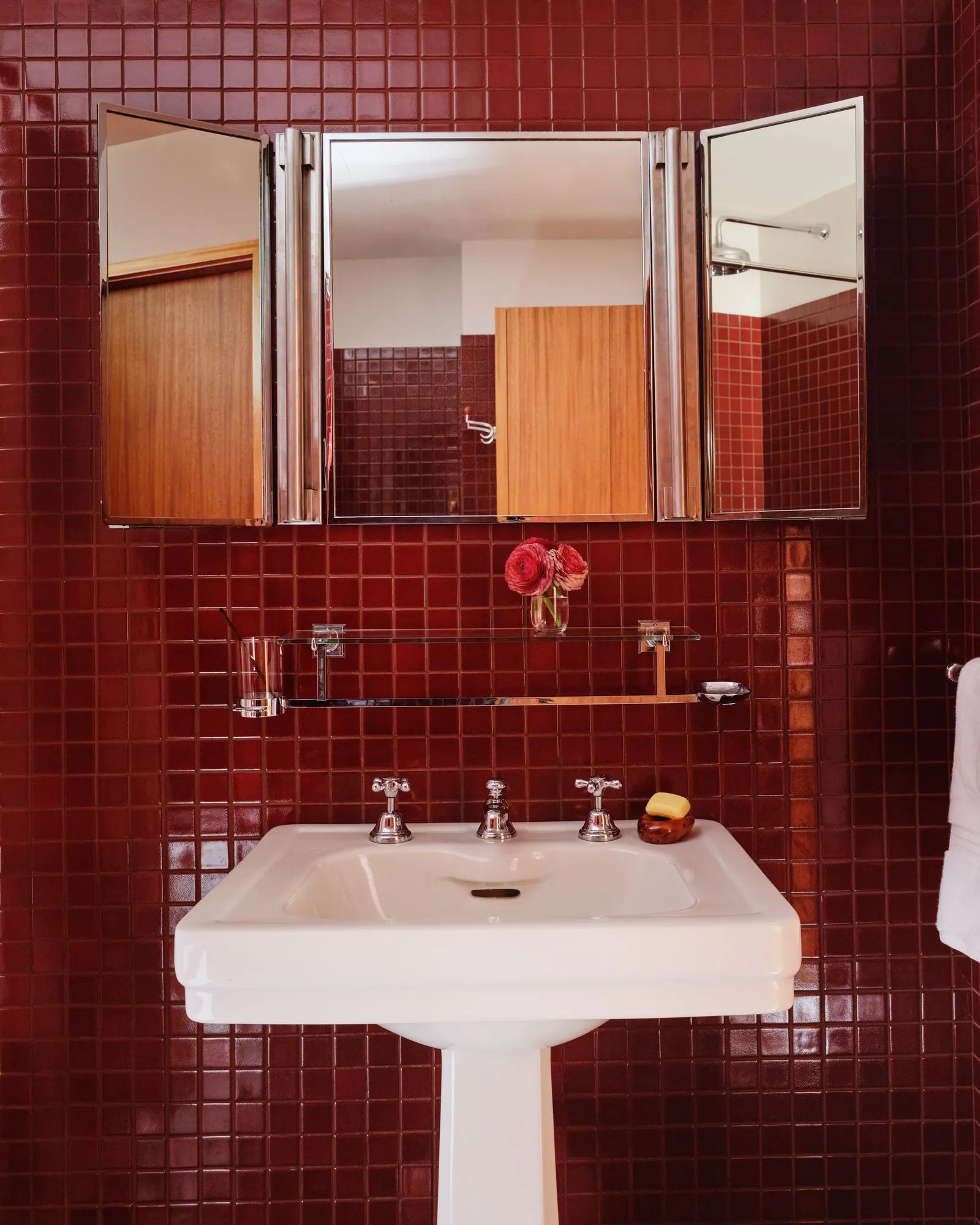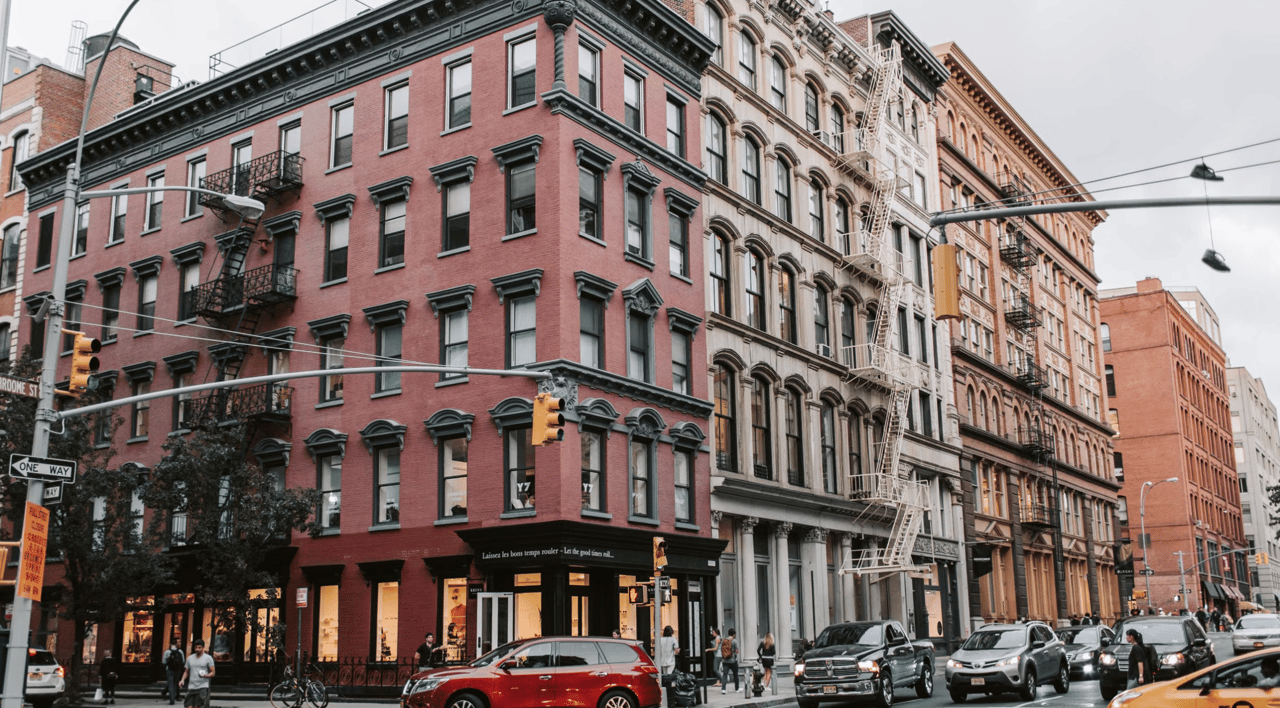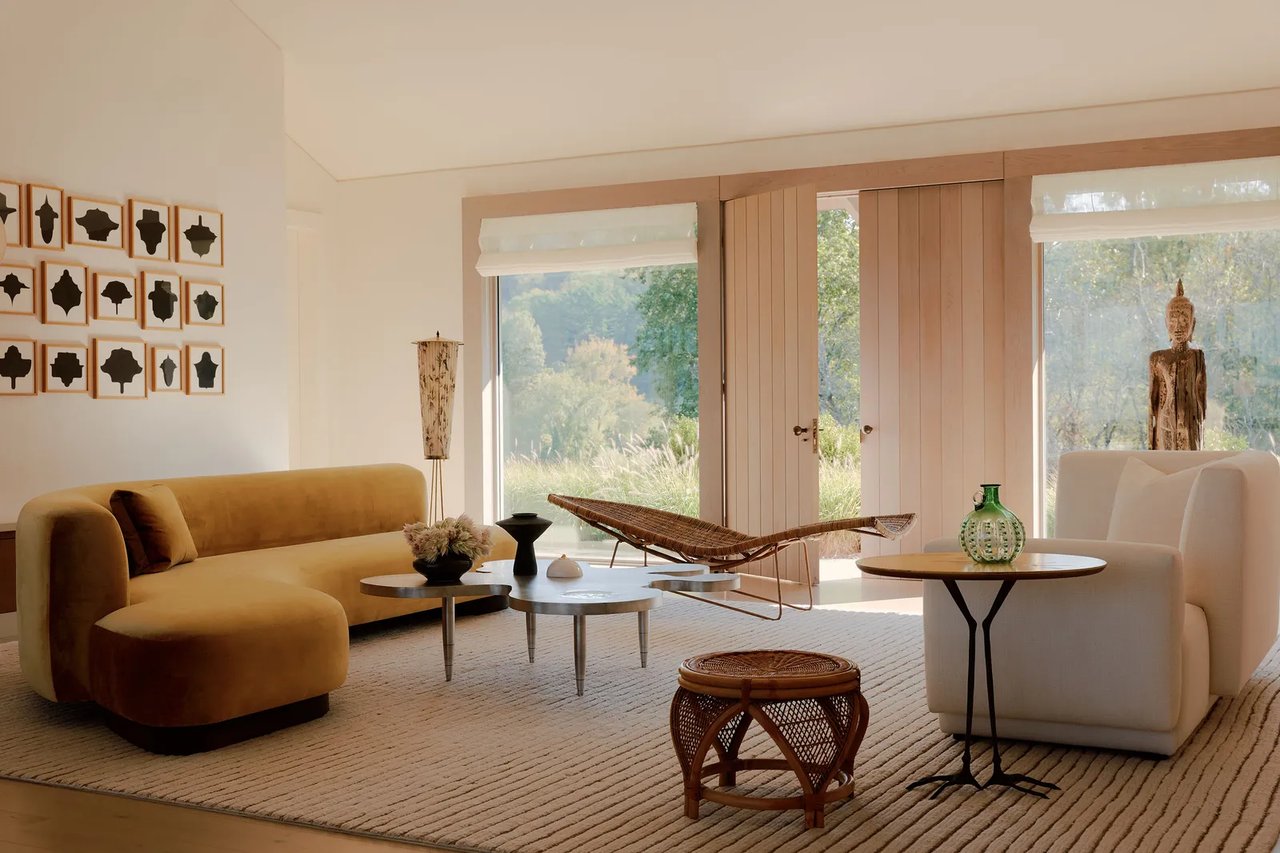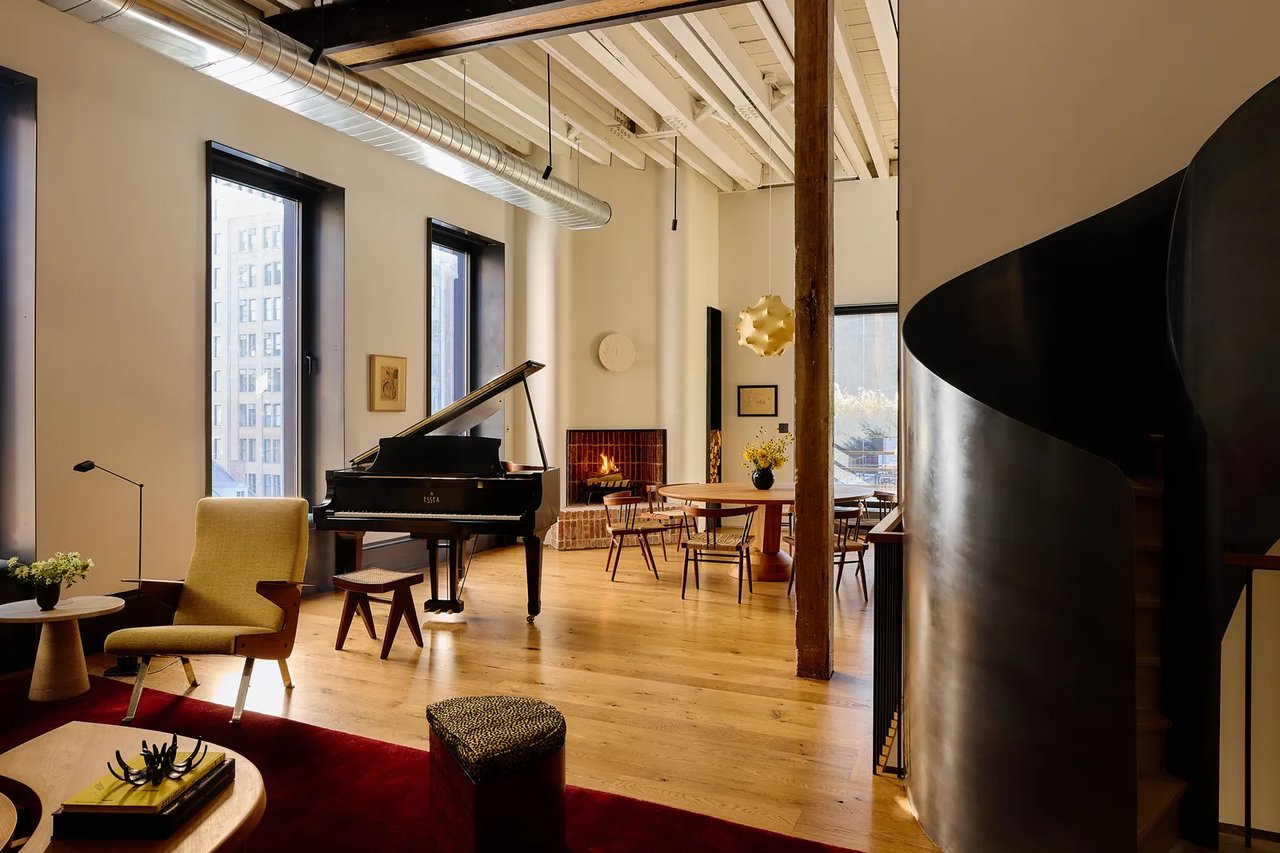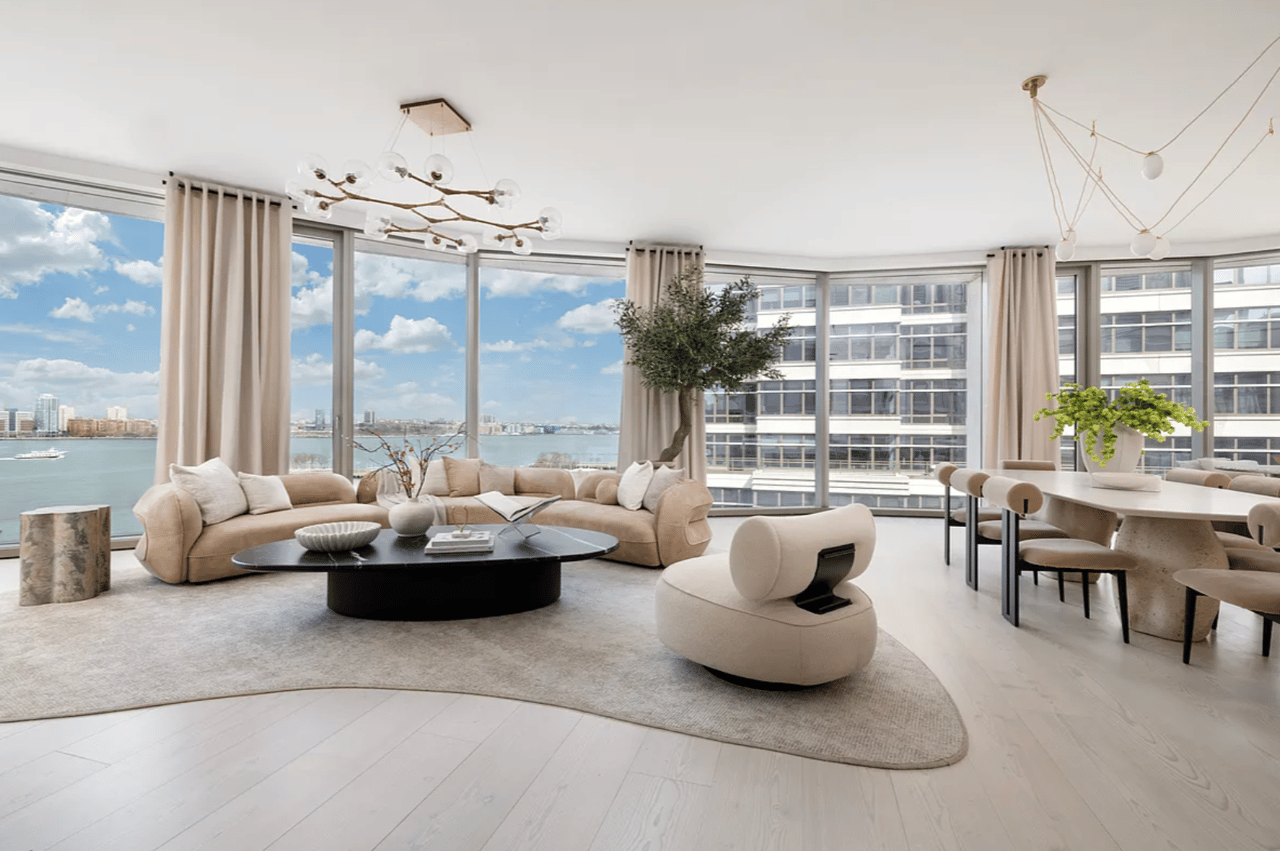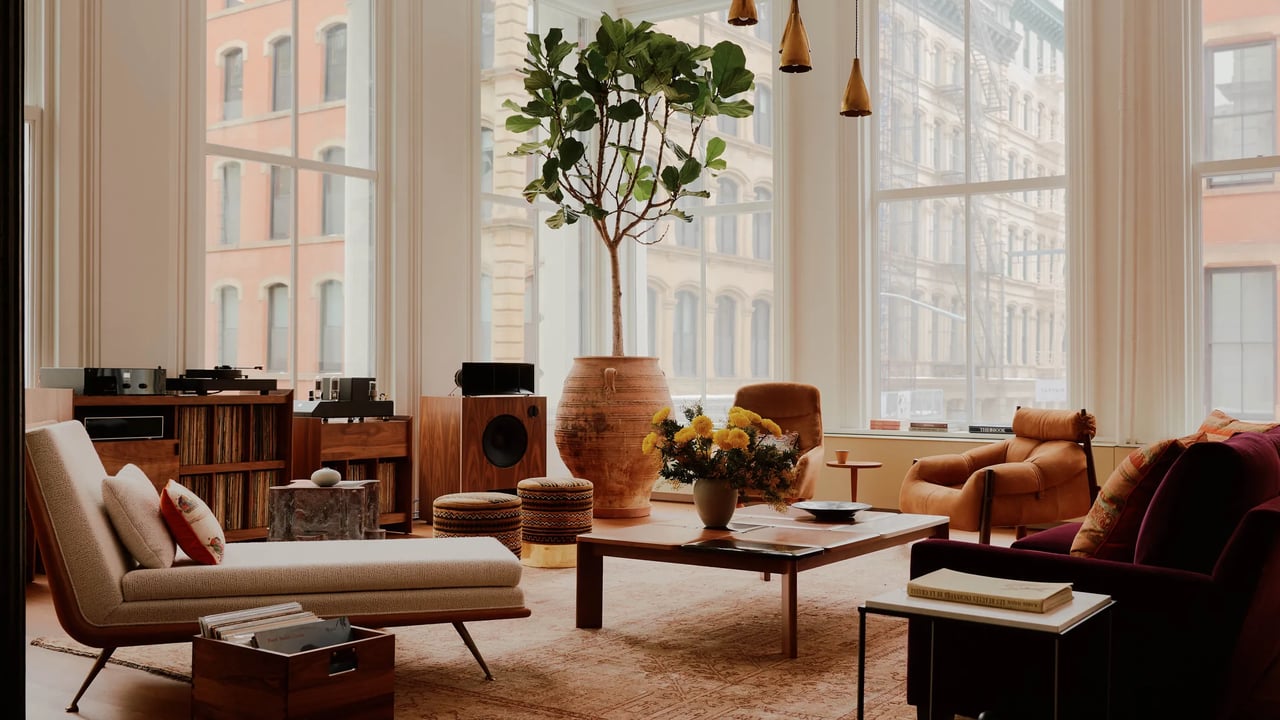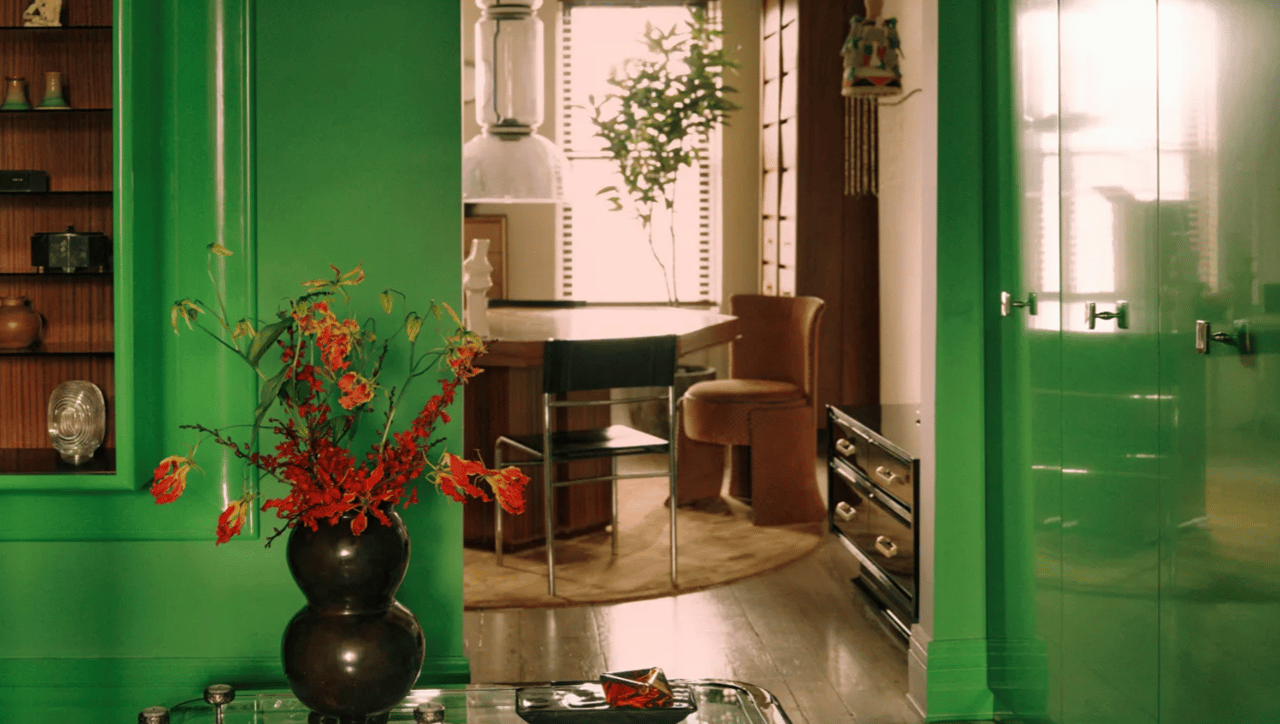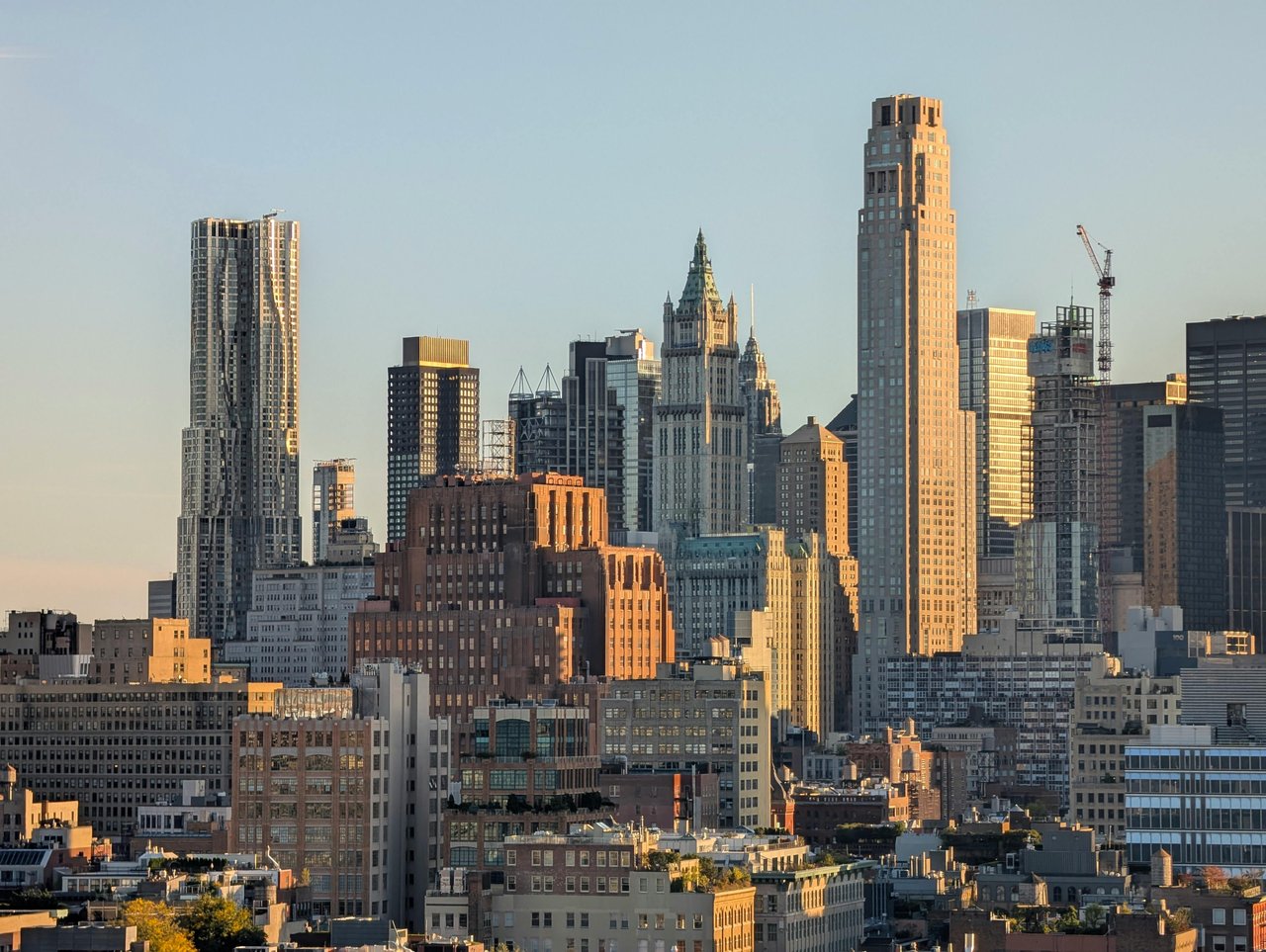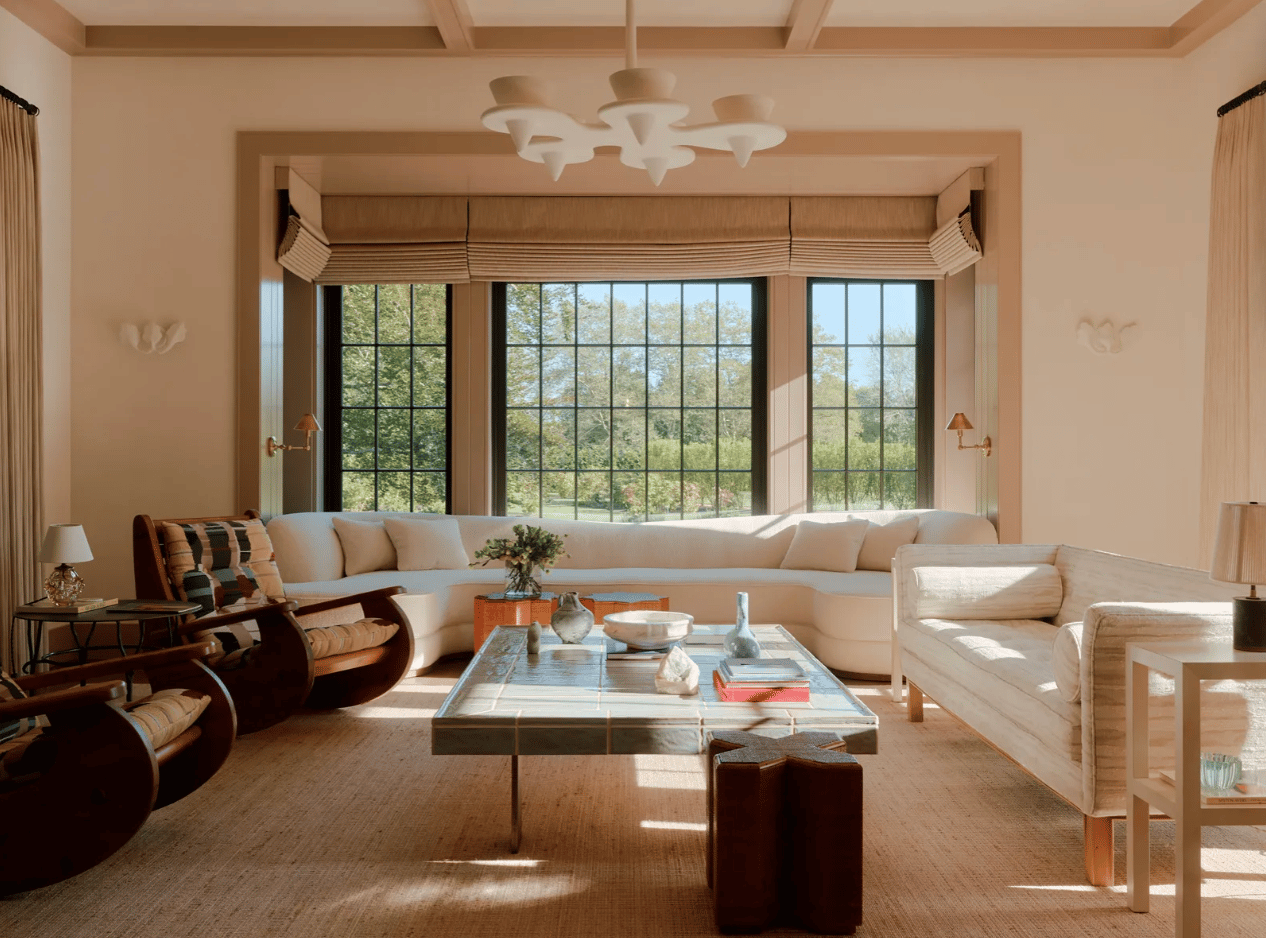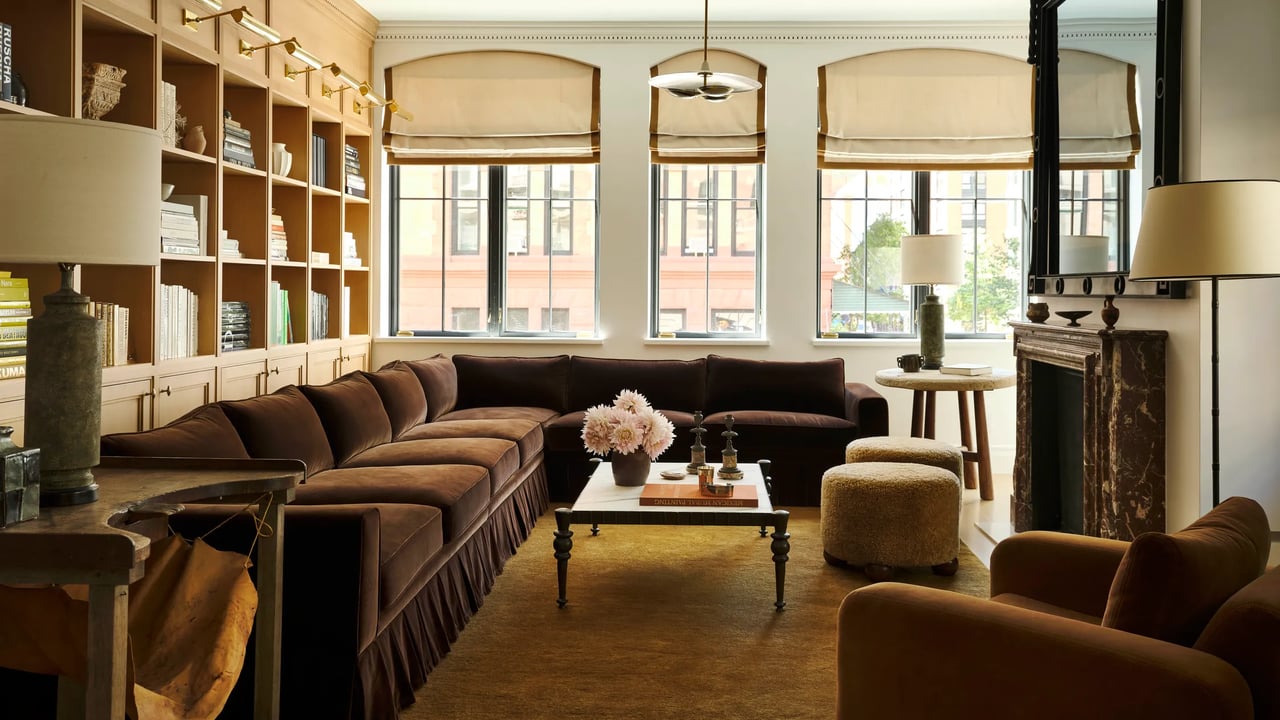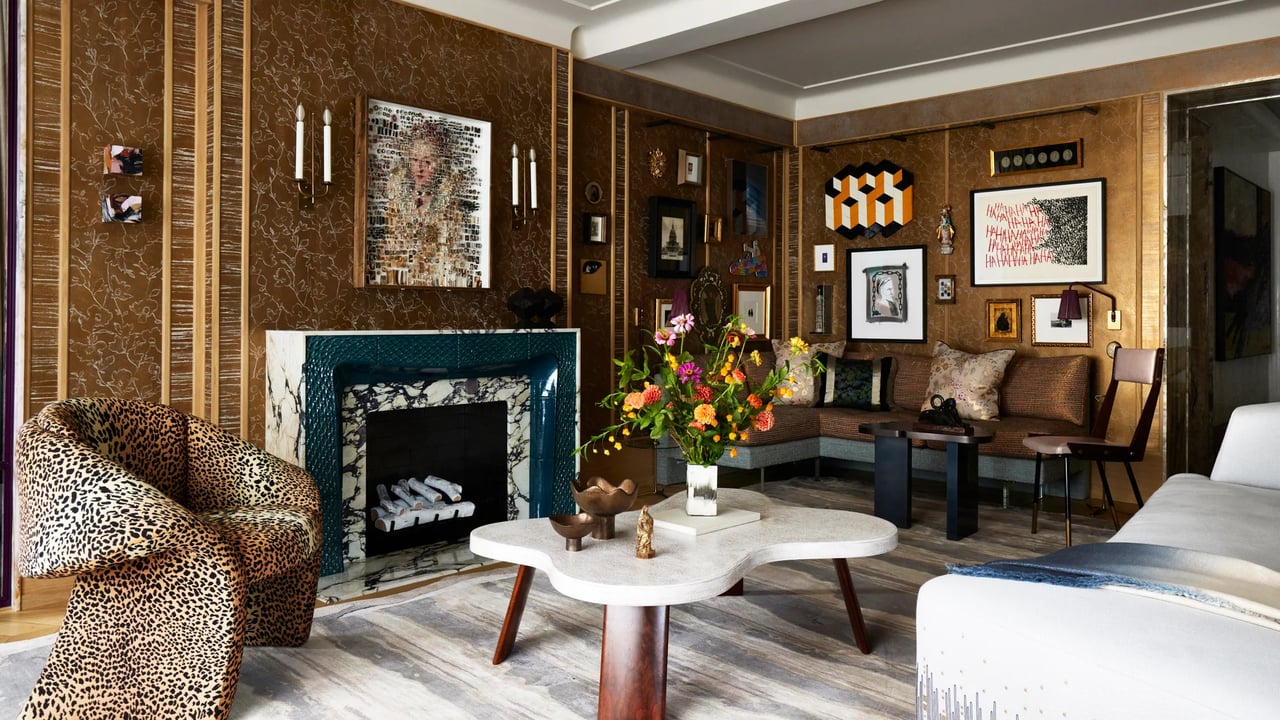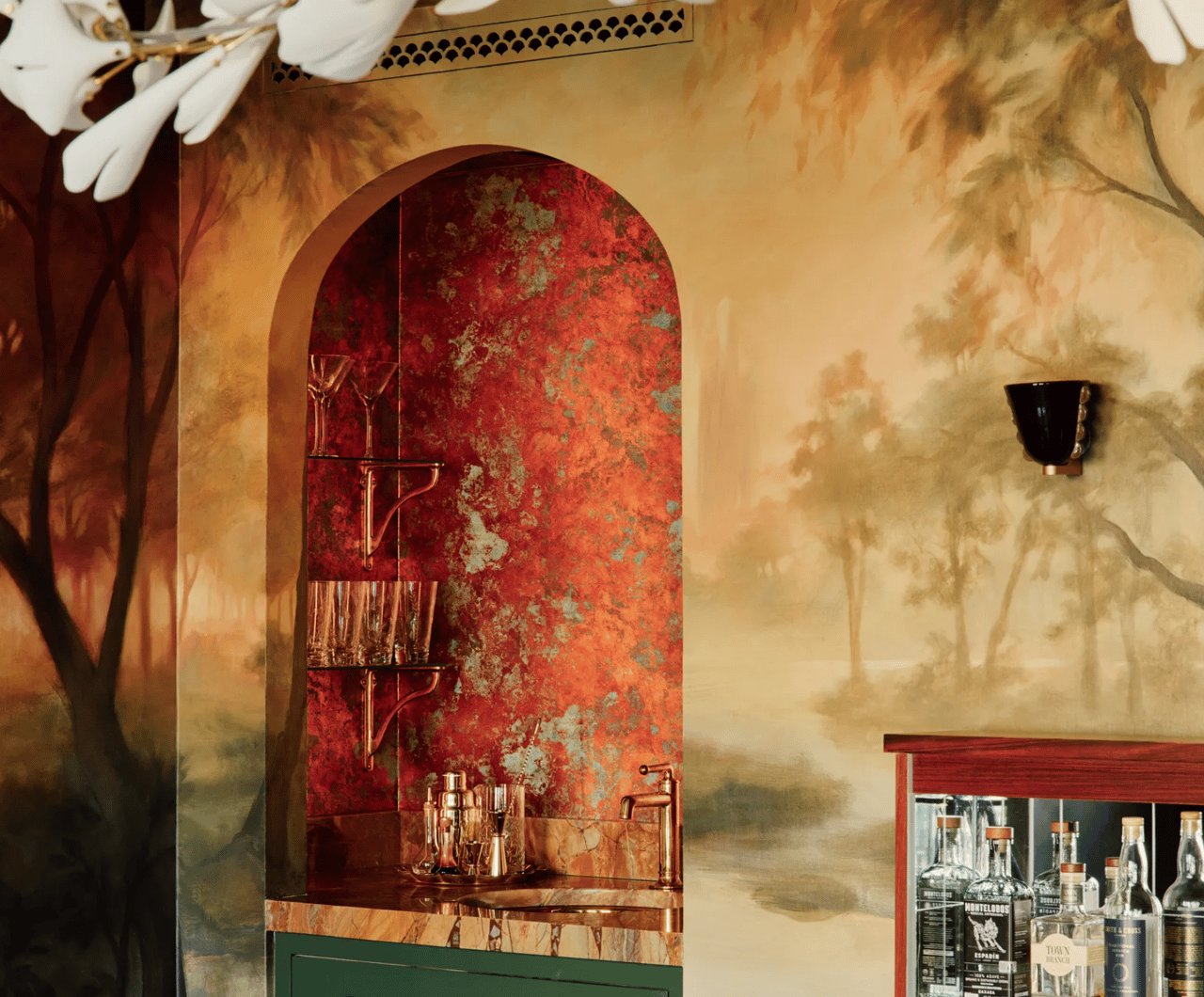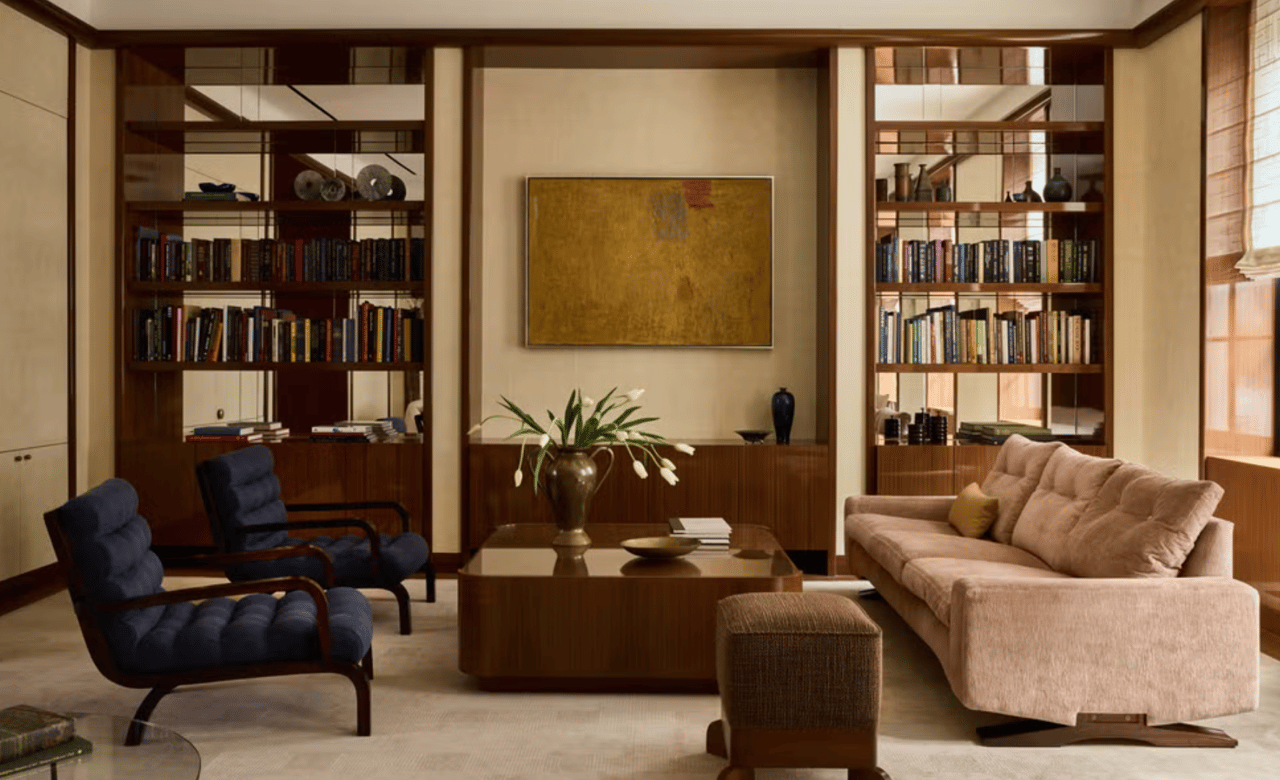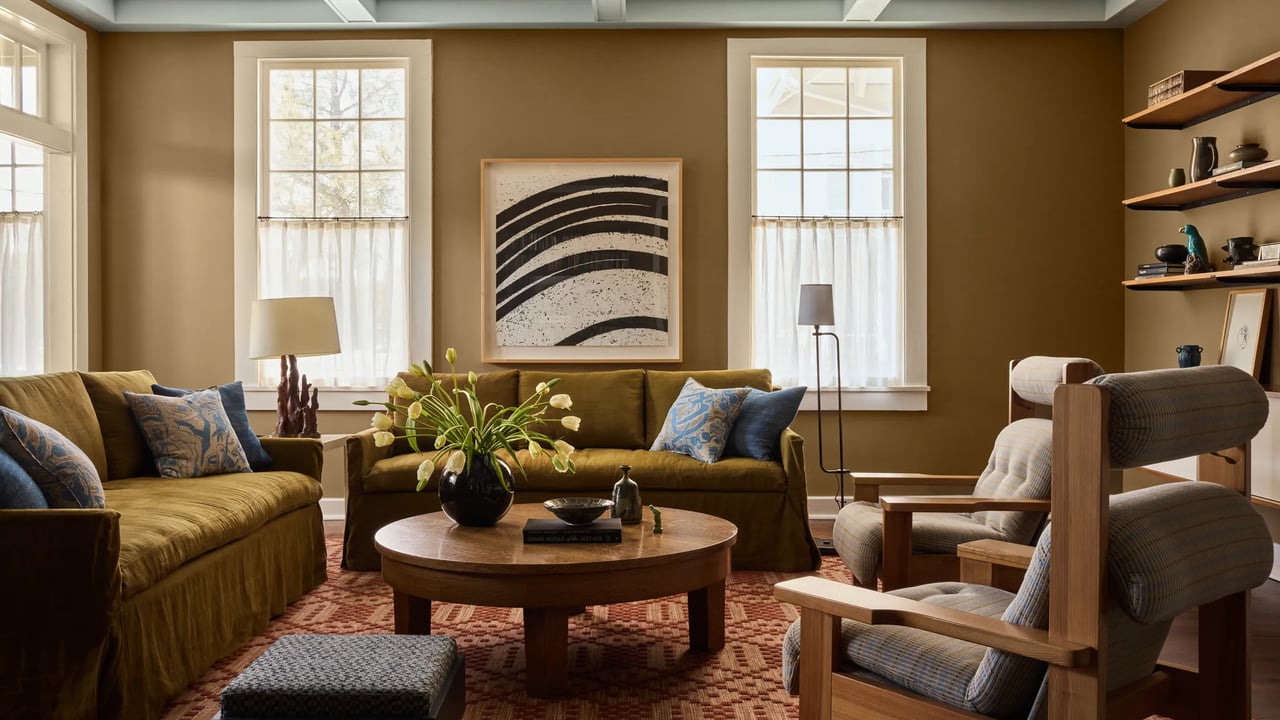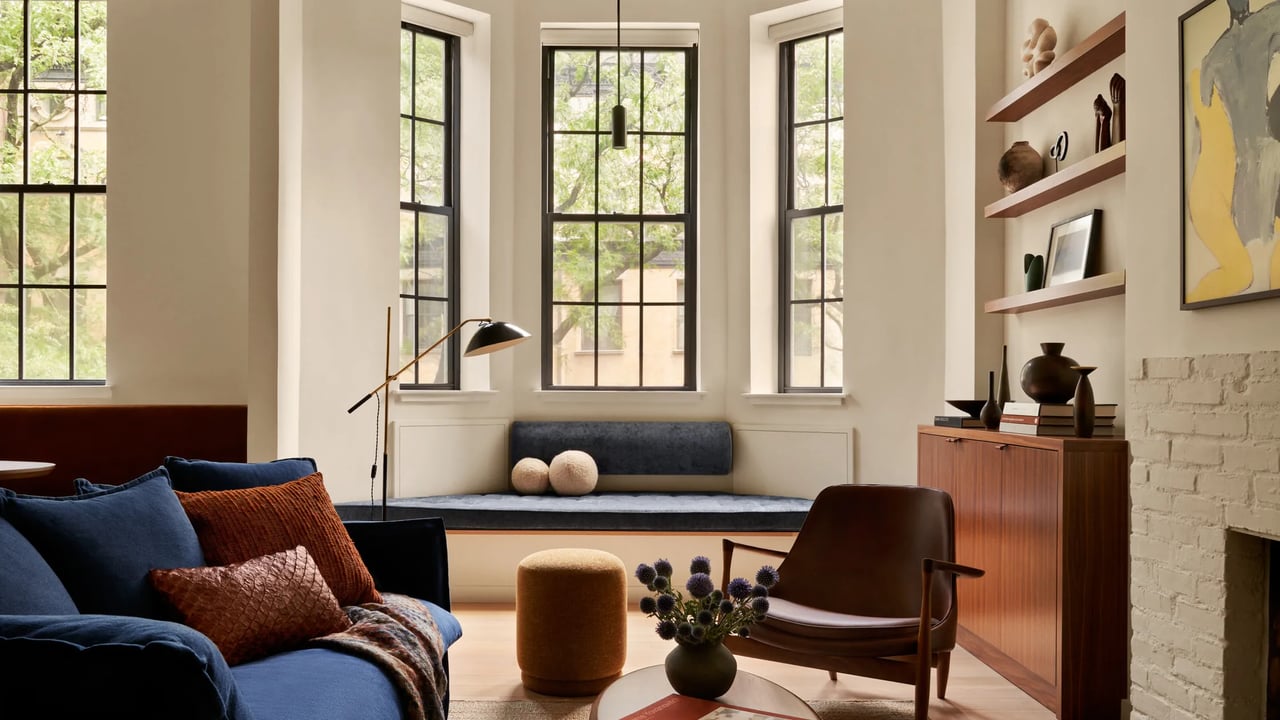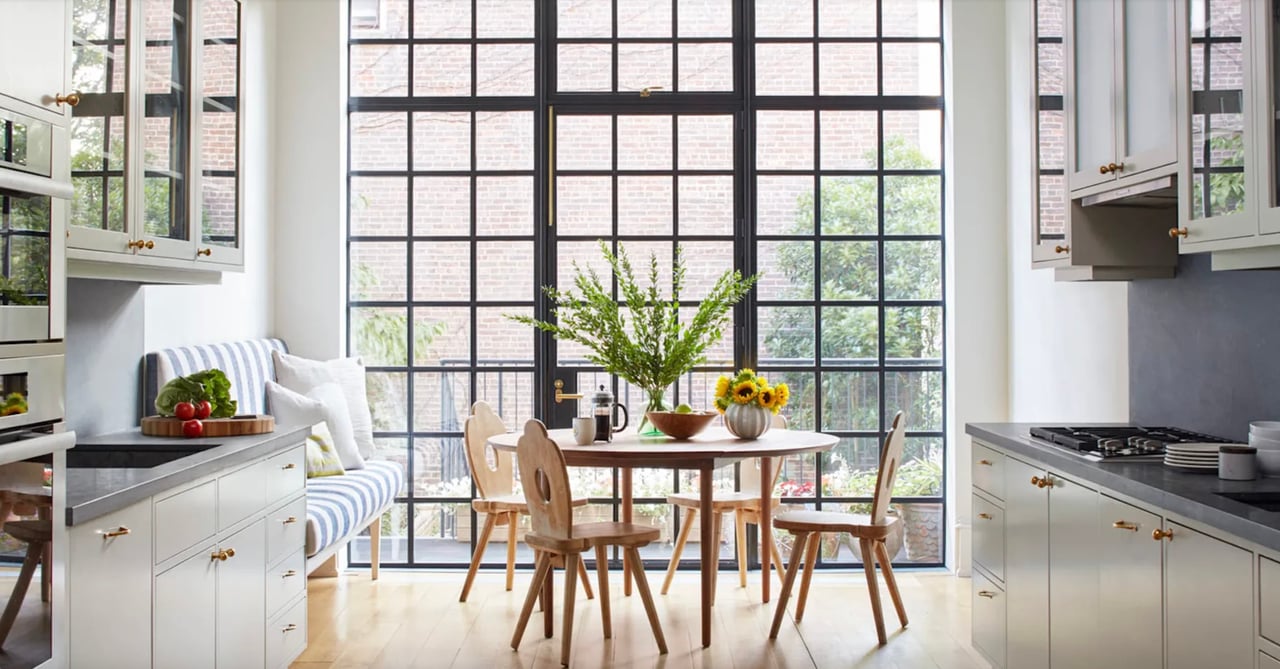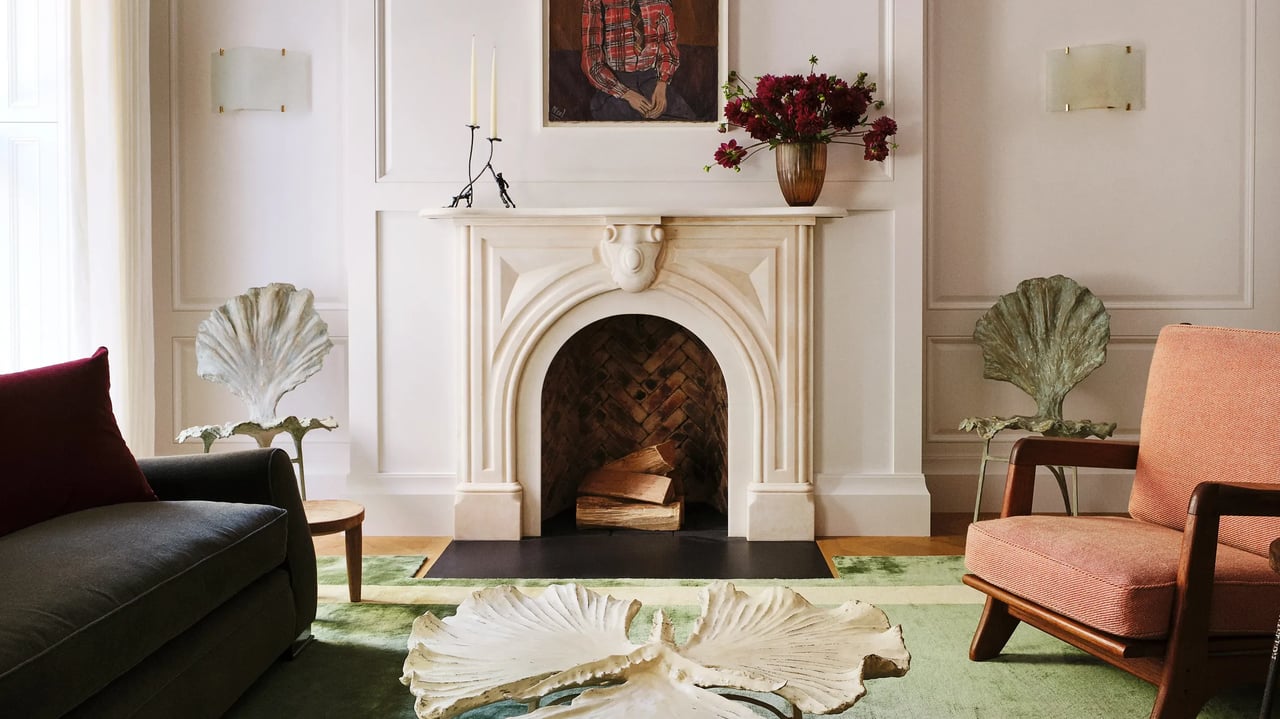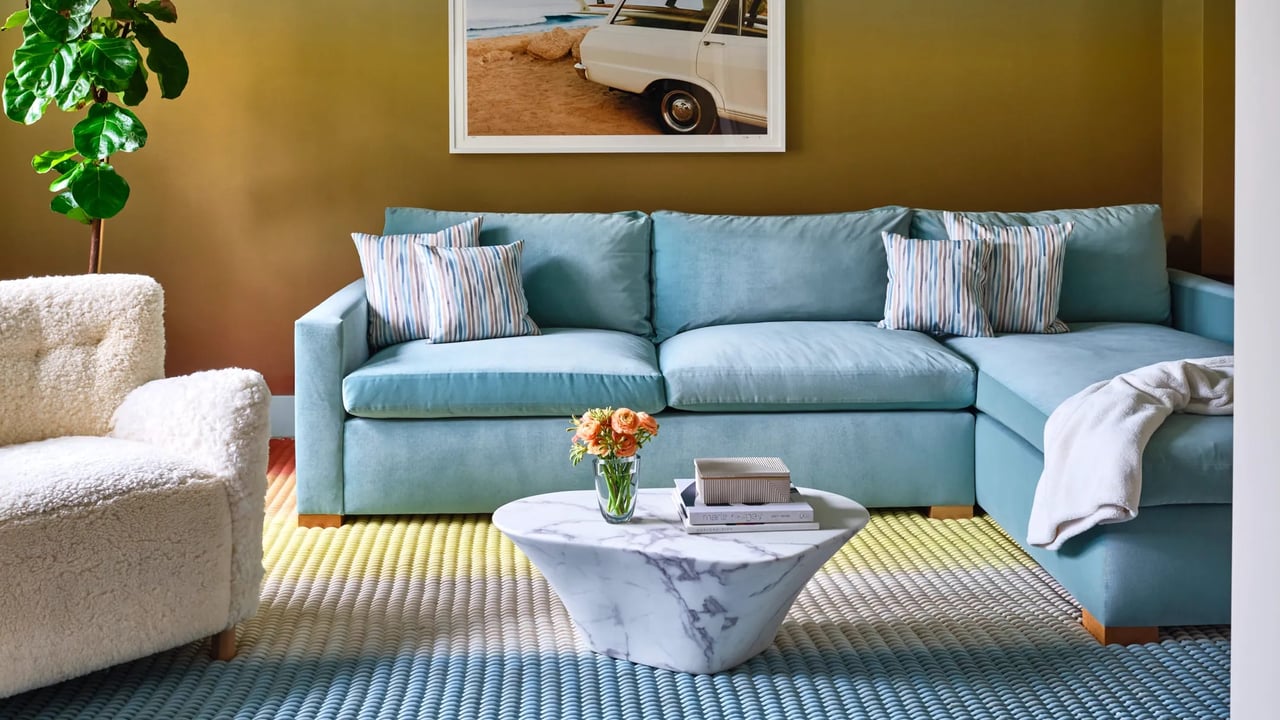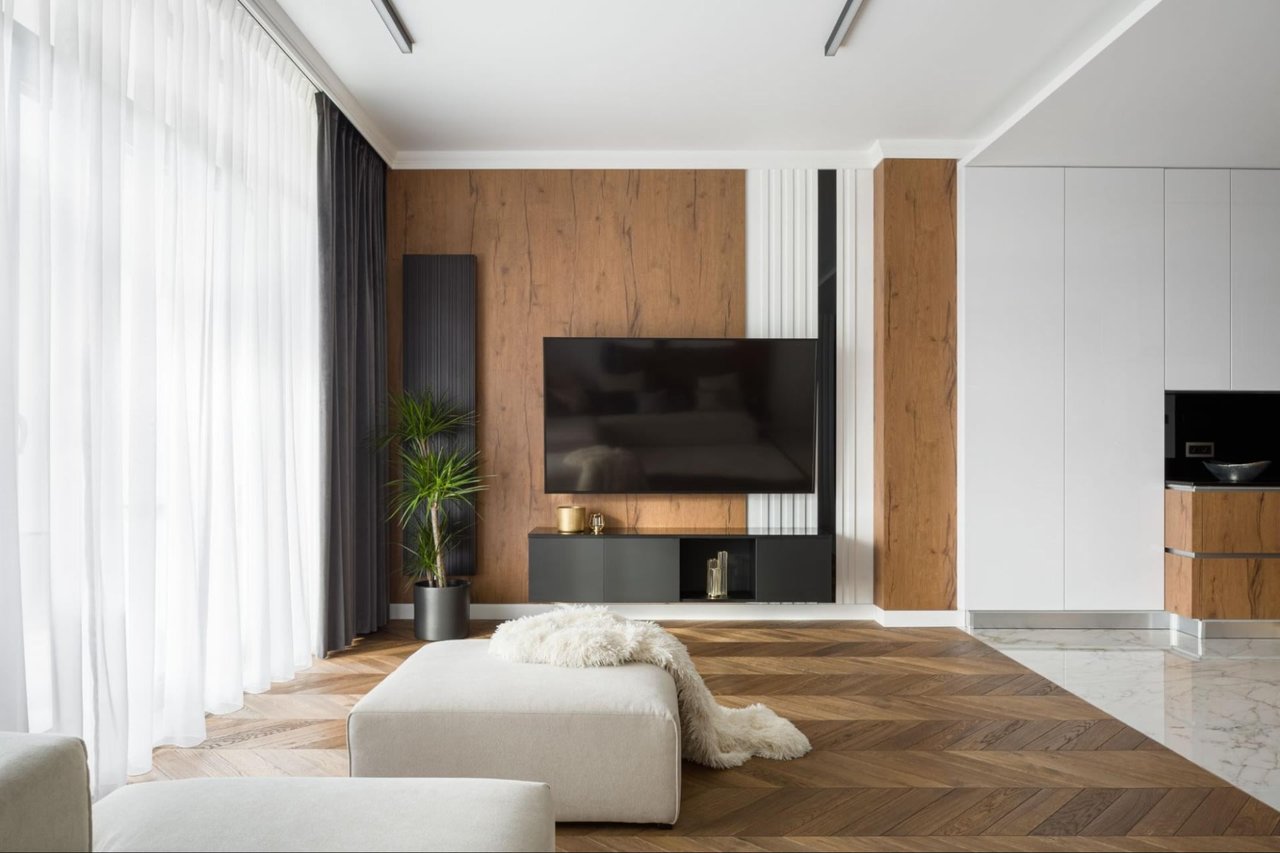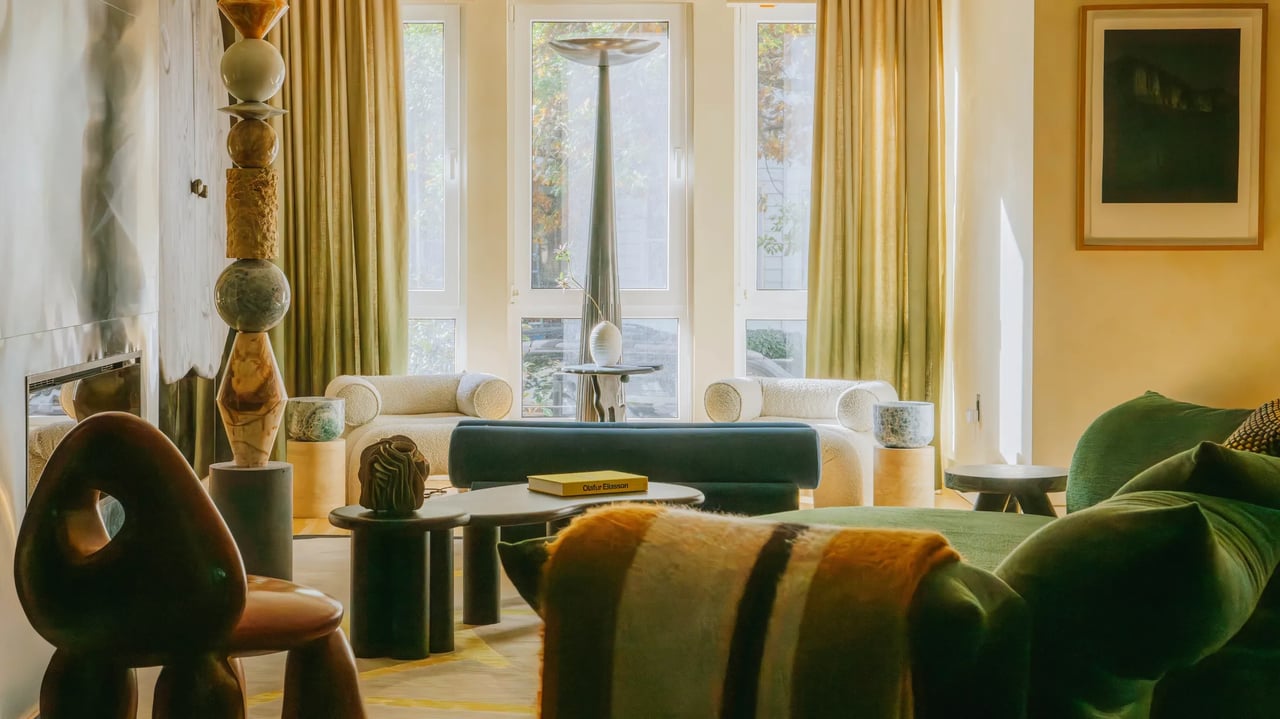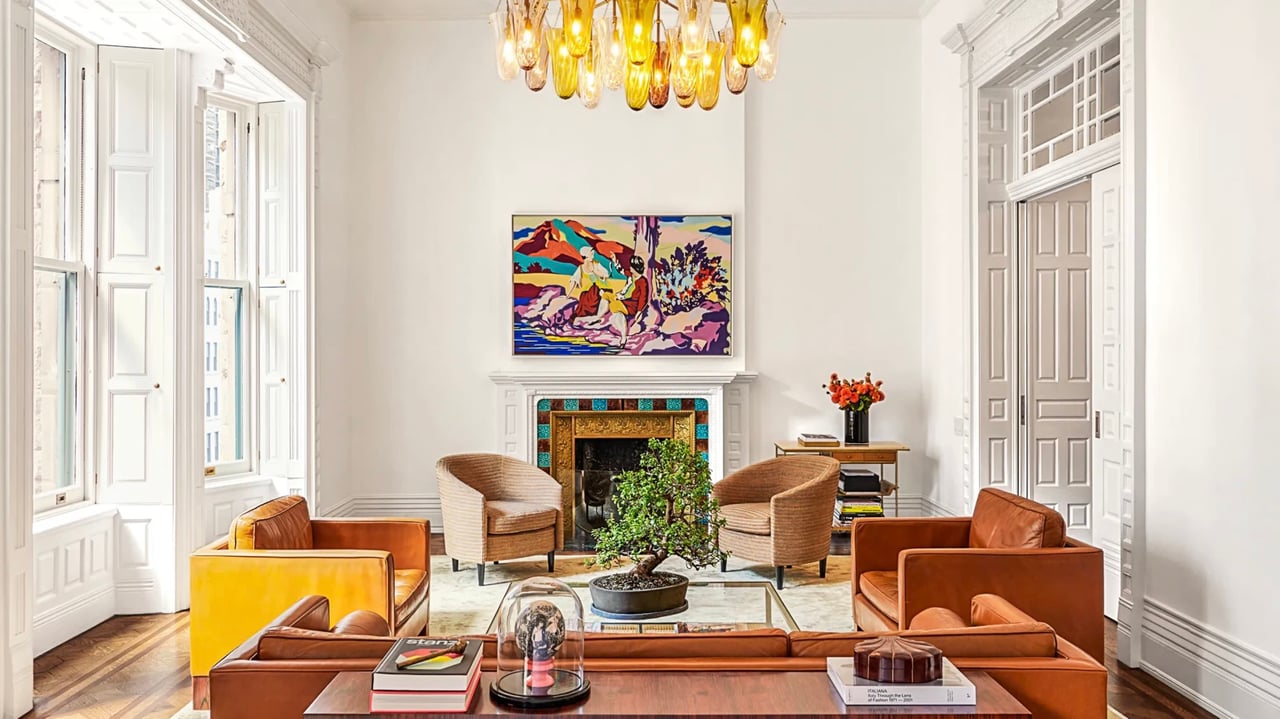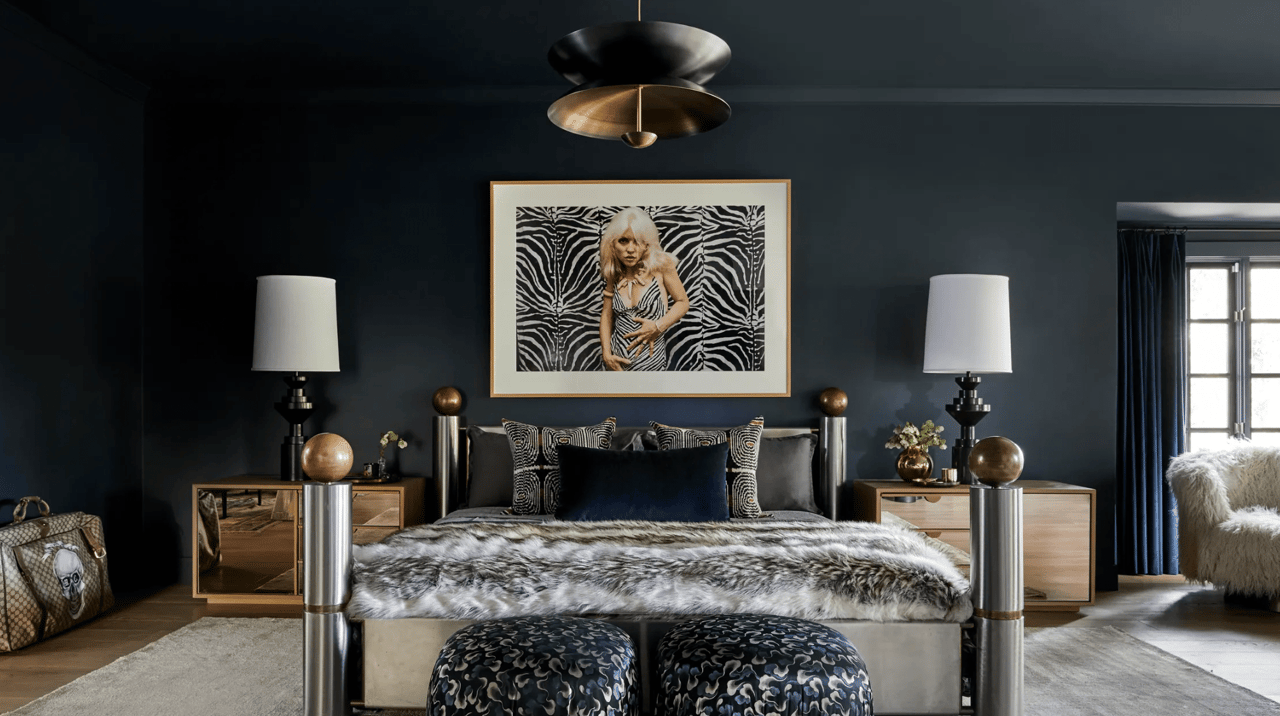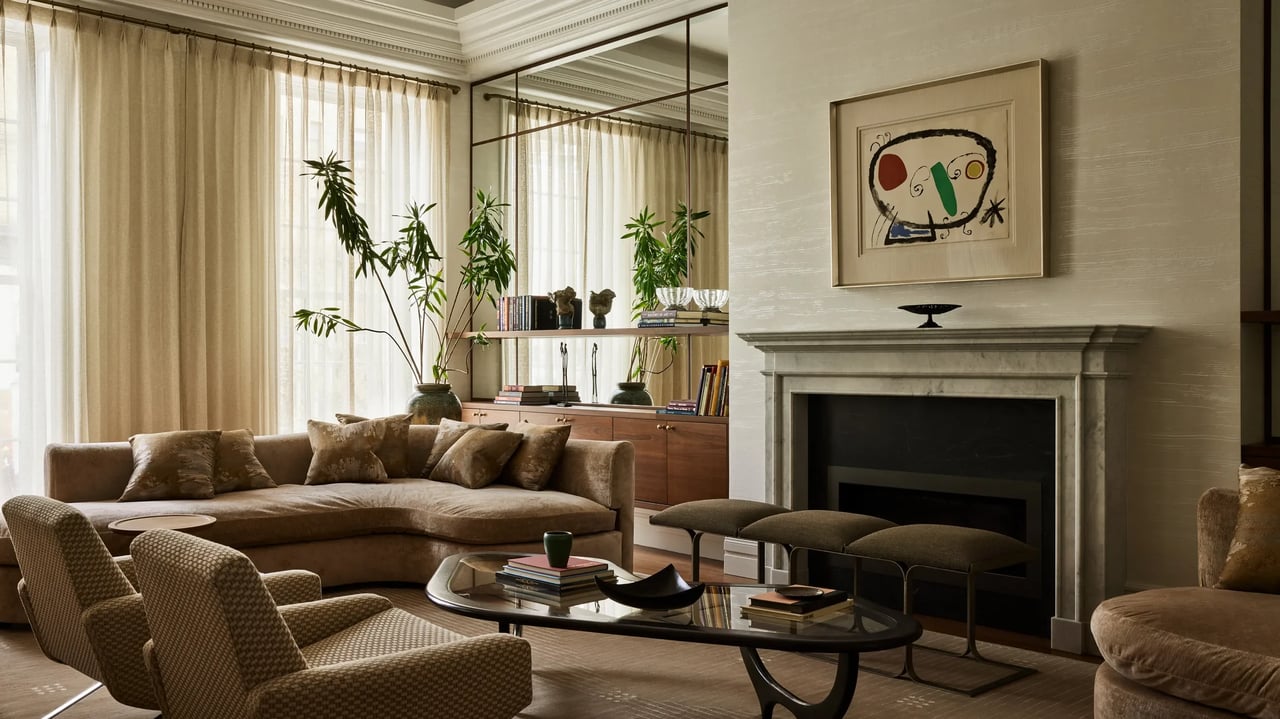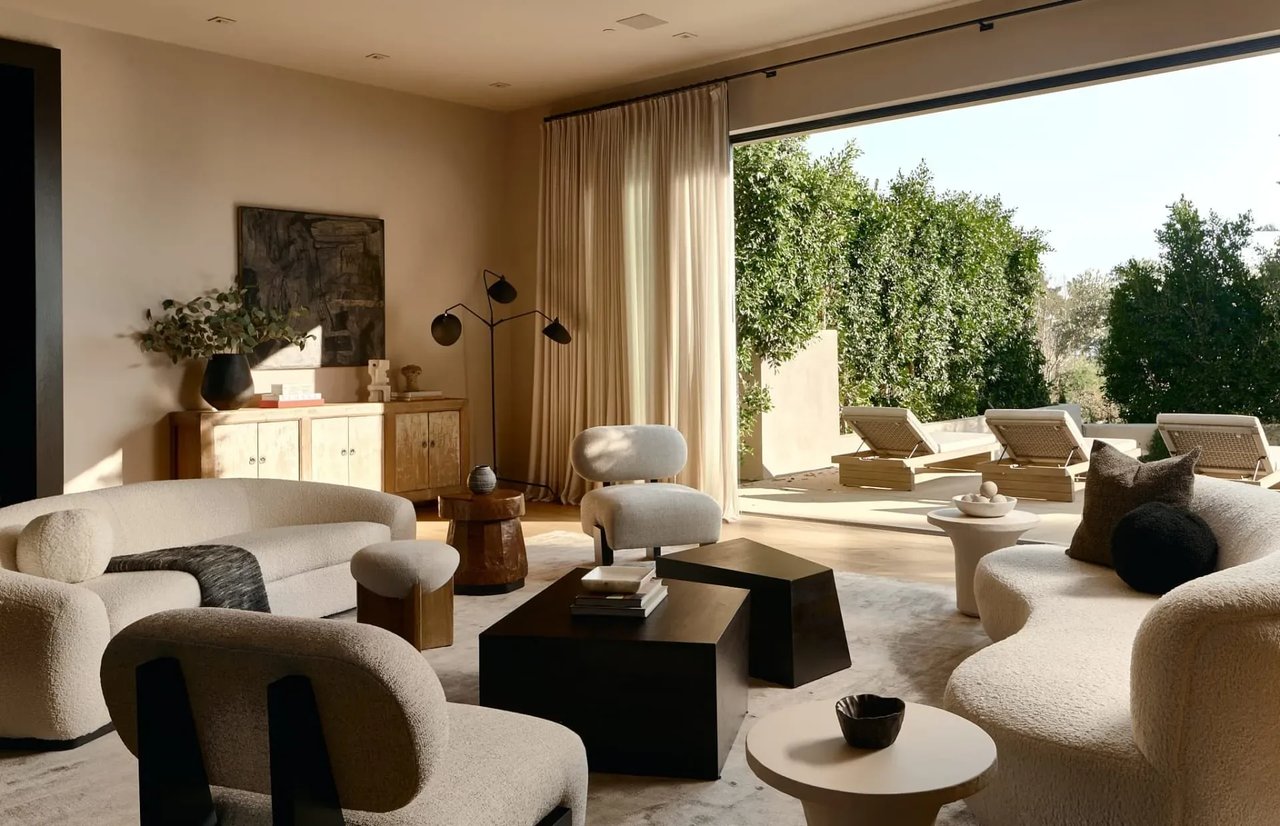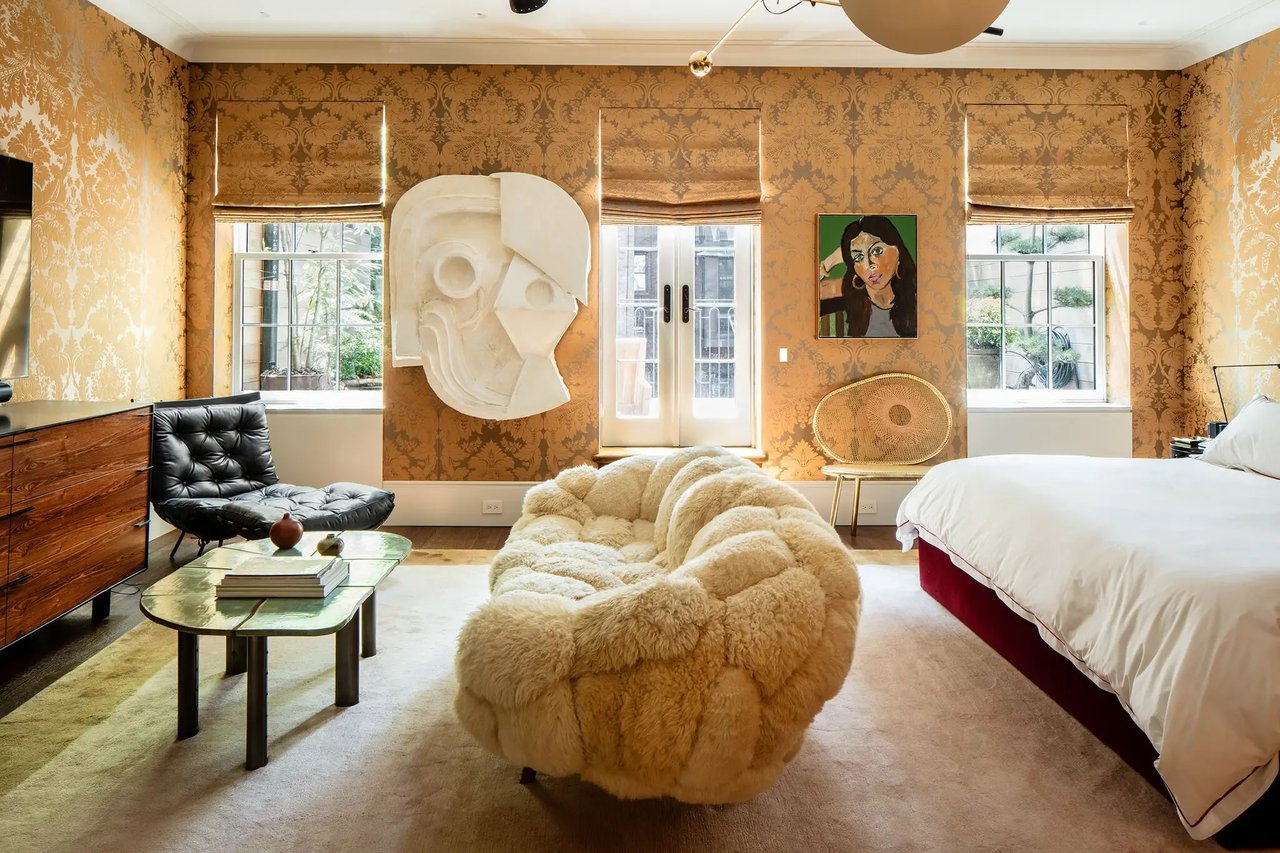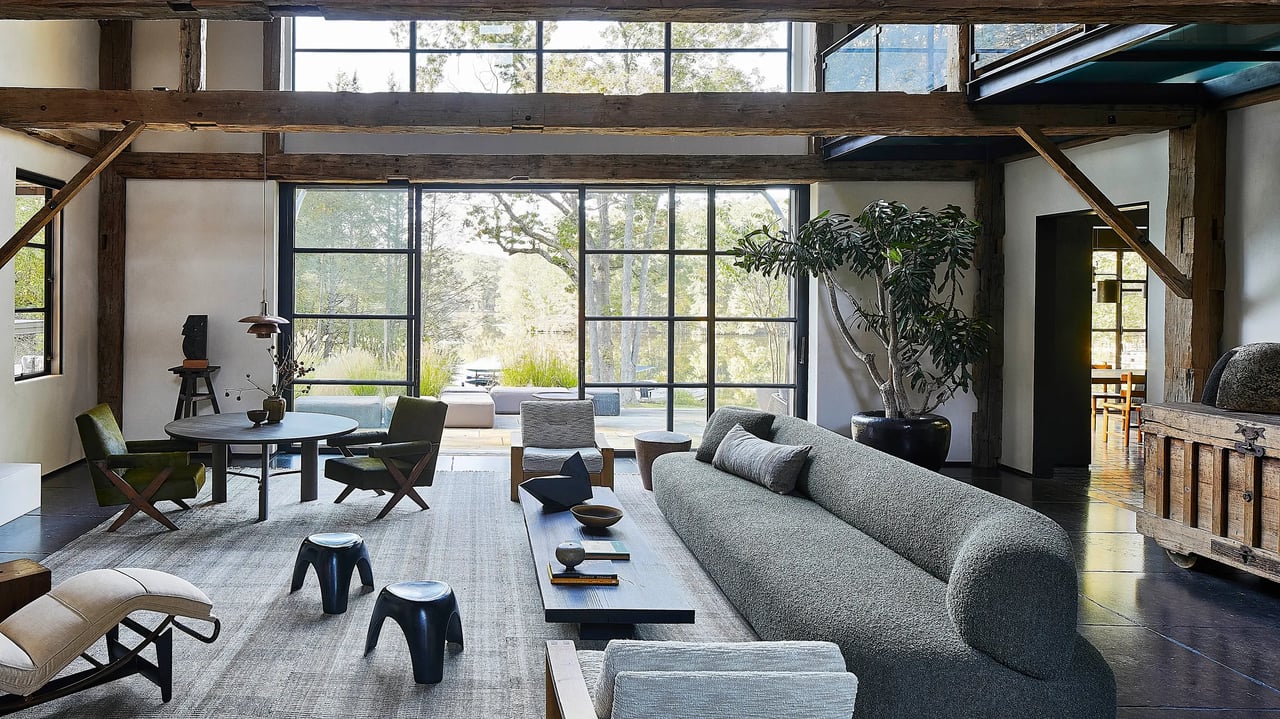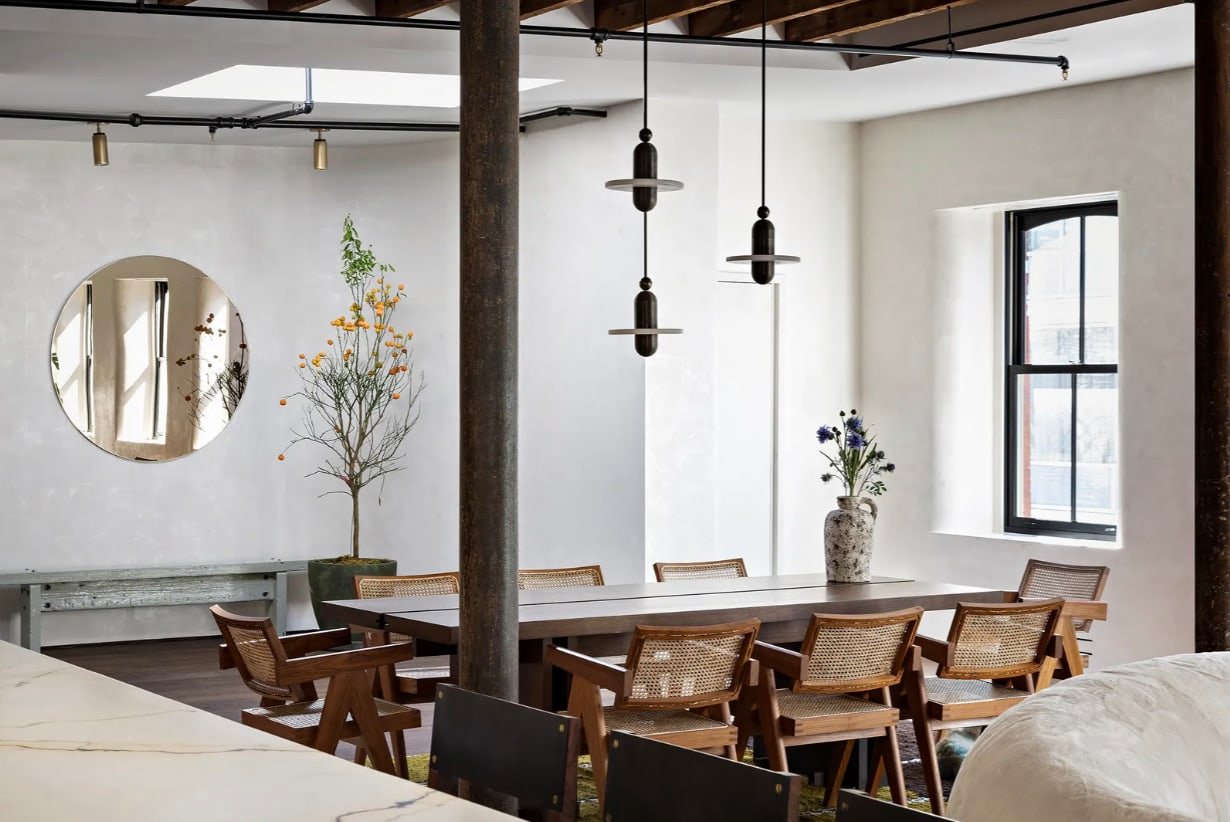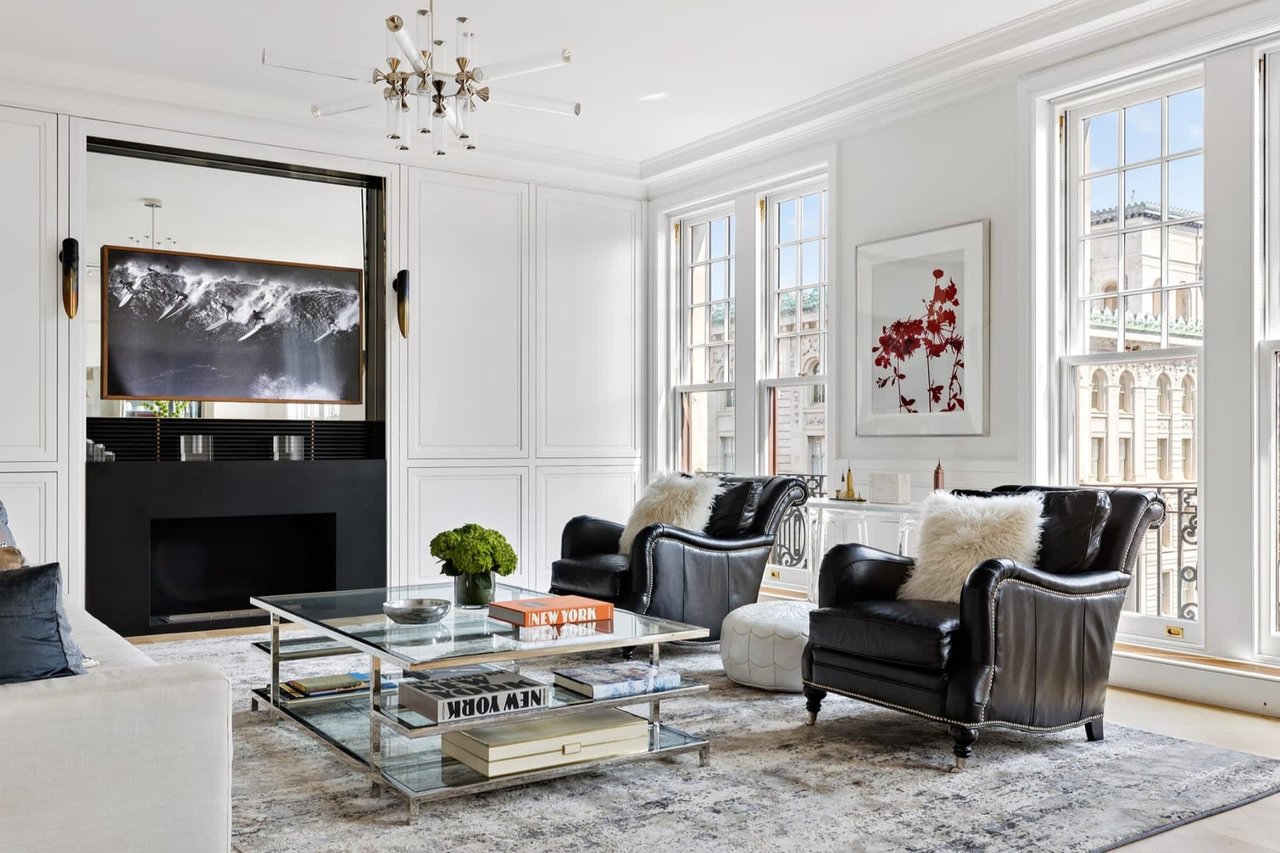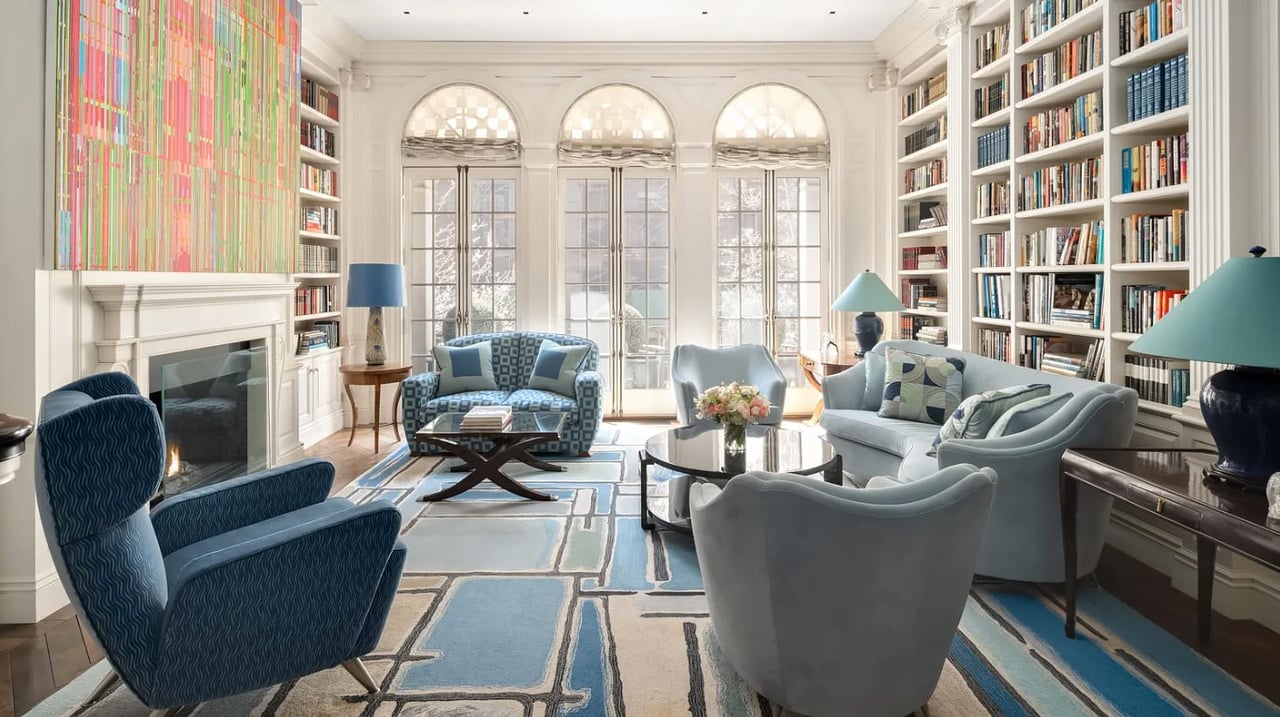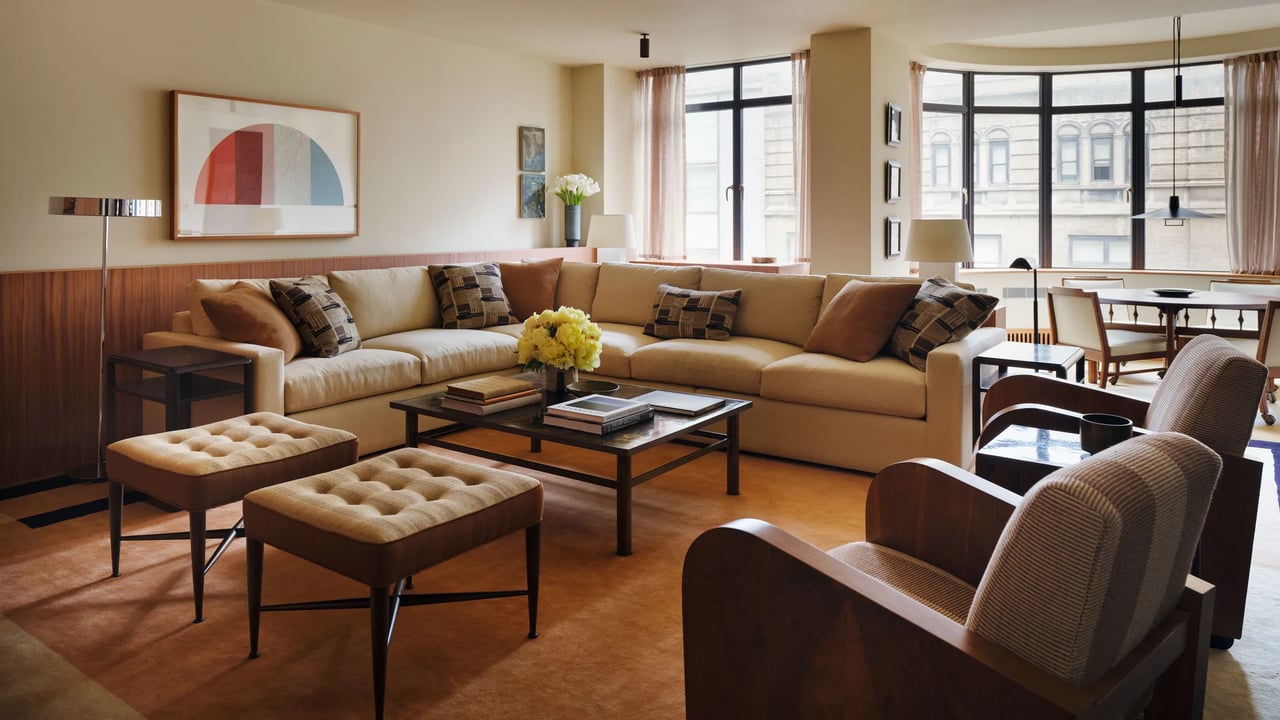
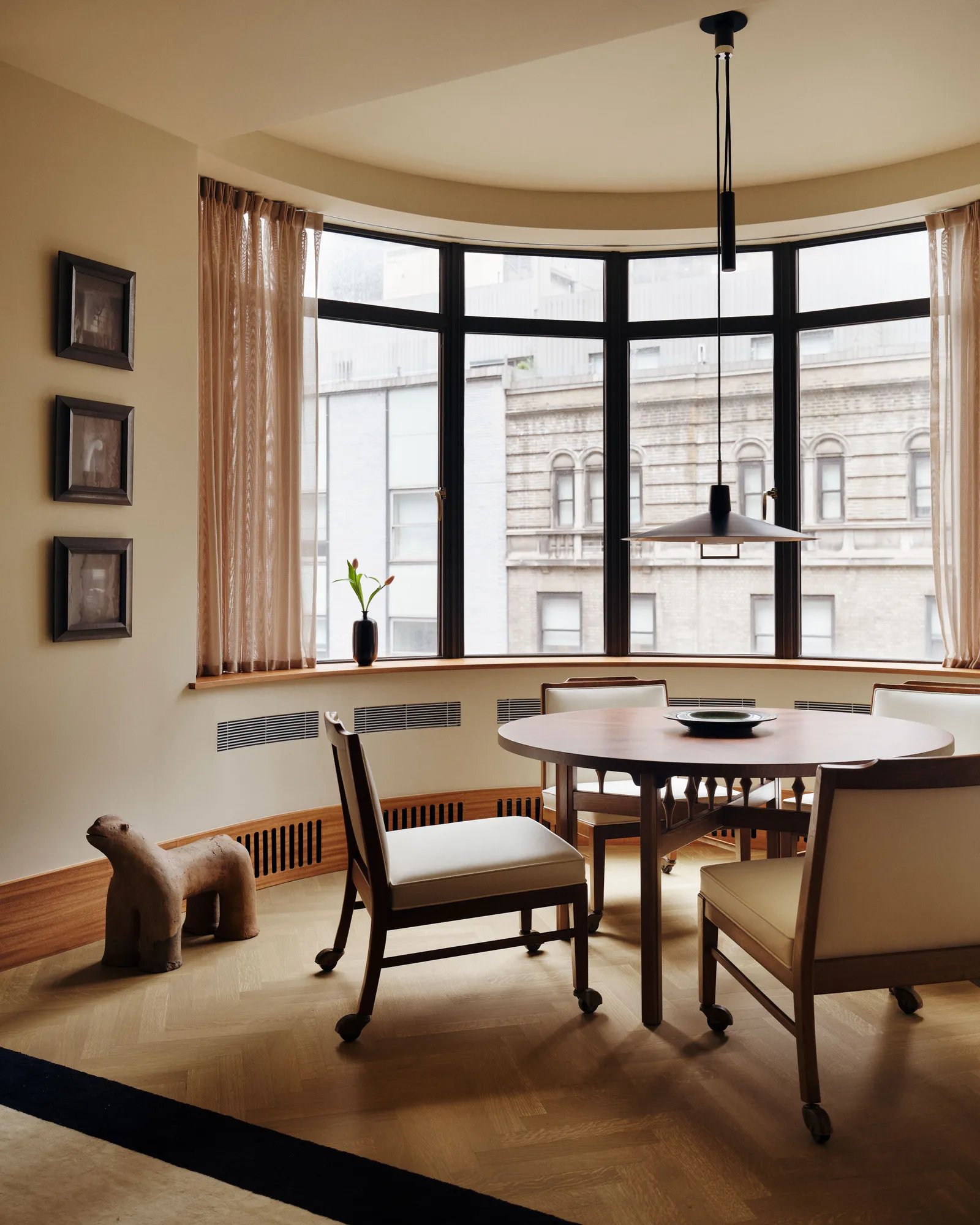
This history presented a unique challenge for the designers, who, along with architect of record Model Practice, were tasked with creating an apartment that in 2025 could live up the label “International,” and also to its spirit. They achieved this not through trickery, but by tackling the problem head-on, researching history, sourcing from the past—without getting locked in—to create elegant, functional spaces that adhered at once to modernist values and shared aesthetics. A lifelong collector of modern furniture and art, the homeowner—who previously lived in a house designed by Stanford White in New York’s Murray Hill neighborhood—viewed this space as akin to acquiring a work of art, the designers say. “Nothing is new—literally, 98% of the pieces in the apartment, they’re vintage,” says Aguirre.
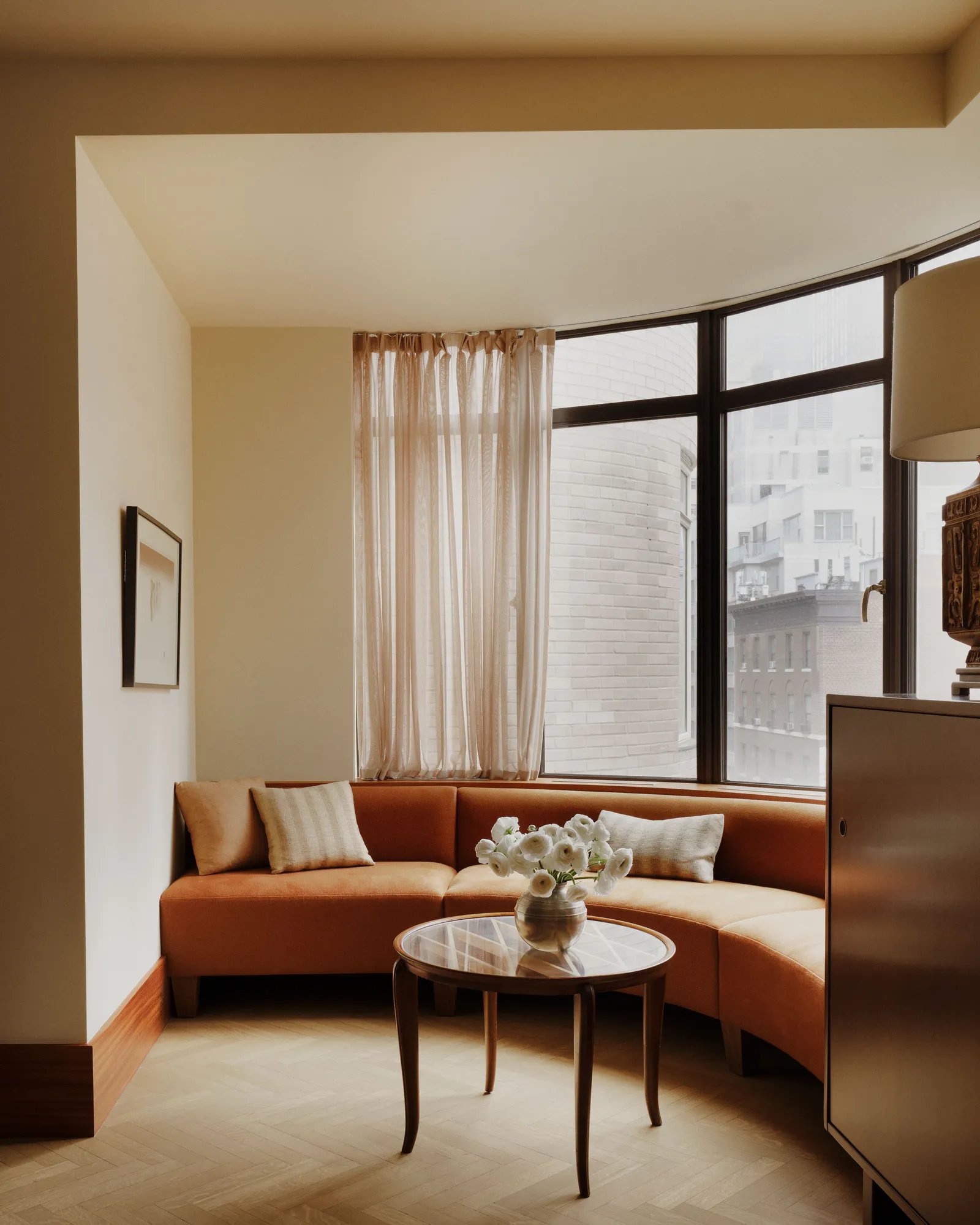
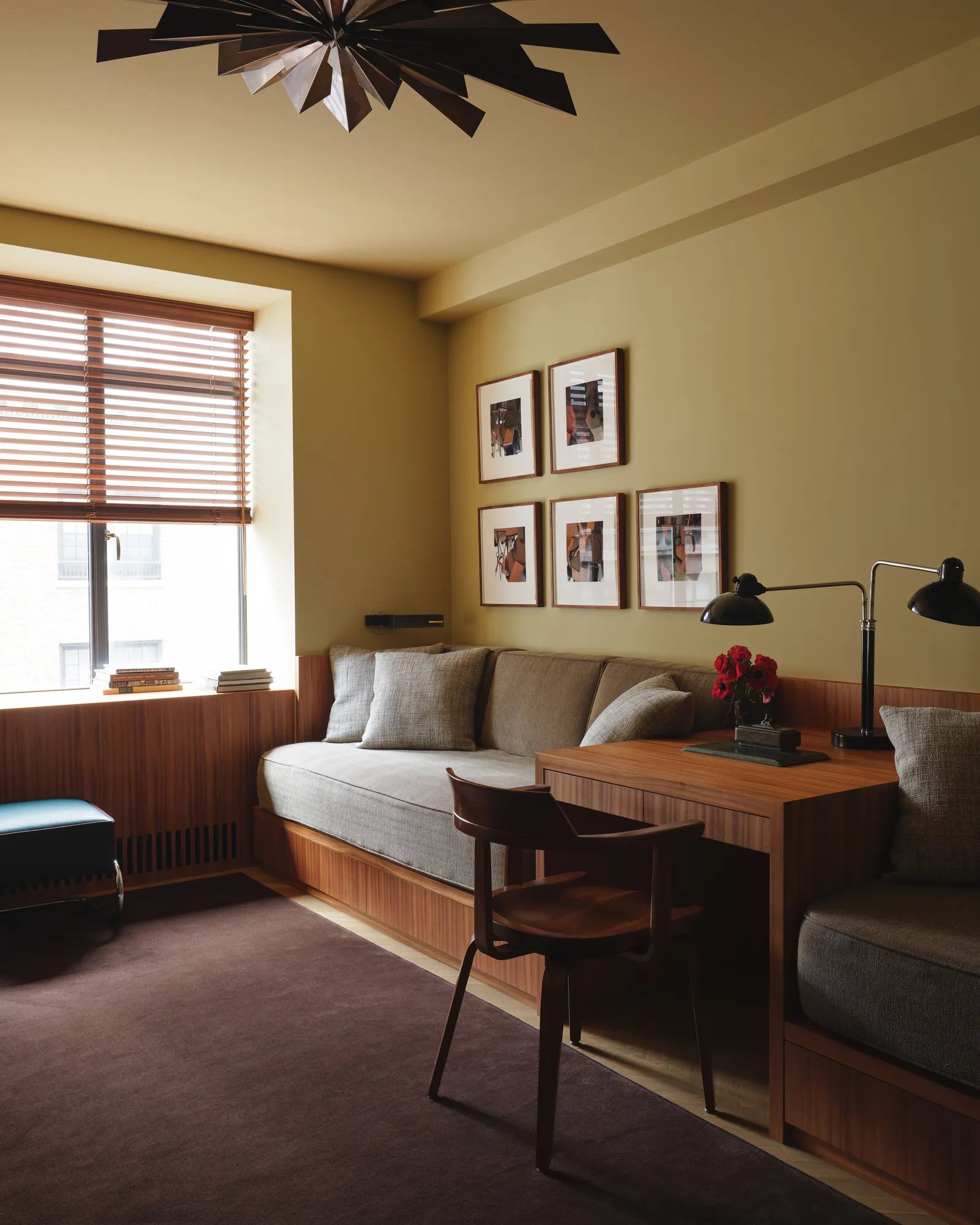
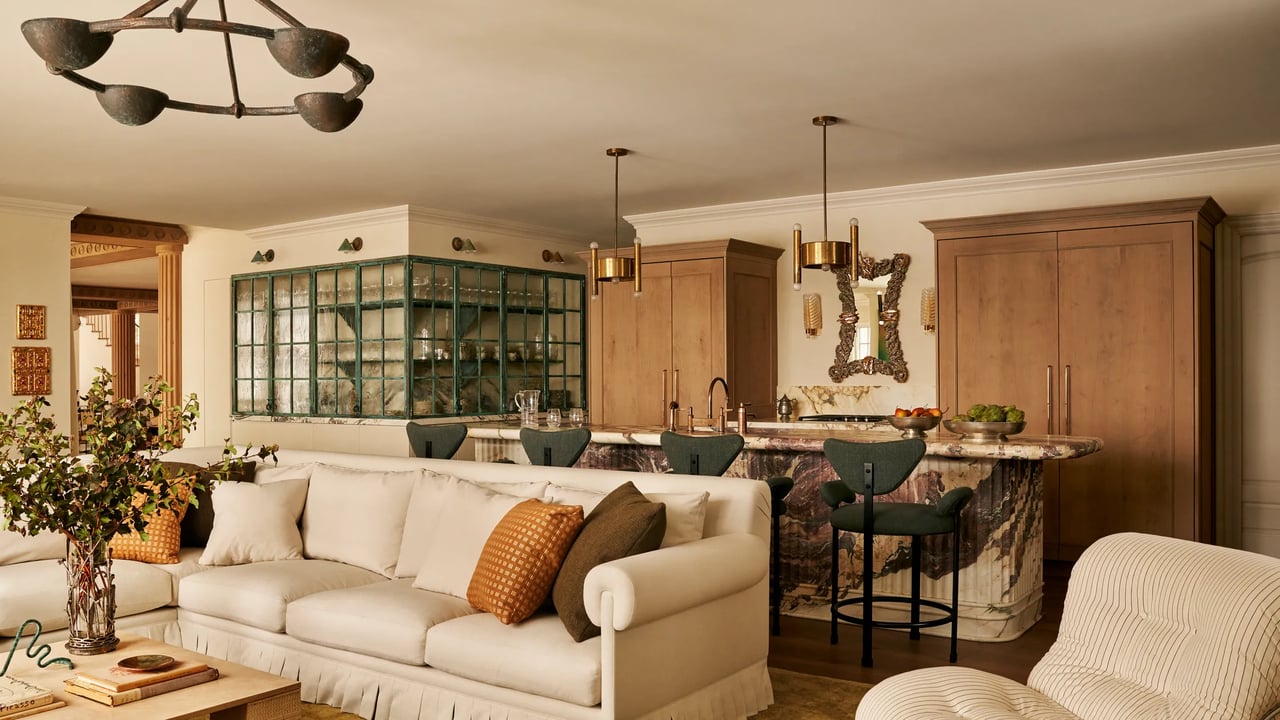
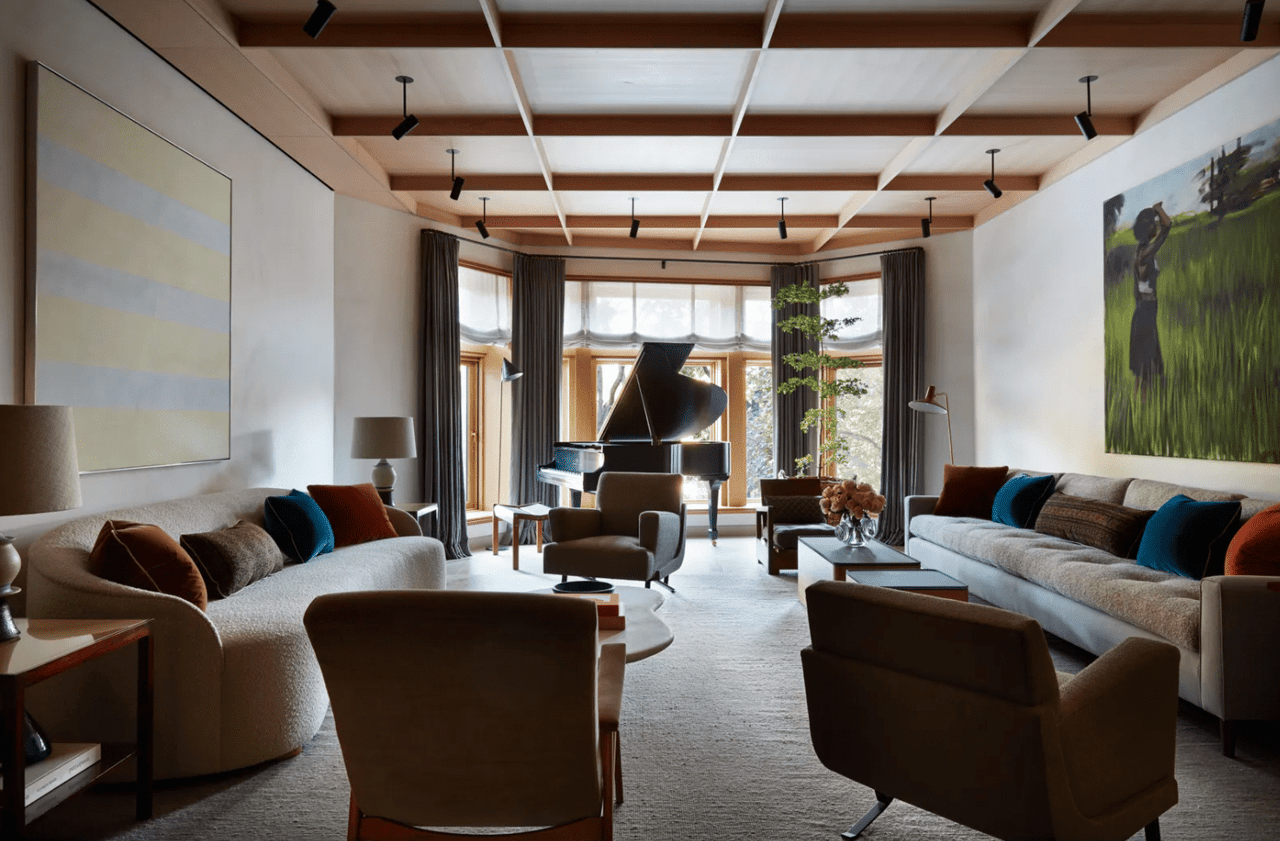
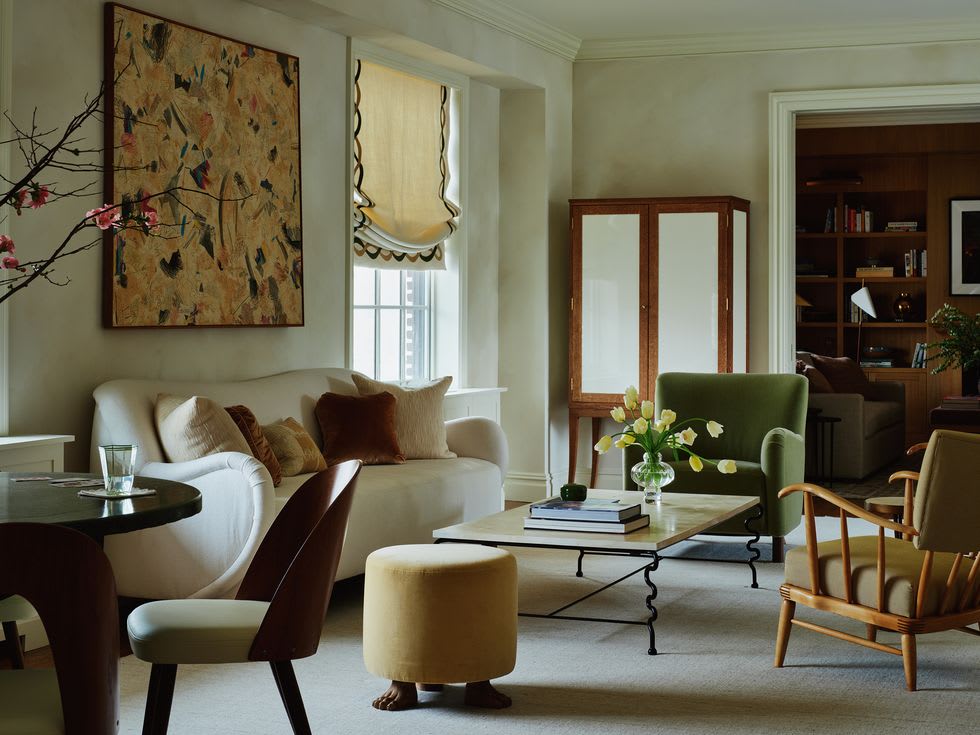
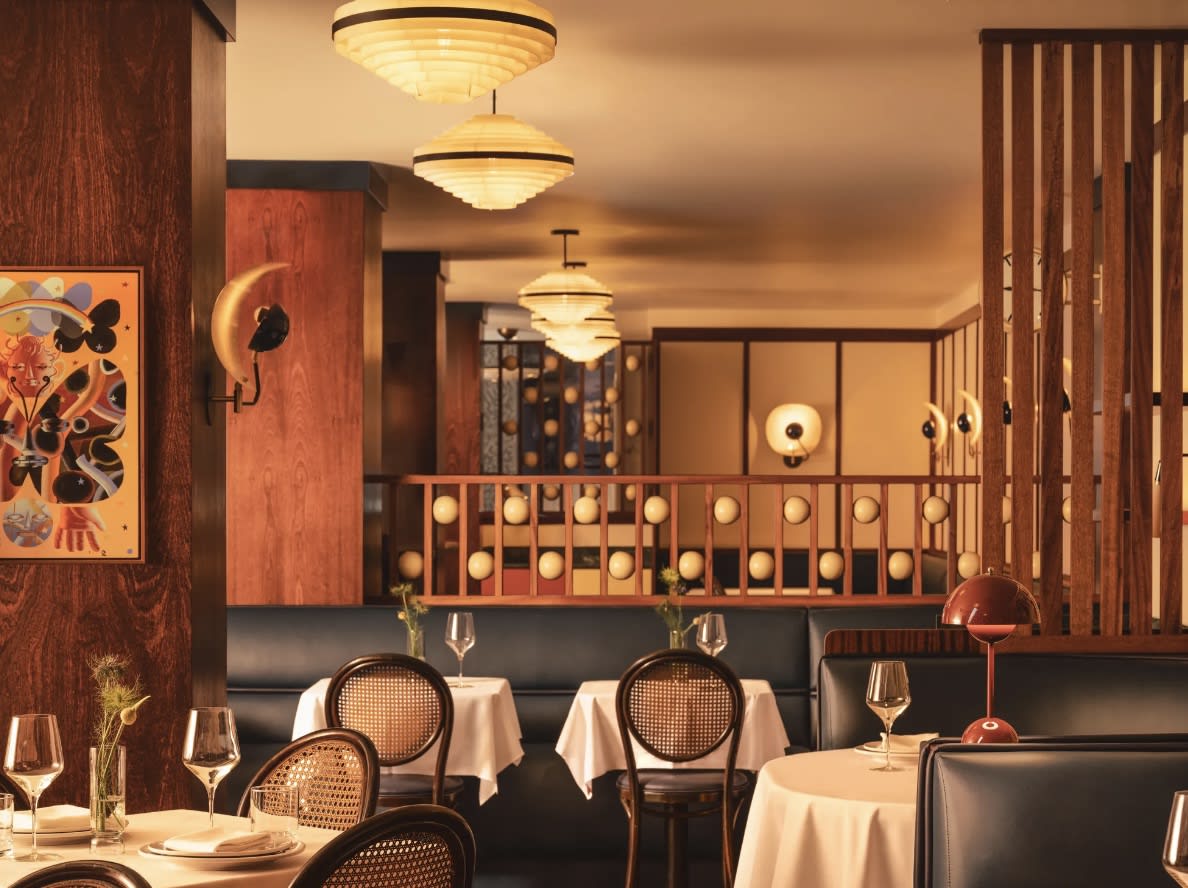
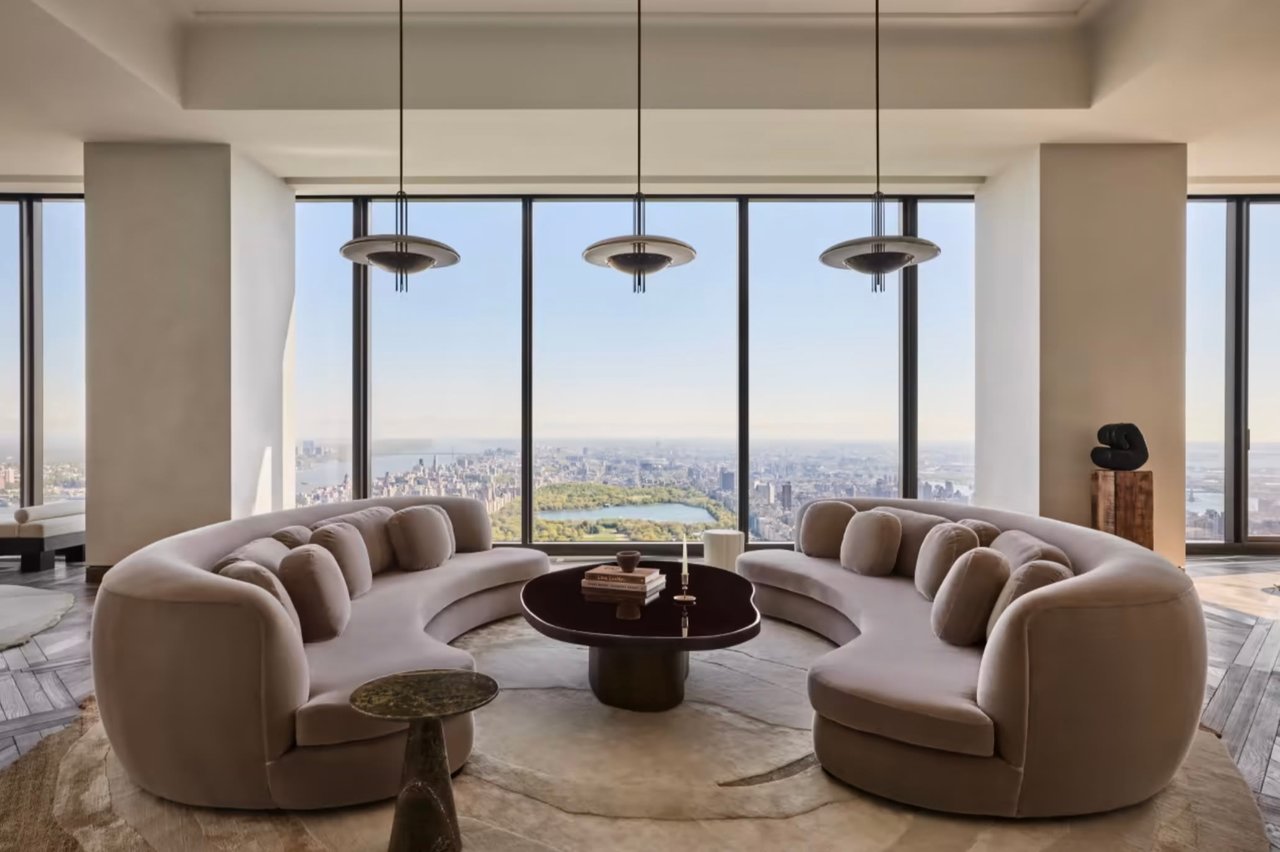
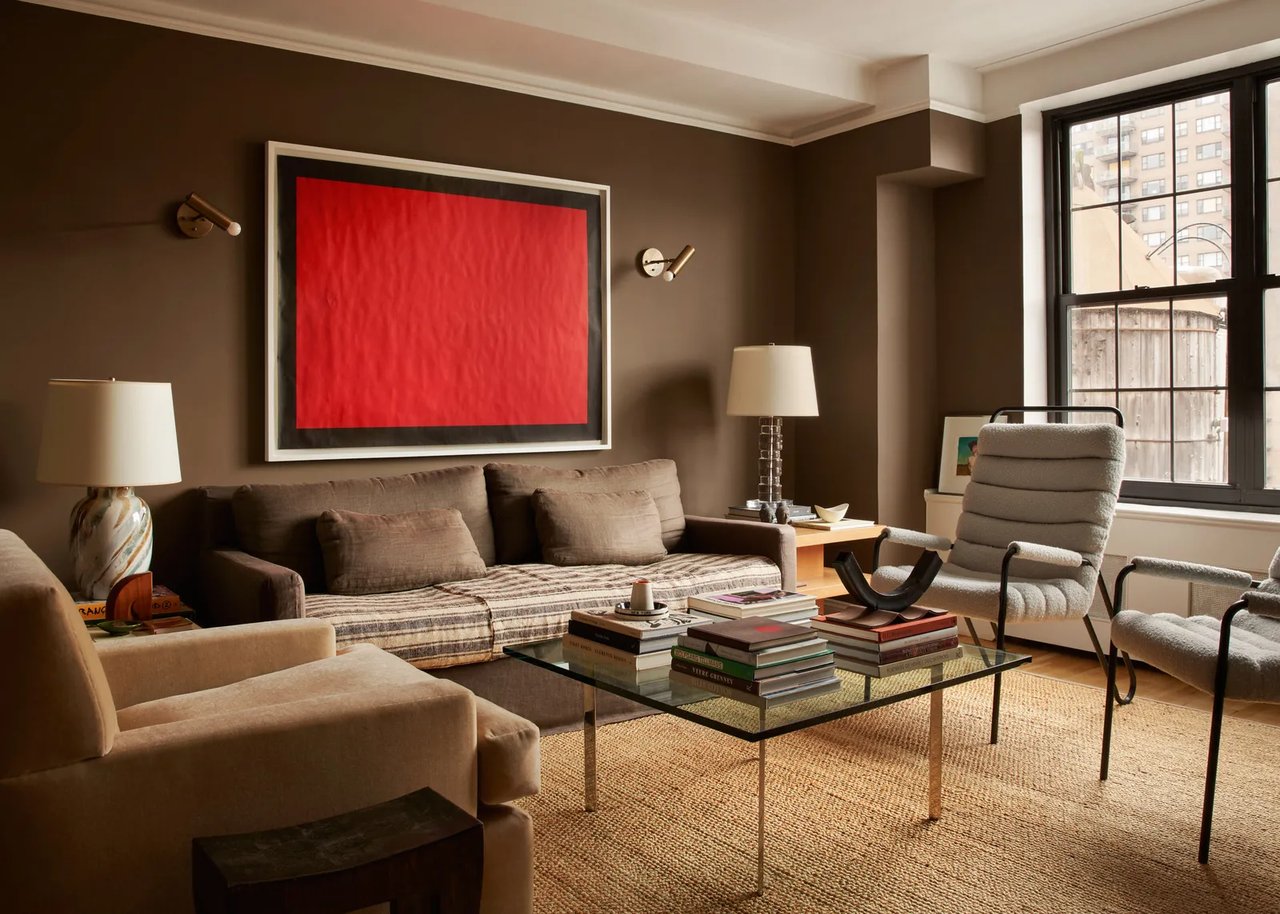
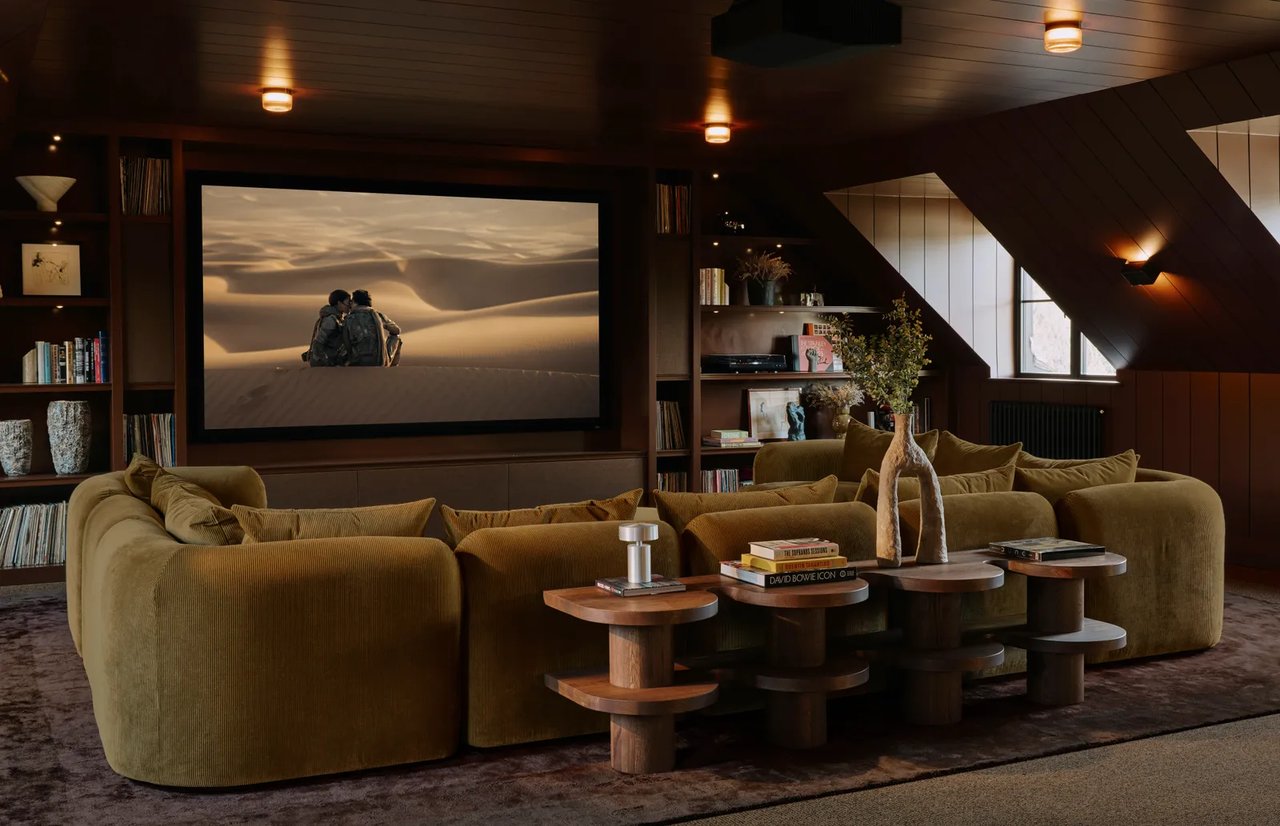
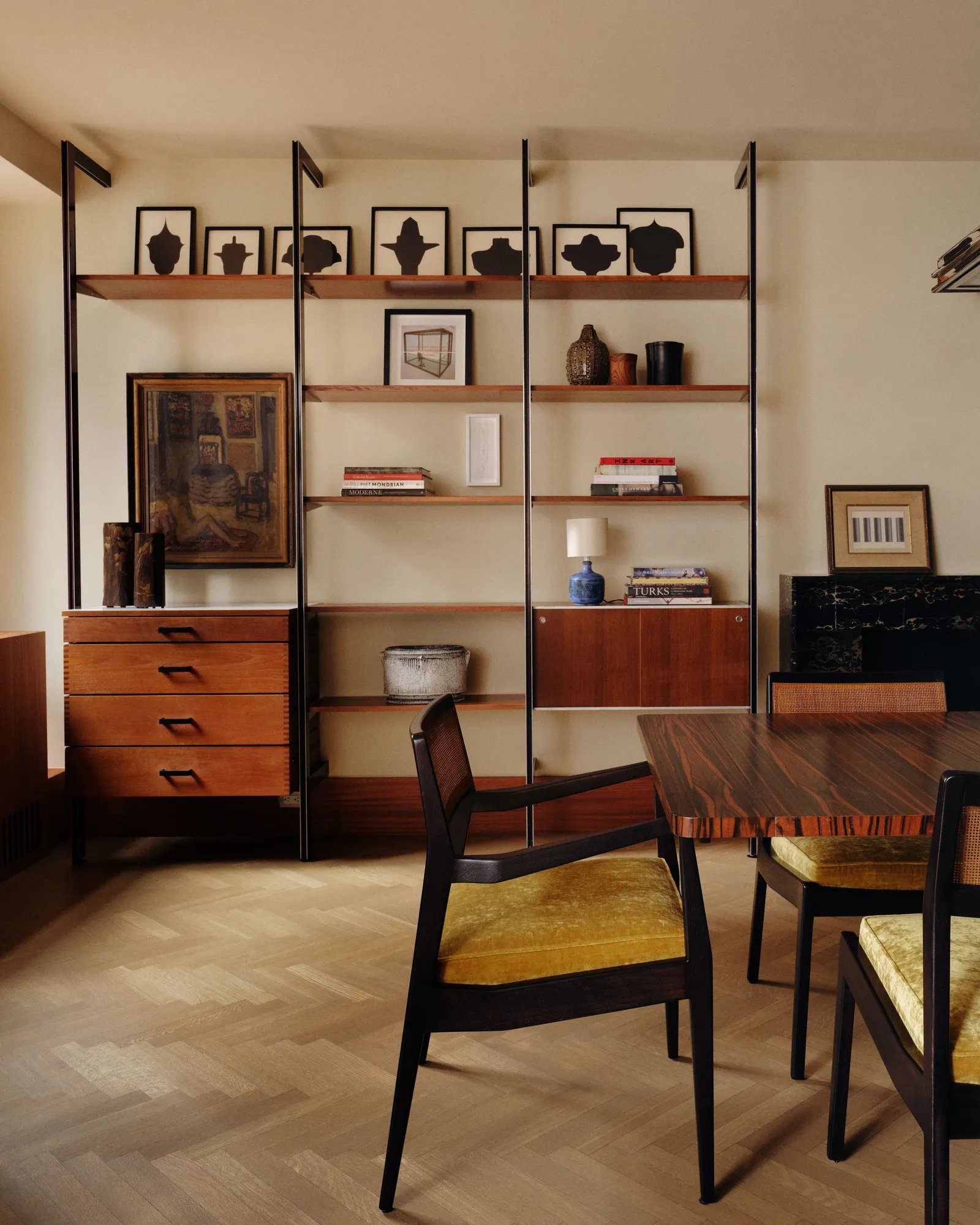
Potts and Aguirre made the apartment an exemplar of something that modernist manifestations—especially Bauhausian ones—can lack: warmth. The space integrates some of the period’s most collectible pieces—Jens Risom Playboy chairs; a George Nelson shelving system; a painting by Ellsworth Kelly—with a homeyness and approachability that most generous, modernist spaces can only aspire to. “There was really no wood in the original interiors of the building, so we consciously introduced that kind of warm material as a base, and we almost expressed it in an extreme way,” says Potts.
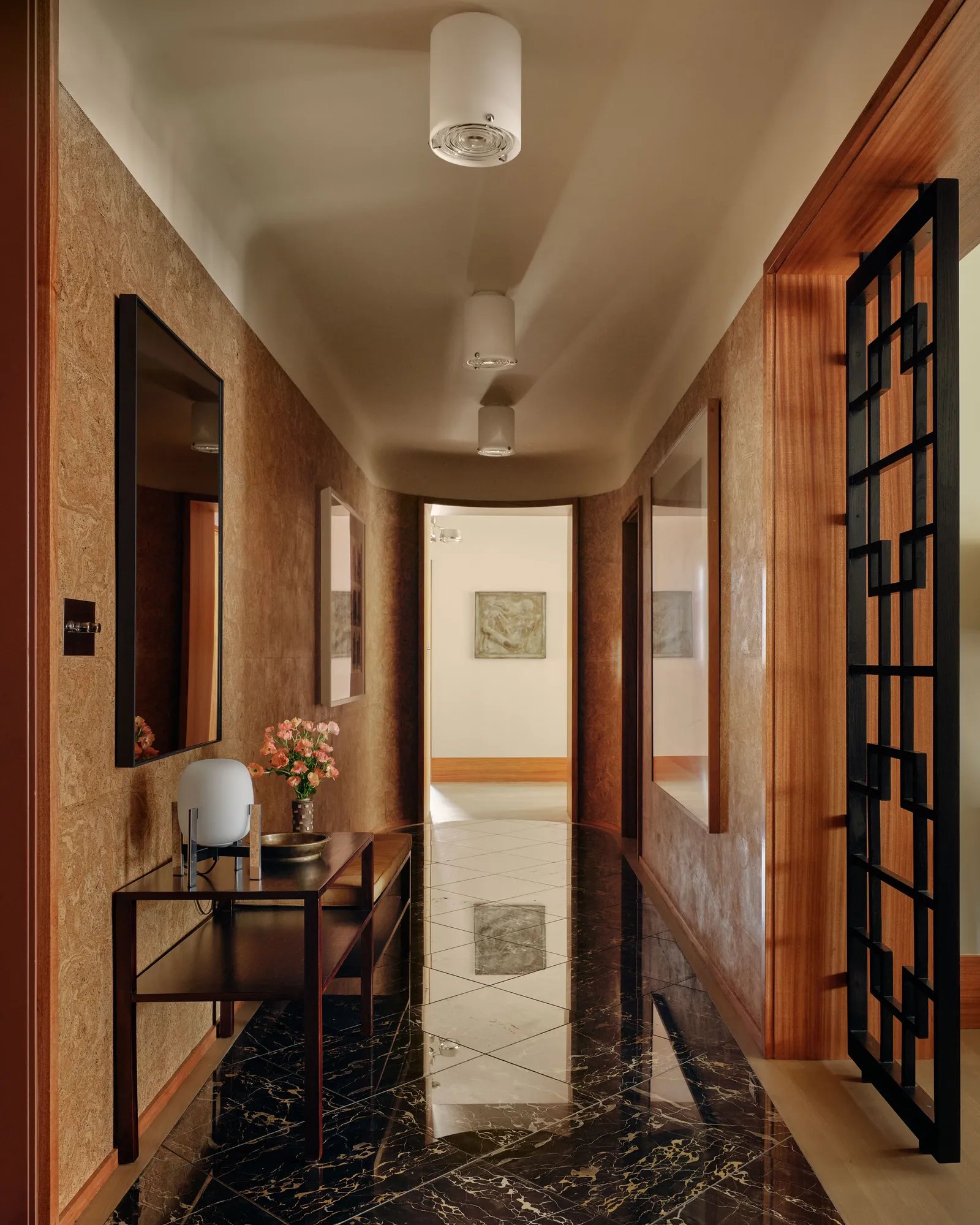
That approach began, fittingly, at the entry, where cozy cork meets a Nelson Rockefeller–approved marble. Because the building was originally designed to be more workaday, such a formal opening into the apartment would not have existed; instead, Potts and Aguirre looked to grander prewar buildings for precedent. “By moving everything back out to the perimeter, we were able to create this kind of fantastic entrance gallery that made sense of the combination,” says Potts. The effect is an immediate breaking down of barriers—a softening at the threshold, as honeyed, tactile surfaces temper the cool authority of stone; sensuous comfort, even delight. “You feel hugged,” says Aguirre. The result is a space that bends time without announcing the trick.