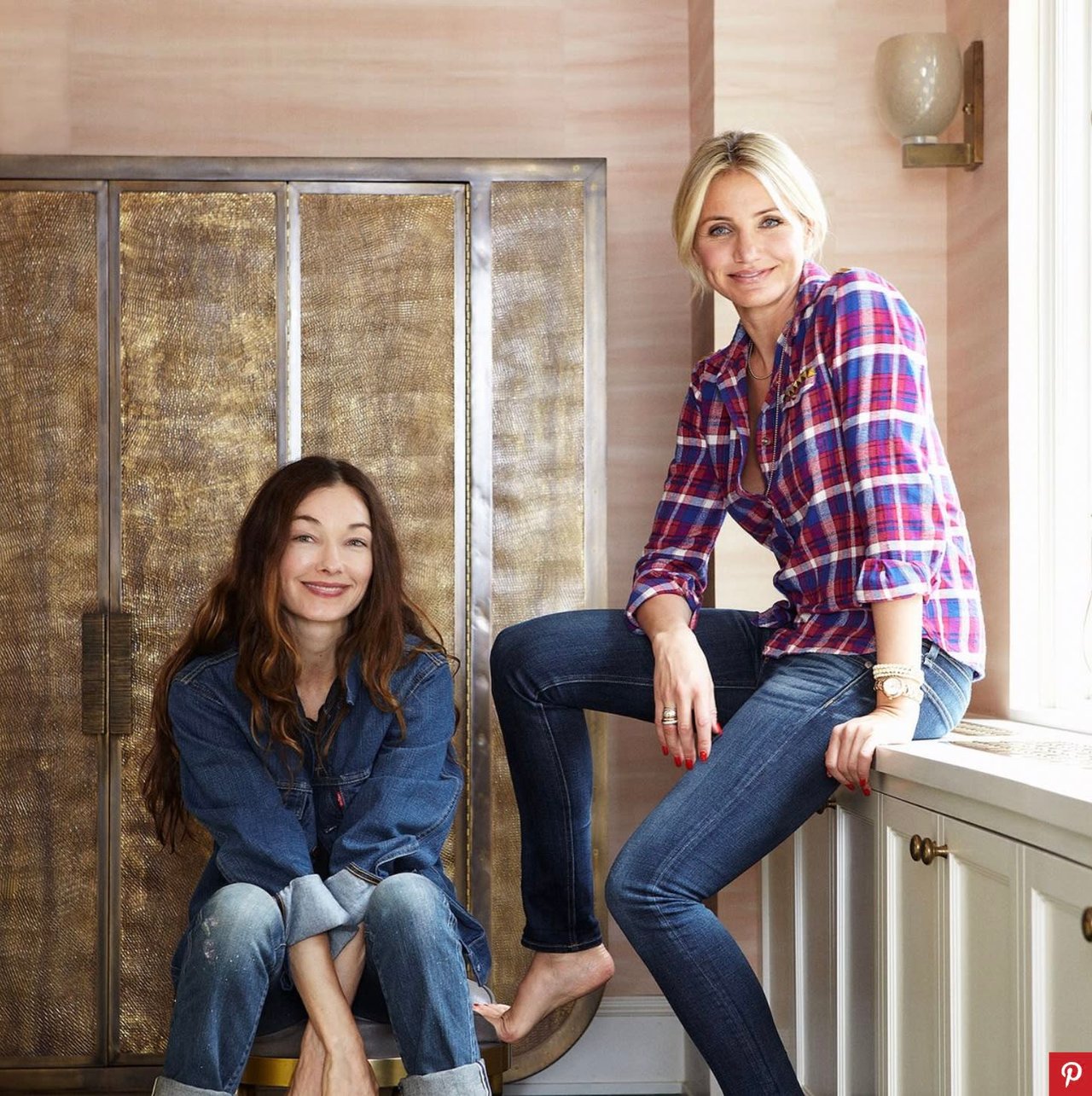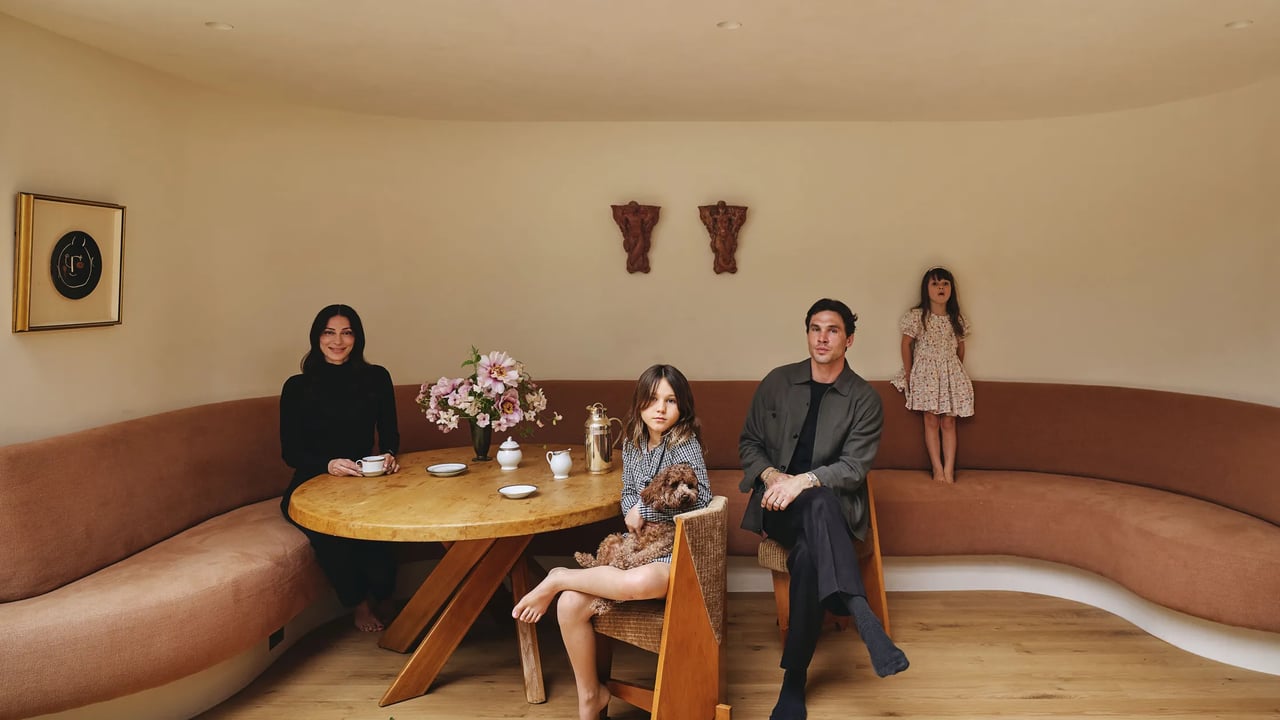
Justin Capuco and Brittney Hart, the husband-and-wife team behind the New York interiors studio Husband Wife, balance reverence for the past with a clear vision of the future. Their aesthetic lives between nostalgia and modern design. “You can’t simply erase a place with embedded history,” Capuco explains. “We’re not in the business of wiping away former lives.” Still, their latest commission challenged that philosophy: a Gilded Age landmark whose original character had been largely stripped away through decades of piecemeal renovations.

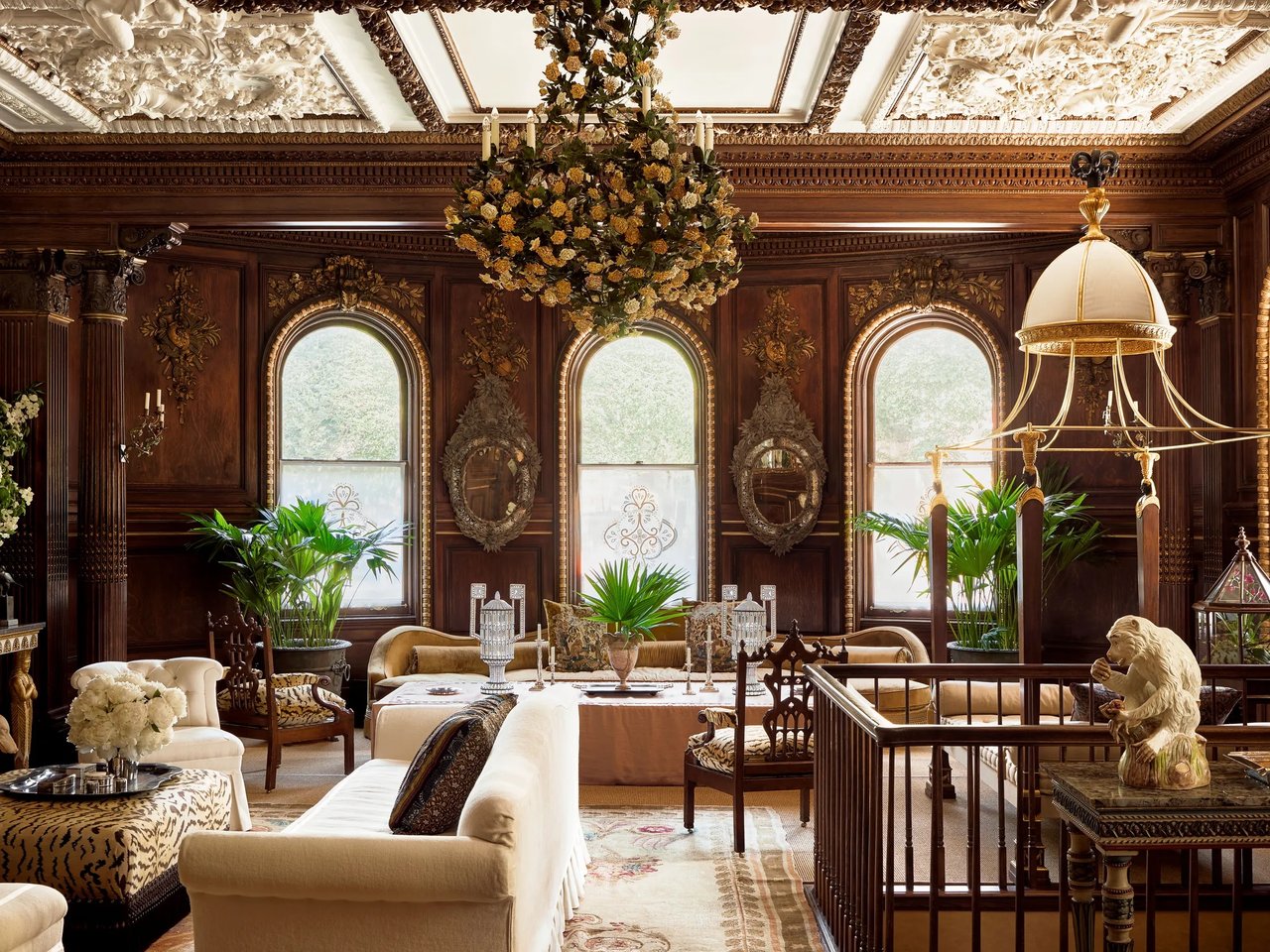
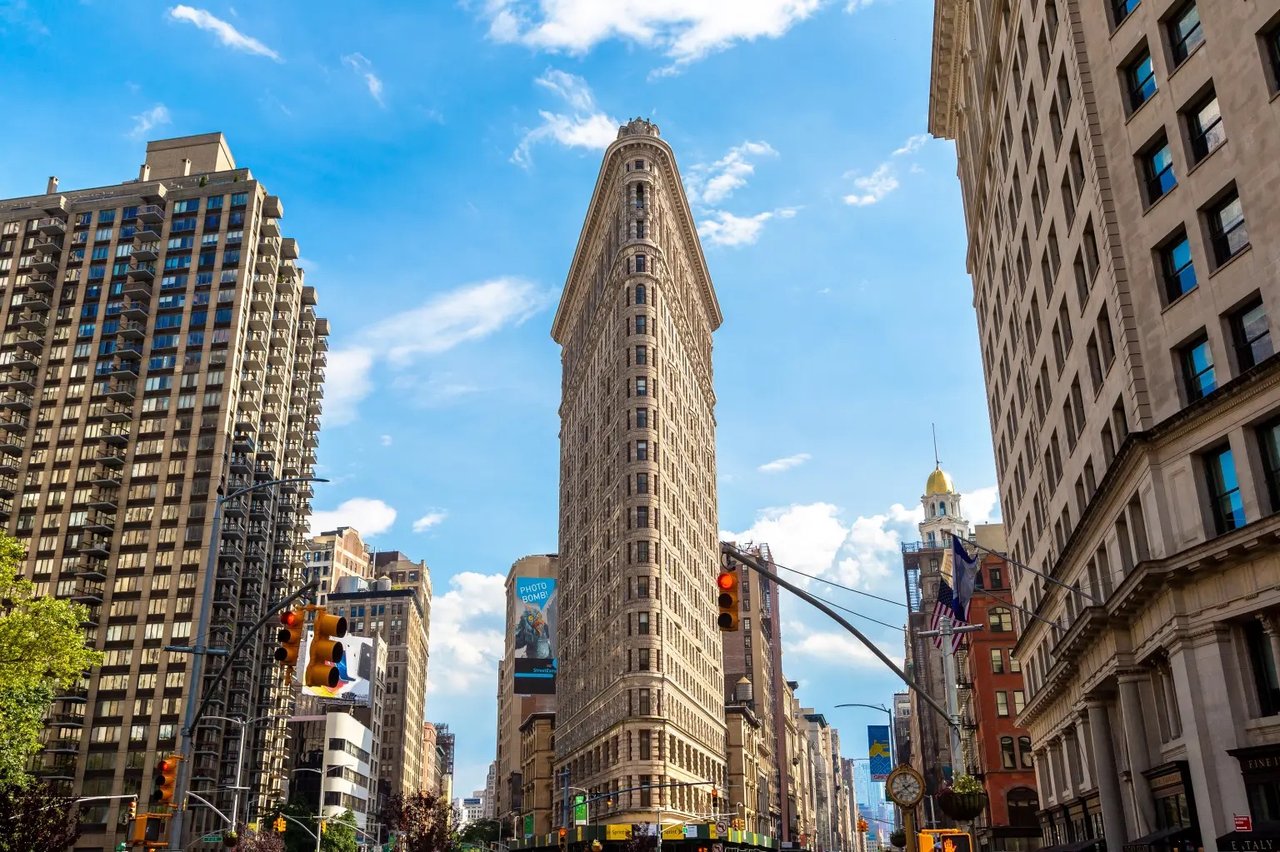
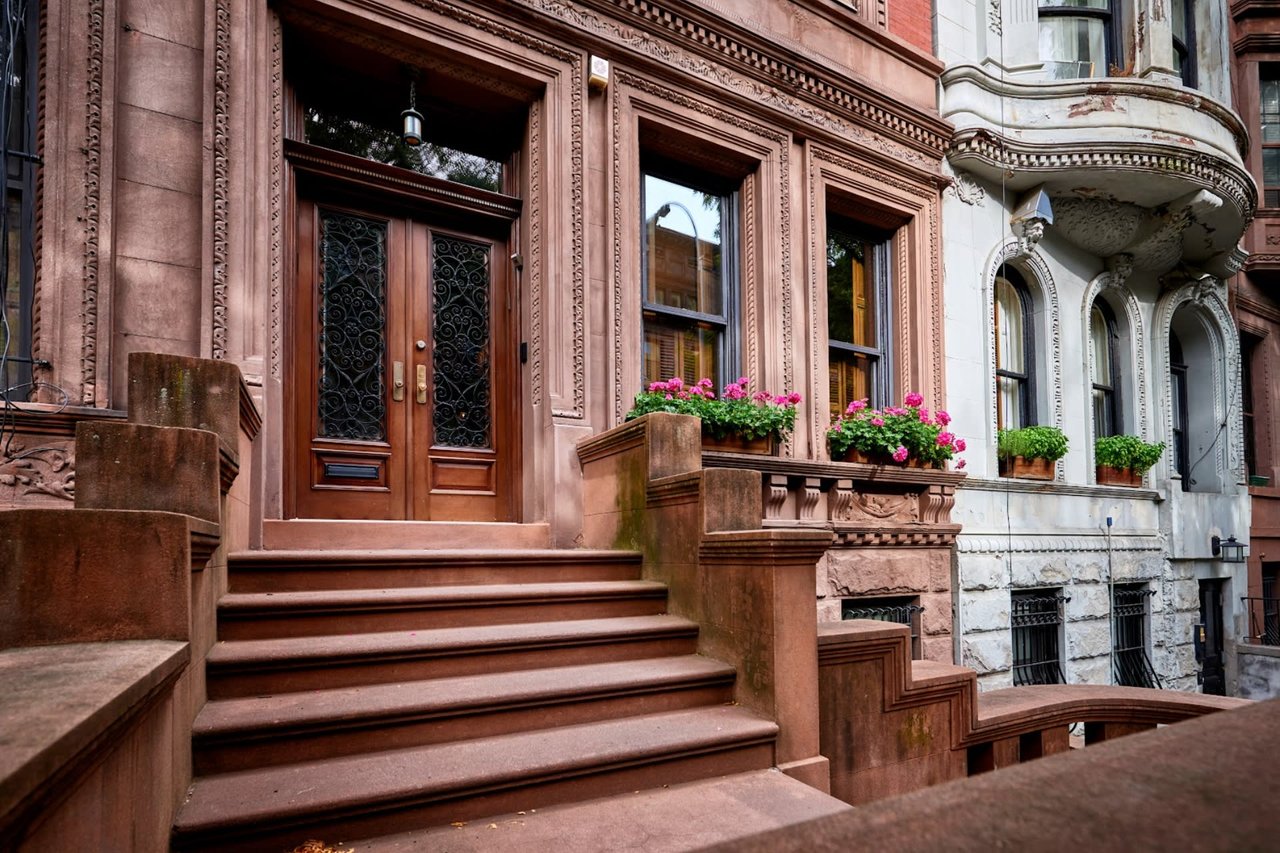
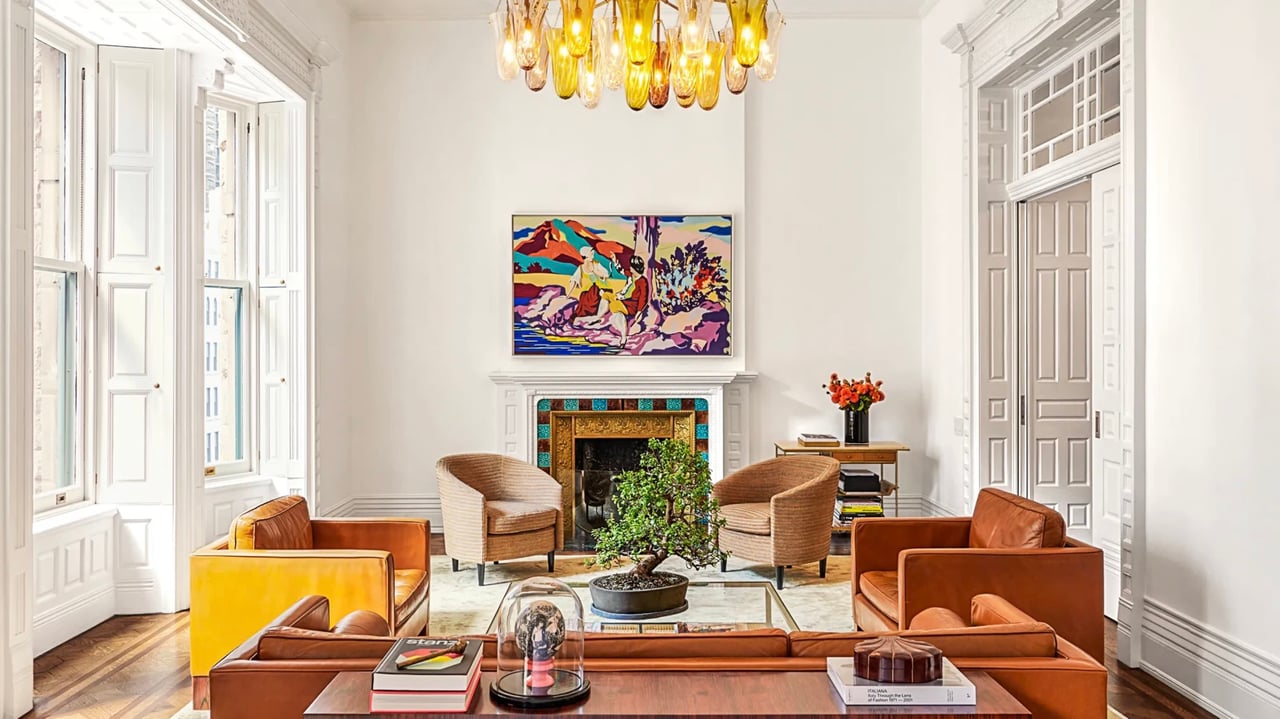
Roughly four years ago, returning clients approached the duo to transform what they hoped would become their long-term family home—a 25-foot-wide limestone townhouse on a leafy Upper East Side street. Designed in 1902 by society architect CPH Gilbert, the neoclassical structure began as a carriage house for banker Jules Bache. In the 1940s, it was acquired by John D. Rockefeller Jr., who converted it into a garage with living quarters for his chauffeur. Decades later, physician Jay Barnett undertook a gut renovation, installing a medical office on the ground floor where he saw patients daily.
By the time Capuco and Hart stepped in, little remained of the home’s earliest chapters aside from its ornate limestone facade. “The inside and outside felt completely disconnected,” Hart says. Rather than resurrect the building’s Gilded Age grandeur, the designers chose to work with the clean-lined framework left behind by Barnett’s renovation.

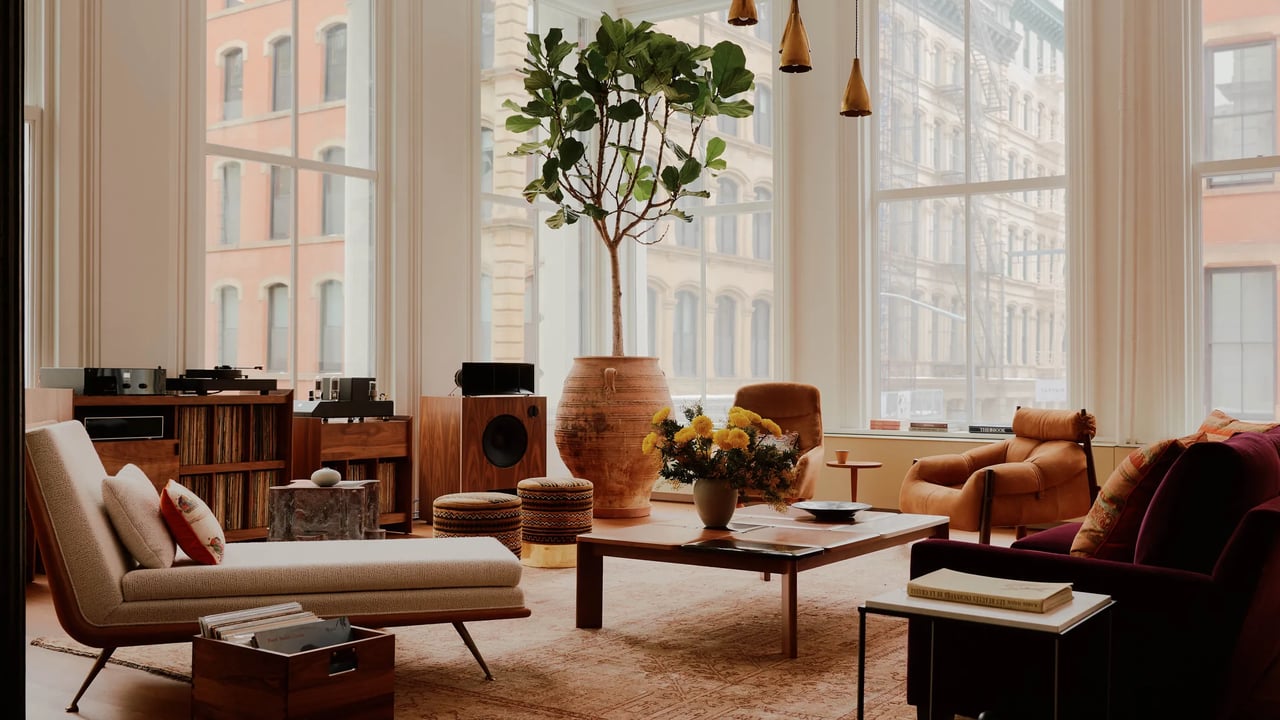
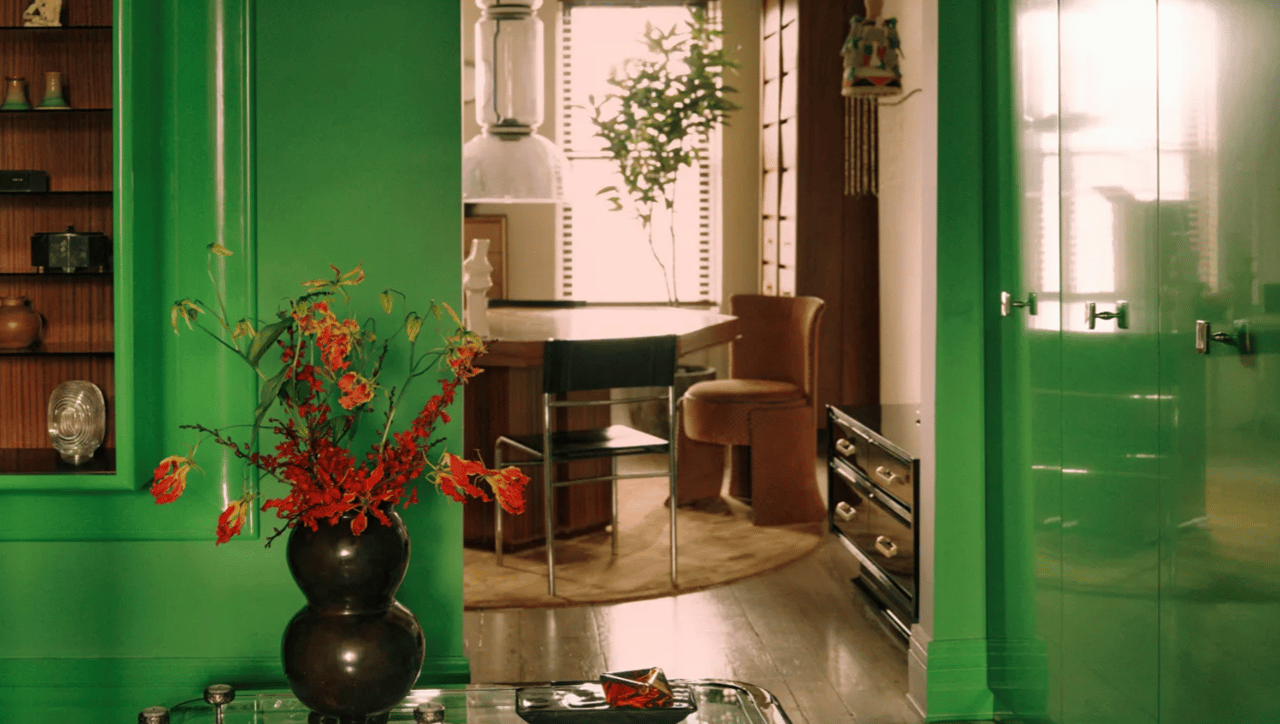
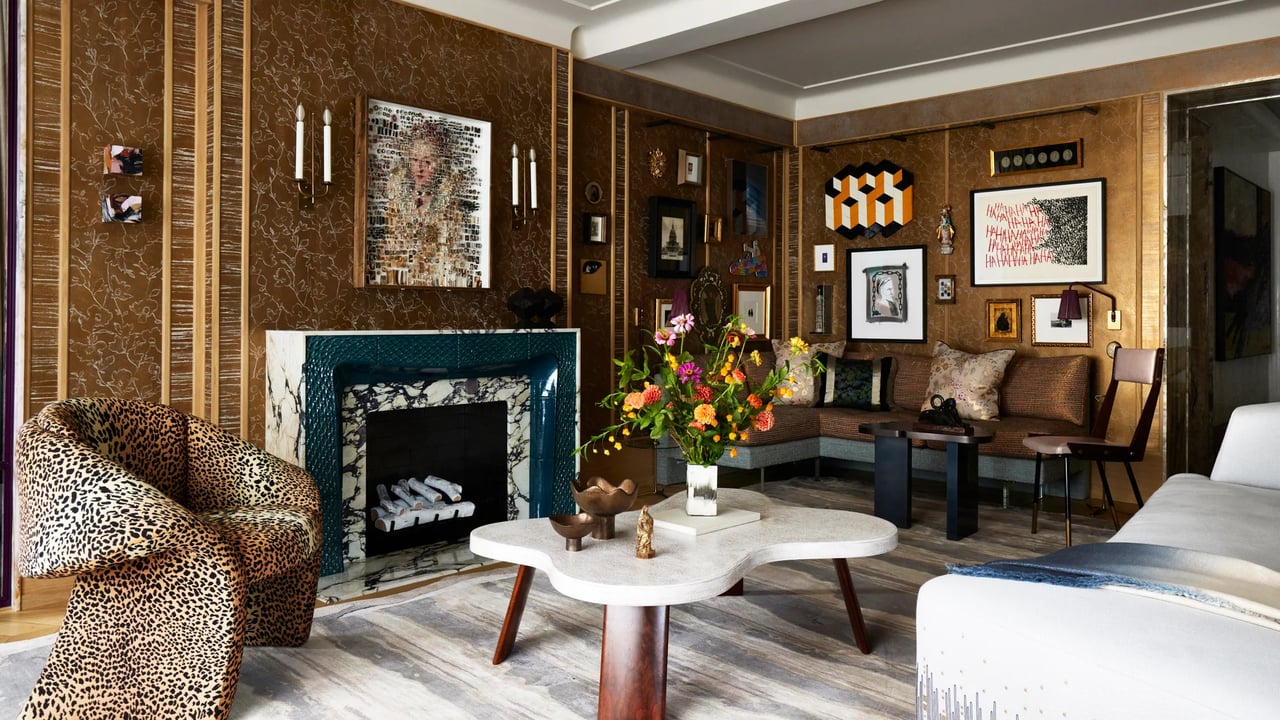
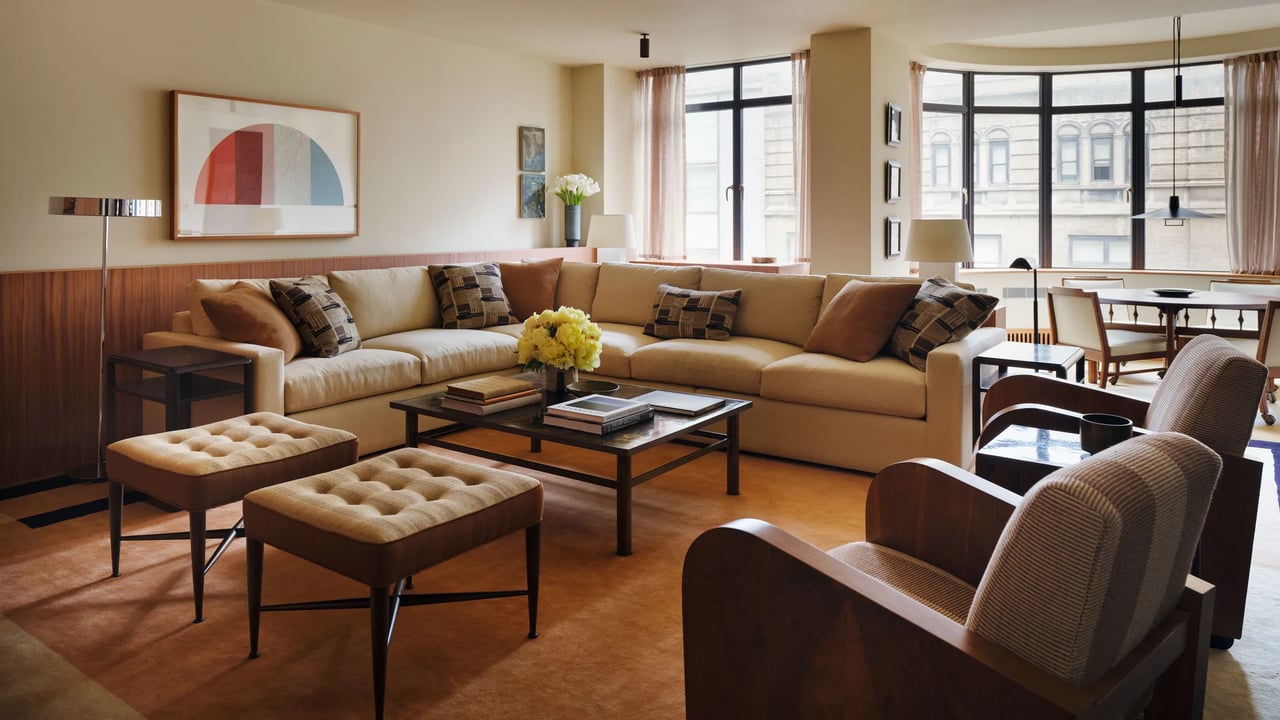
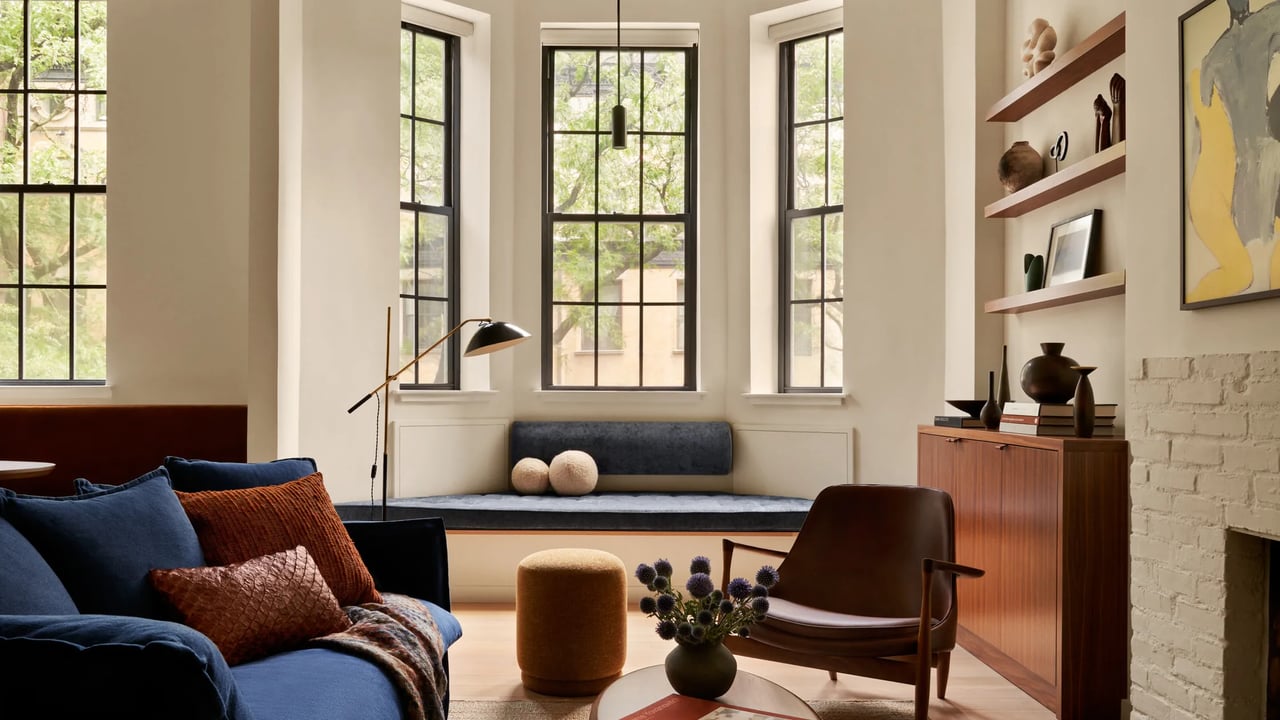
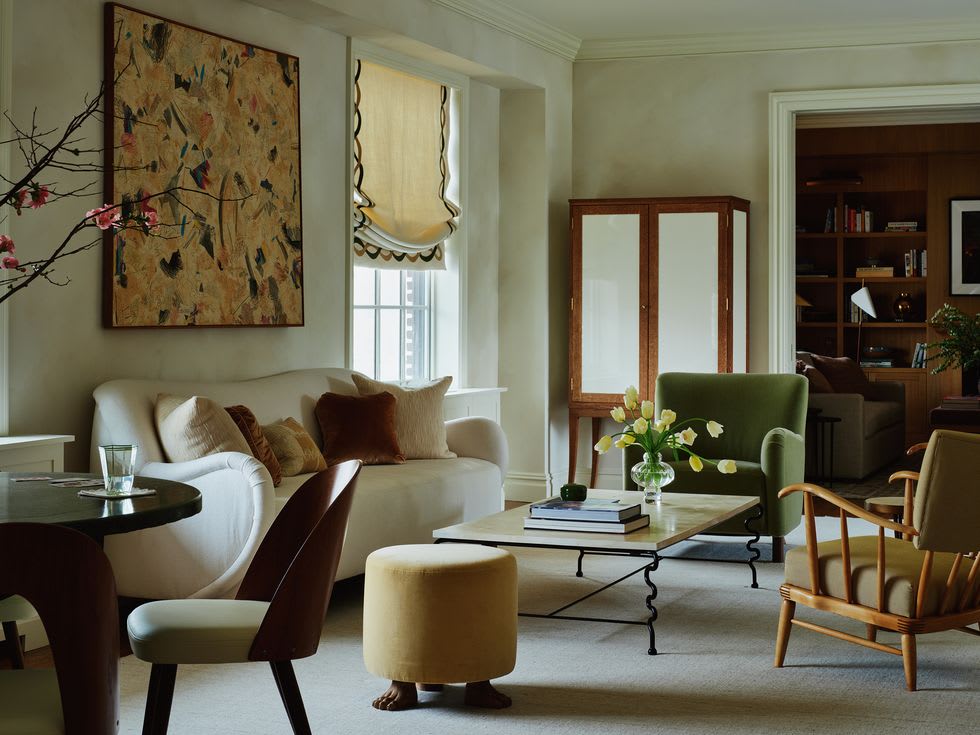
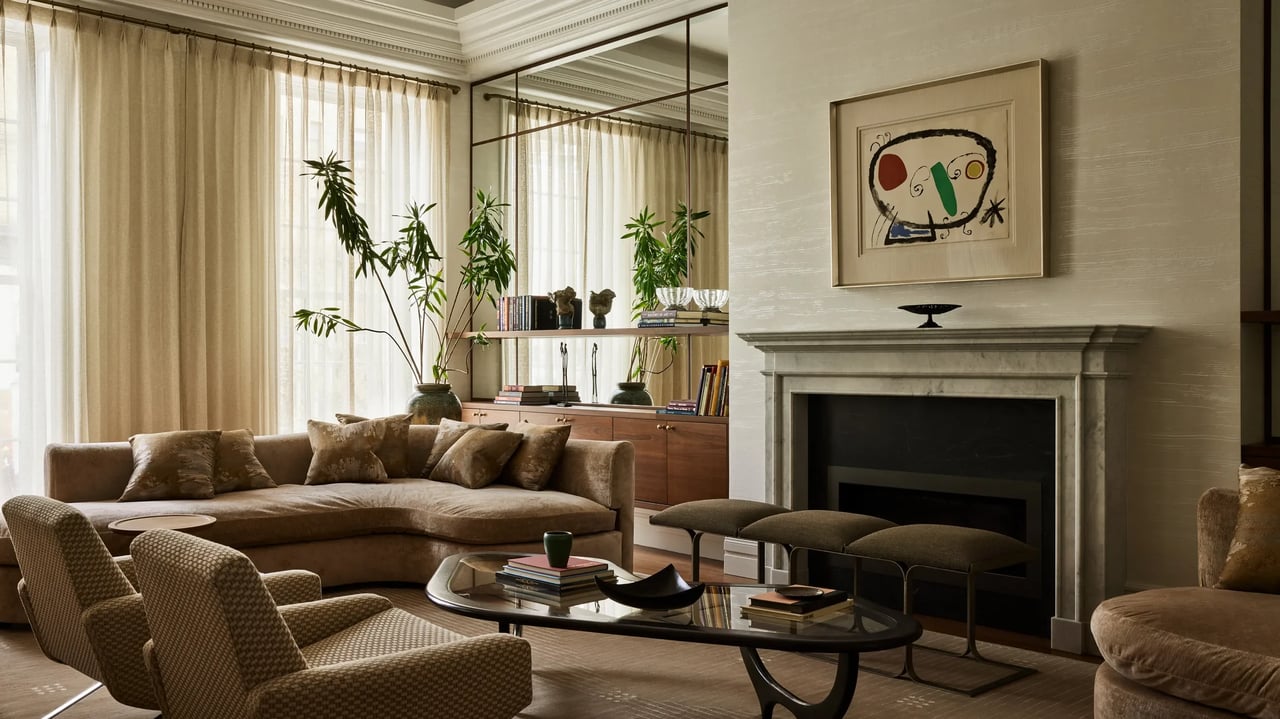
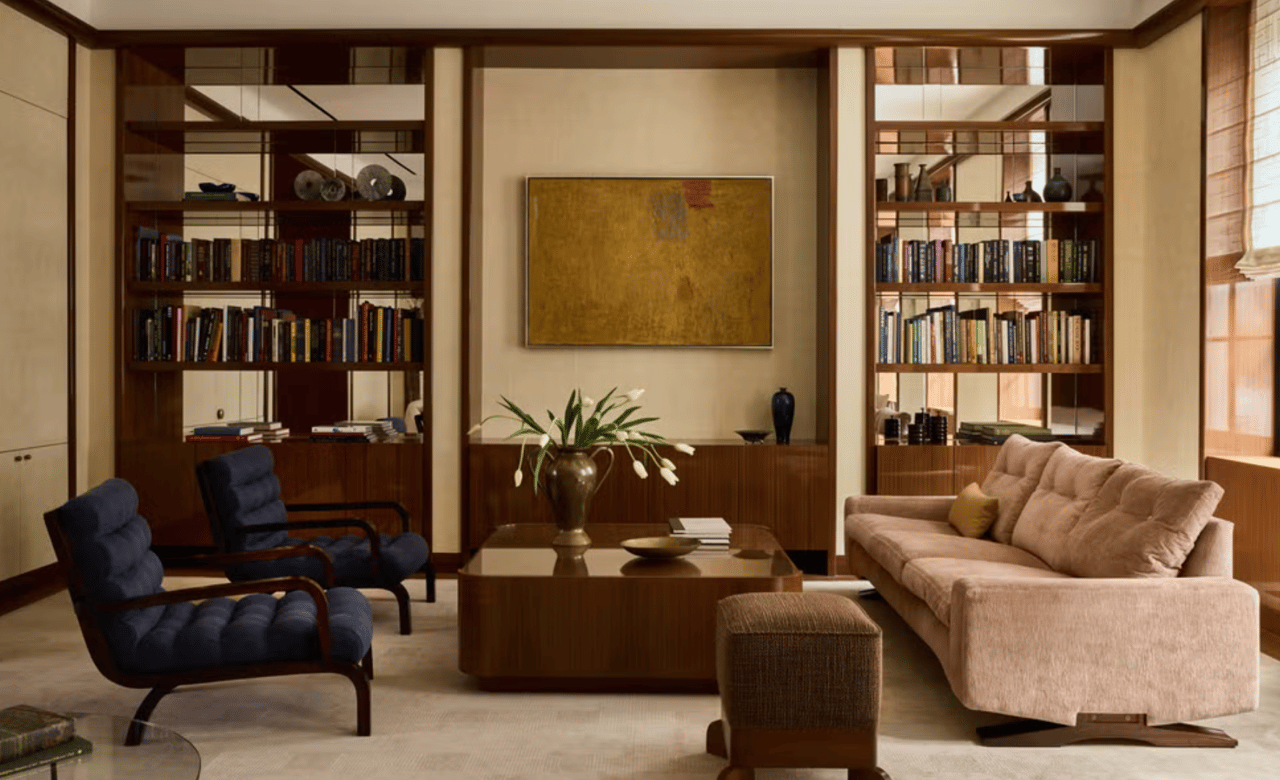
They found inspiration in midcentury Italian interiors, layering the space with rich materials and subtle geometry. “Much of the existing structure aligned with what was happening in high-end Italian design in the mid-20th century,” Capuco notes. The living room now blends parchment wallcoverings, lacquered walnut, mirrored accents, and travertine floors, creating an atmosphere that feels both restrained and tactile.
The designers drew from icons such as Milanese architect Piero Portaluppi—known for Villa Necchi Campiglio—and visionary designer Osvaldo Borsani, whose sculptural furnishings helped define Italian modernism. The result is understated yet expressive, shaped by texture and tone rather than ornament.
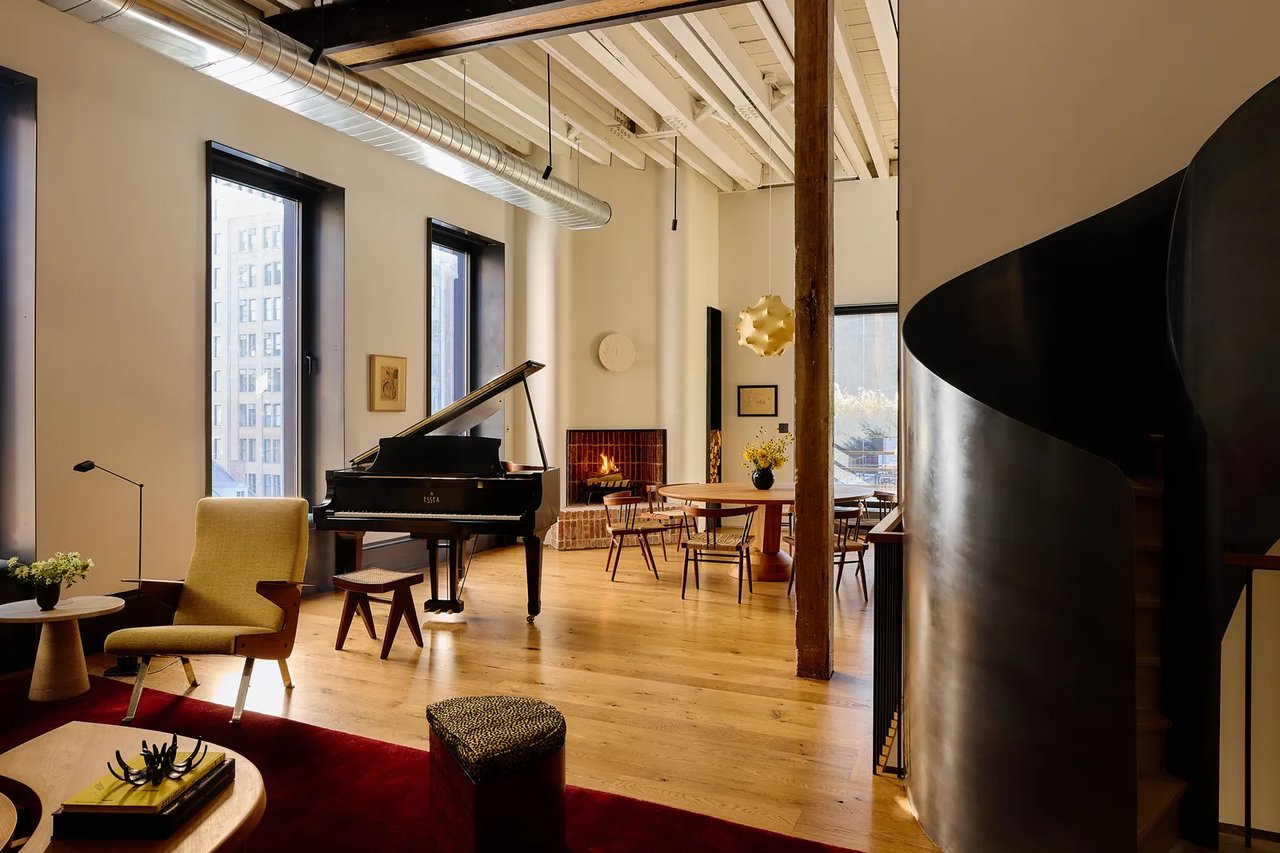
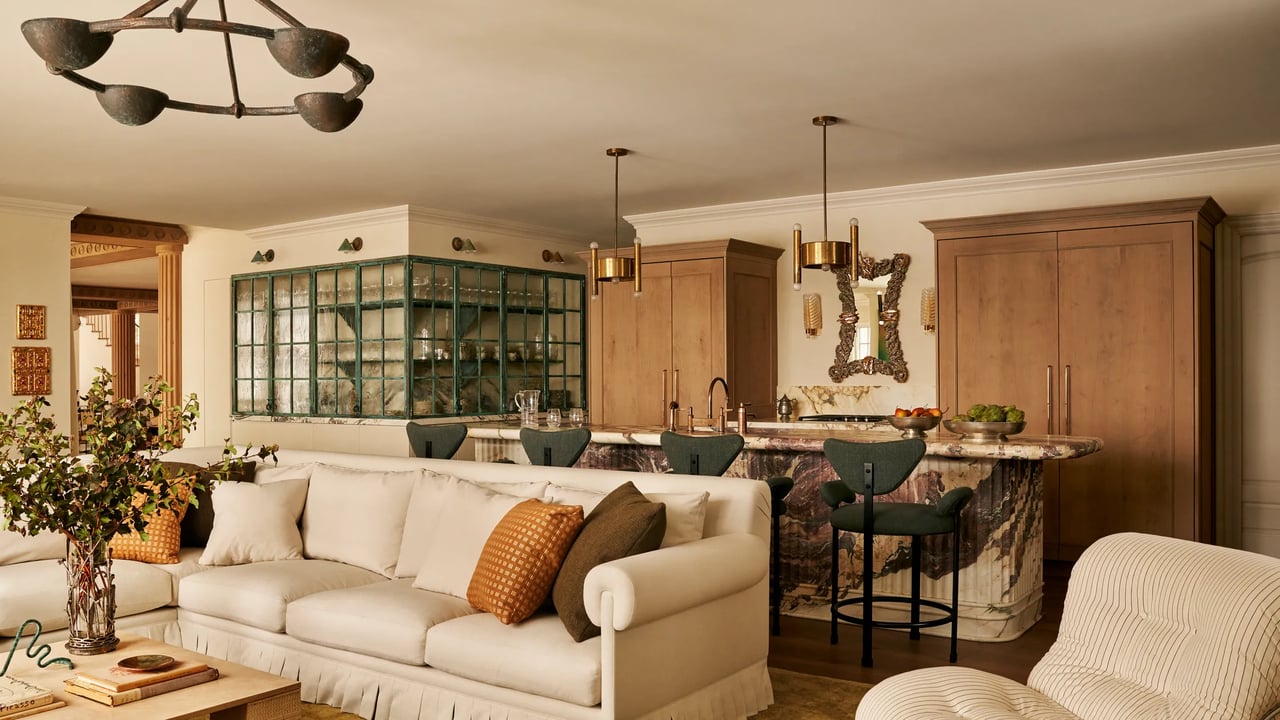
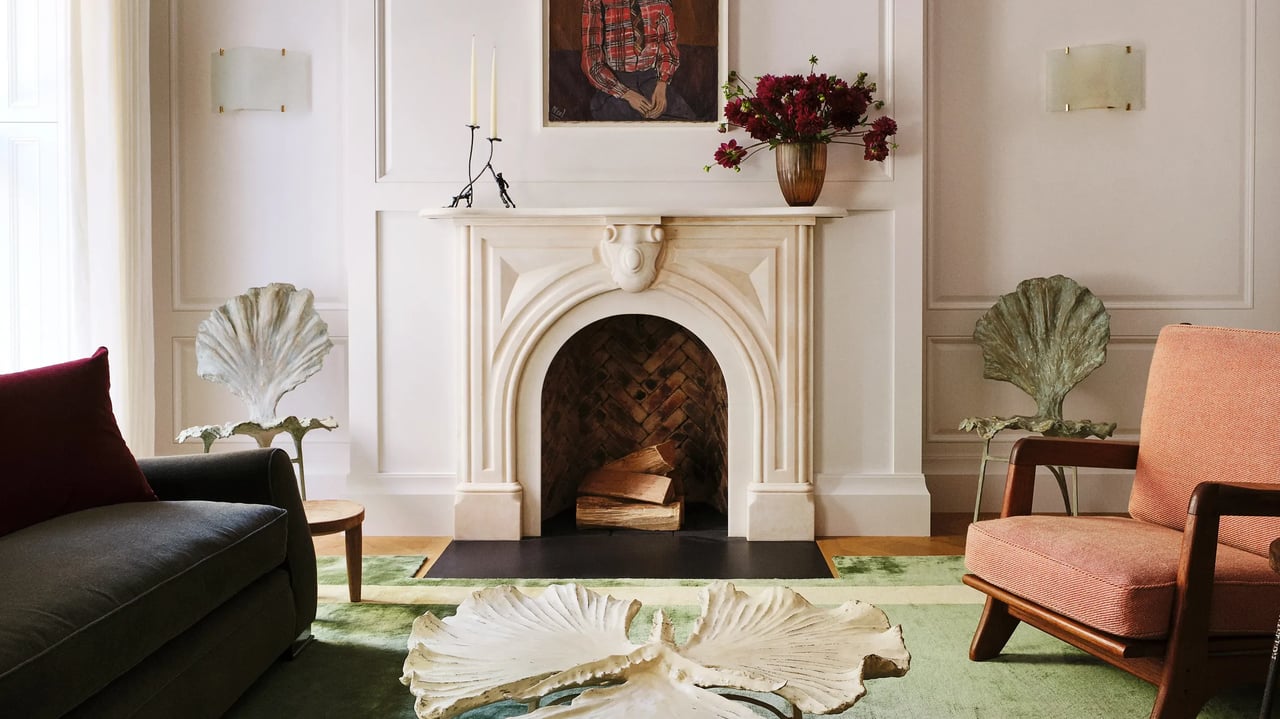
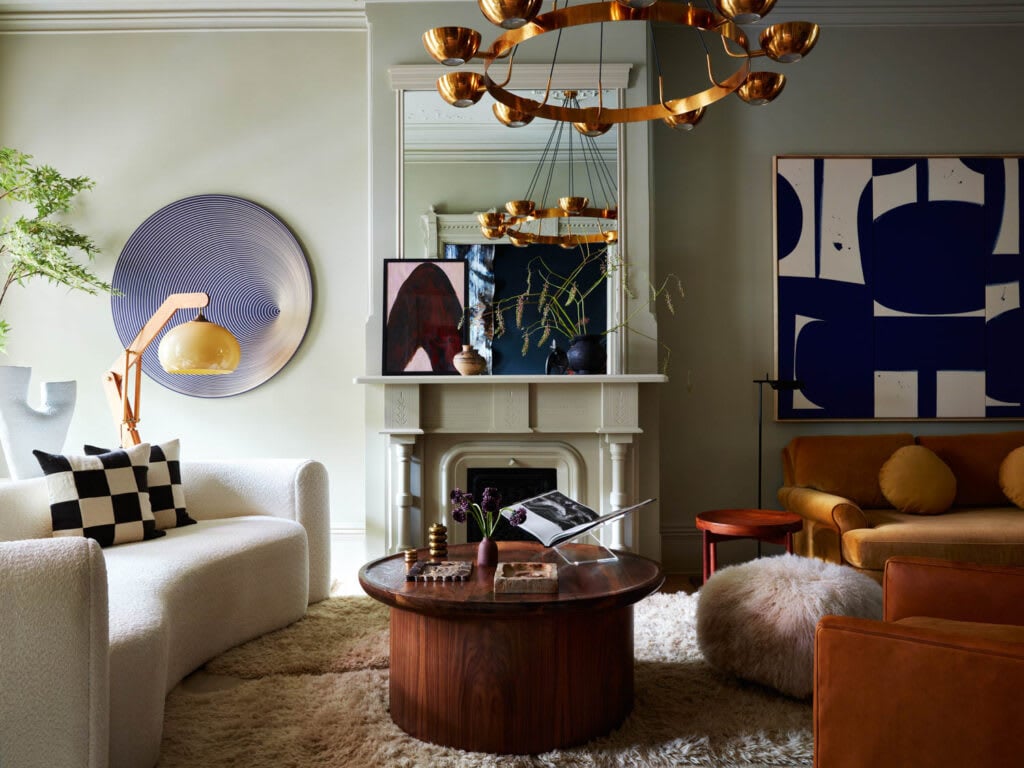
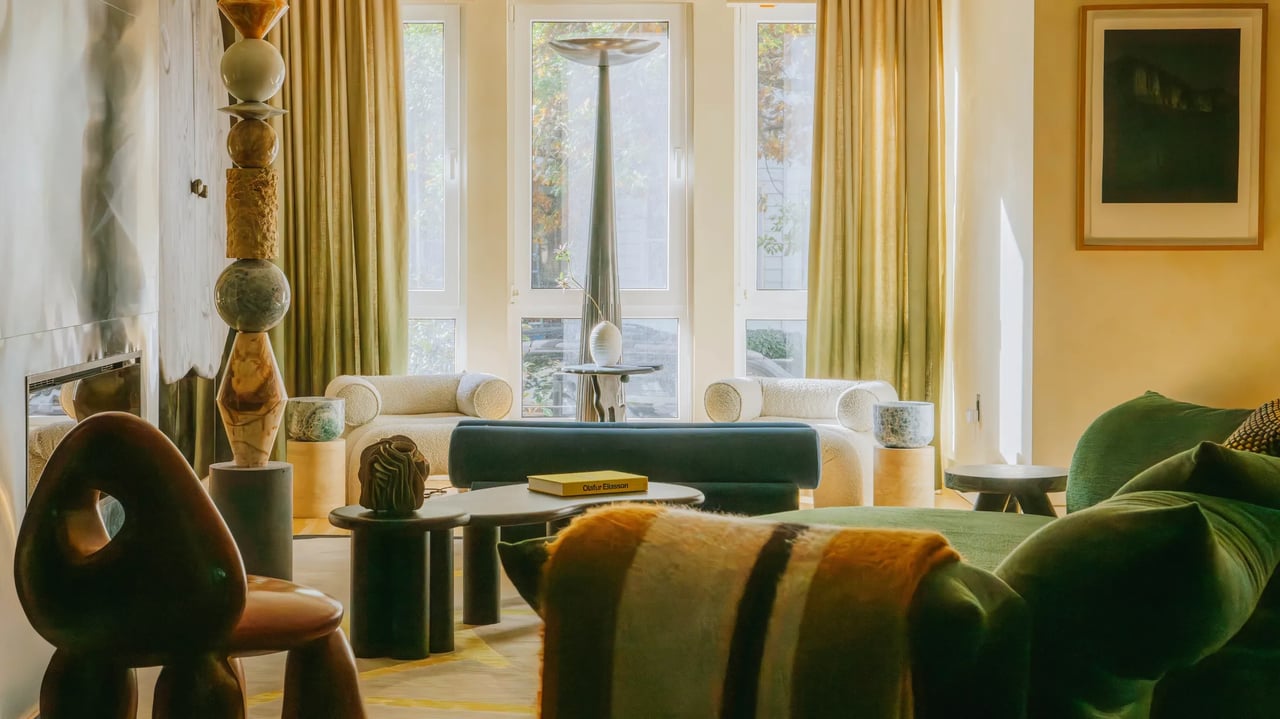
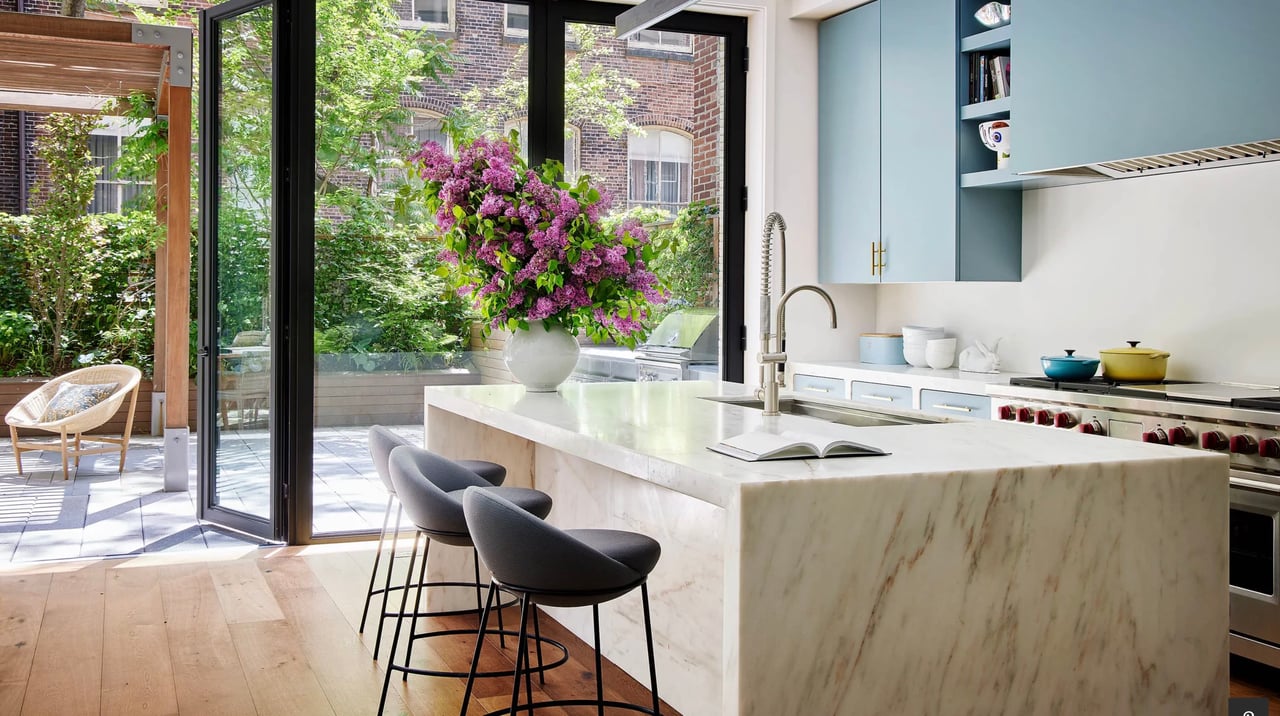
Custom pieces by Husband Wife anchor the interiors, complemented by carefully sourced vintage finds, especially in the lighting. Highlights include a floral-inspired floor lamp by Lothar Klute, saucer-like pendants by Perry King and Santiago Miranda for Arteluce, and a 1930s Bauhaus-style nickel sconce in the kitchen. After an exhaustive search for the right fixture above the oversized island, the pair selected a brass-and-parchment chandelier by Diego Mardegan for Glustin Luminaires. Polished travertine floors and Taj Mahal quartzite countertops maintain a serene, cohesive palette.

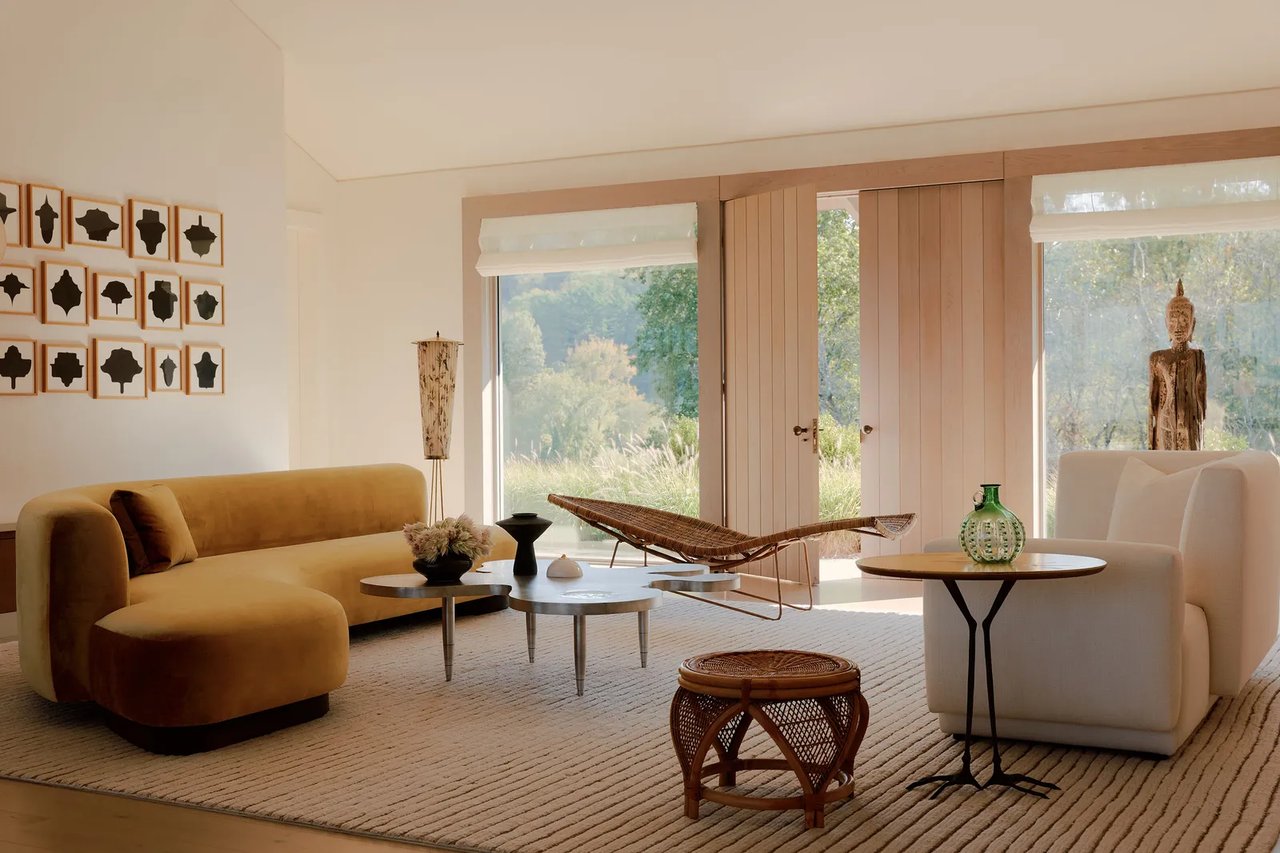
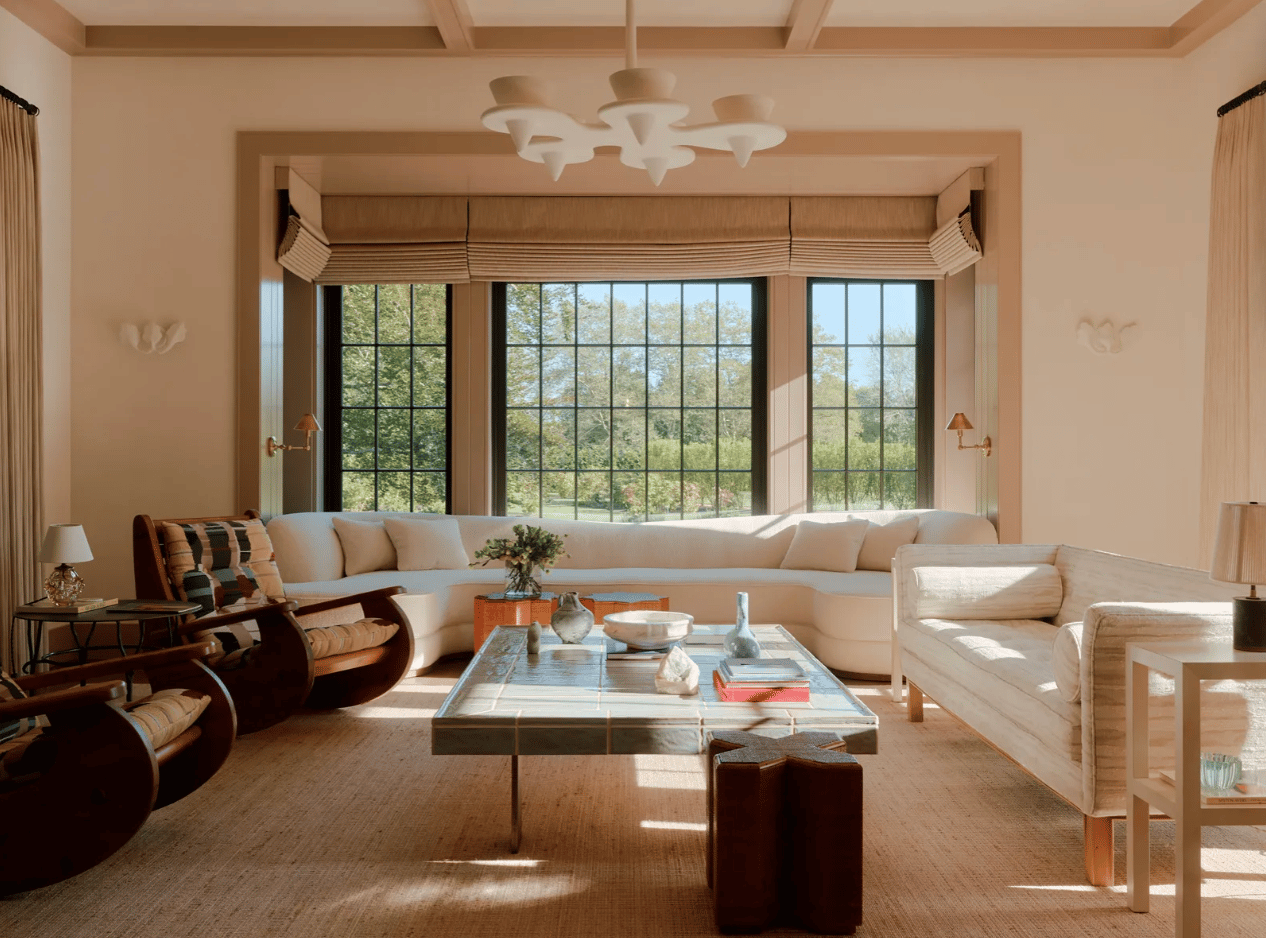
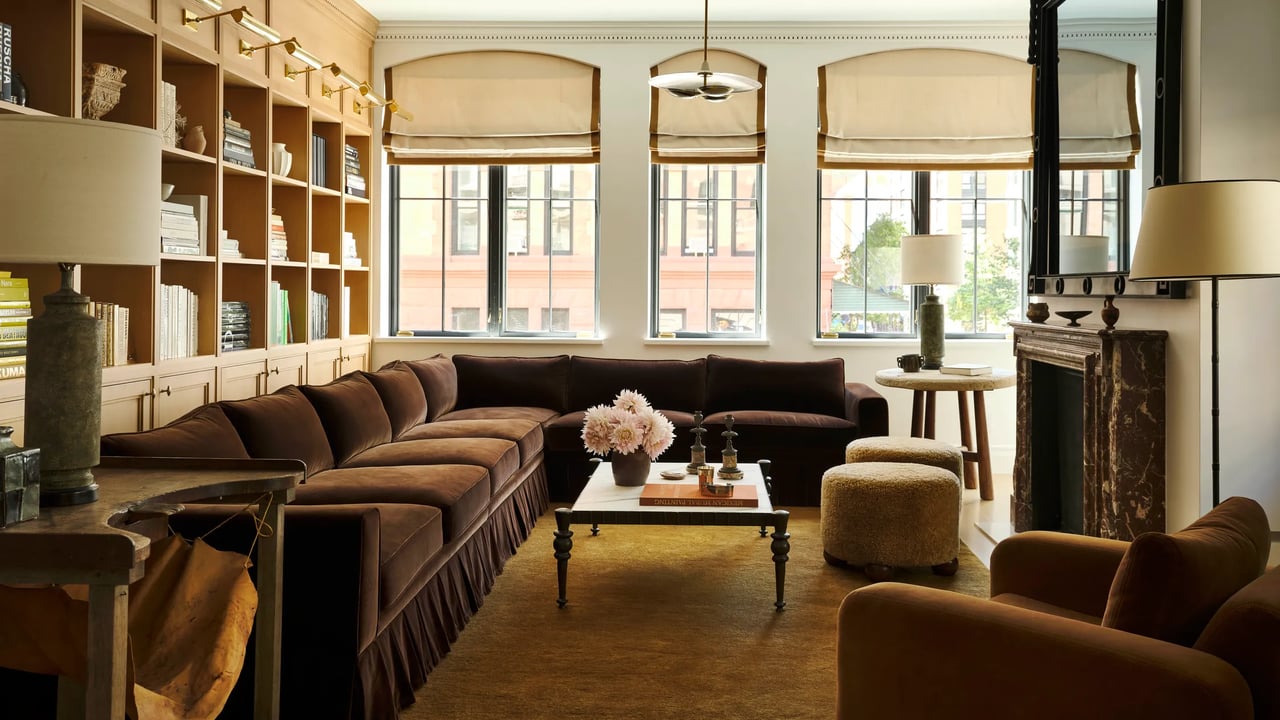
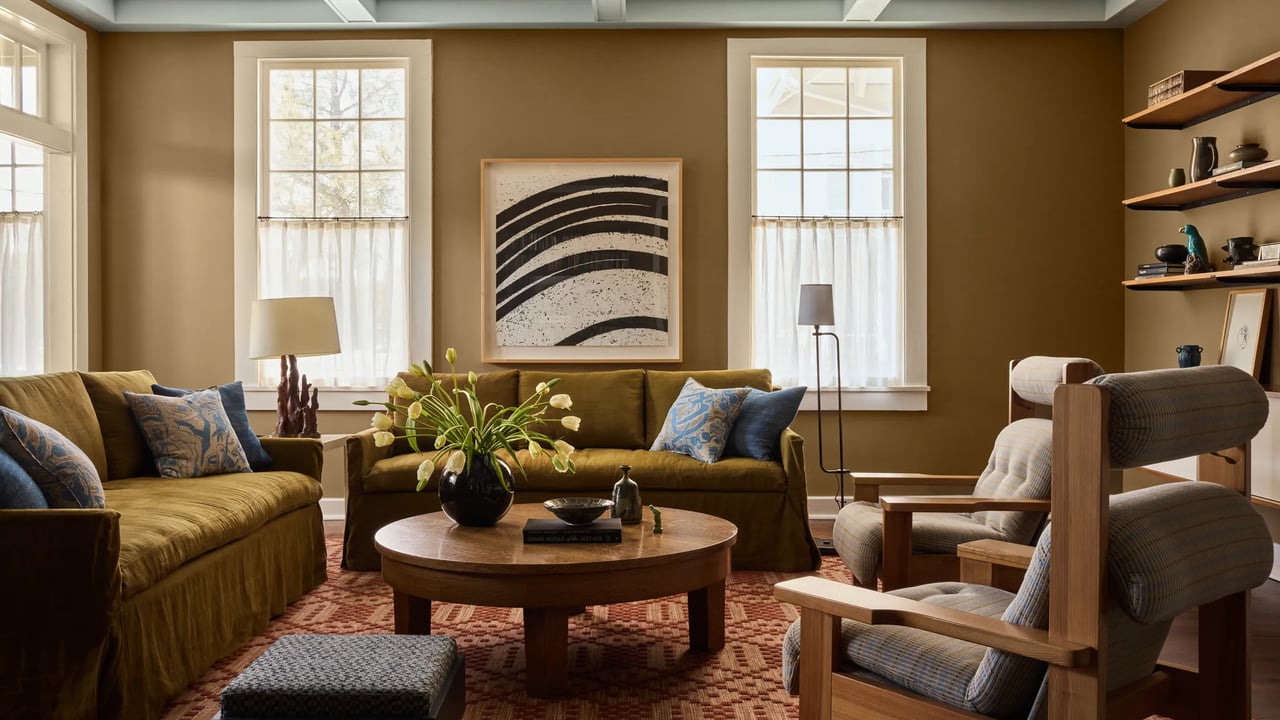
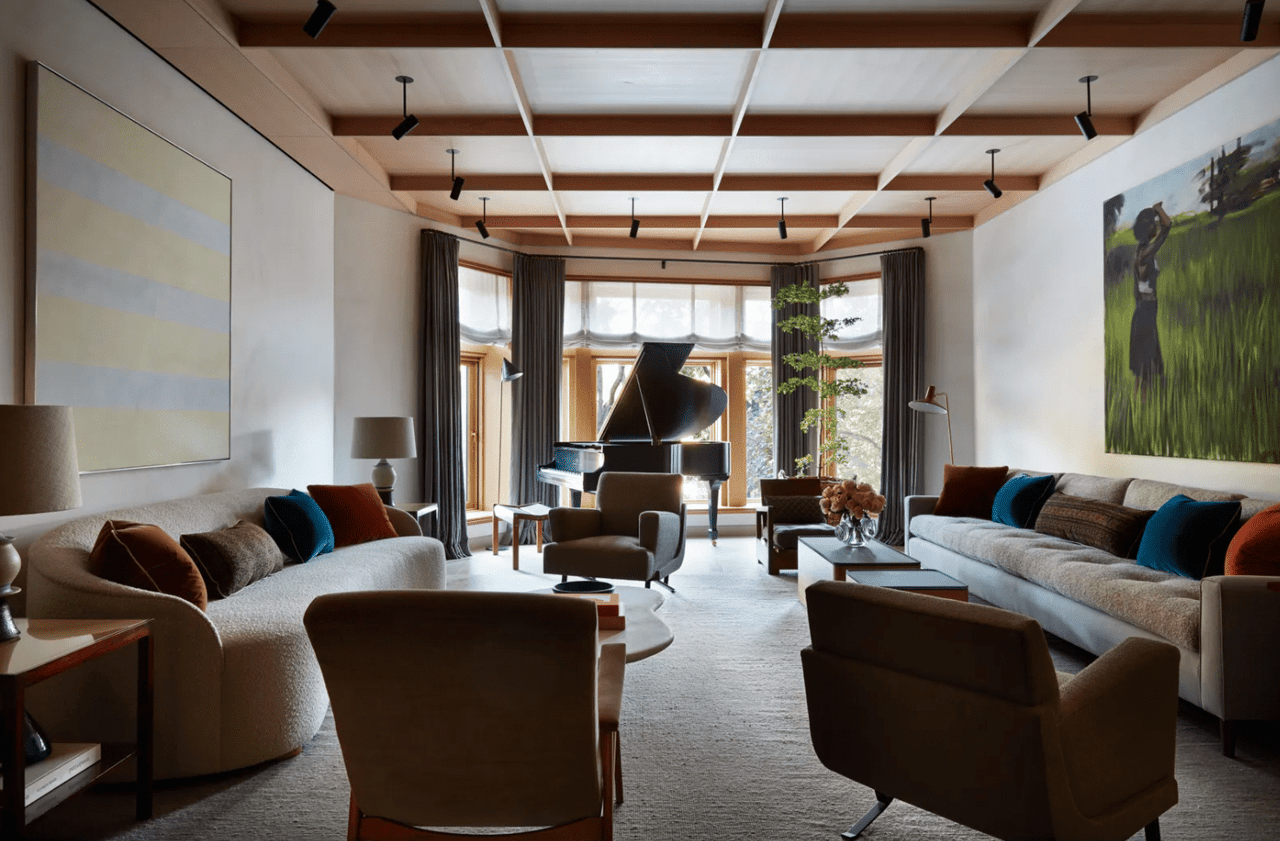
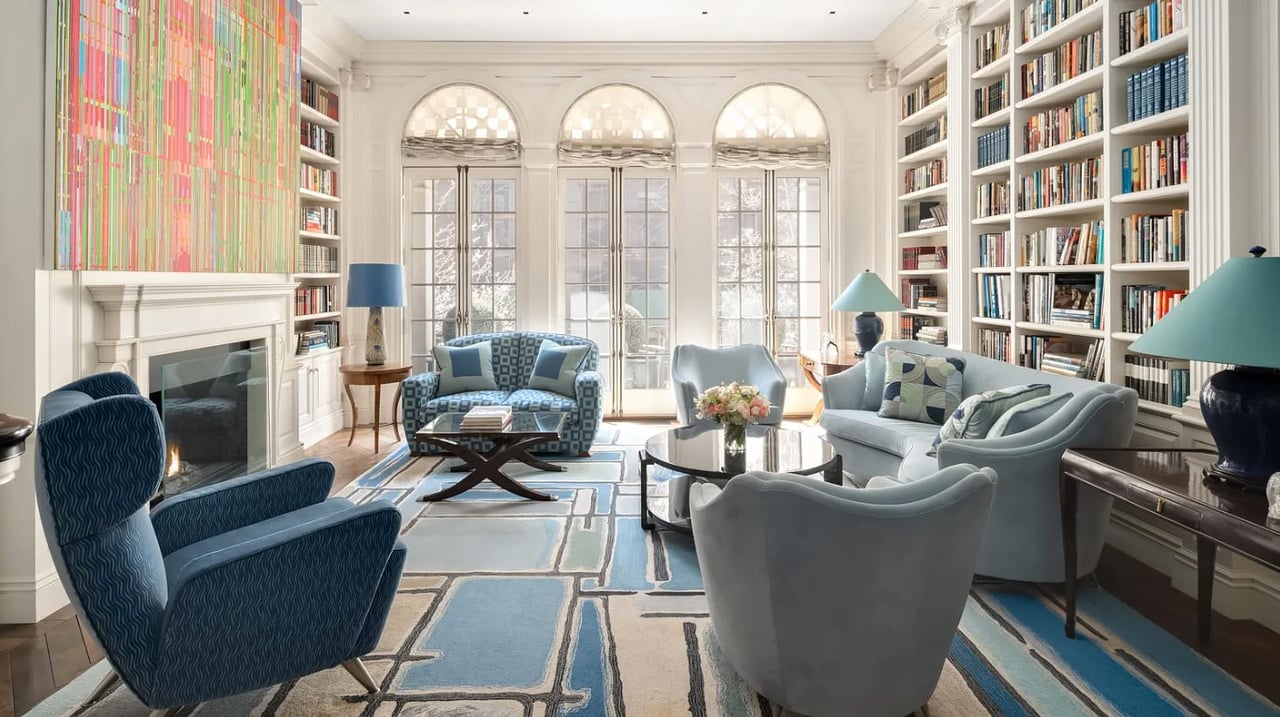
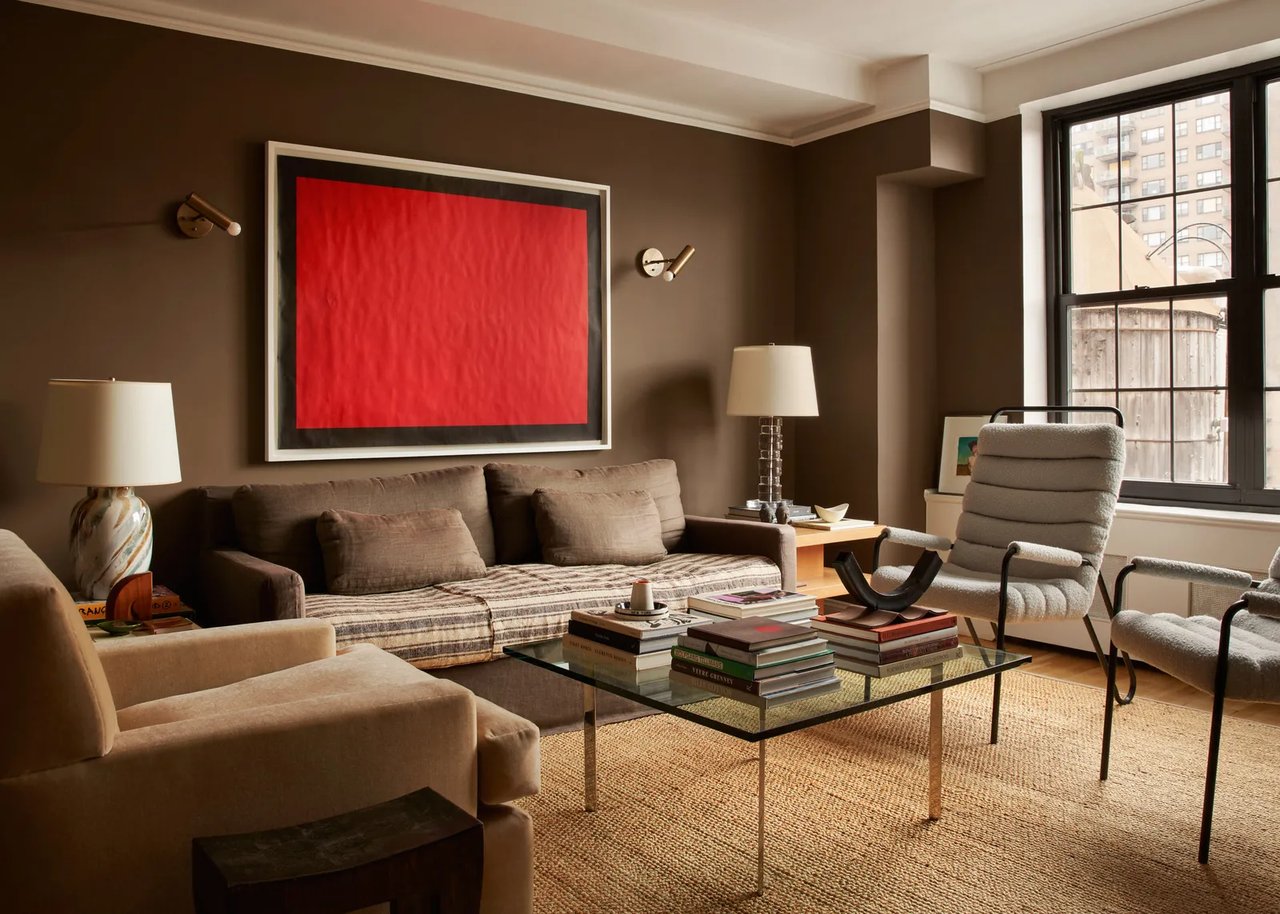
The living room was designed with flexibility in mind. Over the course of the project, the family grew from three members to five, and the clients wanted a space that felt refined but never precious. “They liked the balance of casual and formal,” Capuco says. Inspired by 1930s interiors that often featured multiple seating areas within a single room, the designers created a series of interconnected vignettes. A vintage wicker, brass, and travertine table by the Bielecky Brothers serves as a hub for games and meals, while a custom curved sofa softens the adjoining corner.
Elsewhere in the room, a 1960s Flexform sofa by Franz Sartori sits alongside channel-tufted armchairs by Borsani. A rounded walnut cocktail table—designed by Hart and Capuco—features concealed drawers for toys and a glass top for easy upkeep. “It’s highly practical,” Hart says, “but it still carries a sense of polish.”

One of the most dramatic interventions occurred on the ground floor, where a former garage left the entry dark and compressed between narrow corridors. The team reworked the stairwell to draw light down from a skylight above, allowing illumination to cascade through all three levels. The once-shadowed foyer now feels open and gallery-like, an ideal setting for the homeowners’ art and antiques.
“To be honest, this is one of the homes we’ve created that we’d happily move into ourselves,” Capuco says. Hart agrees: “The clients could see the potential from the start. Watching it come to life has been incredibly rewarding.”
(Elle Decor 2026)