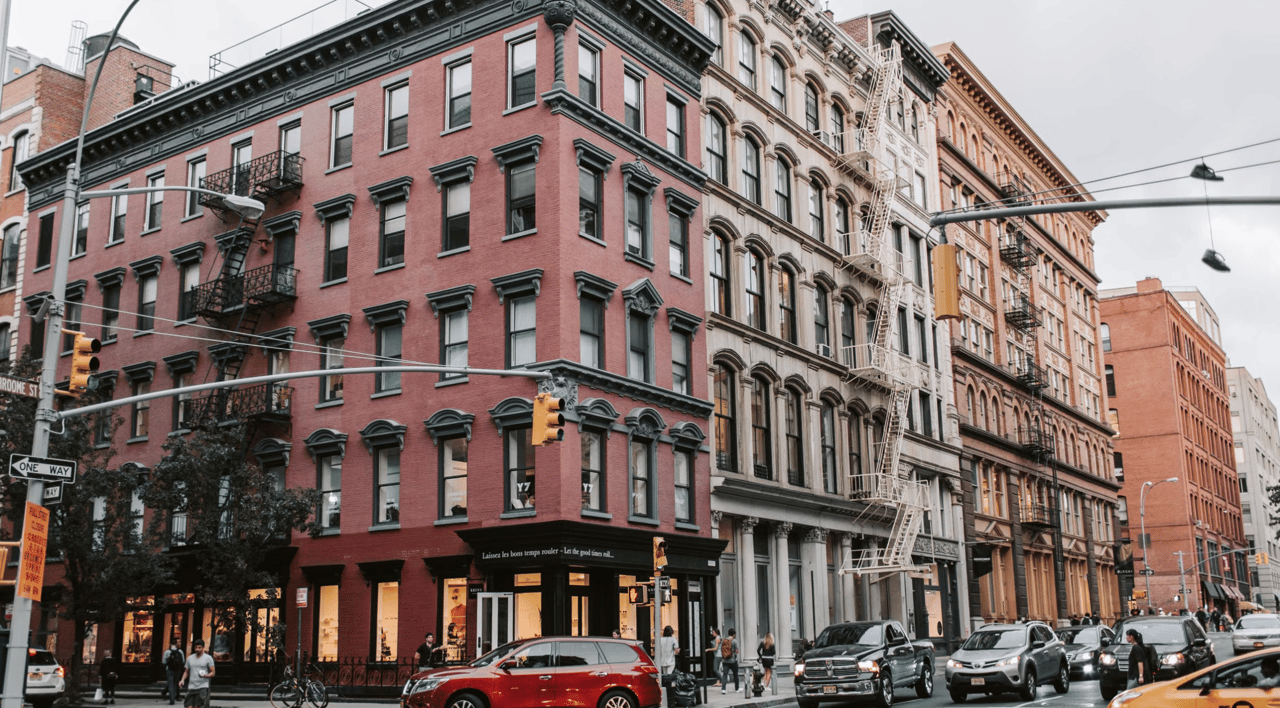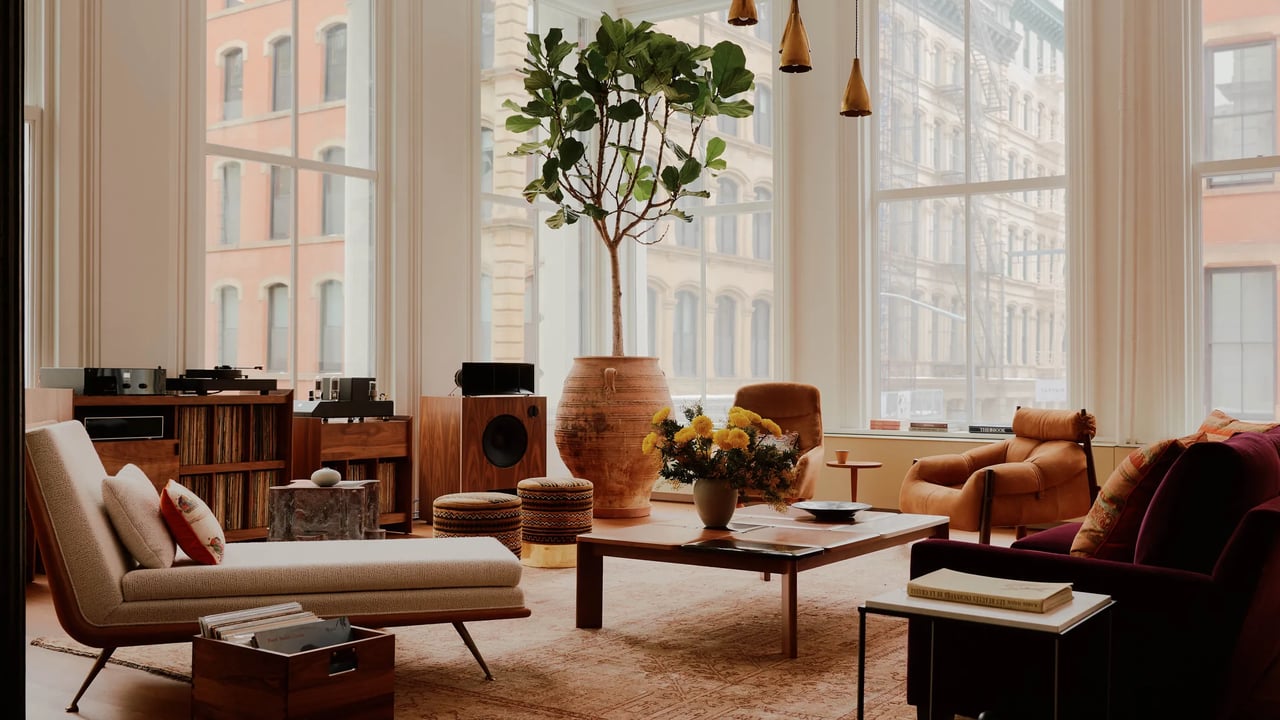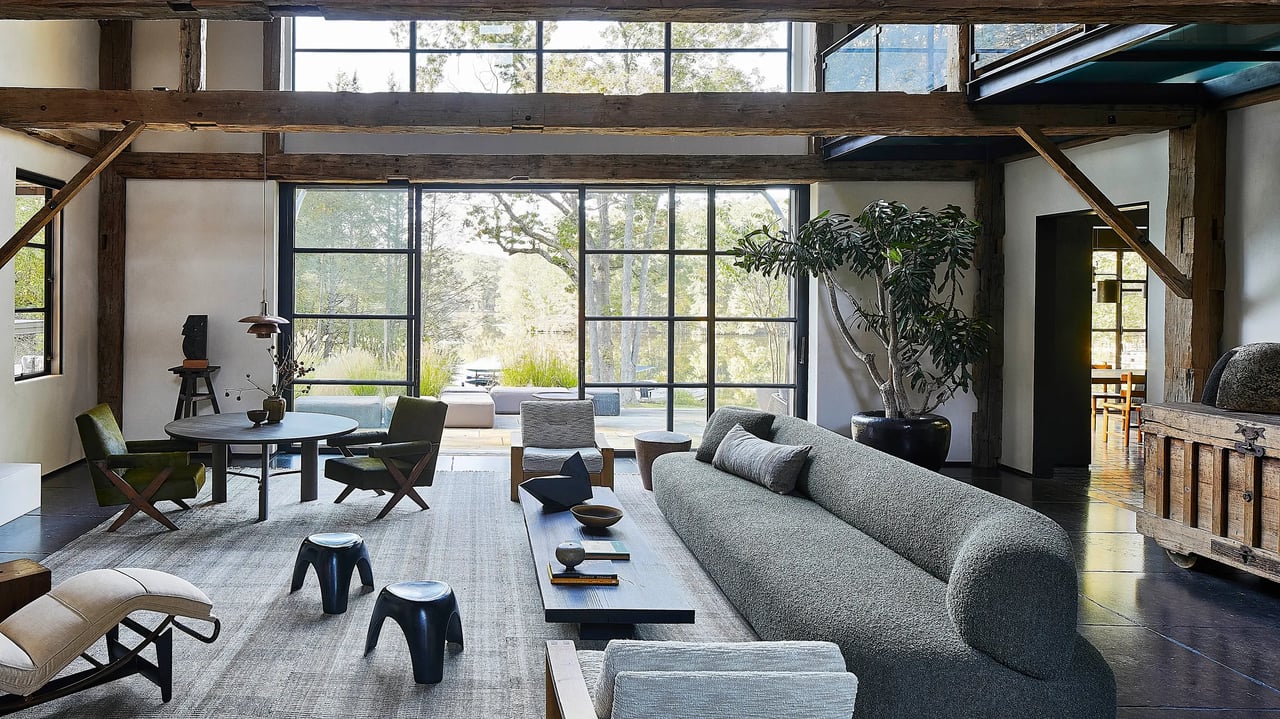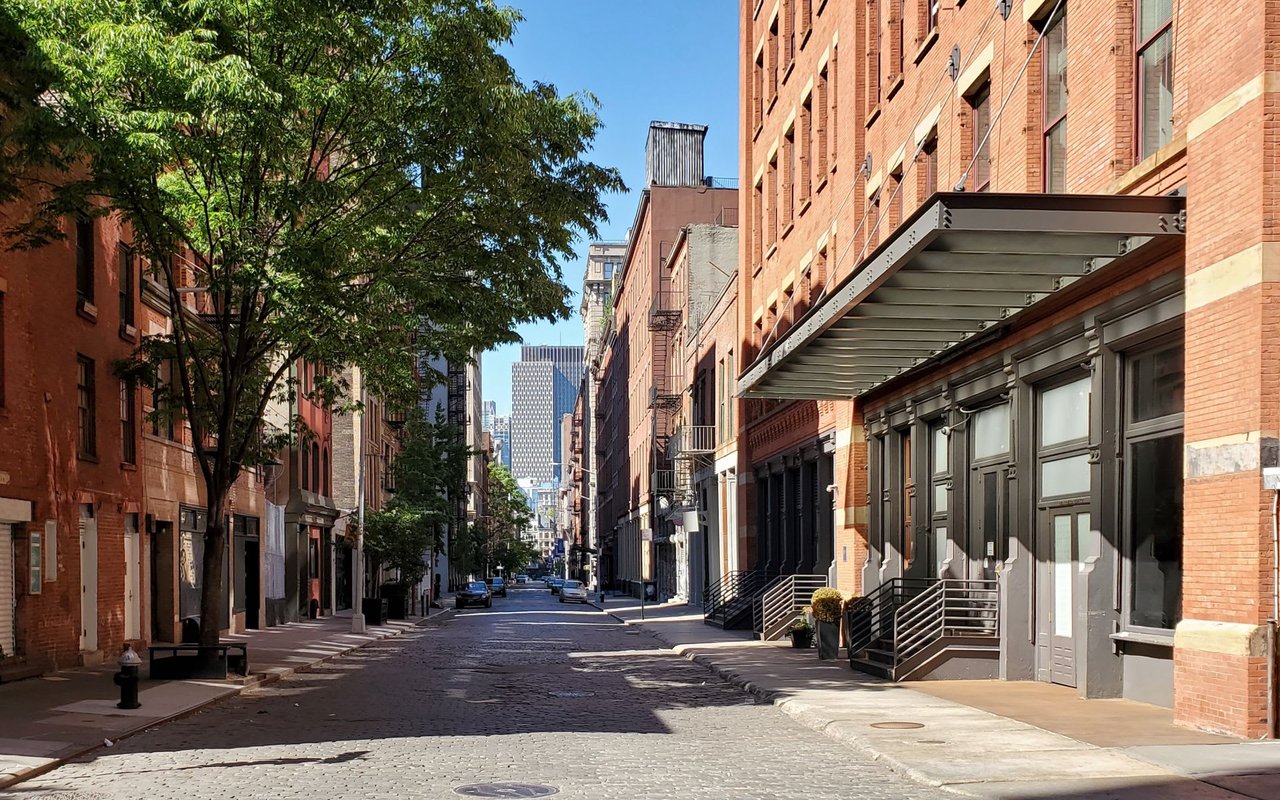
At first glance, the home seemed to check every box: a coveted Tribeca address, striking architecture, a storied past, and a sprawling 6,750 square feet of living space with soaring ceilings, a generous roof terrace, and even a private garage. Still, something didn’t feel quite right.
On his initial visit, designer Nate Berkus sensed the disconnect immediately. Despite the recent renovation and expansion, the craftsmanship didn’t reflect the building’s history—or the expectations of the clients planning to make it their primary home. It quickly became clear that the existing redo fell short.
The homeowners, a globally minded creative couple, felt the same. They wanted a space that could seamlessly restore historical character while still feeling livable, so they enlisted Nate Berkus Associates. Their goal was to create something enduring—timeless rather than trendy.
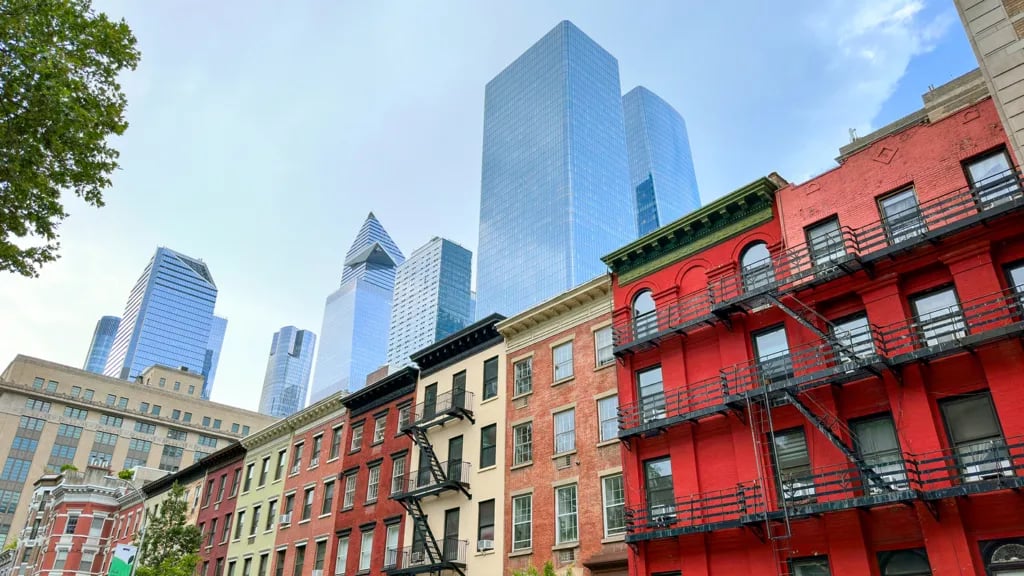
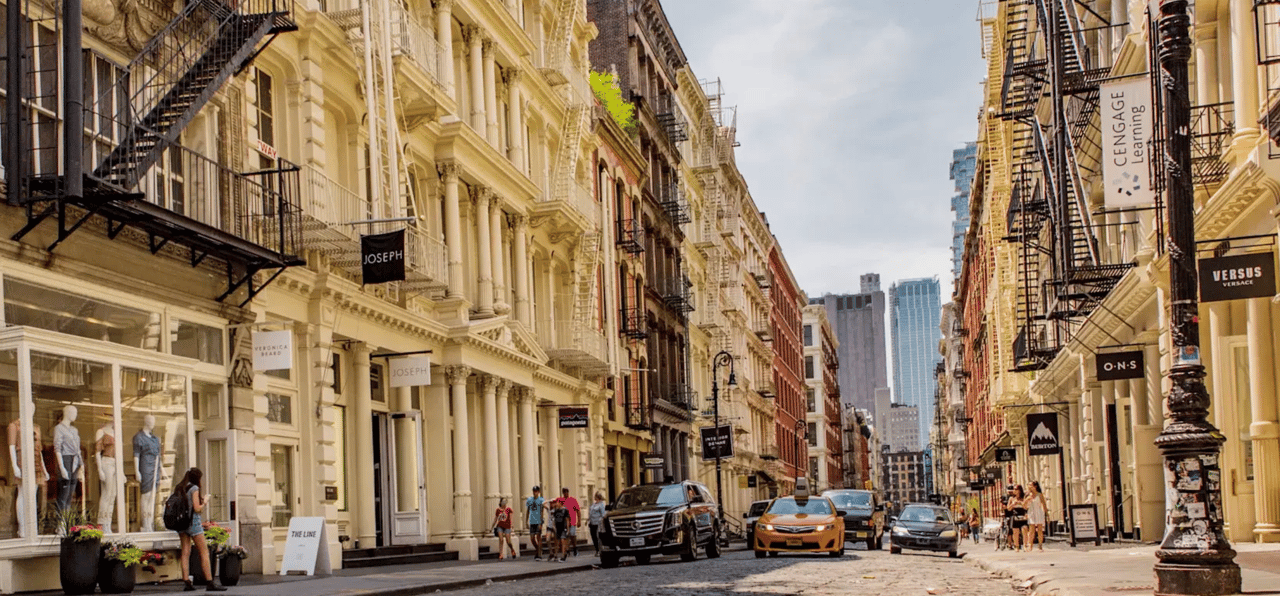
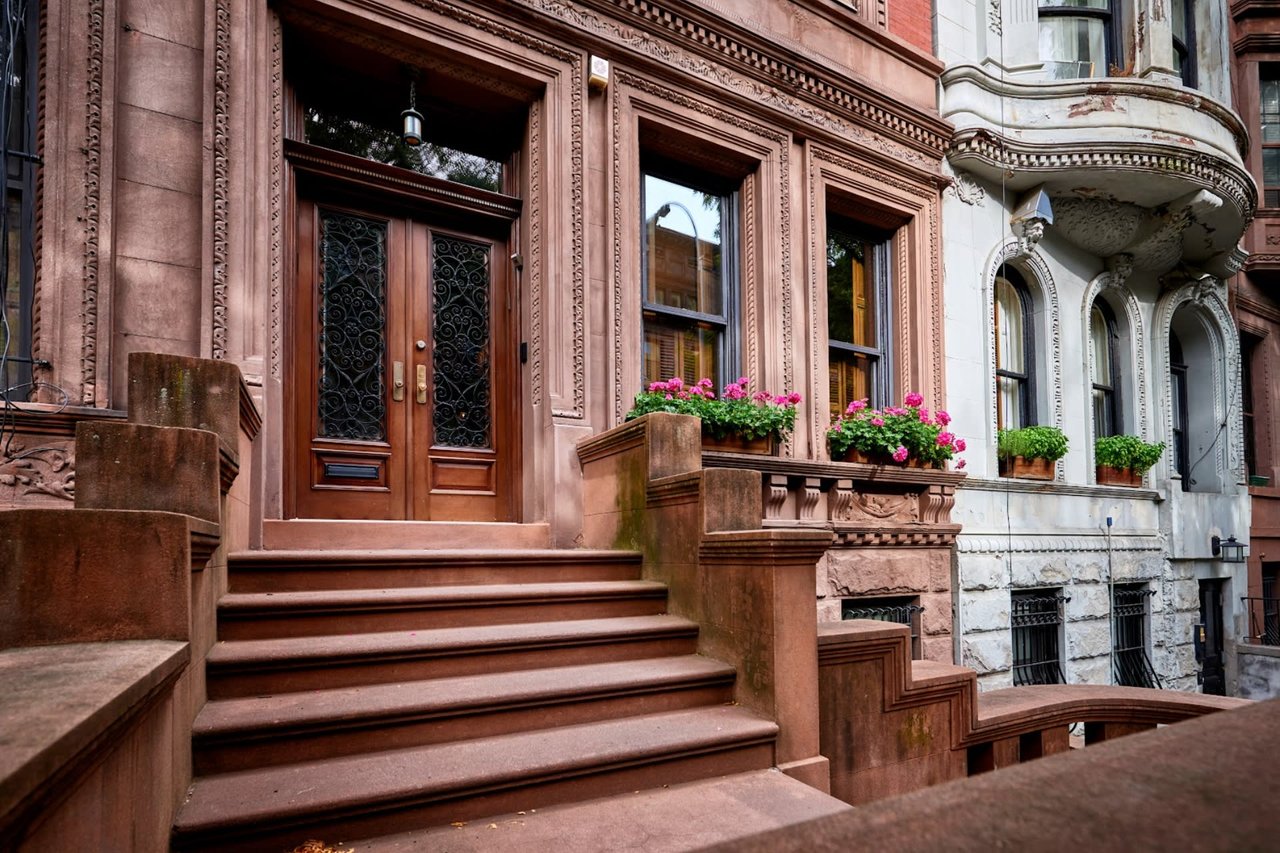
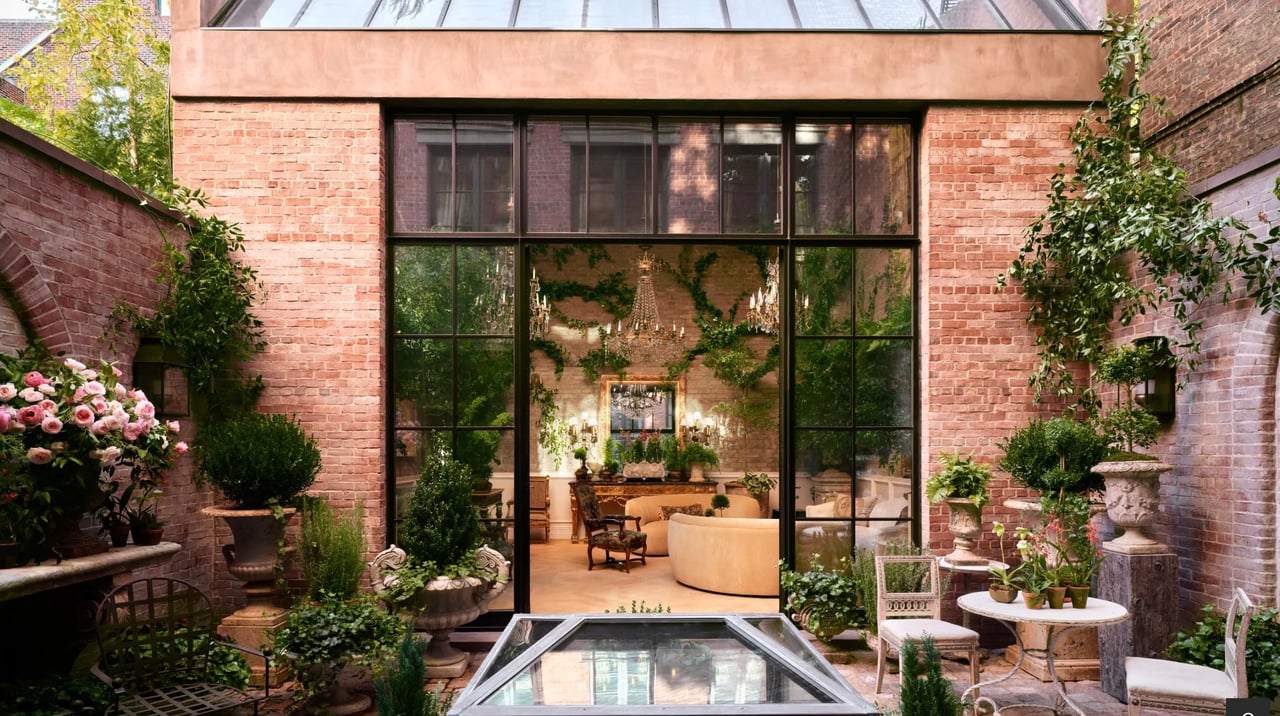
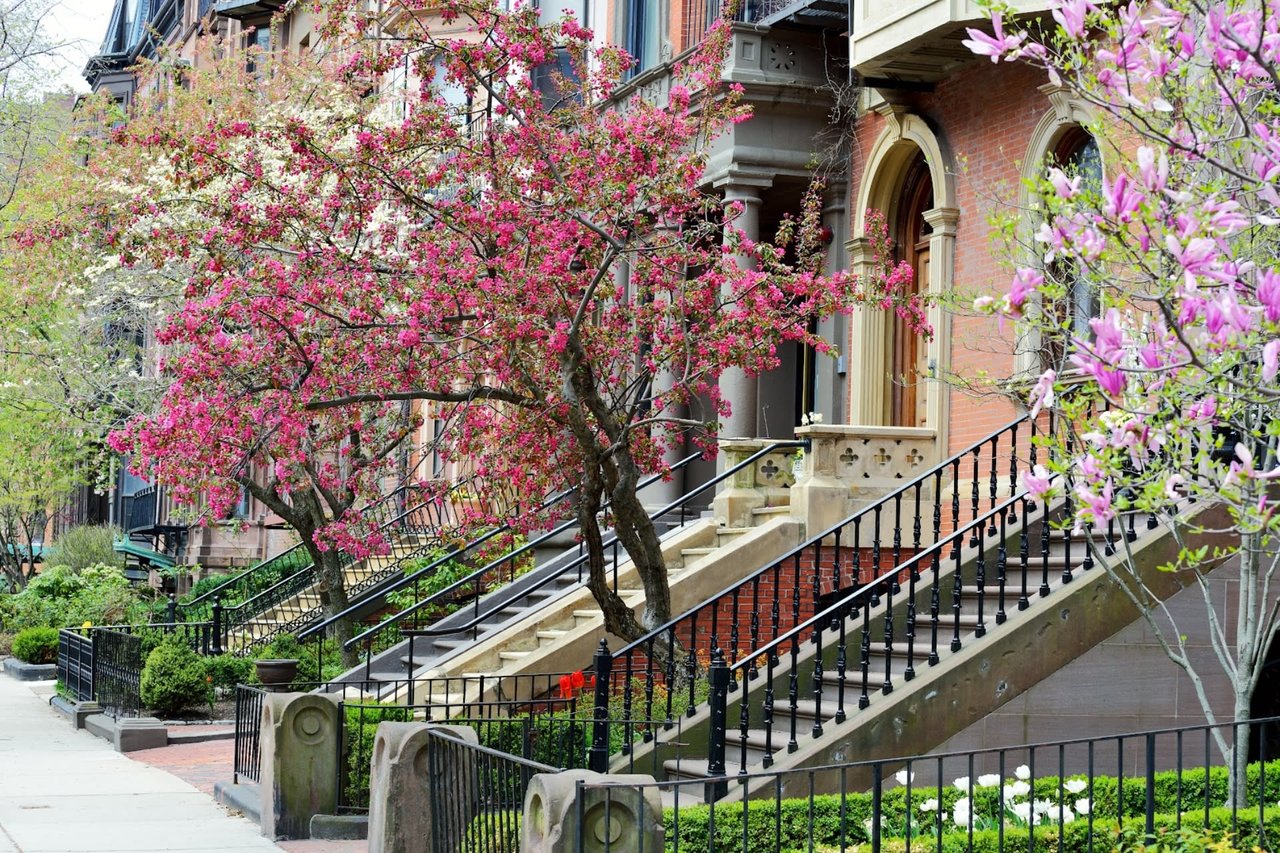
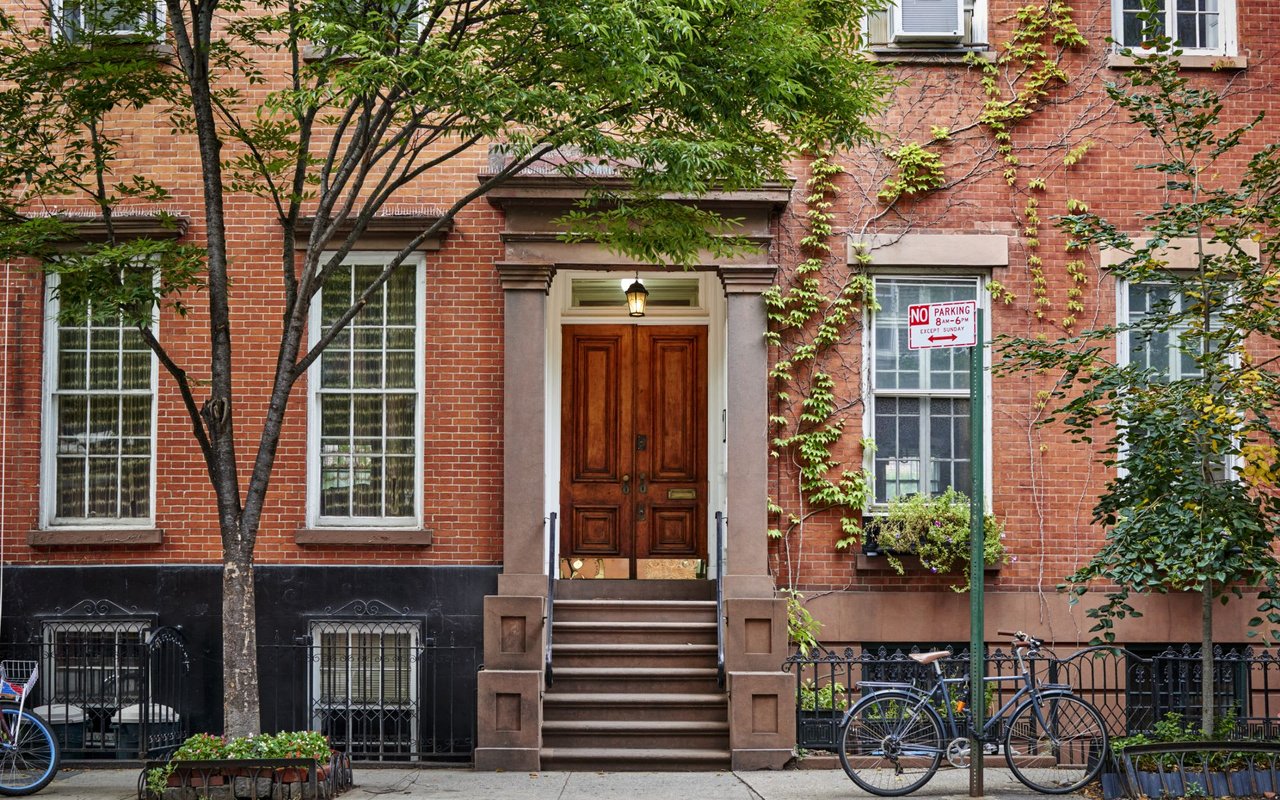
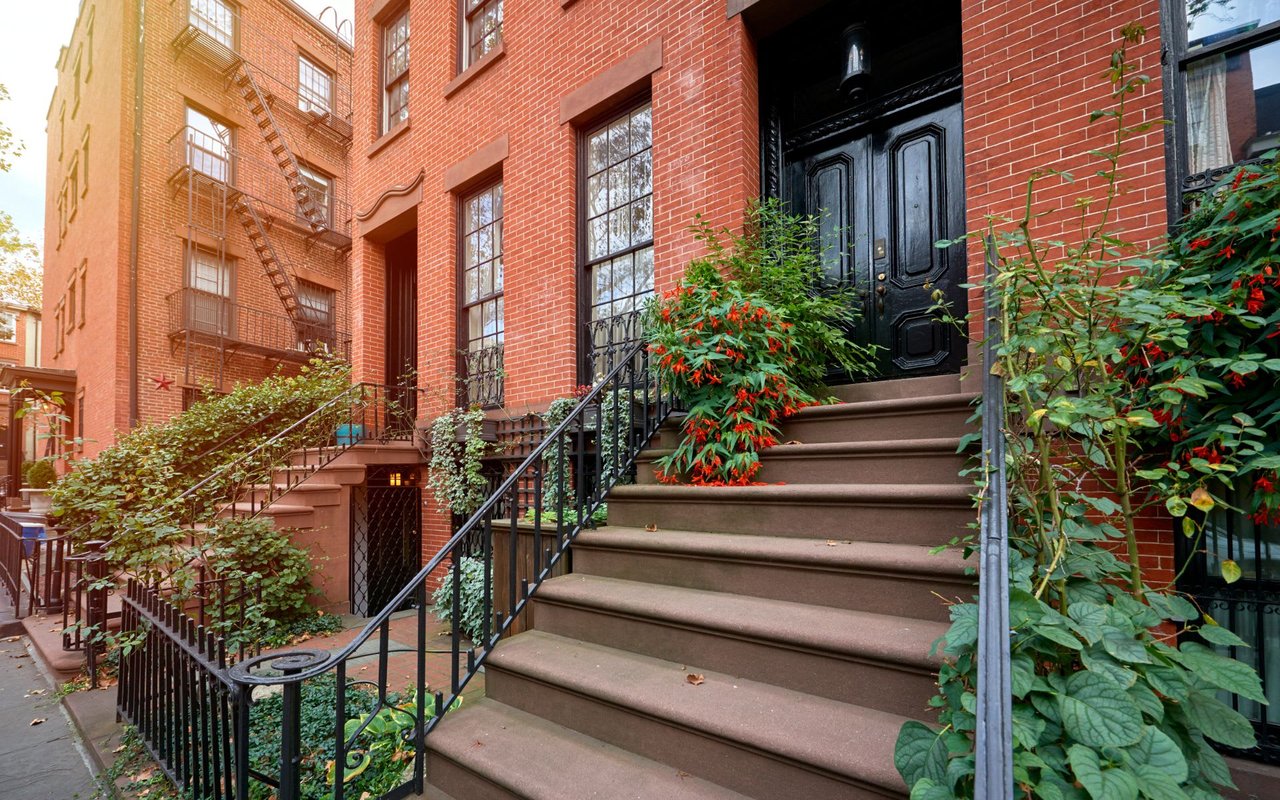
Fortunately, the building itself offered a rich foundation. Dating back to the mid-19th century, the red-brick structure—with its stone detailing and newly added mansard roof—had served many roles over time, from warehouse to hotel to restaurant. That layered history became both inspiration and responsibility: the interiors needed to feel like a natural extension of the exterior’s past.

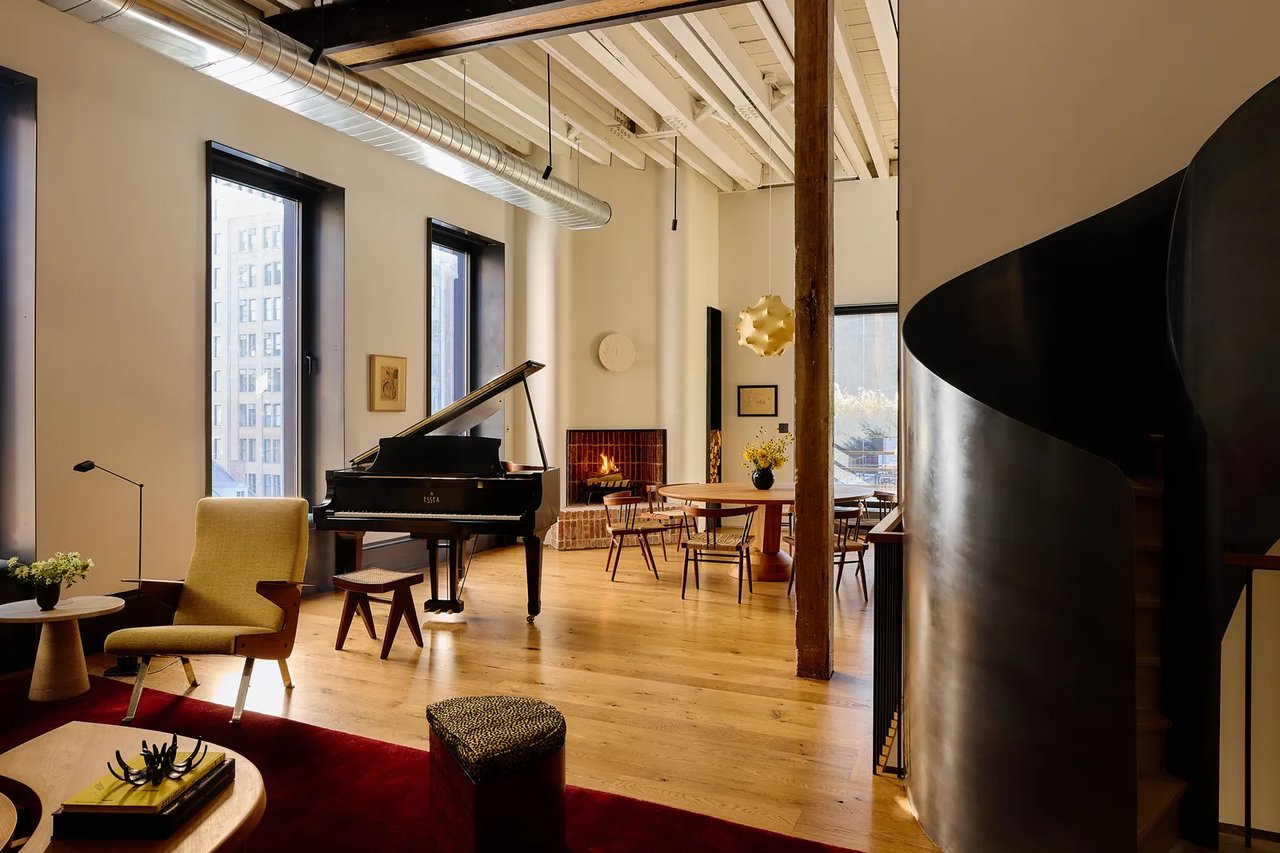
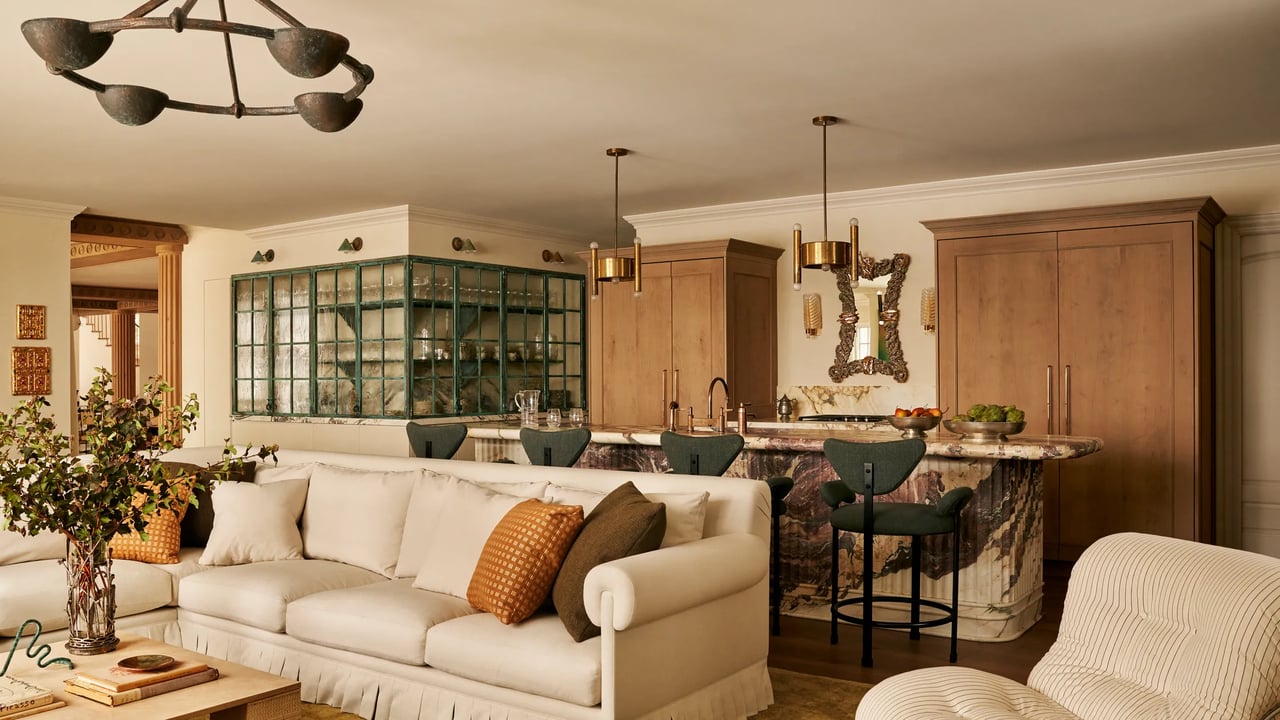
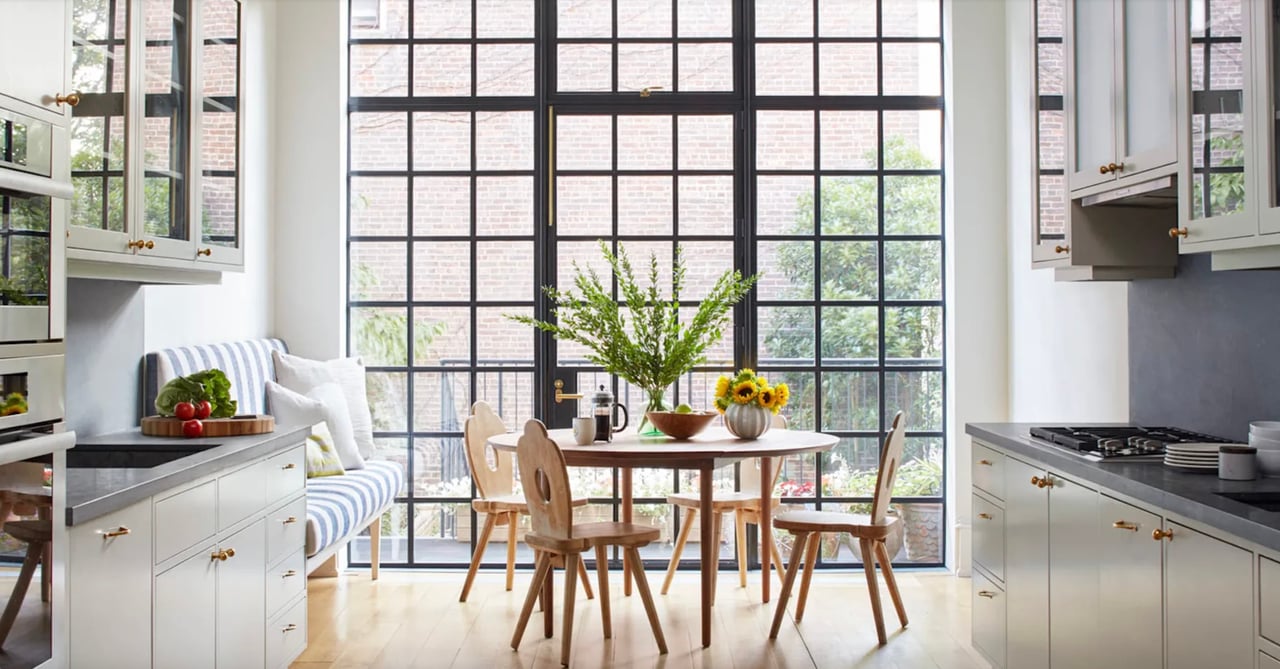
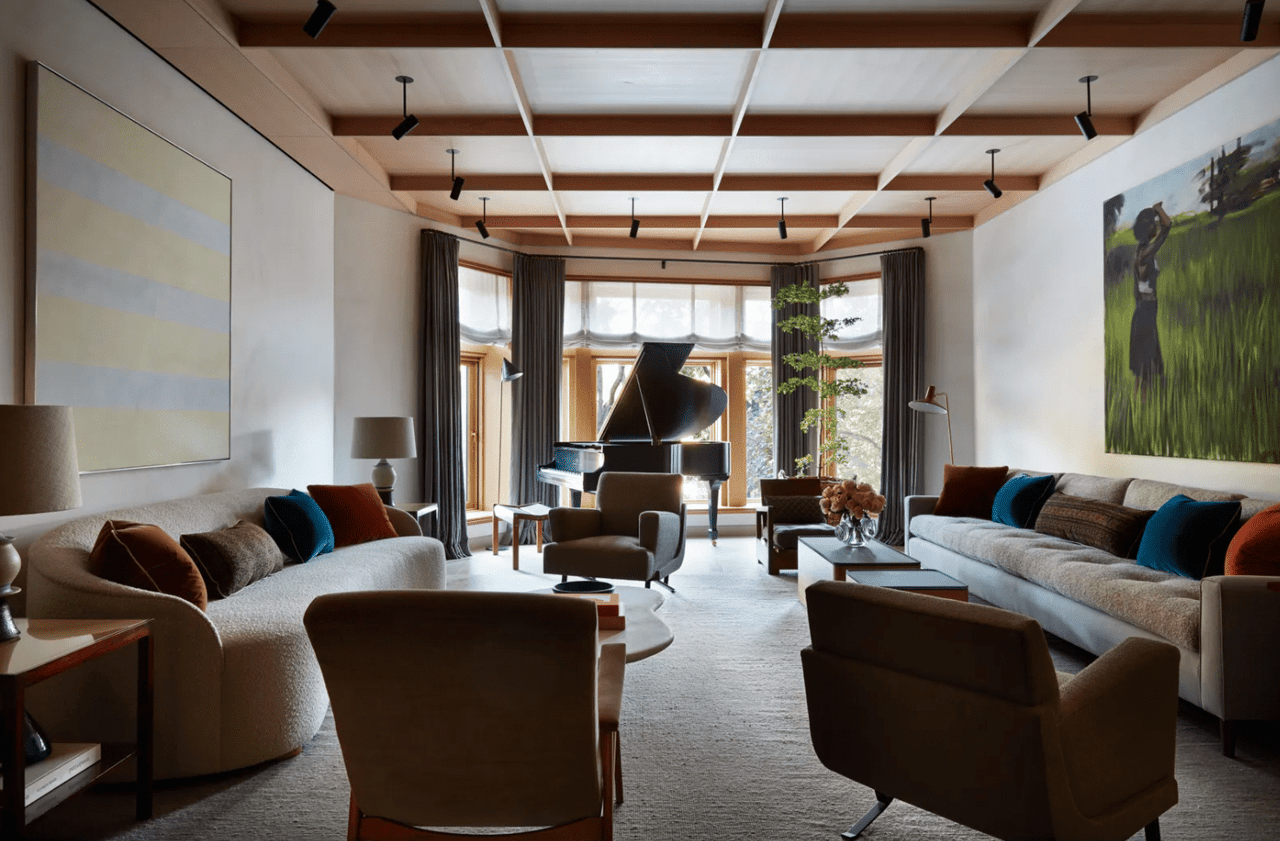
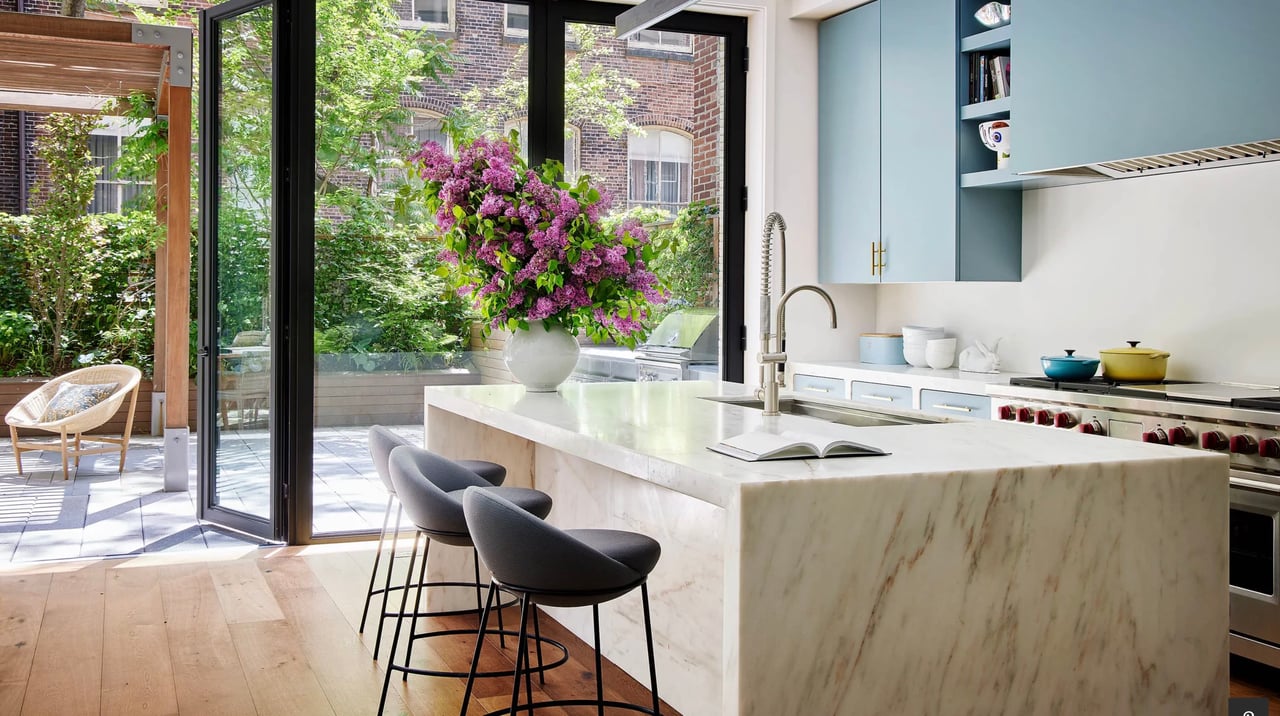
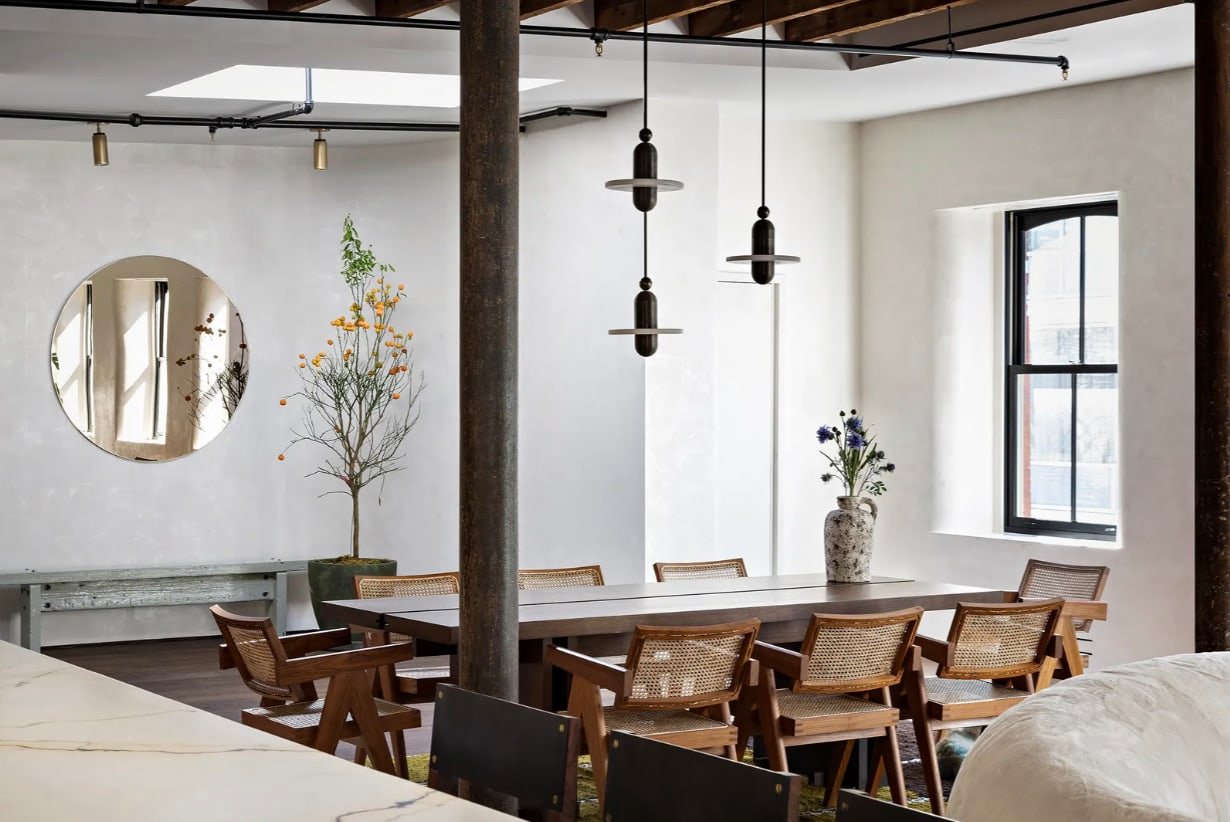
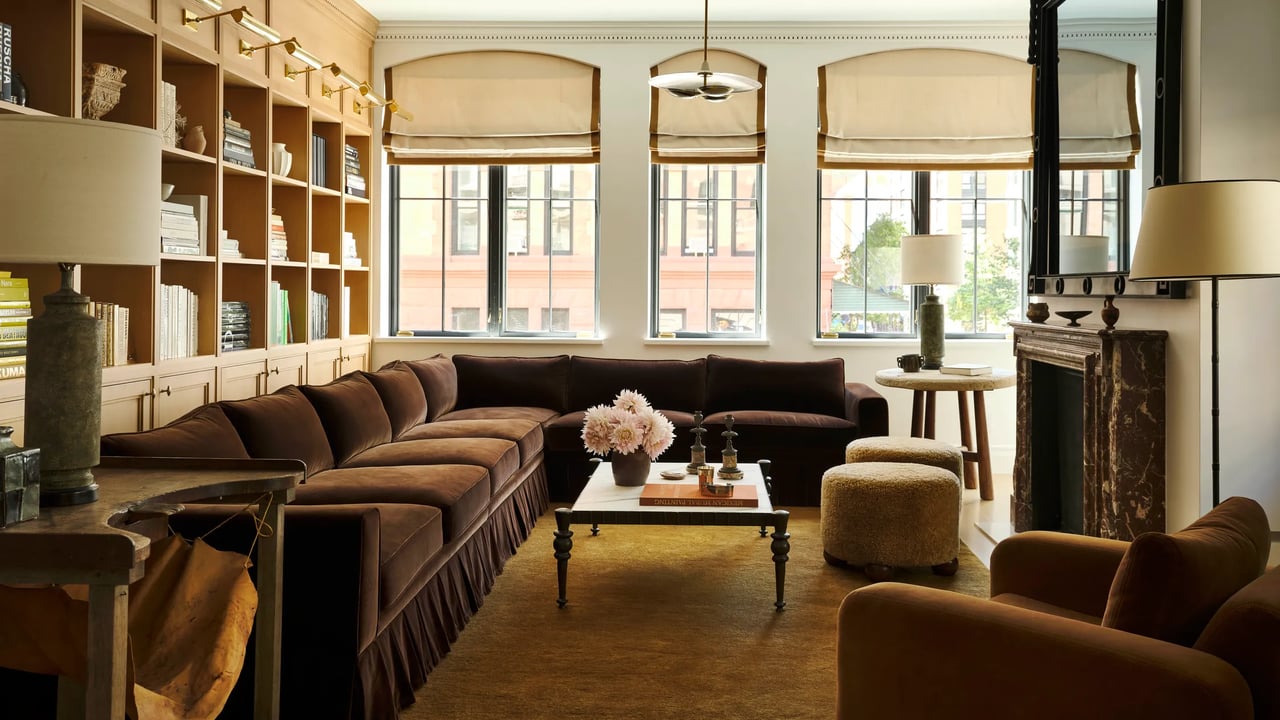
Berkus approached the project by grounding it in authentic, enduring materials—oak, marble, brass, bronze, and steel—chosen to feel as though they could have always belonged there. The aim was to honor both the industrial roots of the building and its Tribeca setting, while incorporating modern comforts in a way that felt seamless.
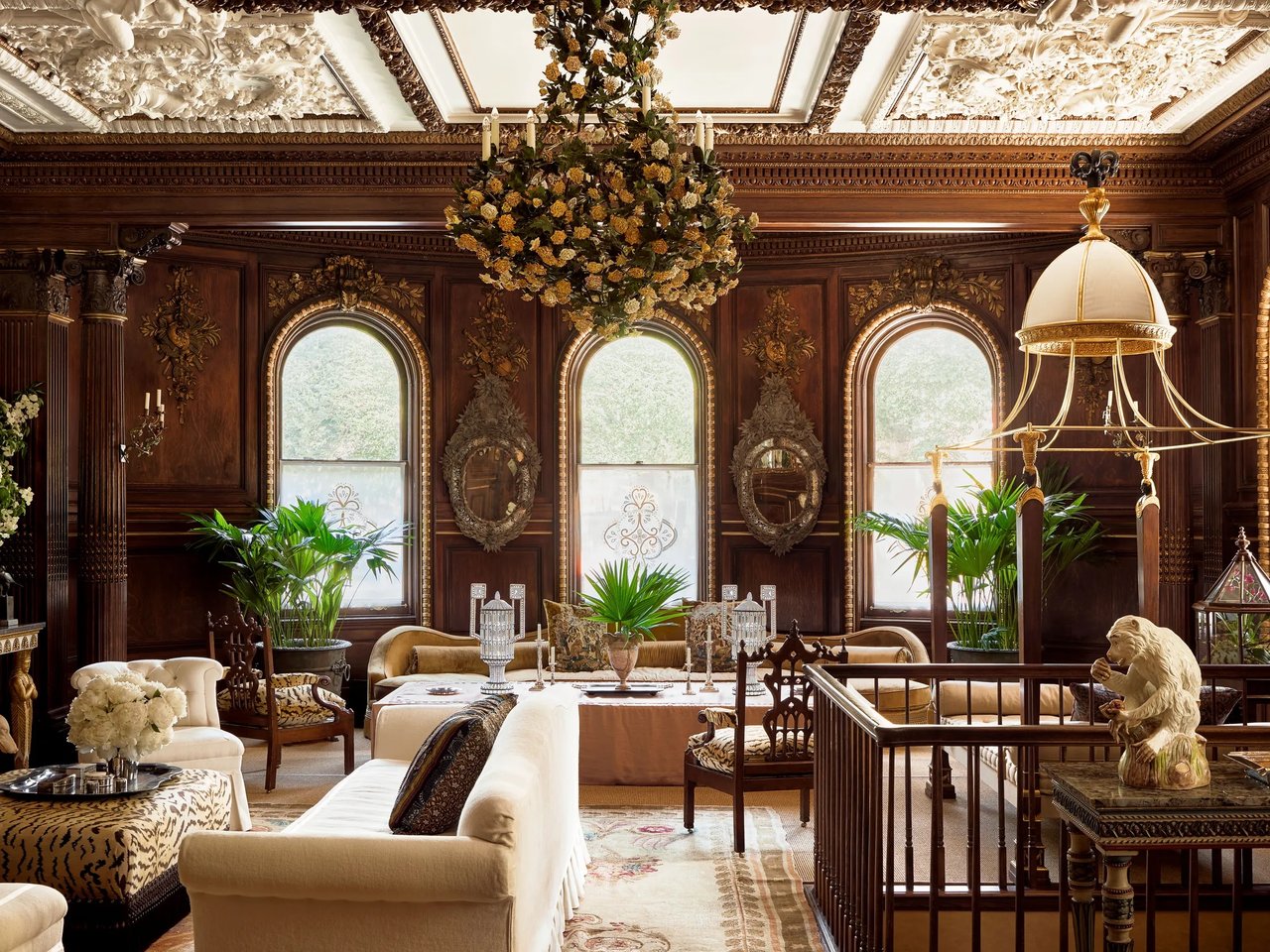
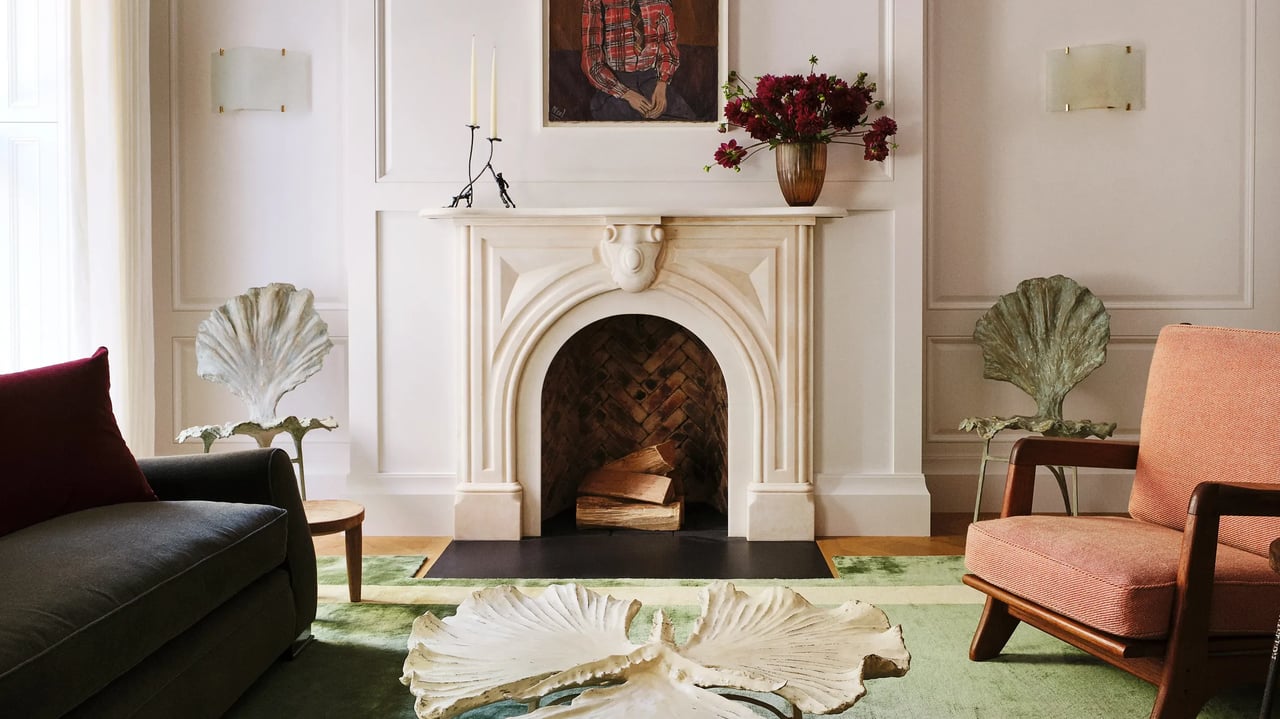
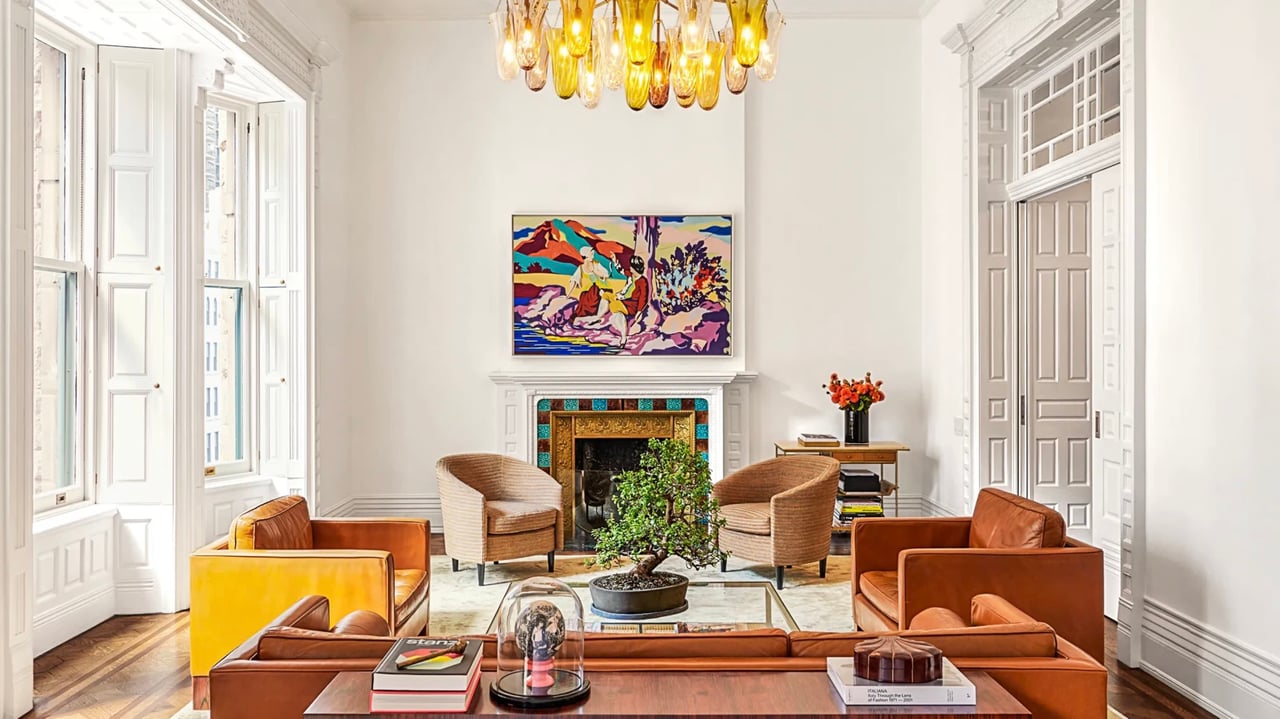
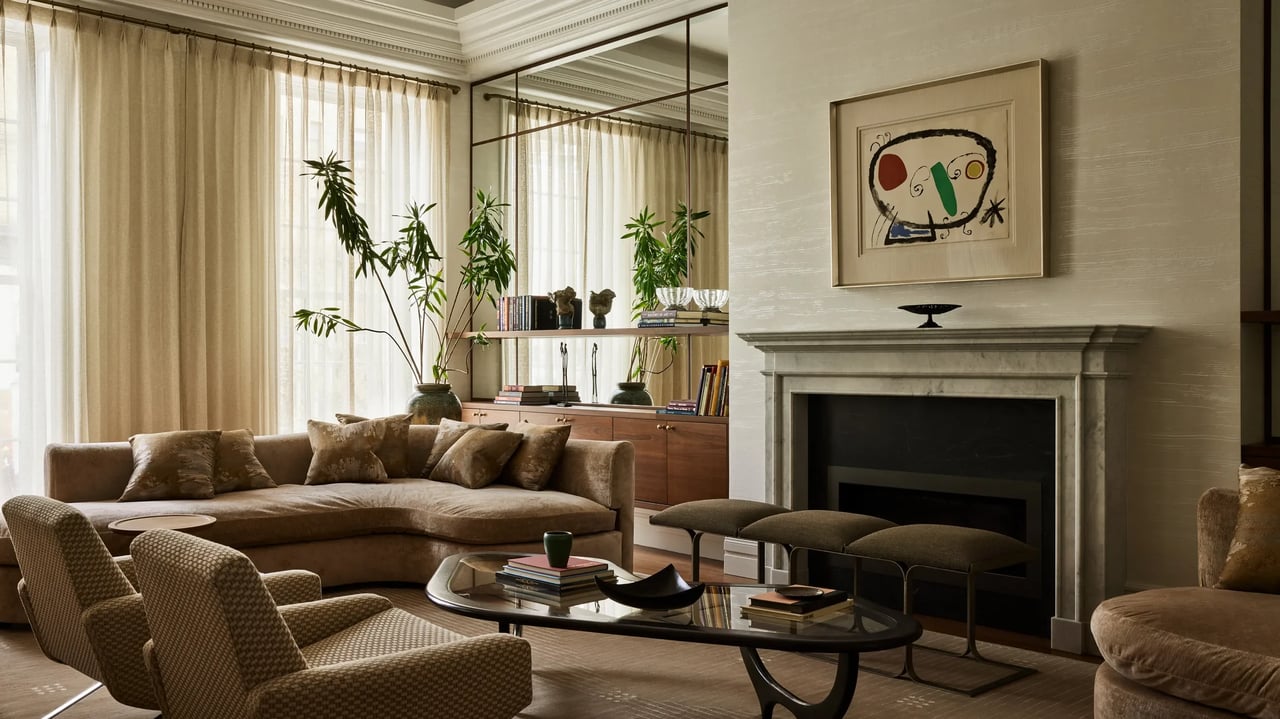
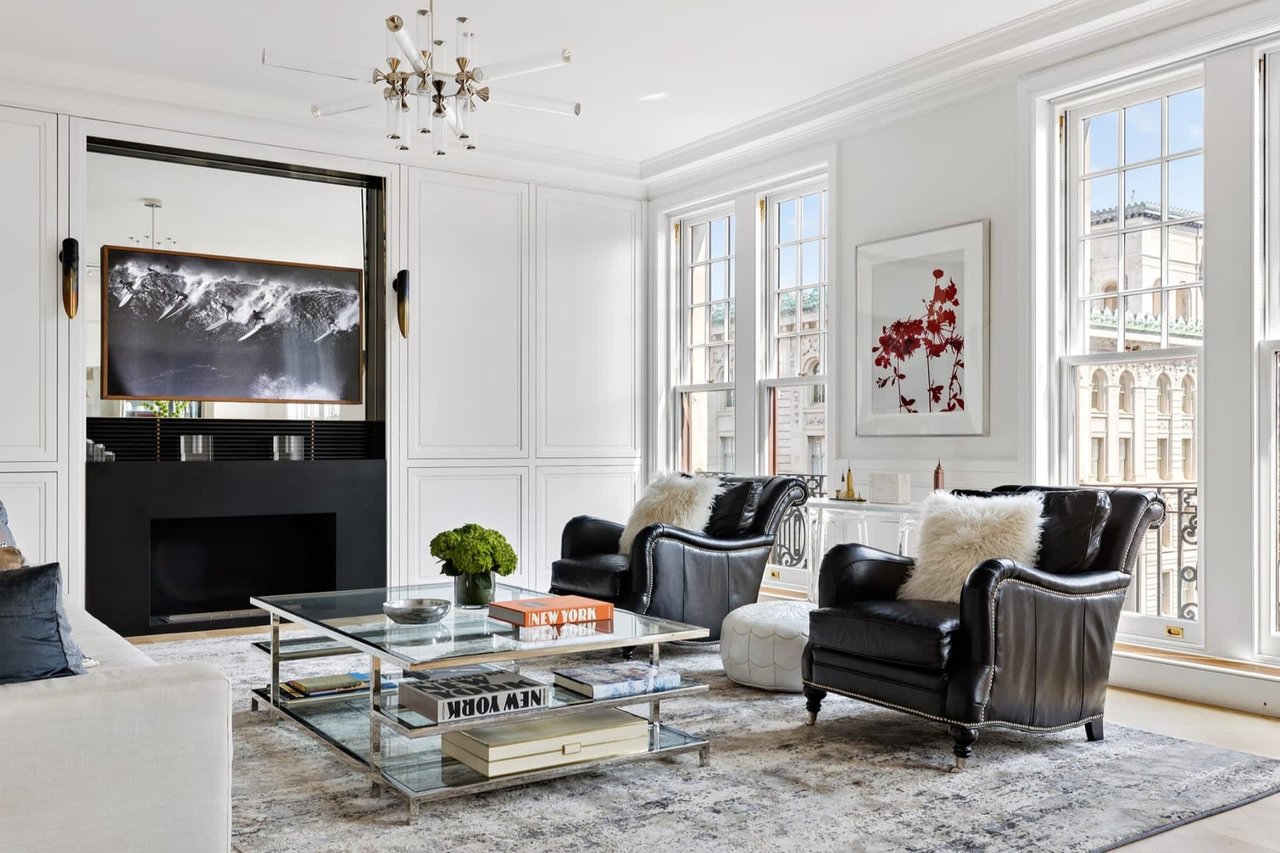
Collaborating with architect Danielle Albert, he developed interiors that echo traditional 19th-century design, incorporating classic millwork, paneled walls, and historically inspired details. The result is a space that feels rooted in the past but entirely relevant today.
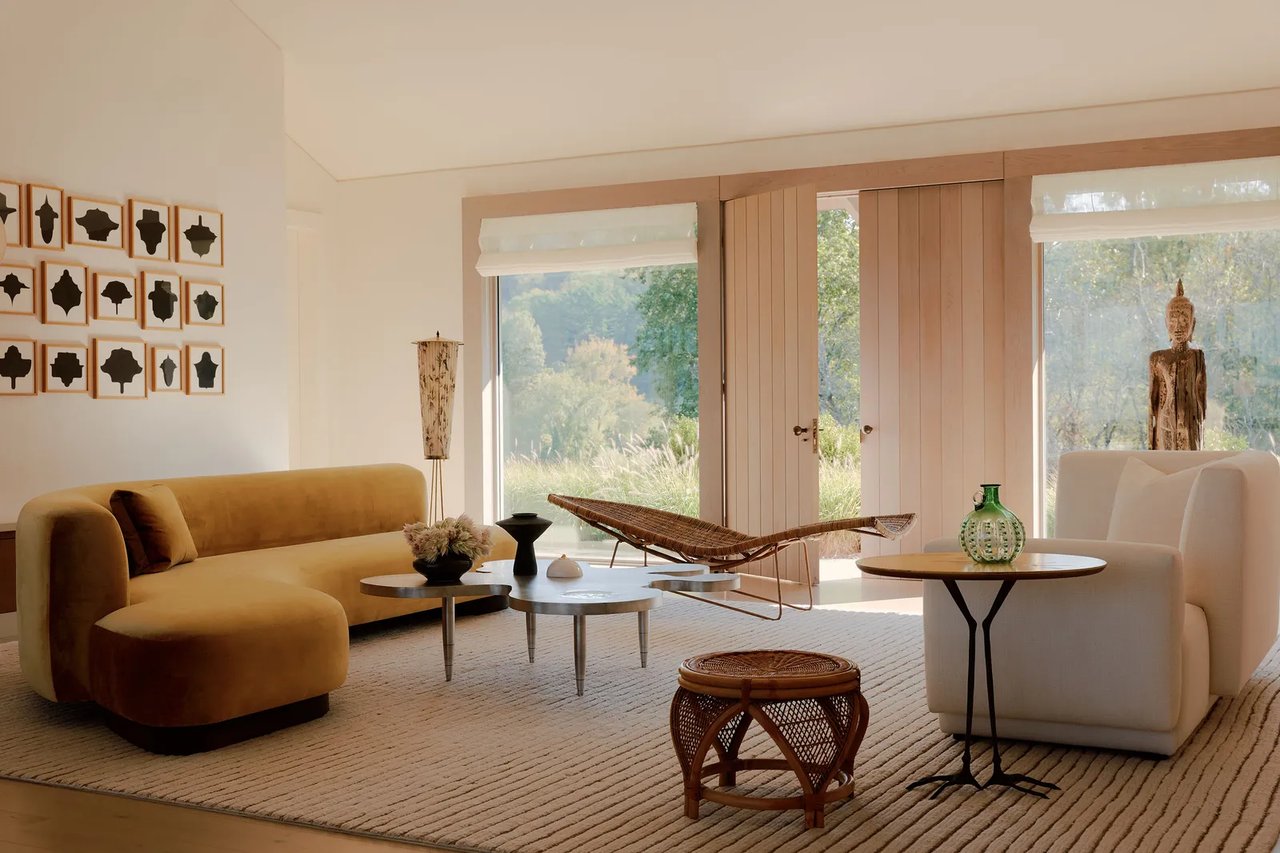
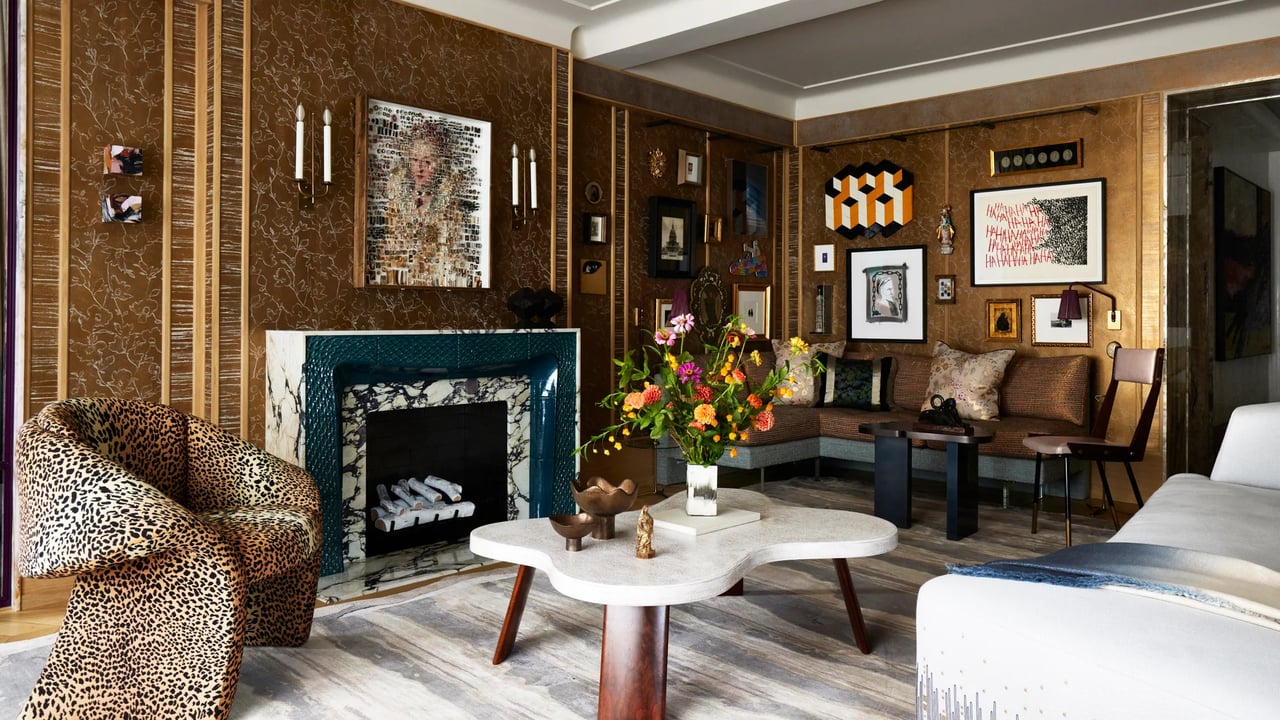
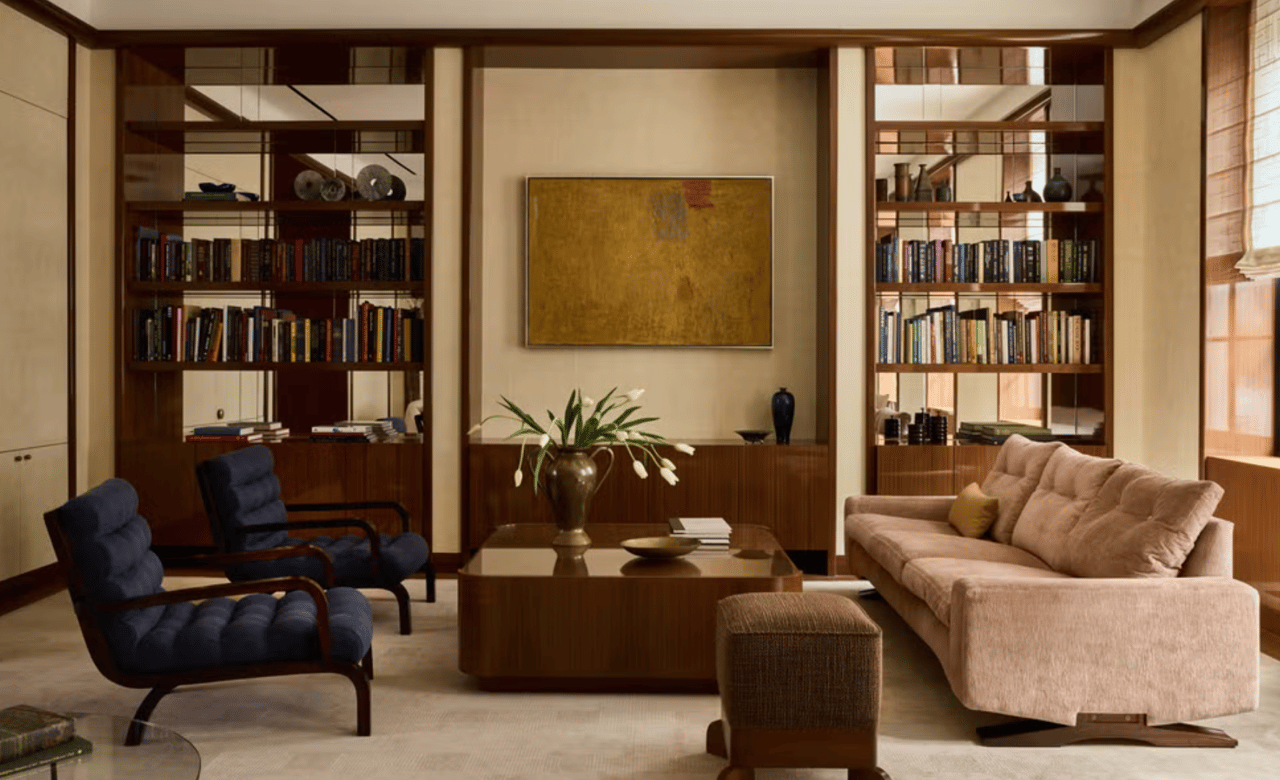
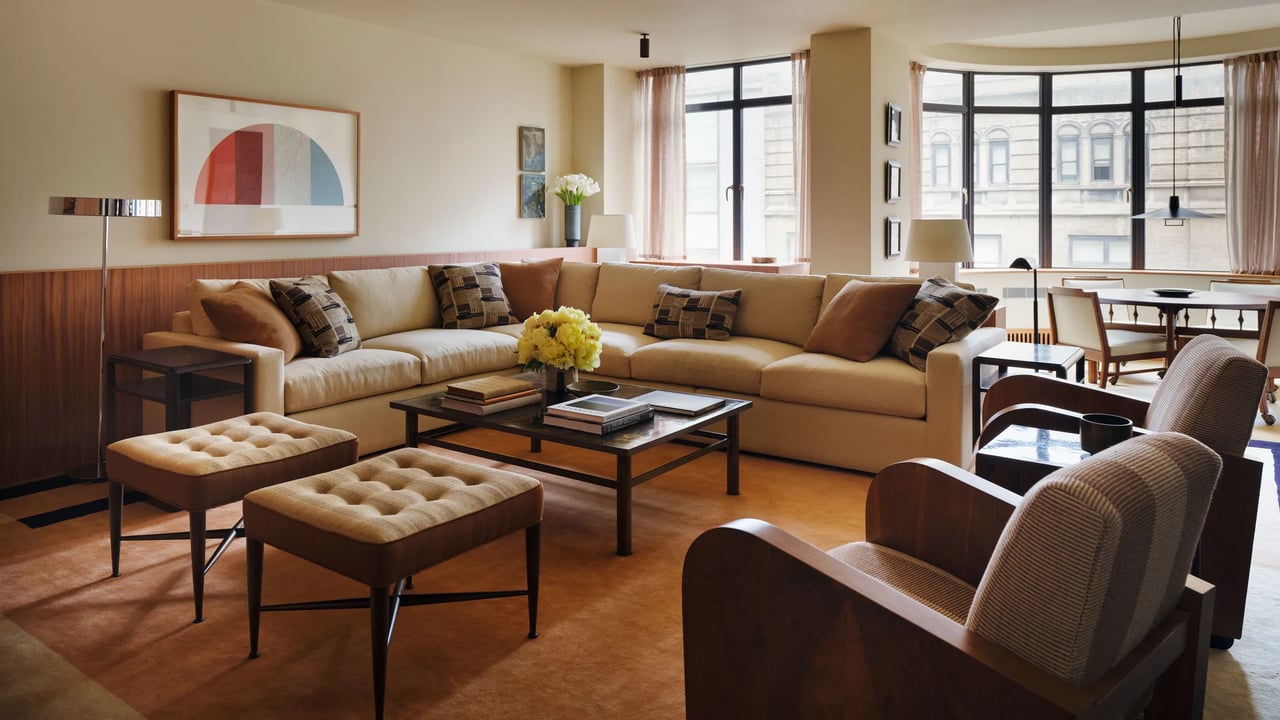
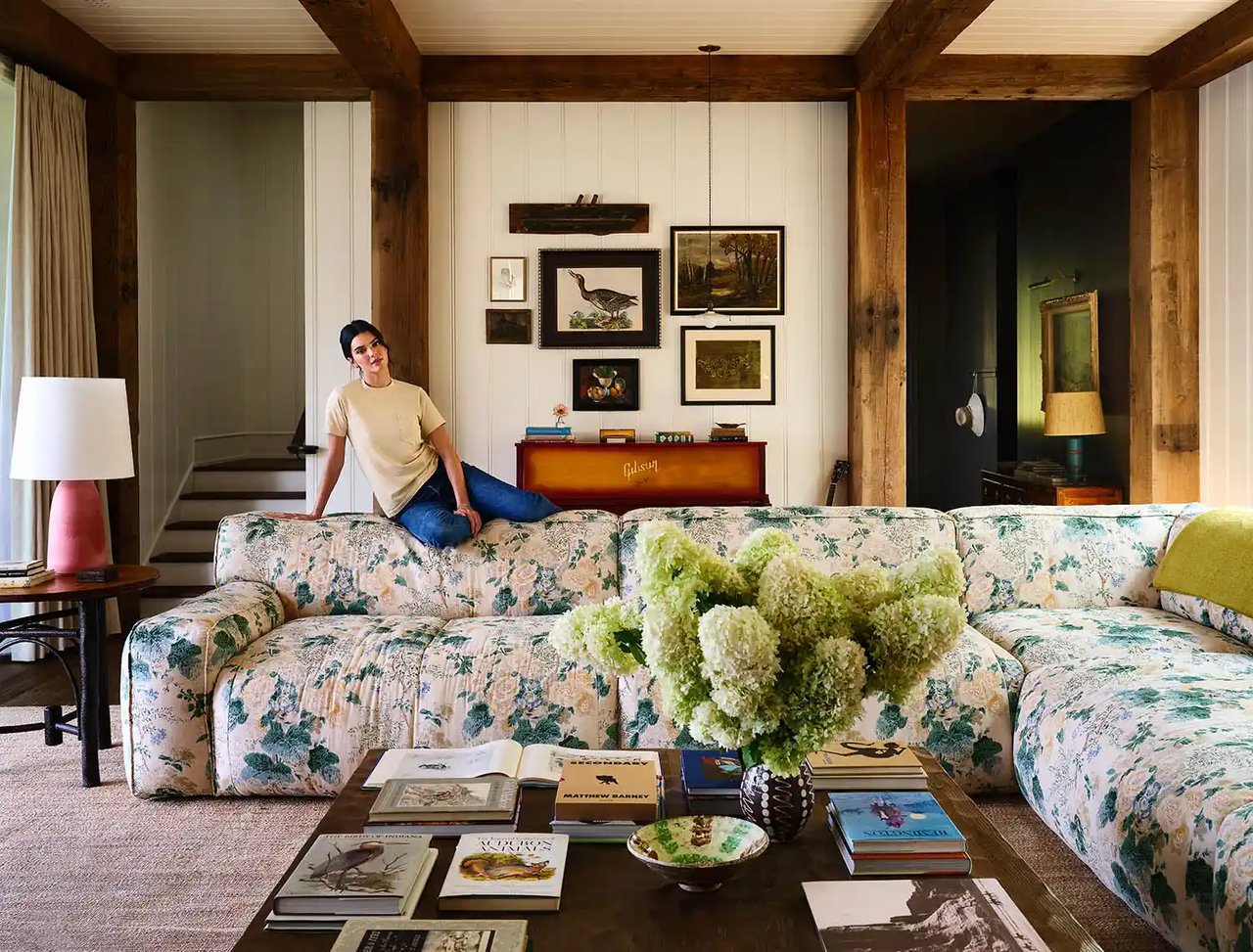
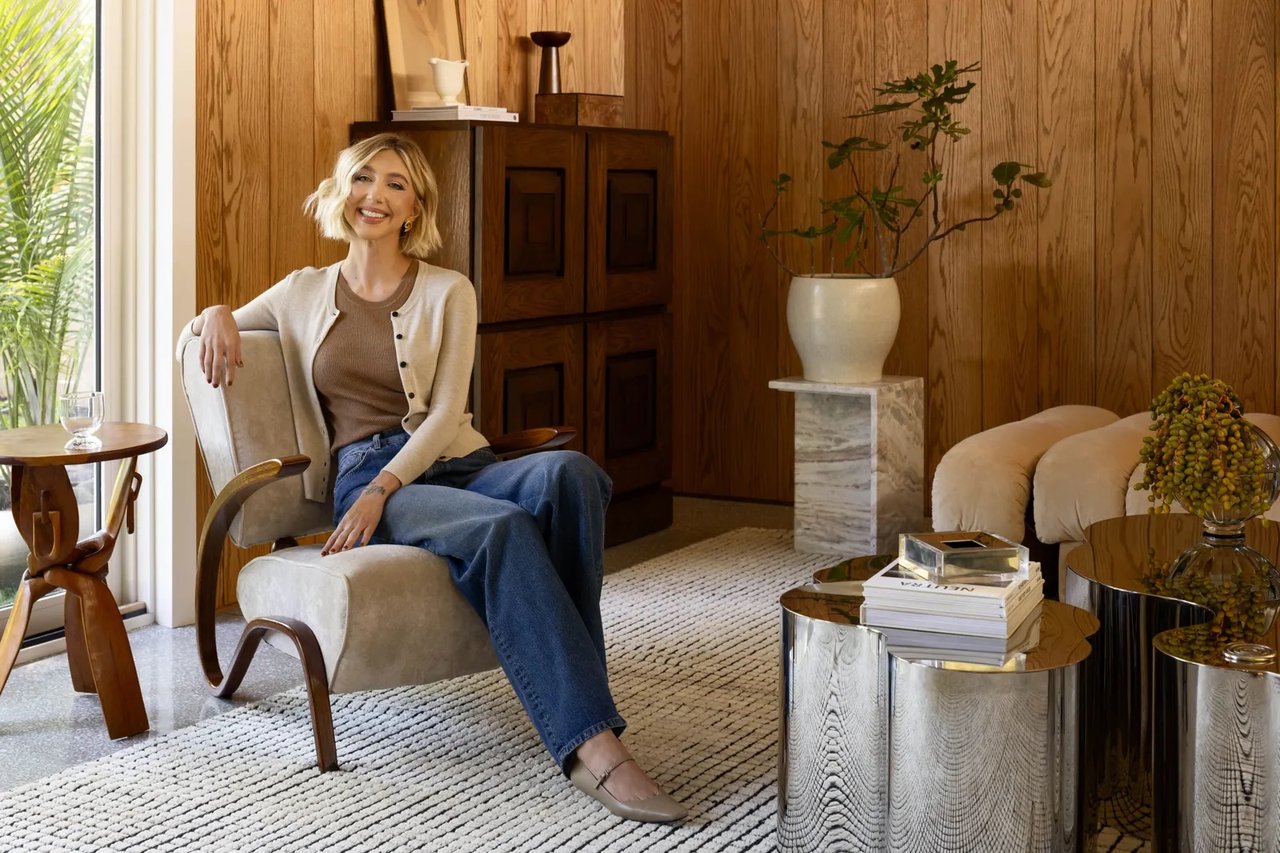
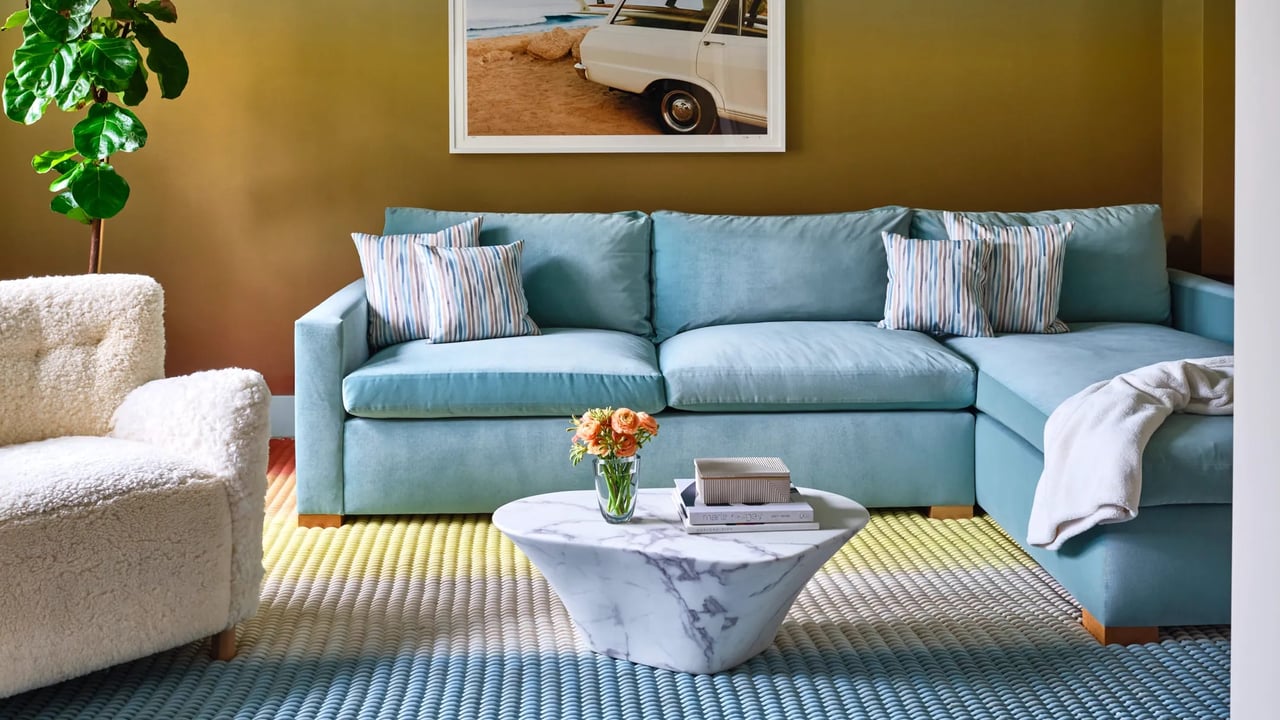
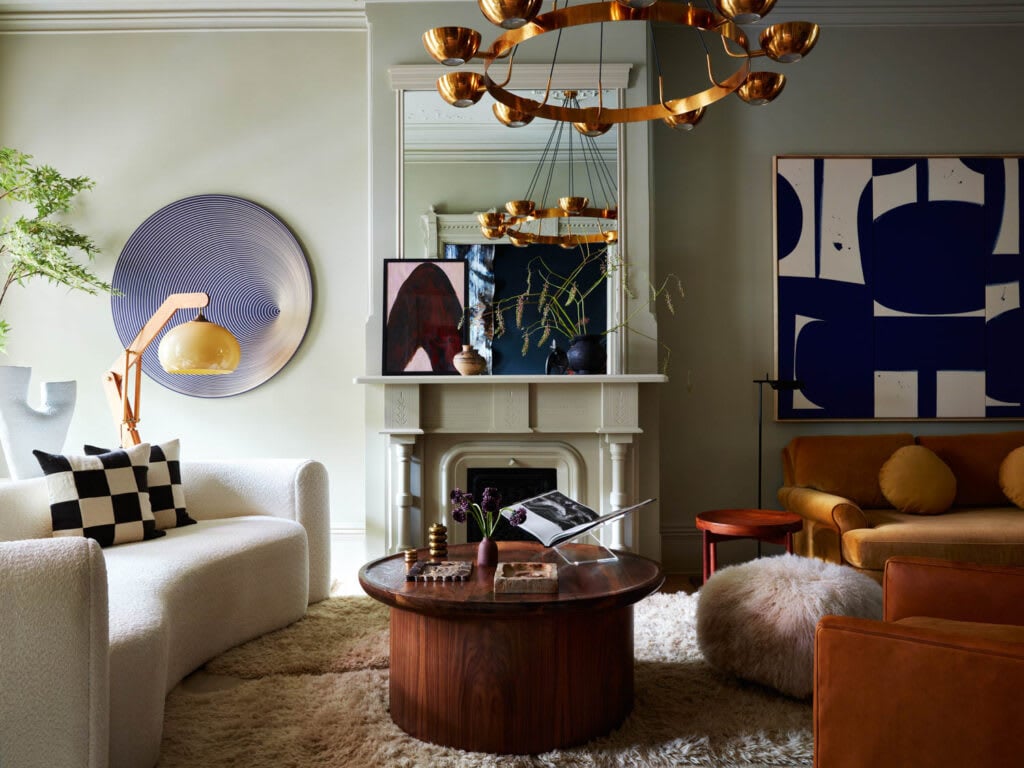
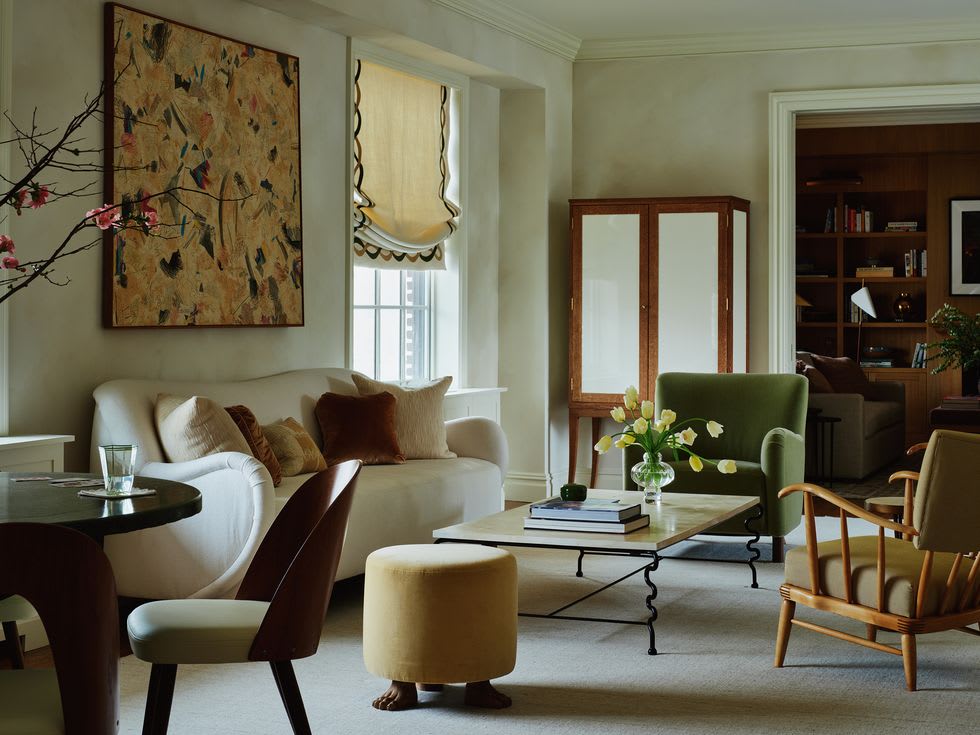
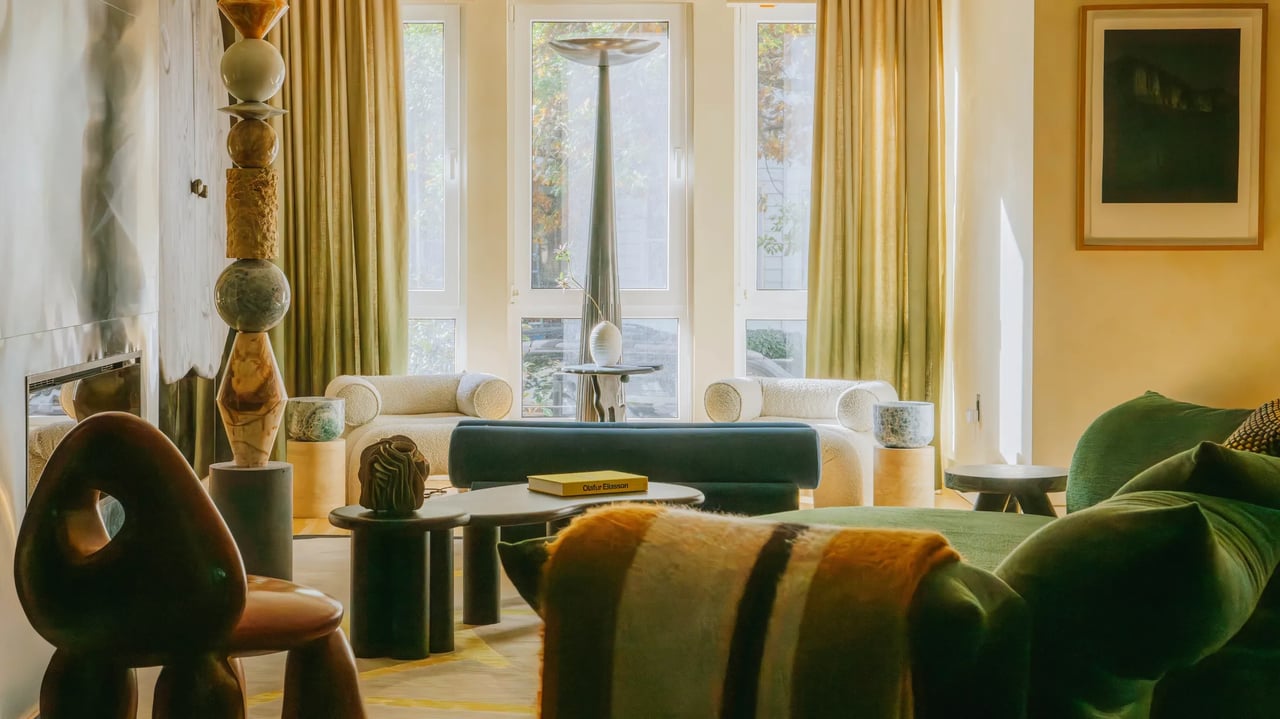
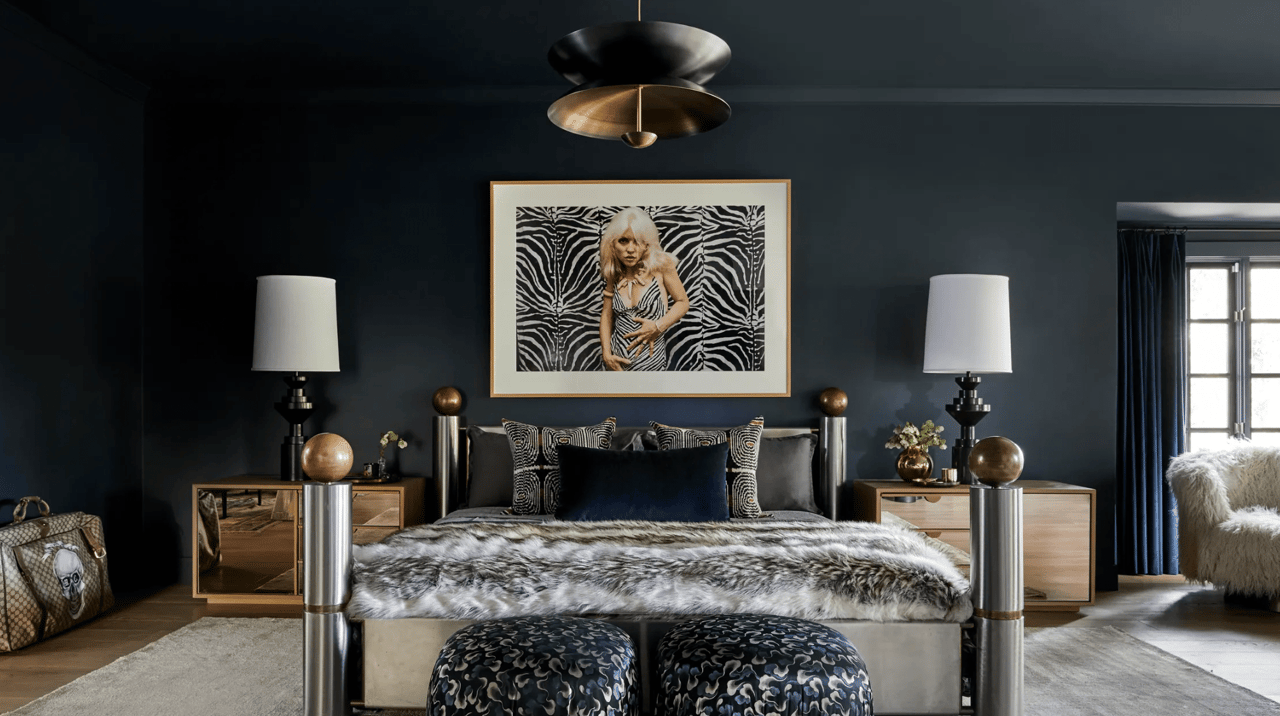
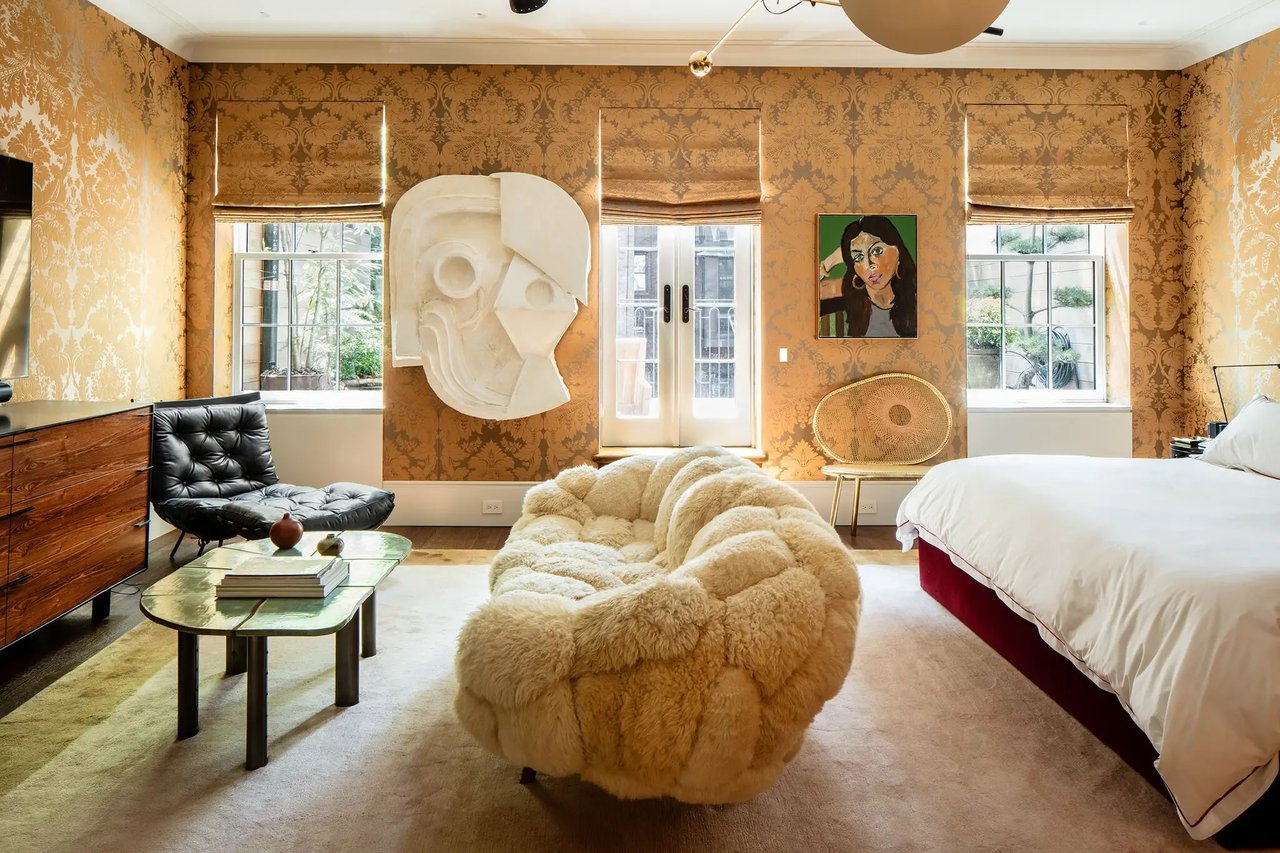
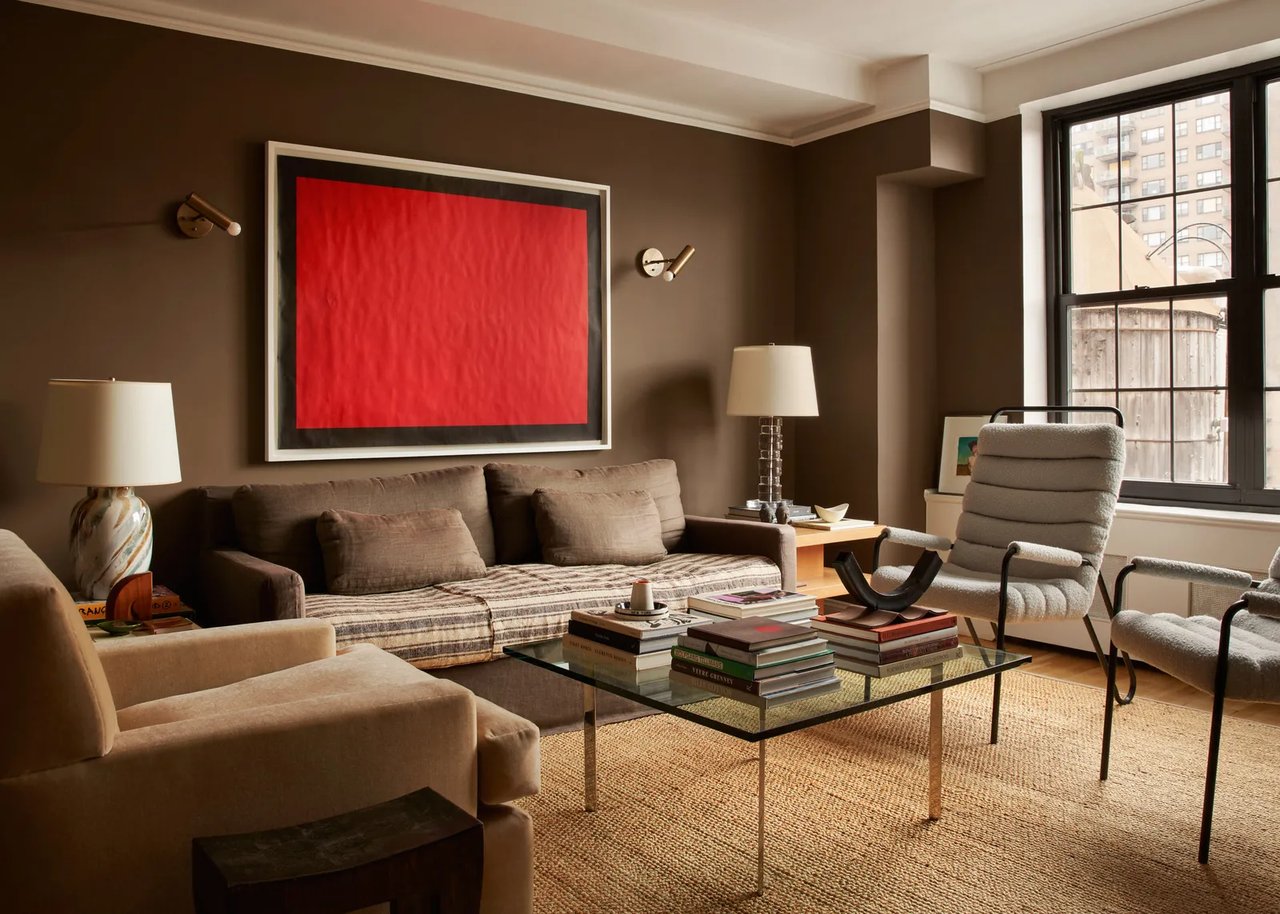
From there, attention turned to furnishing the home. Berkus cast a wide net, sourcing from auction houses, galleries, dealers, and online platforms to assemble a collection of art and objects. Rather than rigidly adhering to historical accuracy, he layered in pieces that subtly contrast with the architecture, reflecting the clients’ appreciation for history with a sense of playfulness.

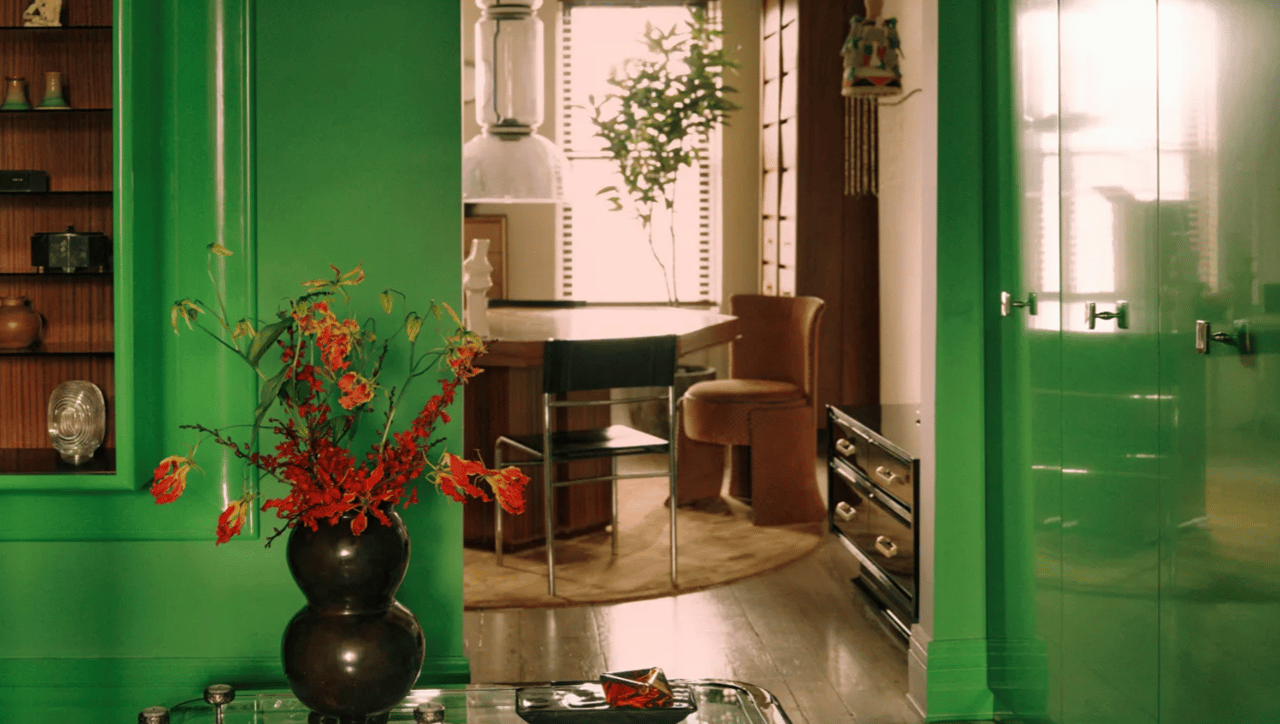
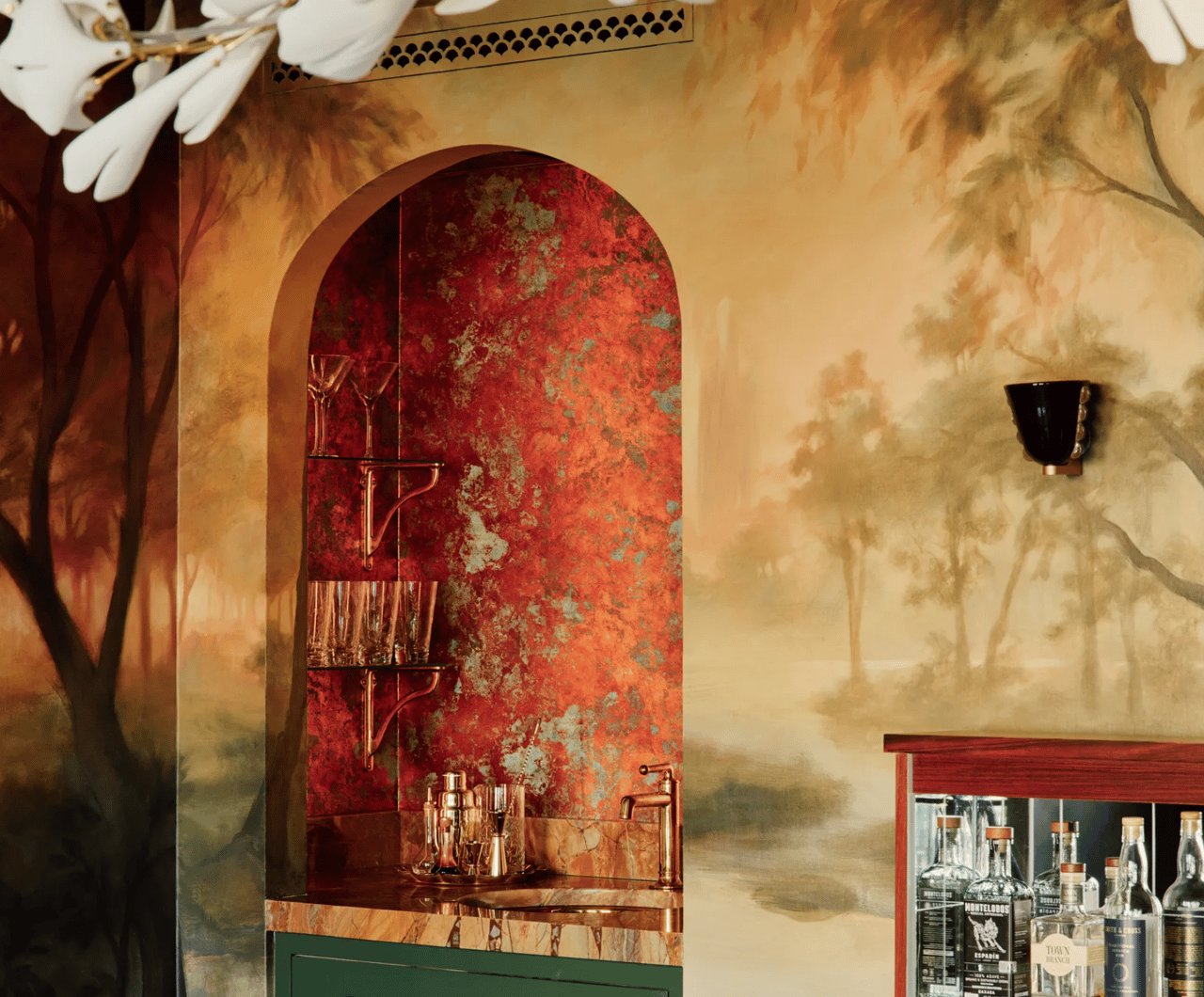
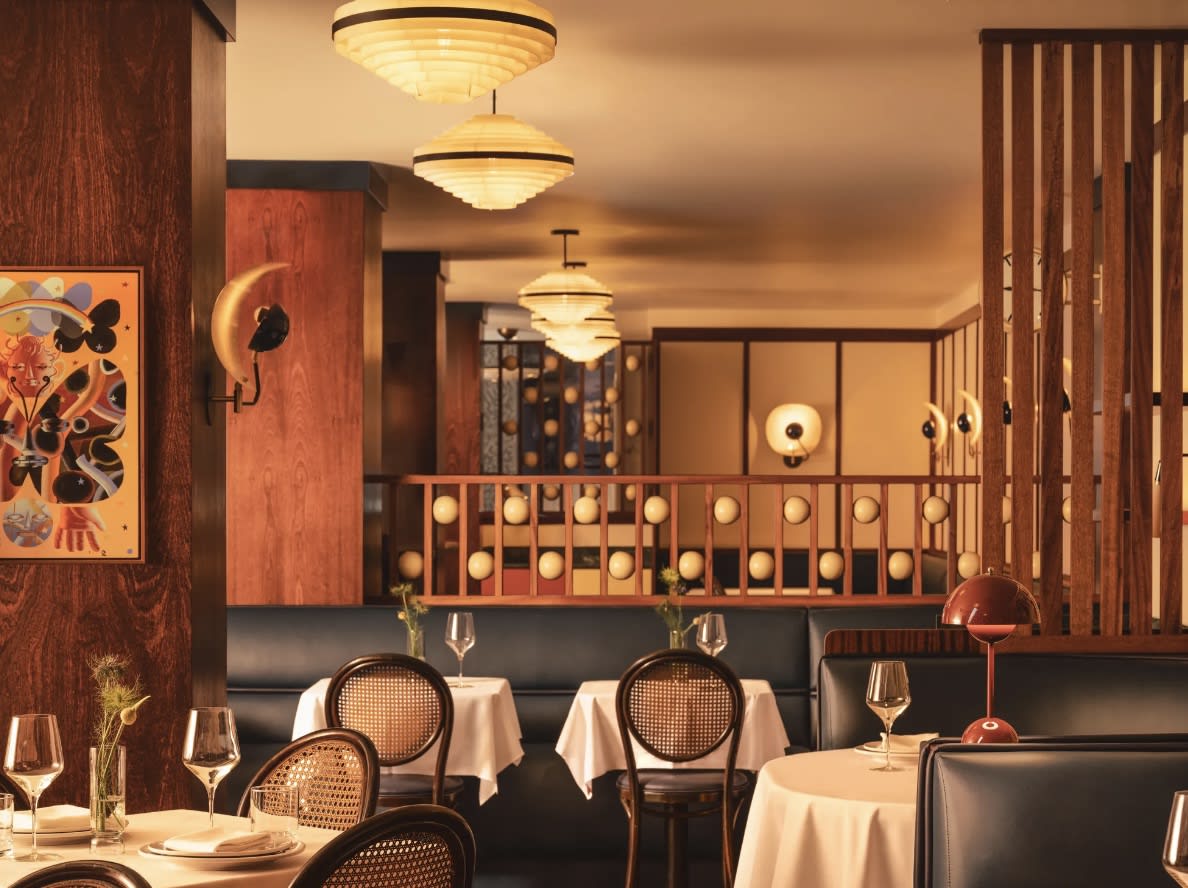
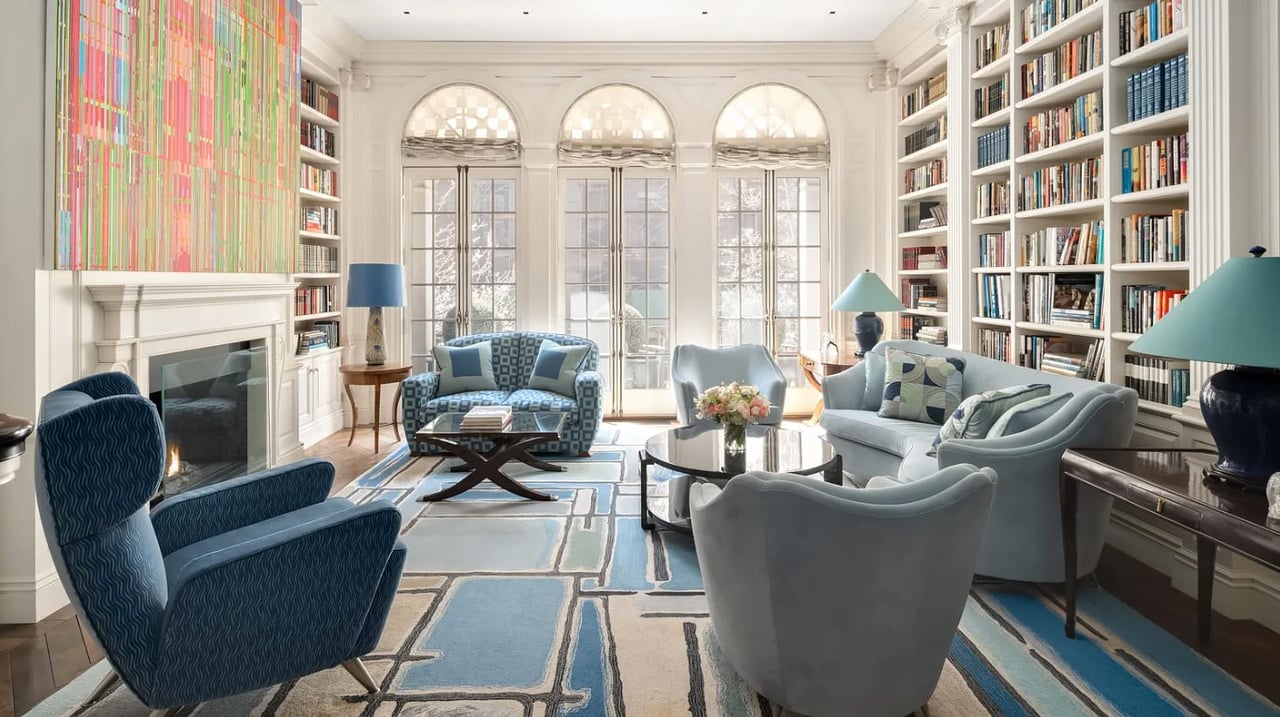
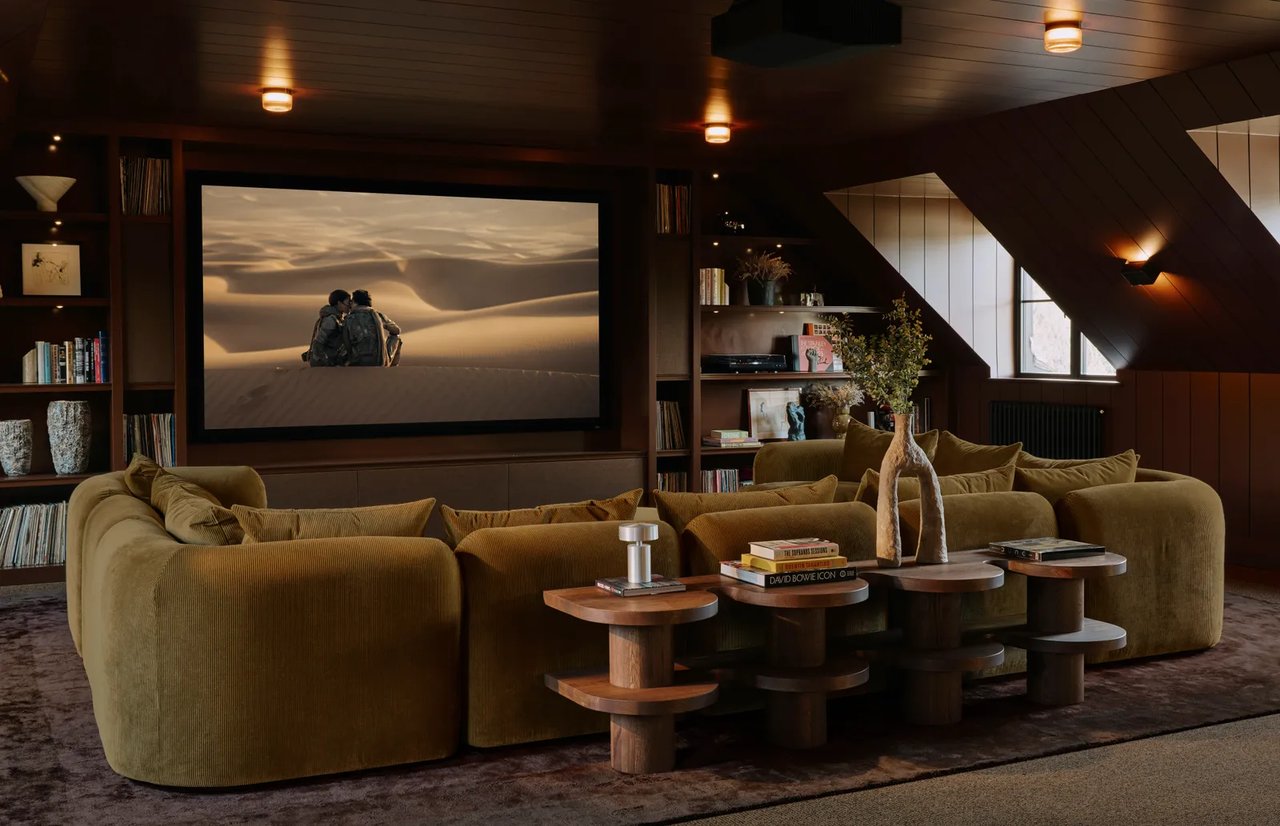
That philosophy extended throughout the house. Each floor offers a distinct experience, yet all are connected by a cohesive vision. Berkus introduced moments of surprise and discovery—carefully considering sightlines, transitions, and focal points. From antique French doors with mirrored glass in the entry to hidden rooms, sculptural lighting, and unexpected details throughout, the home gradually reveals itself.
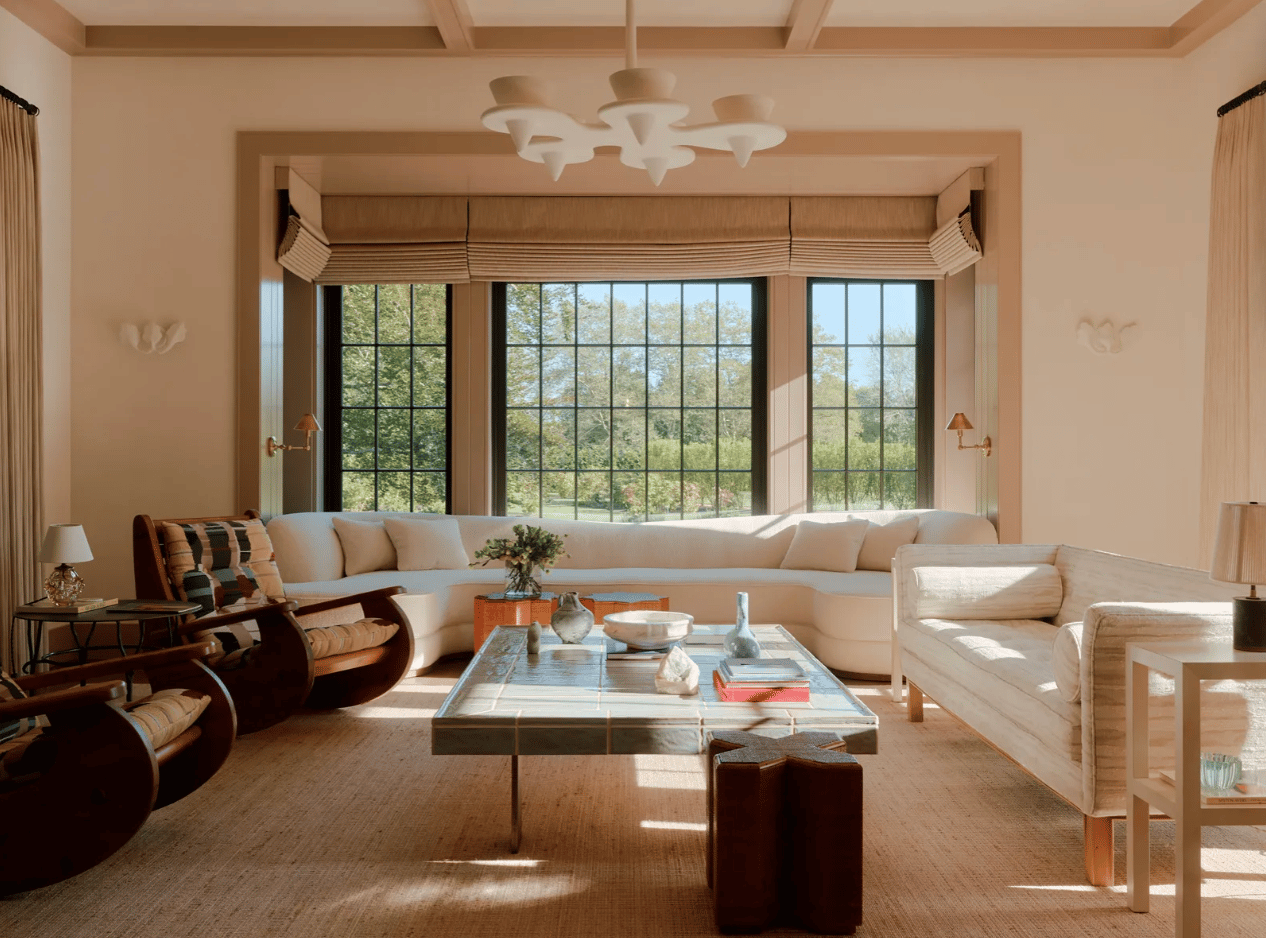
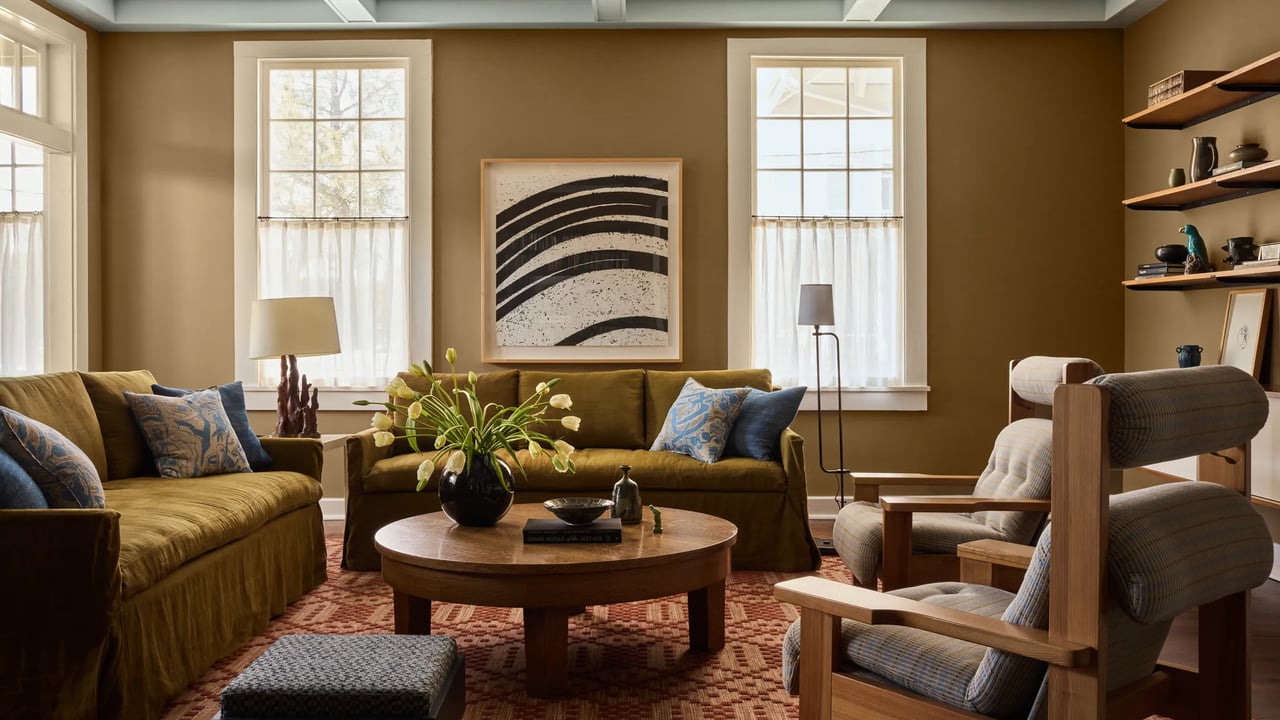
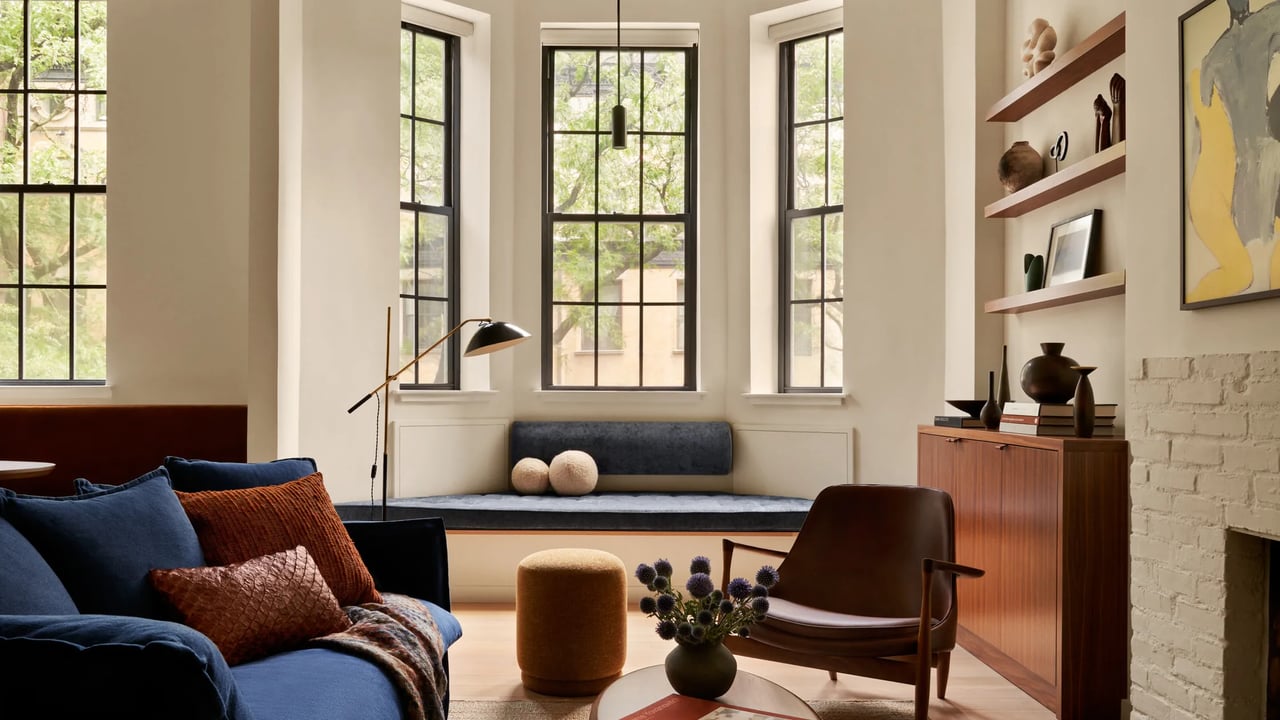
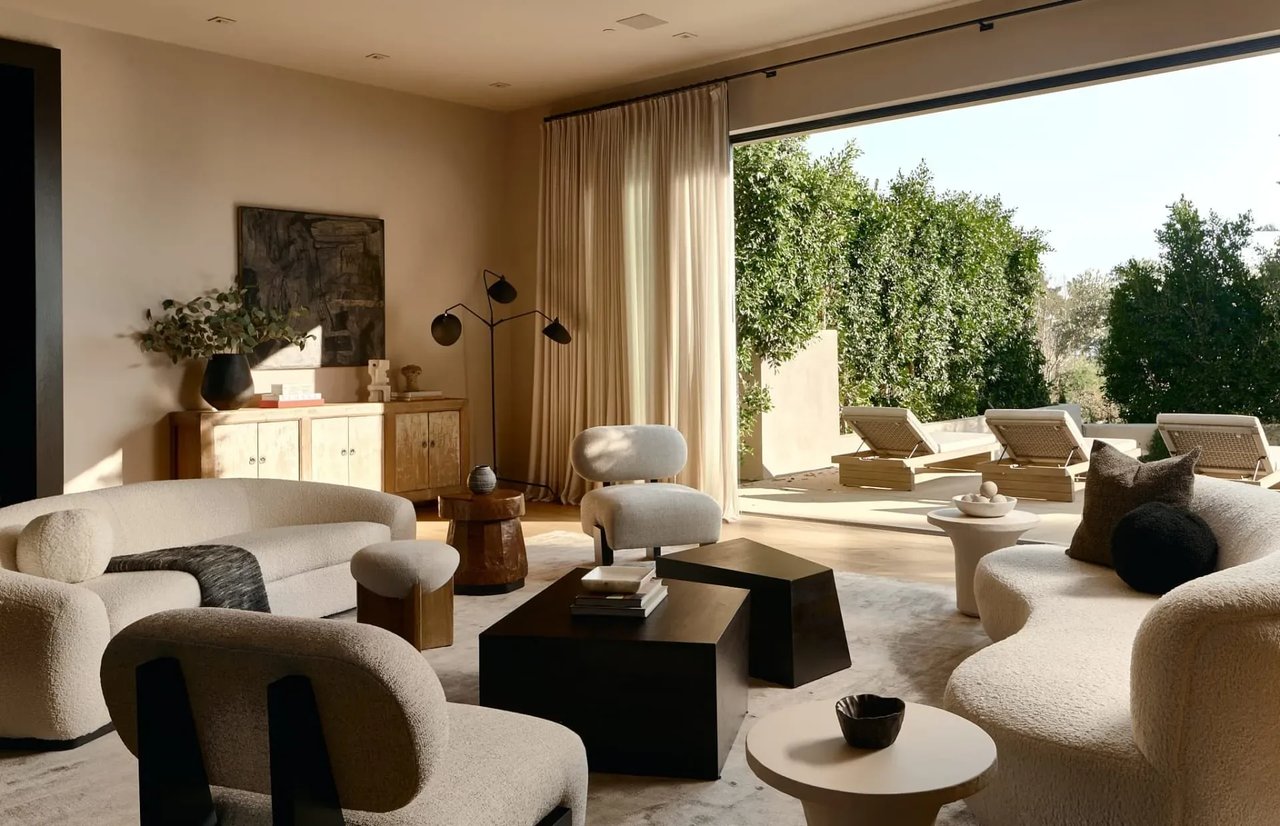
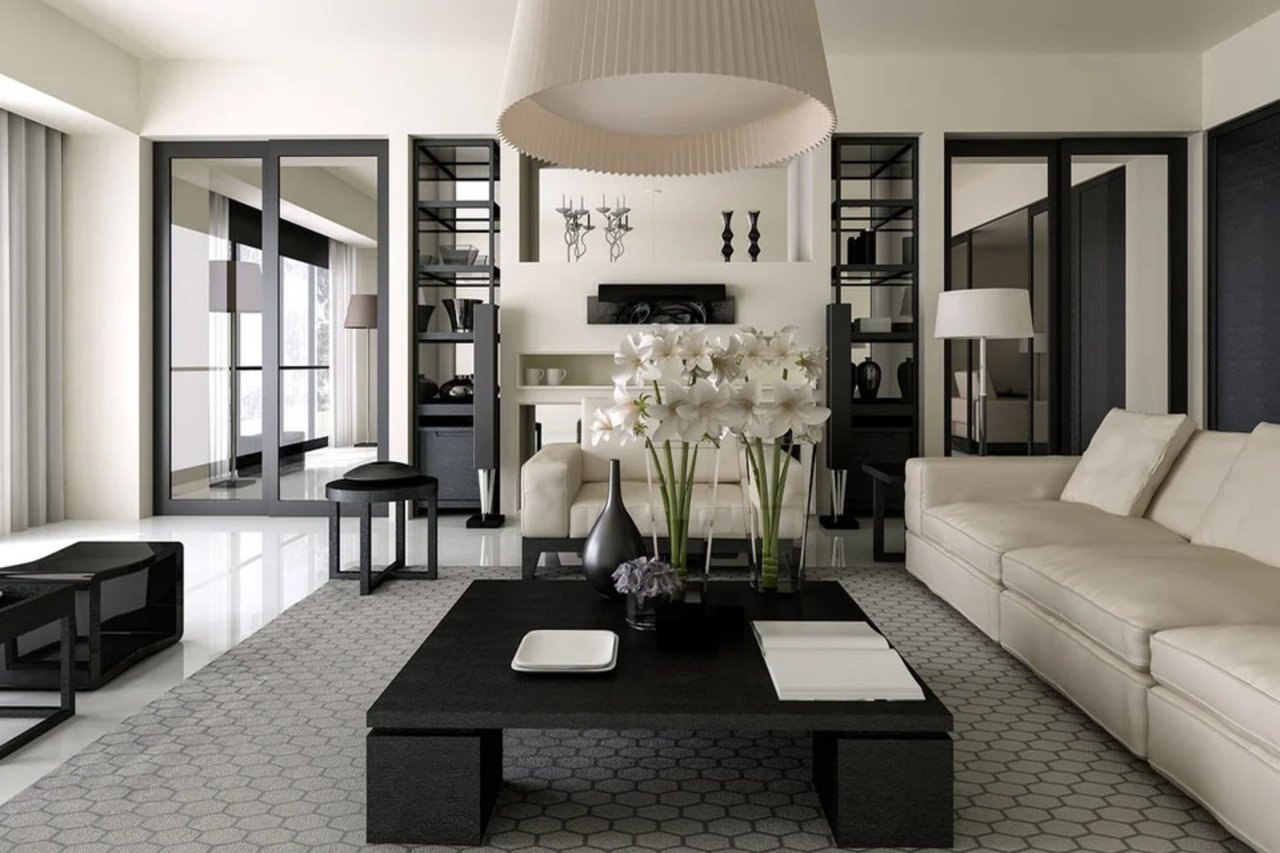
A restrained palette of warm neutrals and rich natural materials ties everything together, allowing the eclectic mix of furnishings—spanning different eras and origins—to feel harmonious. Many pieces share subtle qualities, like artisanal craftsmanship, industrial undertones, and refined forms, creating a quiet dialogue across spaces.

Throughout the project, Berkus balanced historical reference with reinterpretation. By understanding what might have originally existed, he could either honor or deliberately contrast it. This flexibility allowed the home to feel authentic without becoming overly literal.
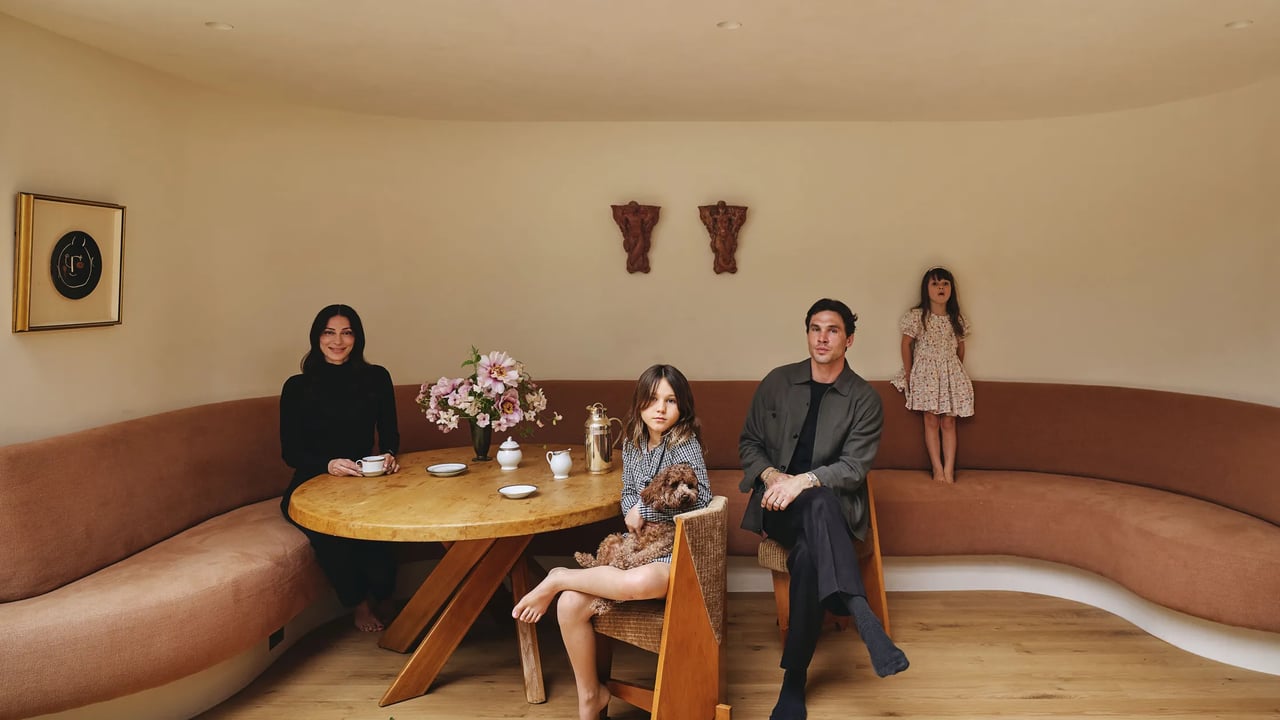
Ultimately, the goal wasn’t to recreate a museum-like period interior, but to design a home that reflects the energy and lifestyle of its owners—one that feels layered, personal, and alive.

(Architectural Digest 2026)