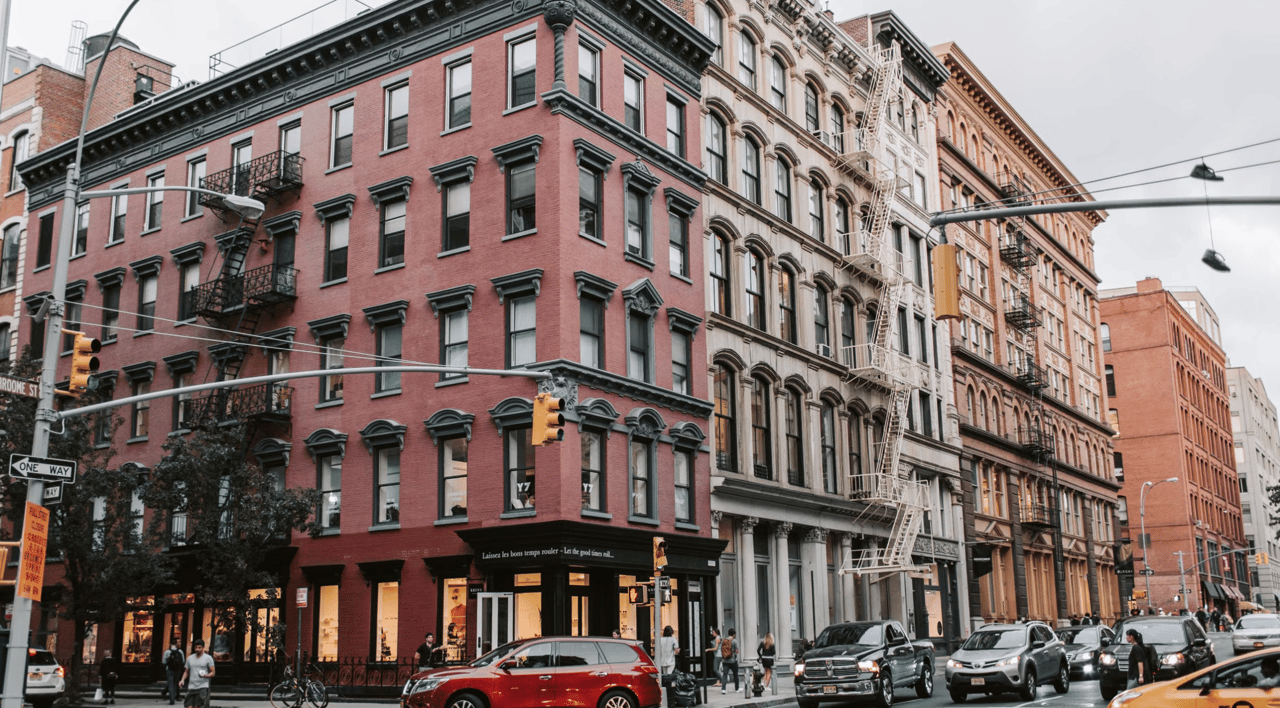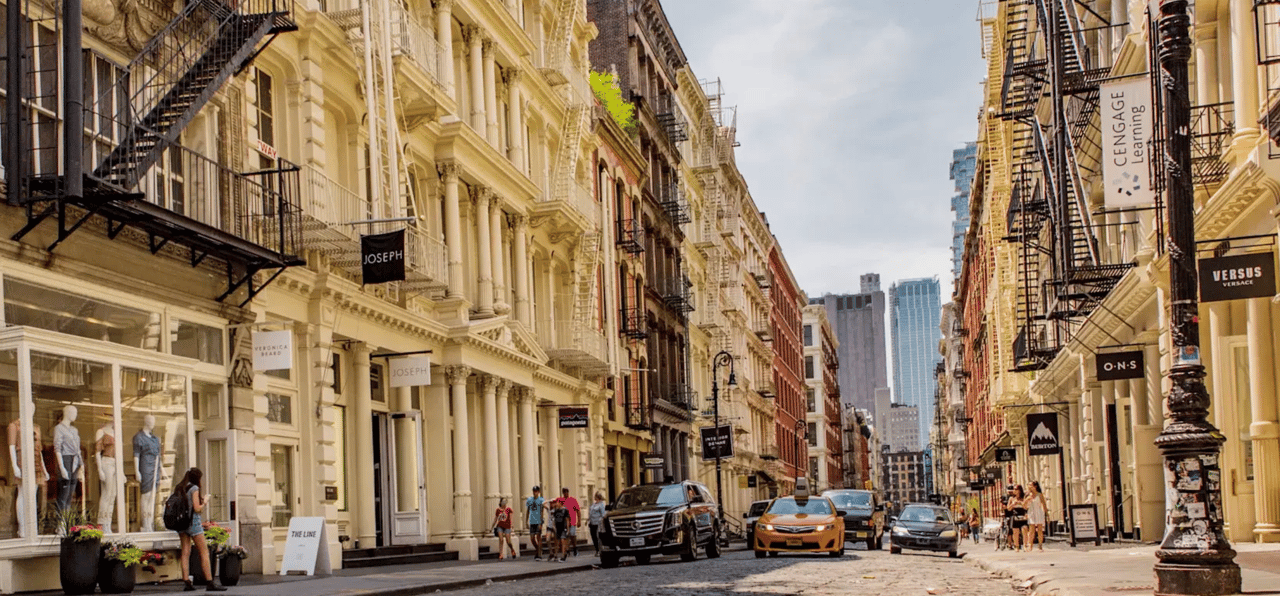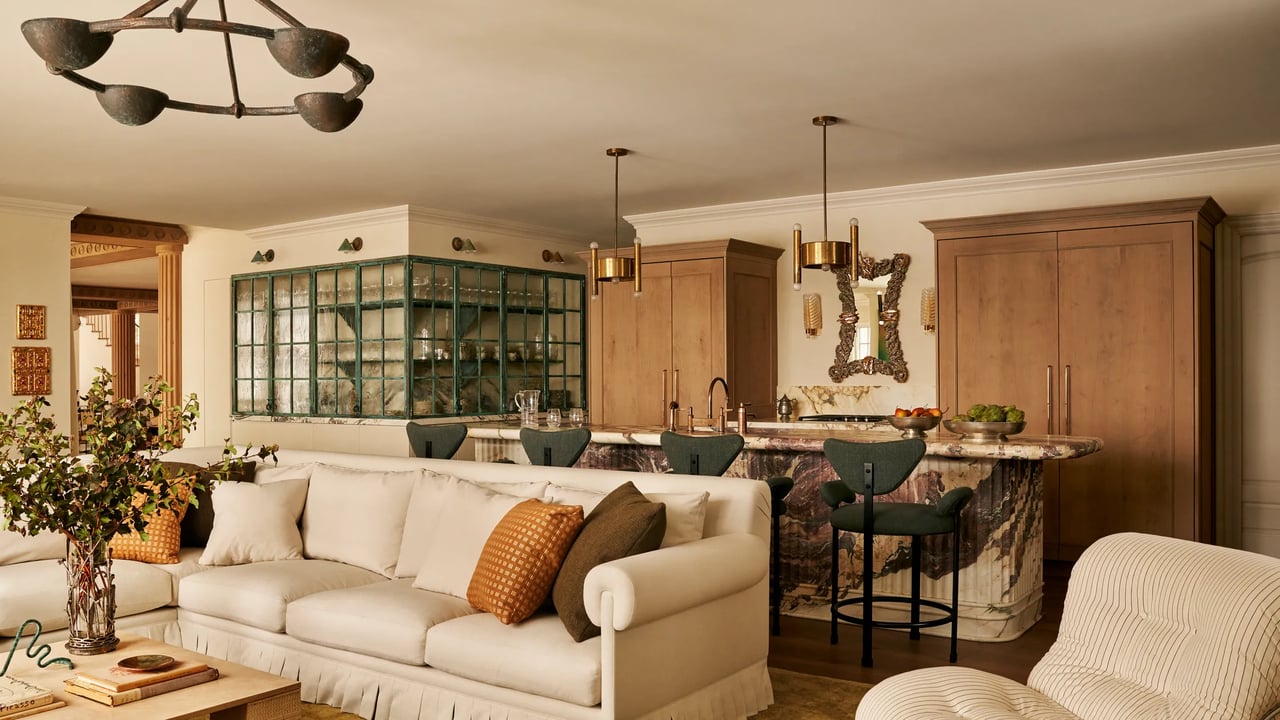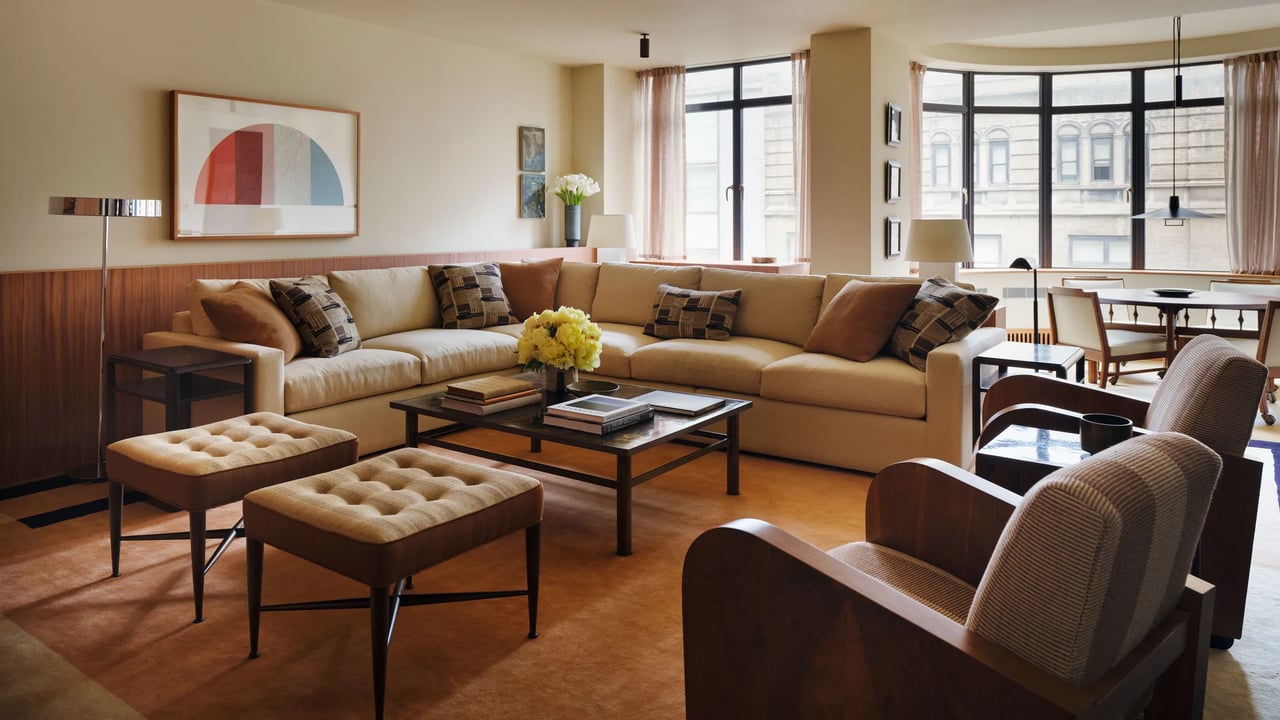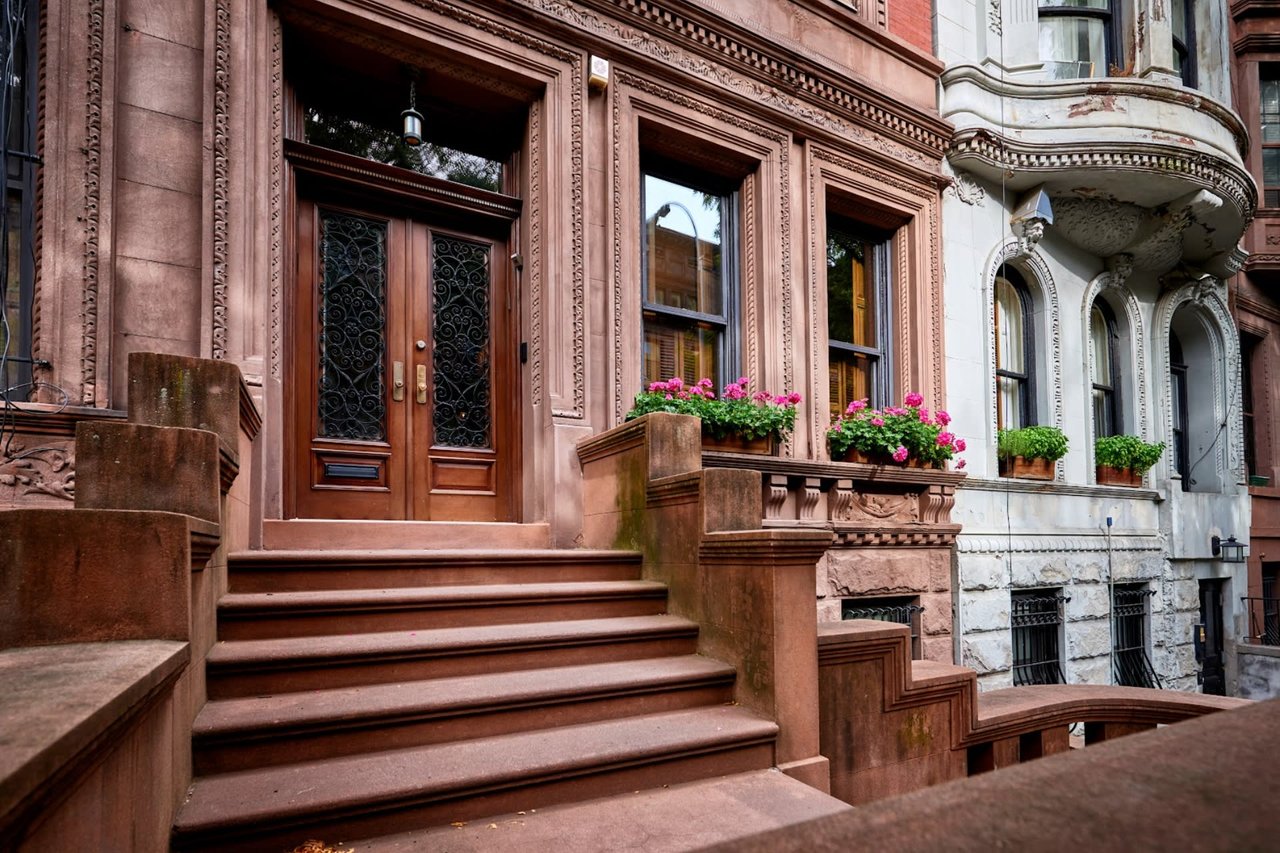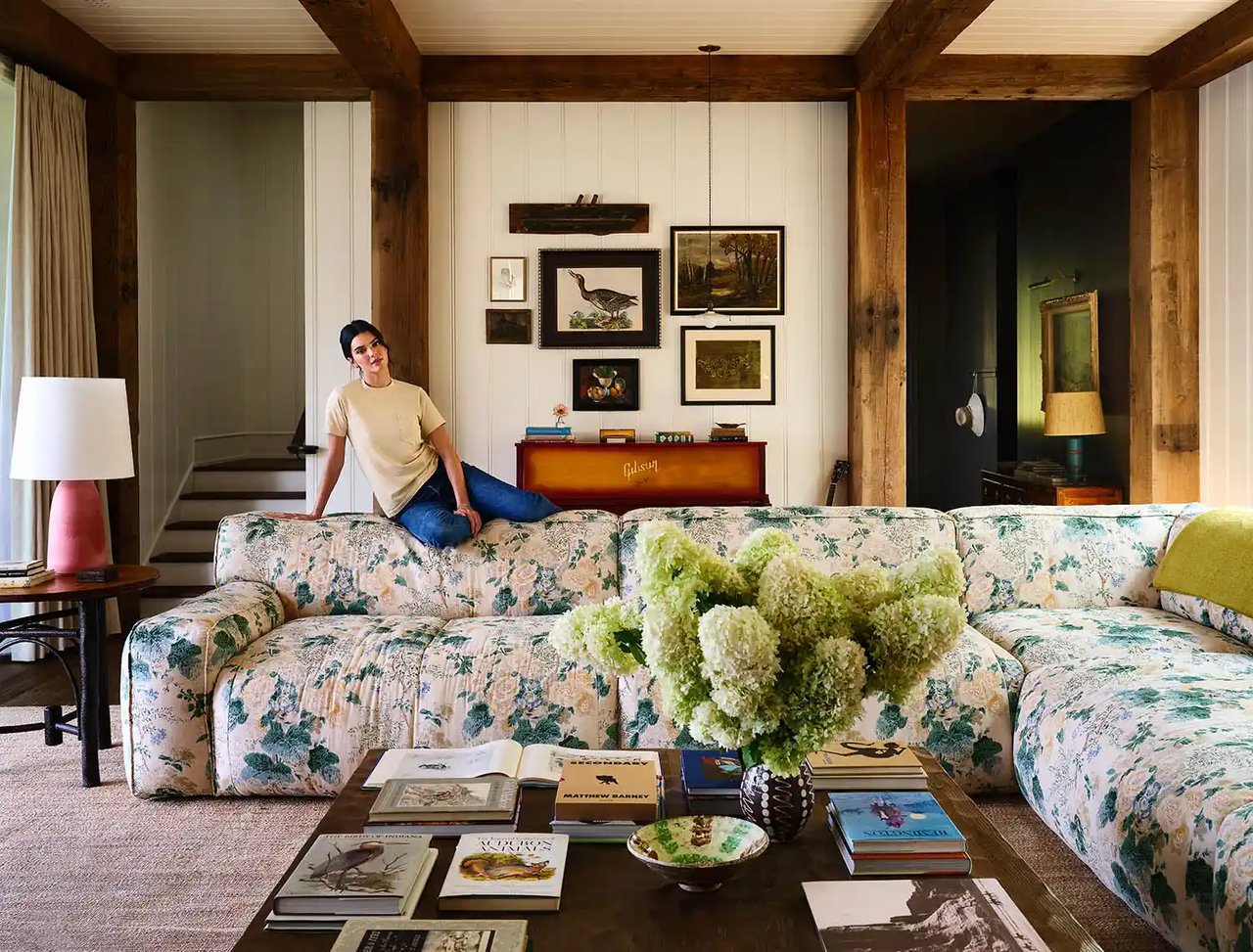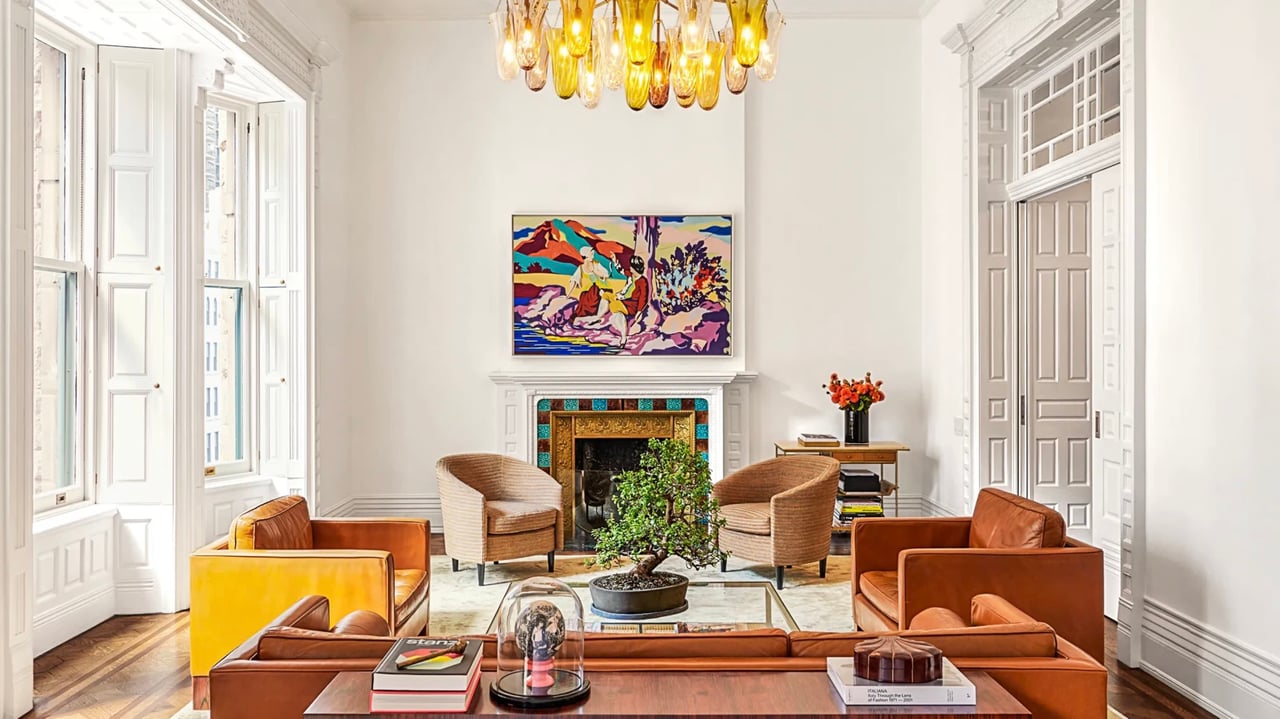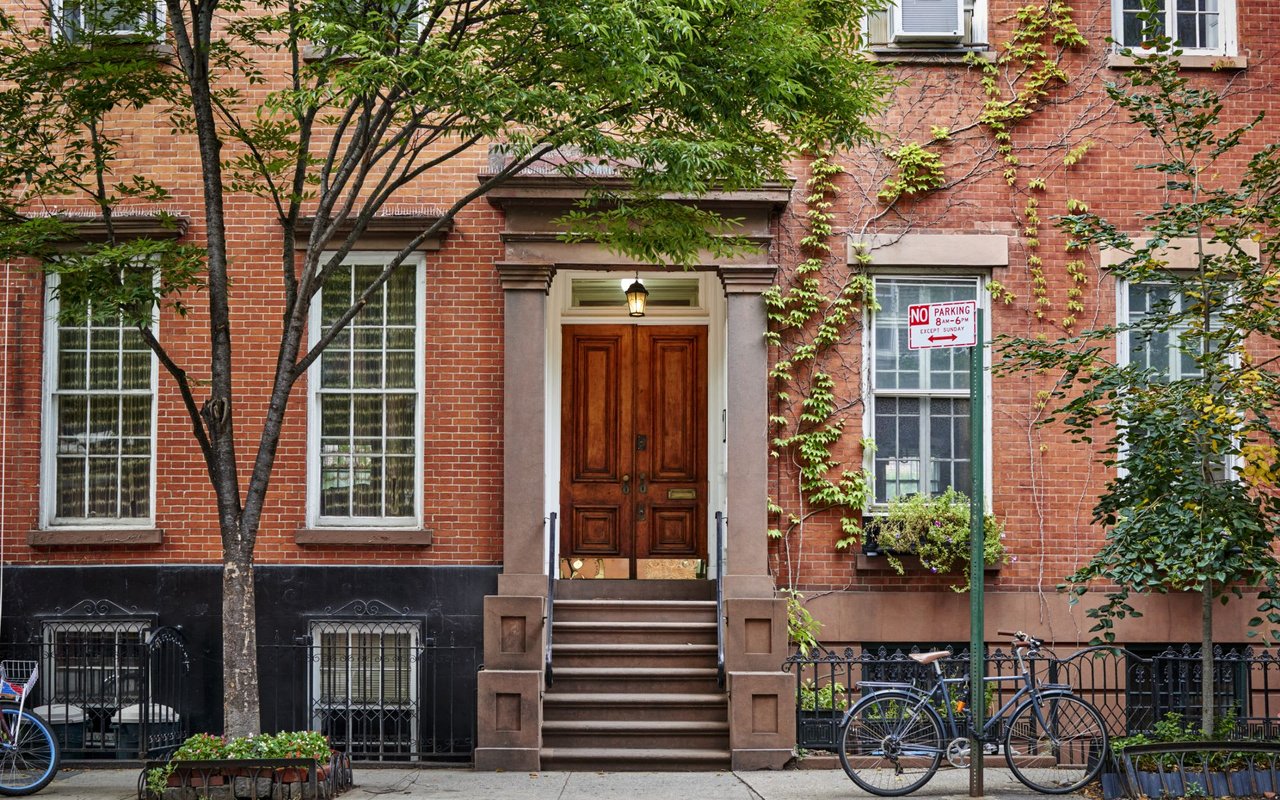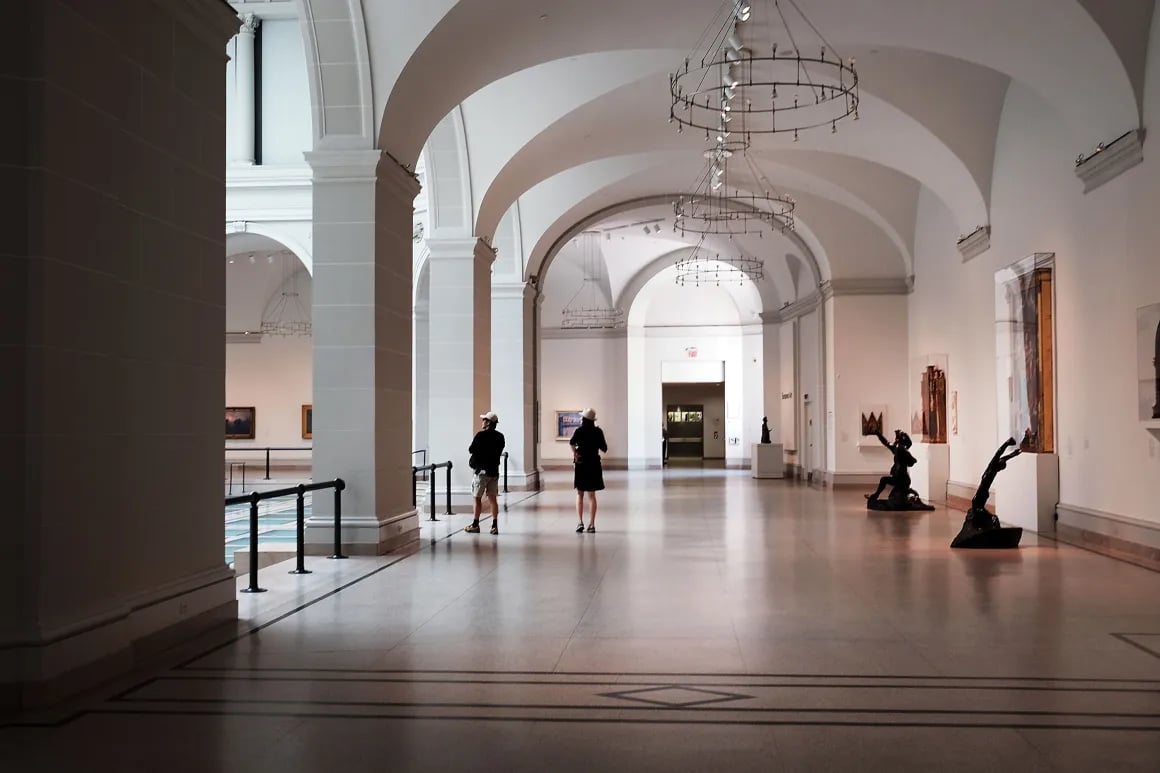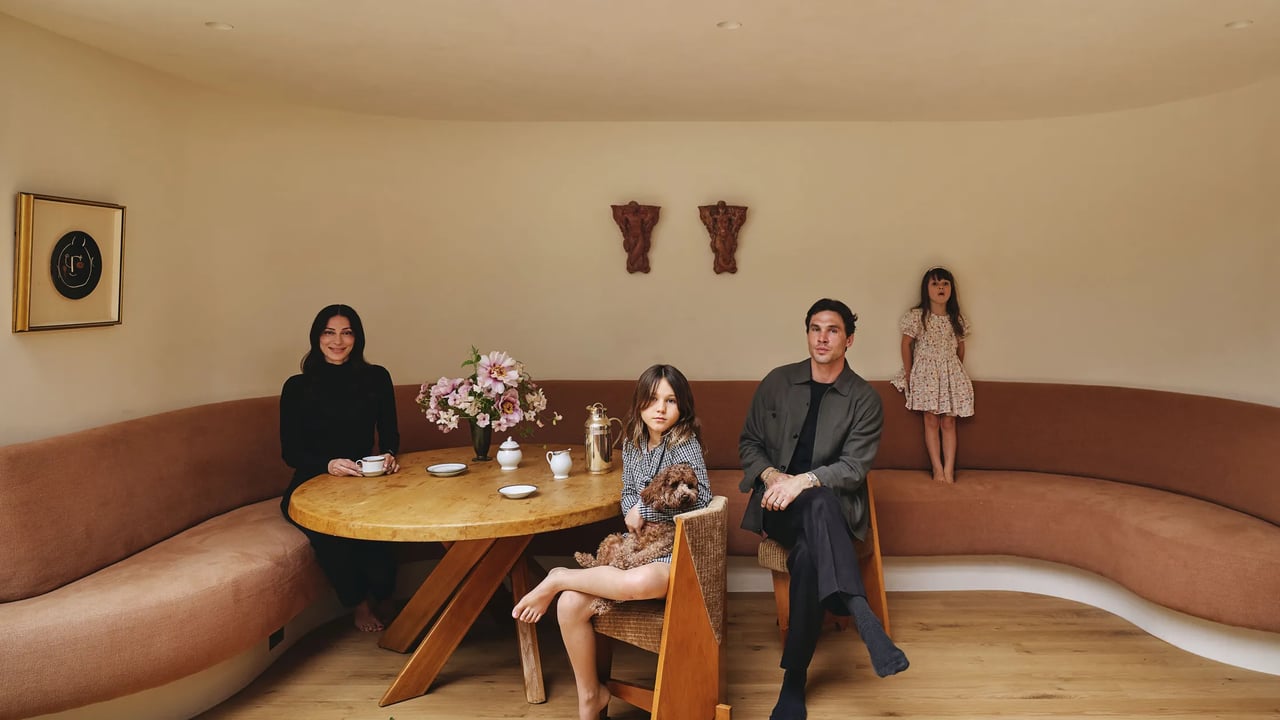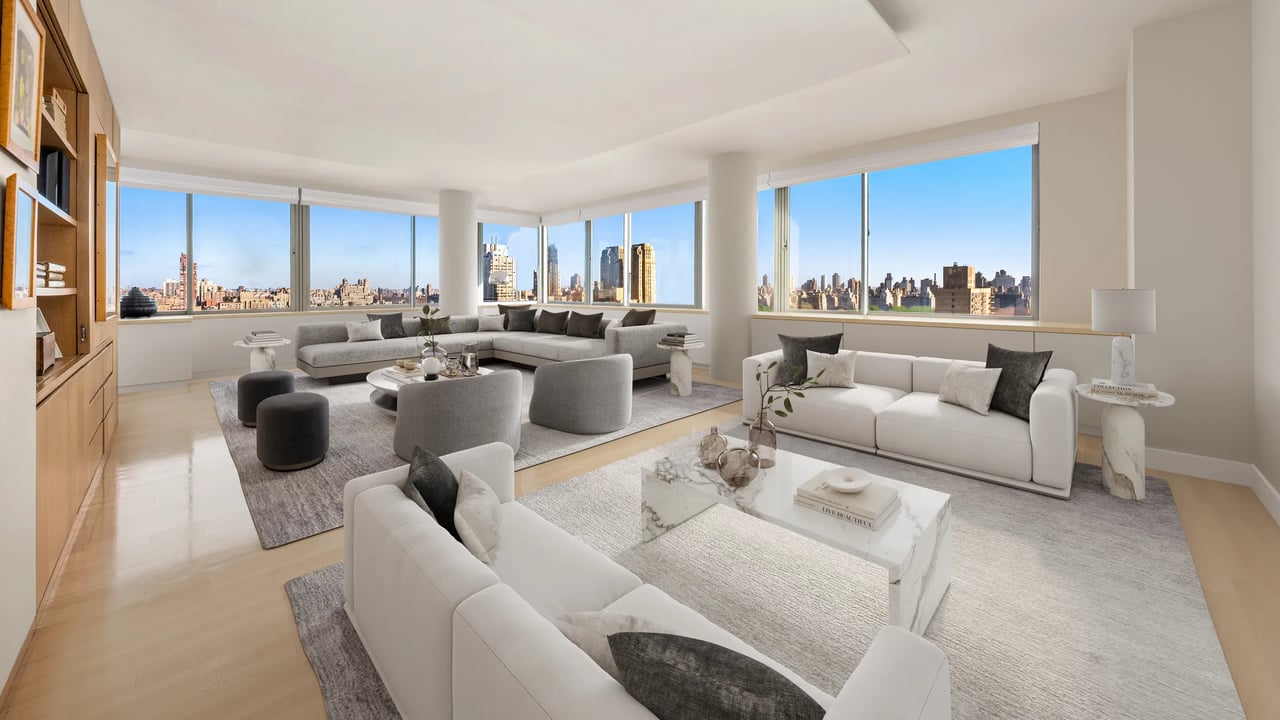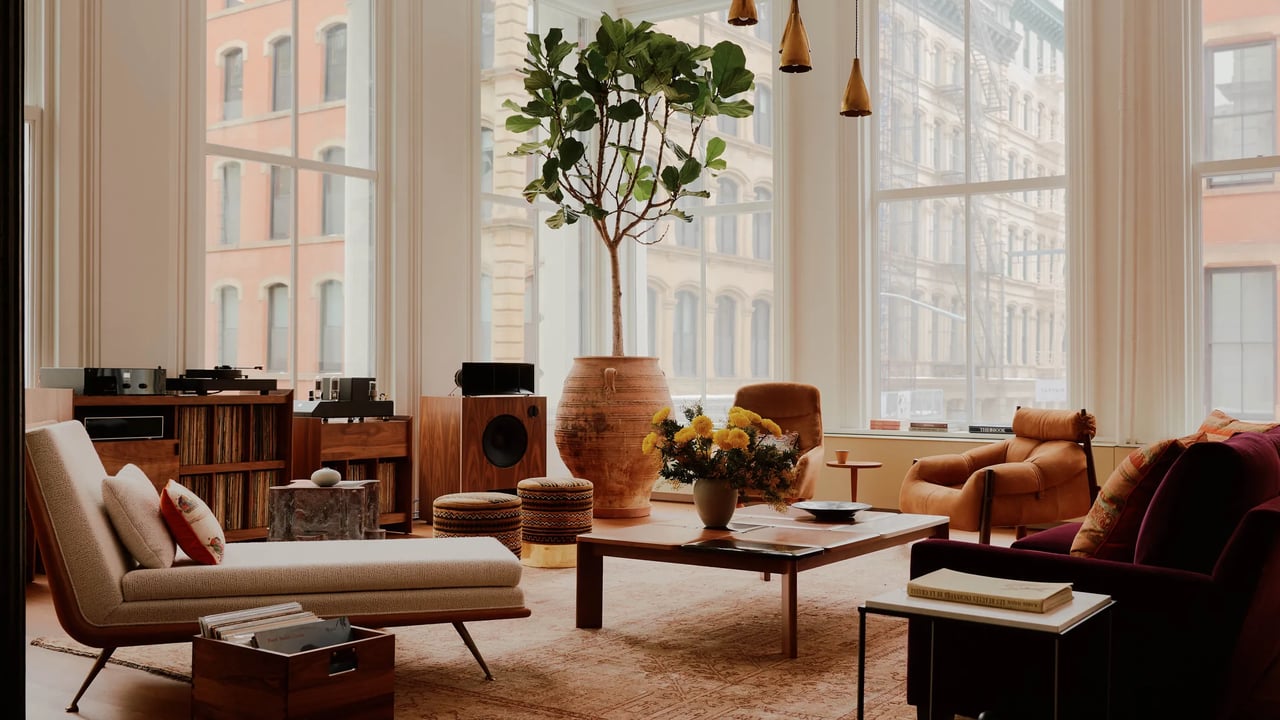
A historic SoHo loft from 1872—once a silk warehouse designed by William H. Hume—was never meant to feel like a cozy family home. With its soaring ceilings and open layout, it had all the makings of an artist’s studio. But for one couple with four children, that challenge became an opportunity.
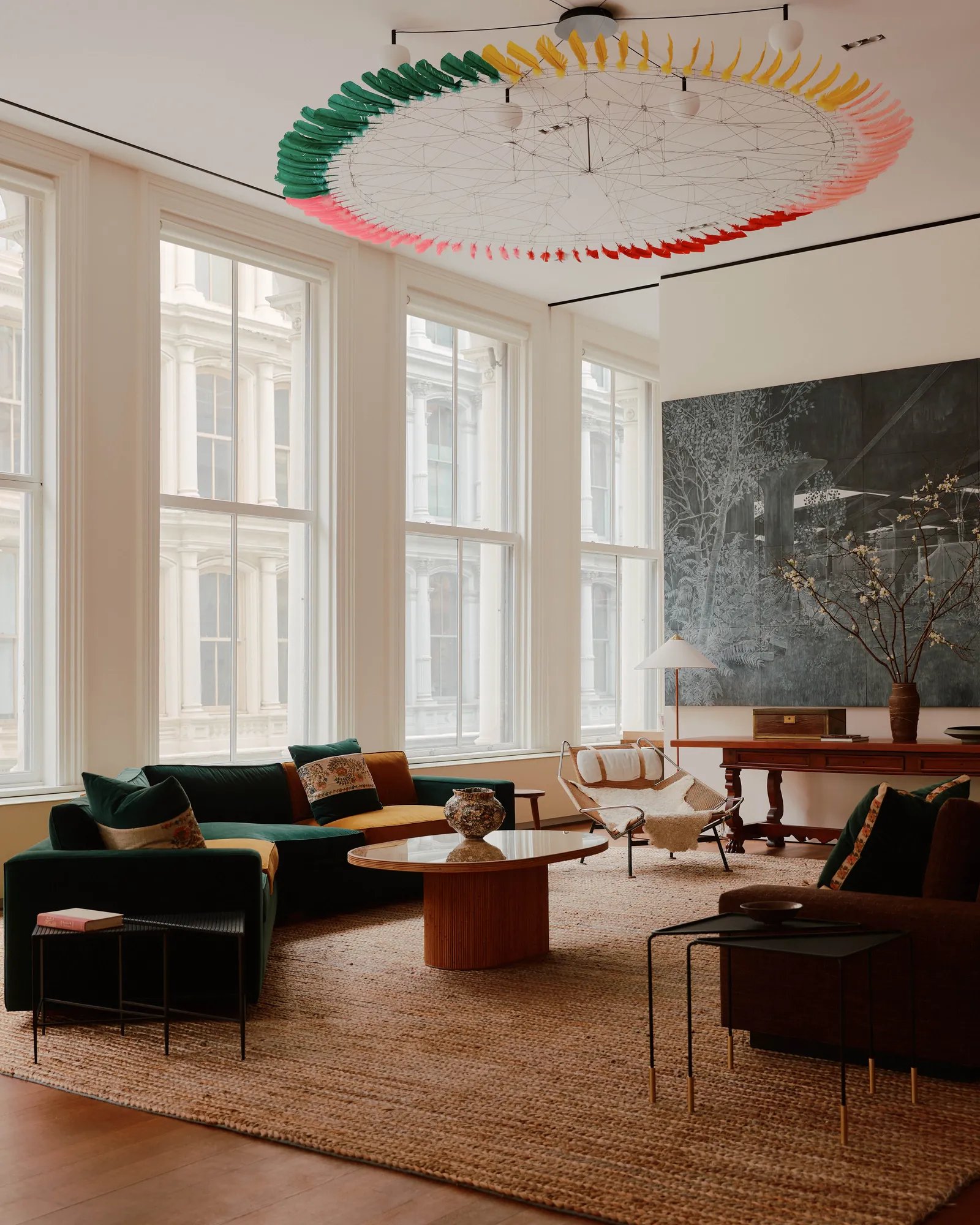
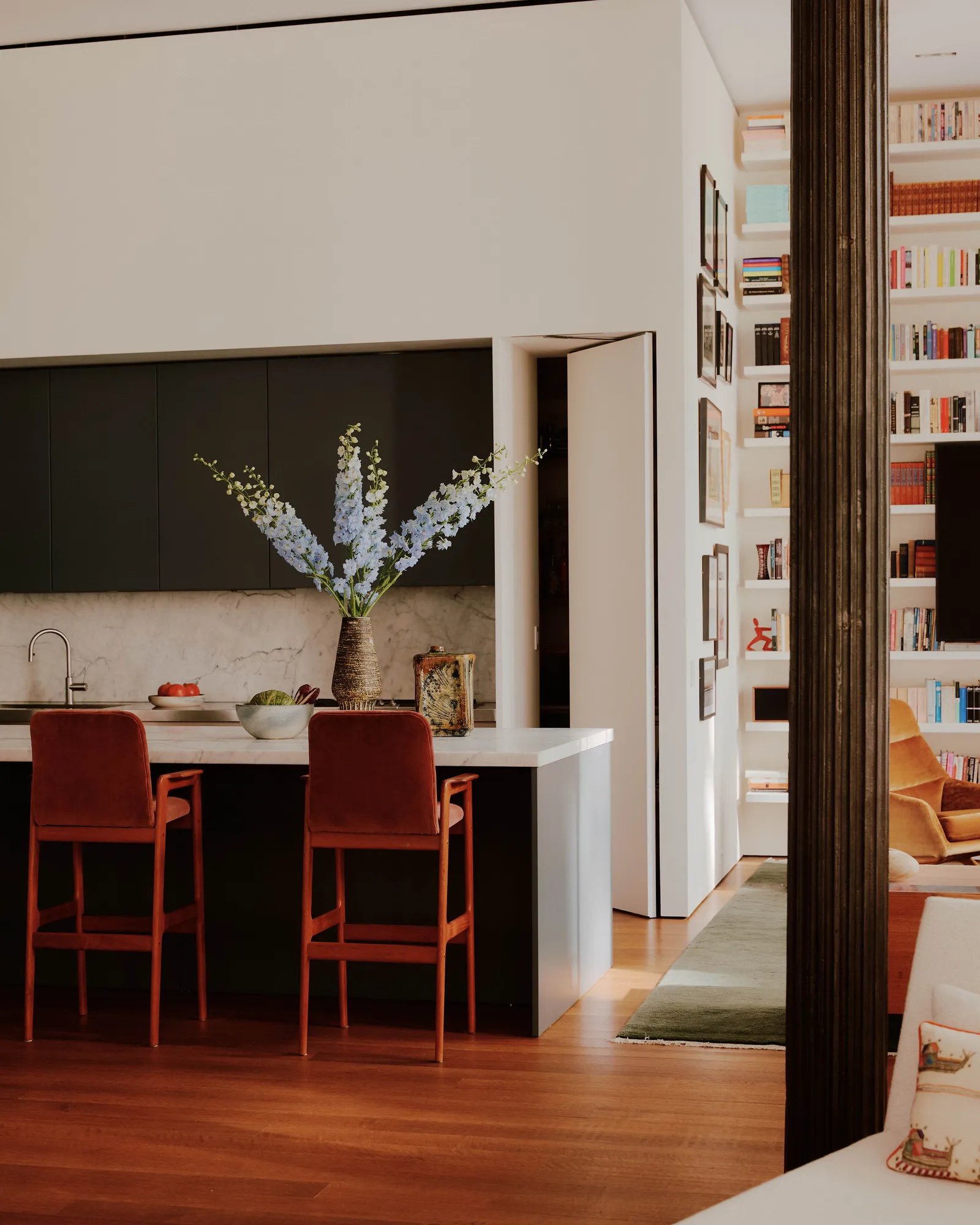
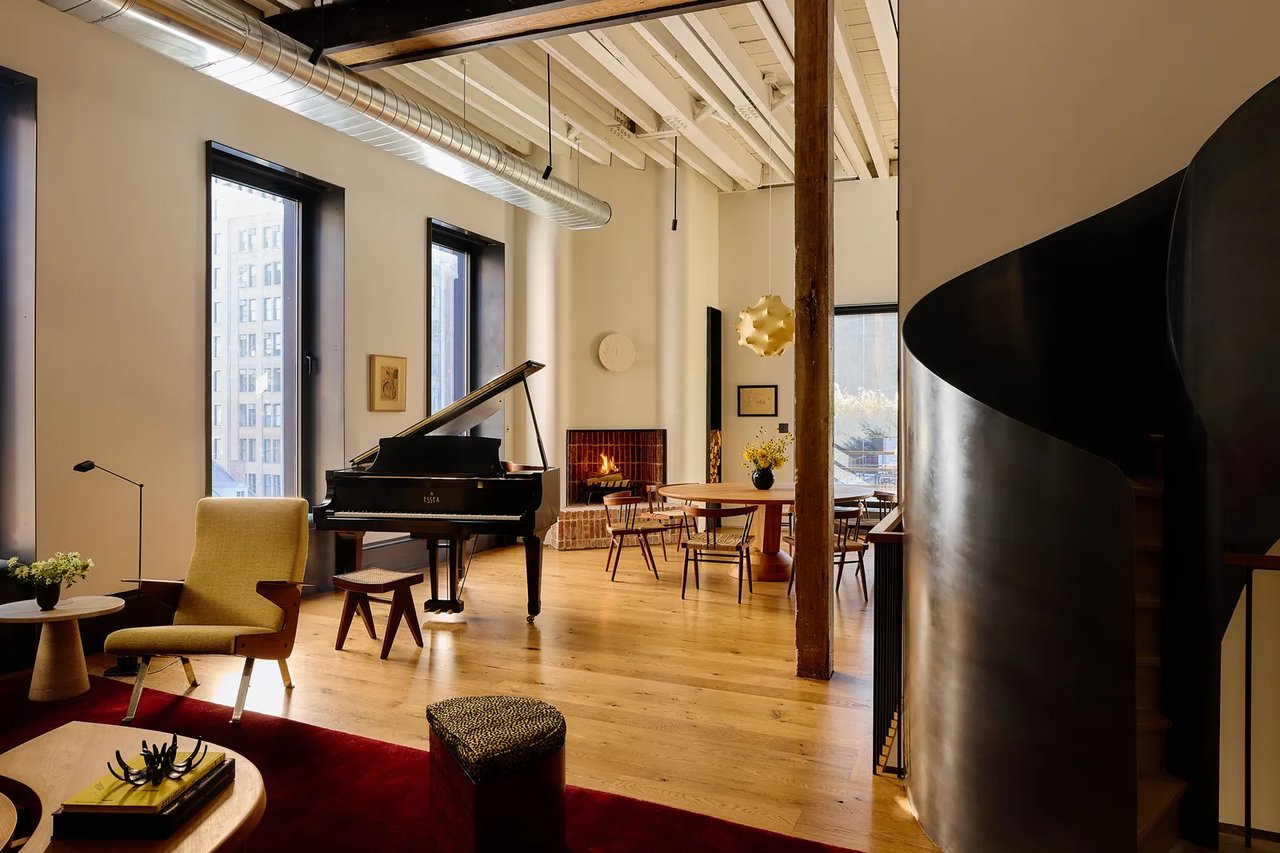
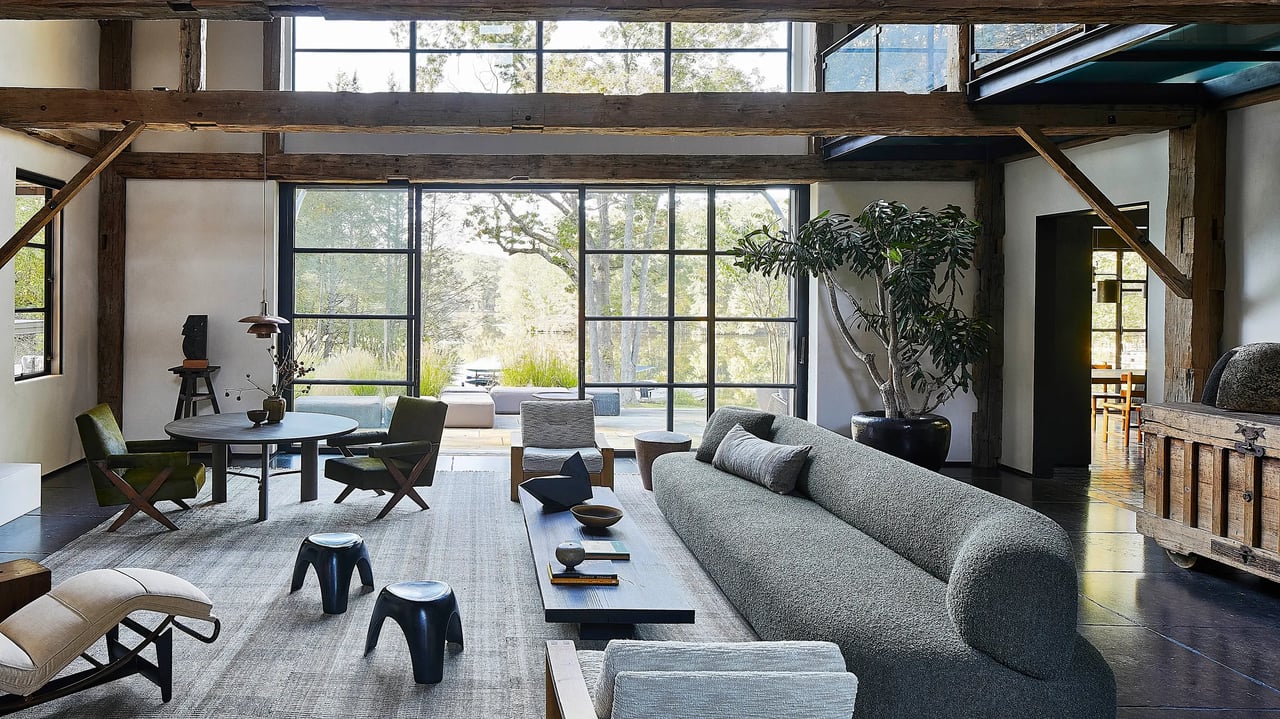
Designer Fawn Galli transformed the 3,700-square-foot space into a warm, livable home without sacrificing its grandeur. Instead of adding walls, she divided the massive great room into five distinct areas using rugs, lighting, and smart furniture placement—creating intimacy while keeping the openness intact.
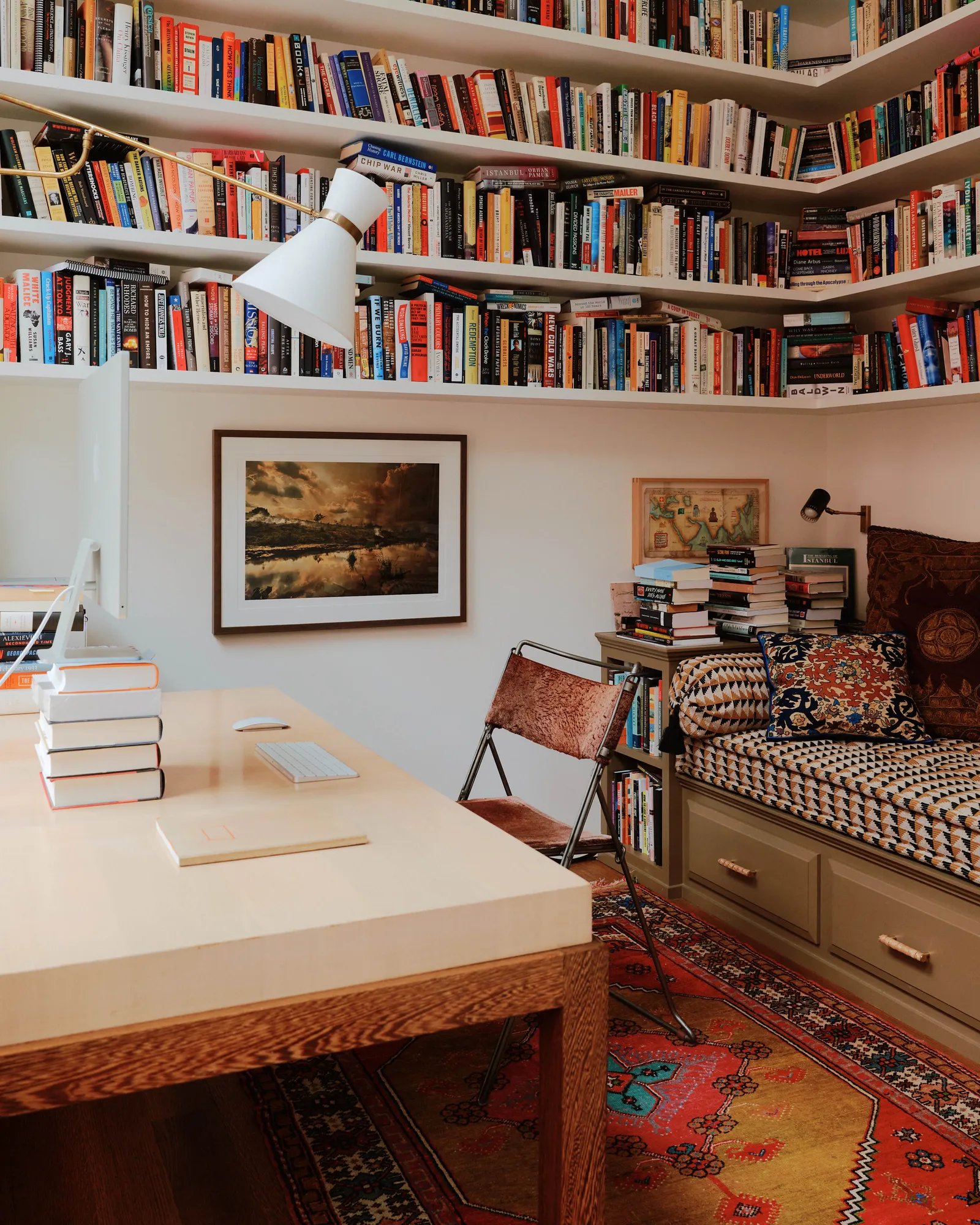
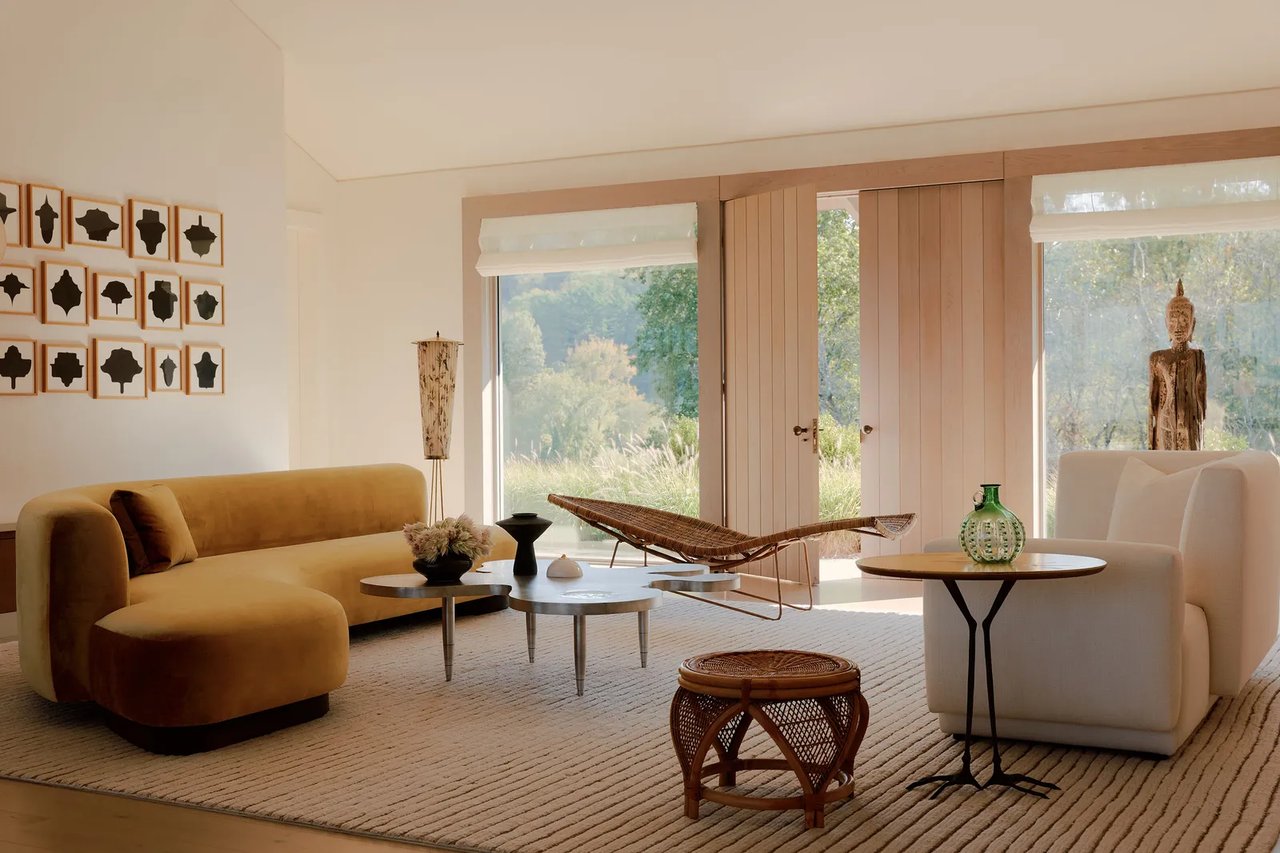
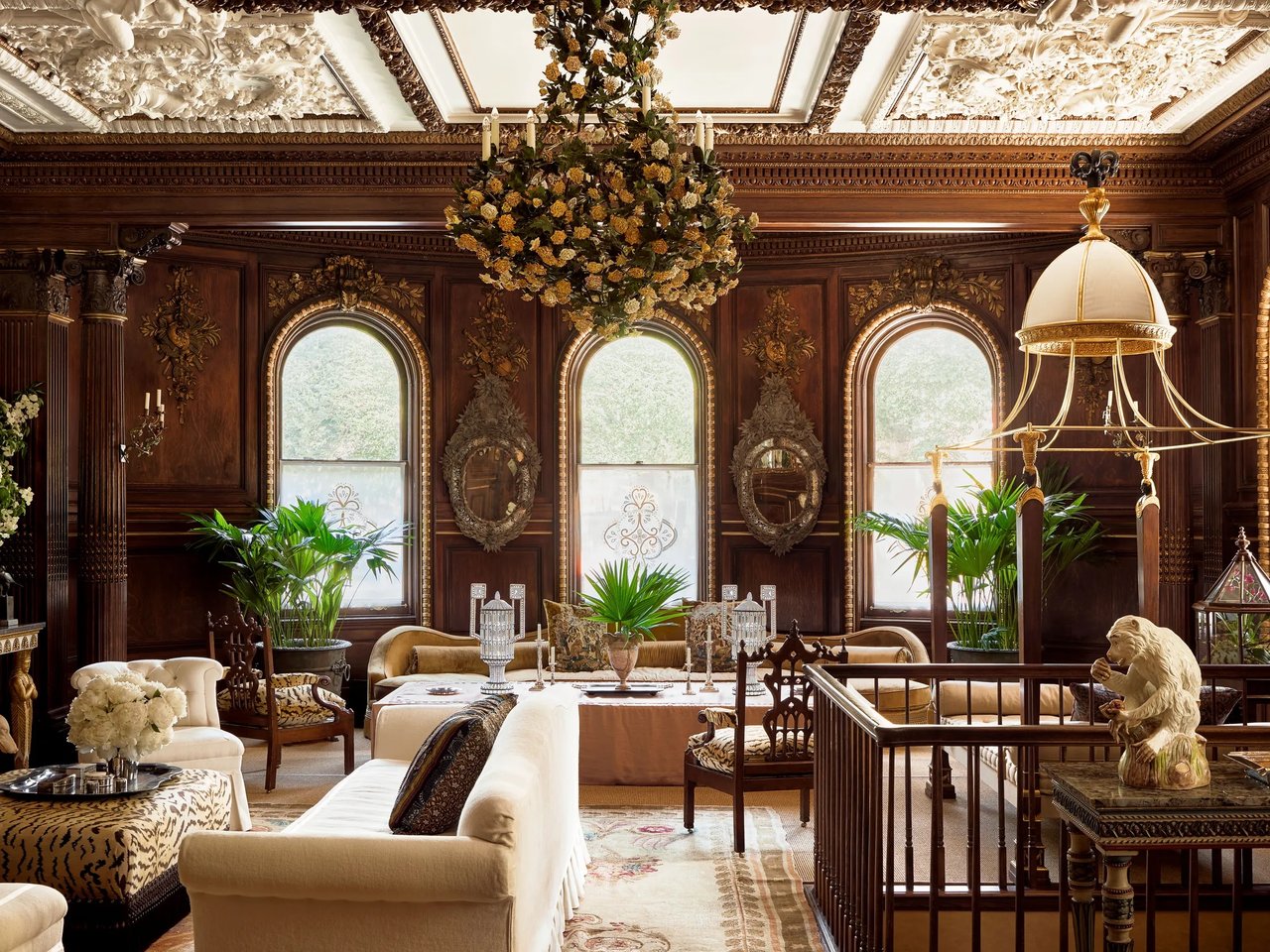
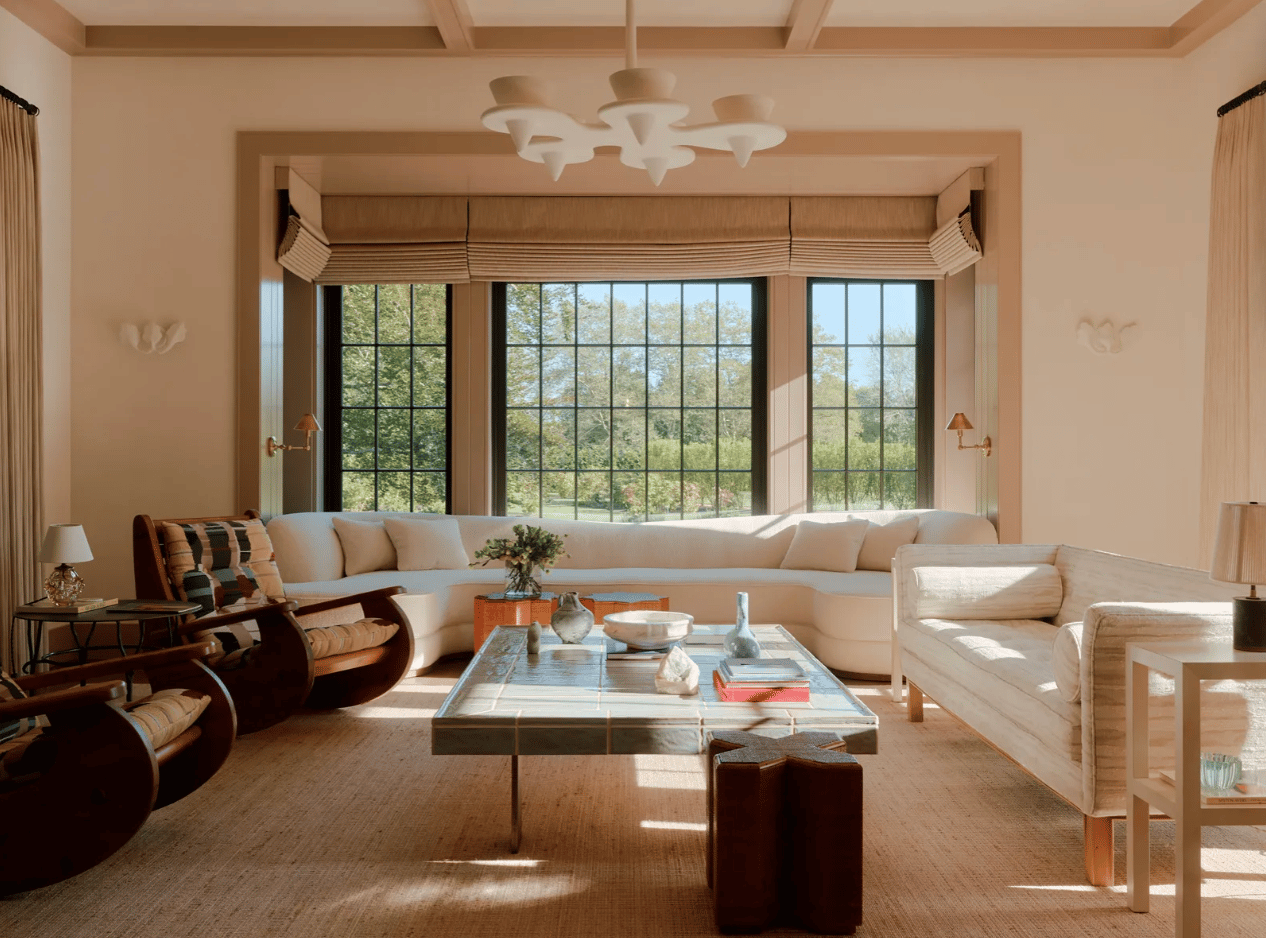
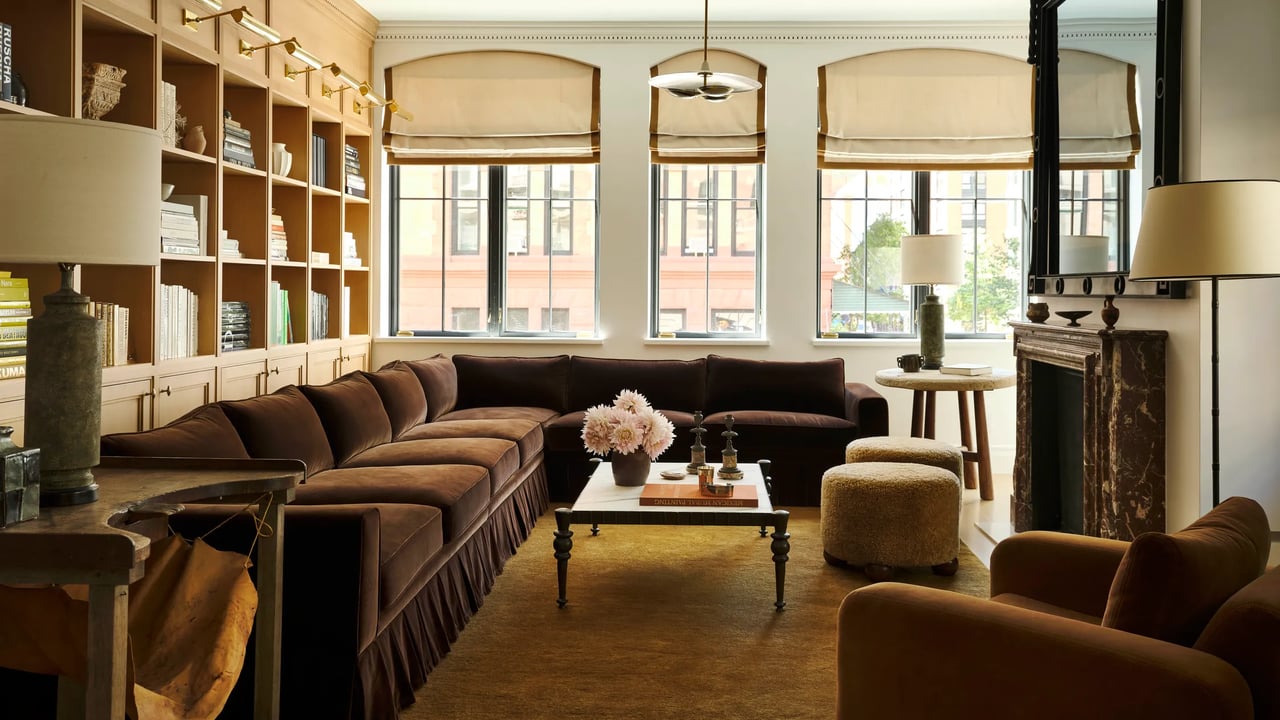
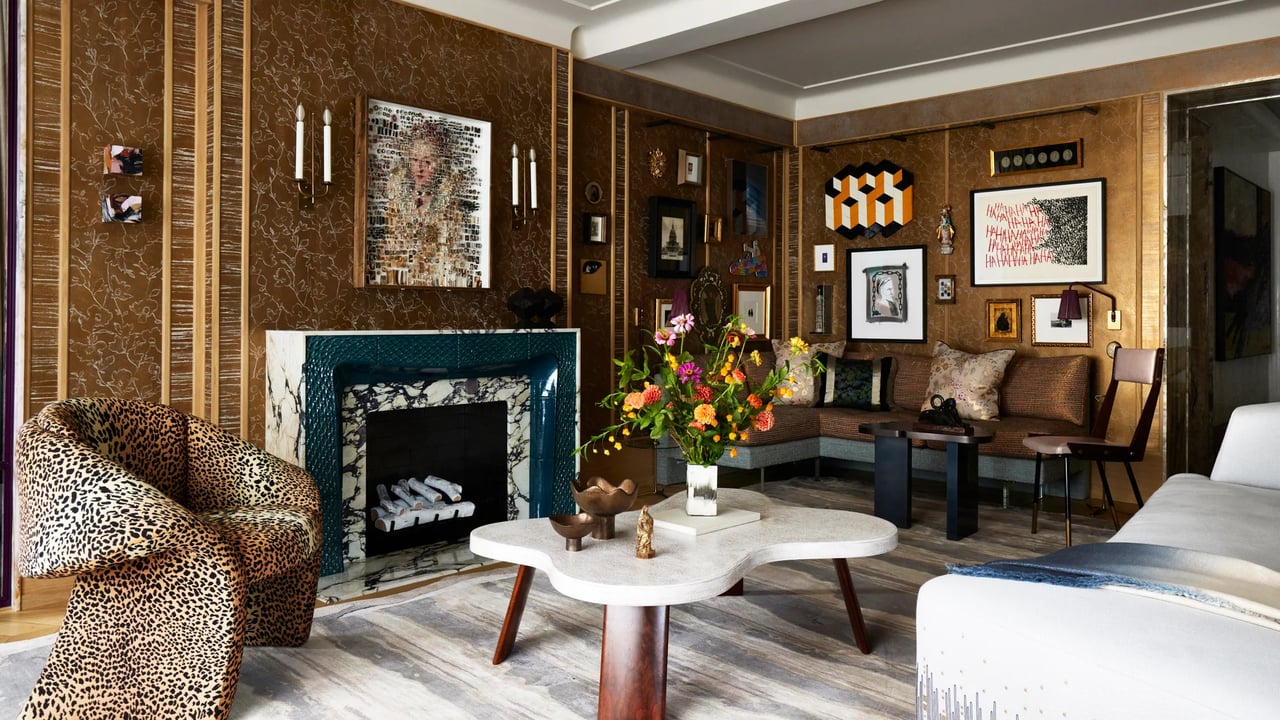
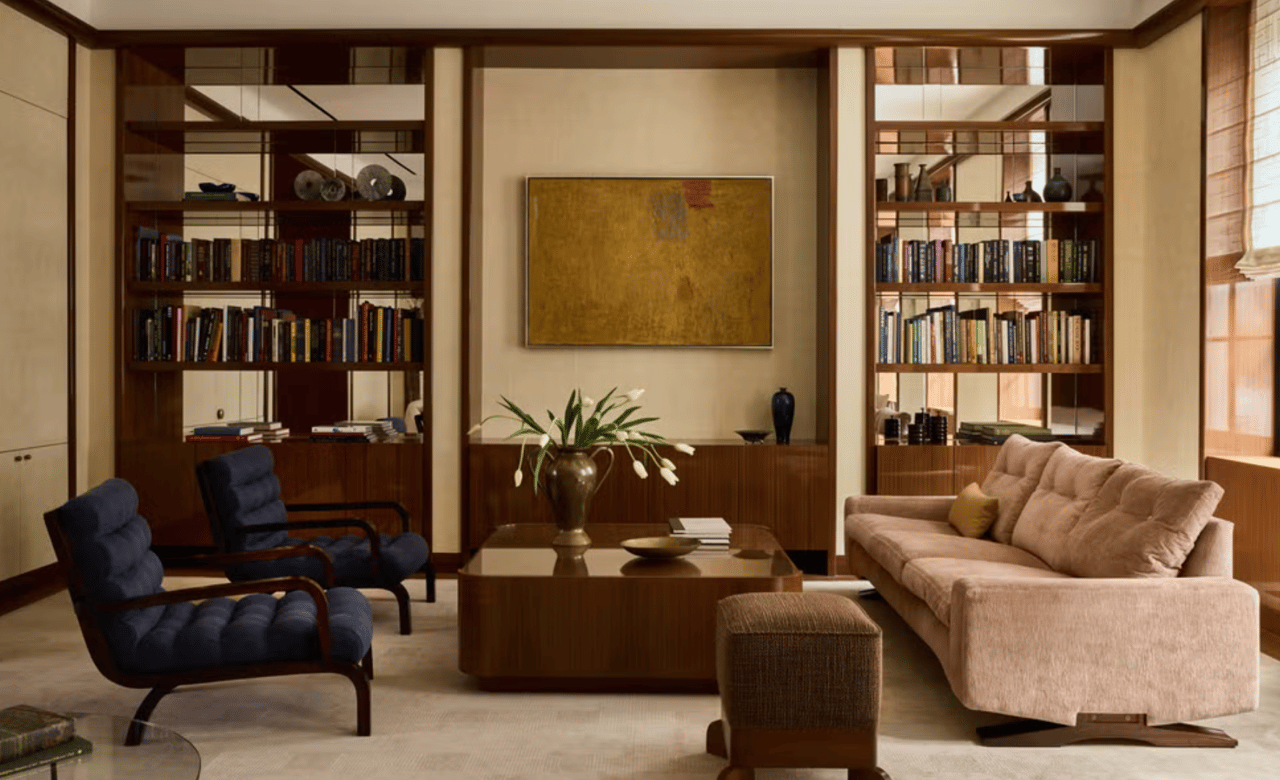
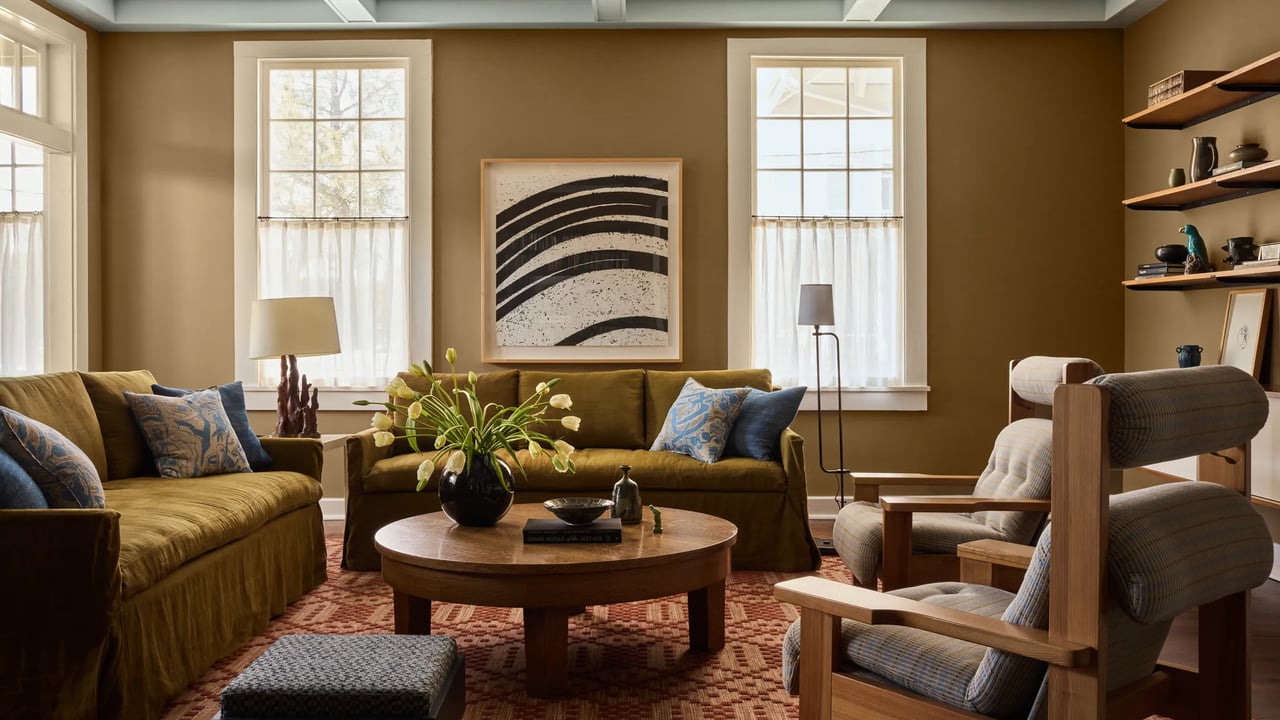
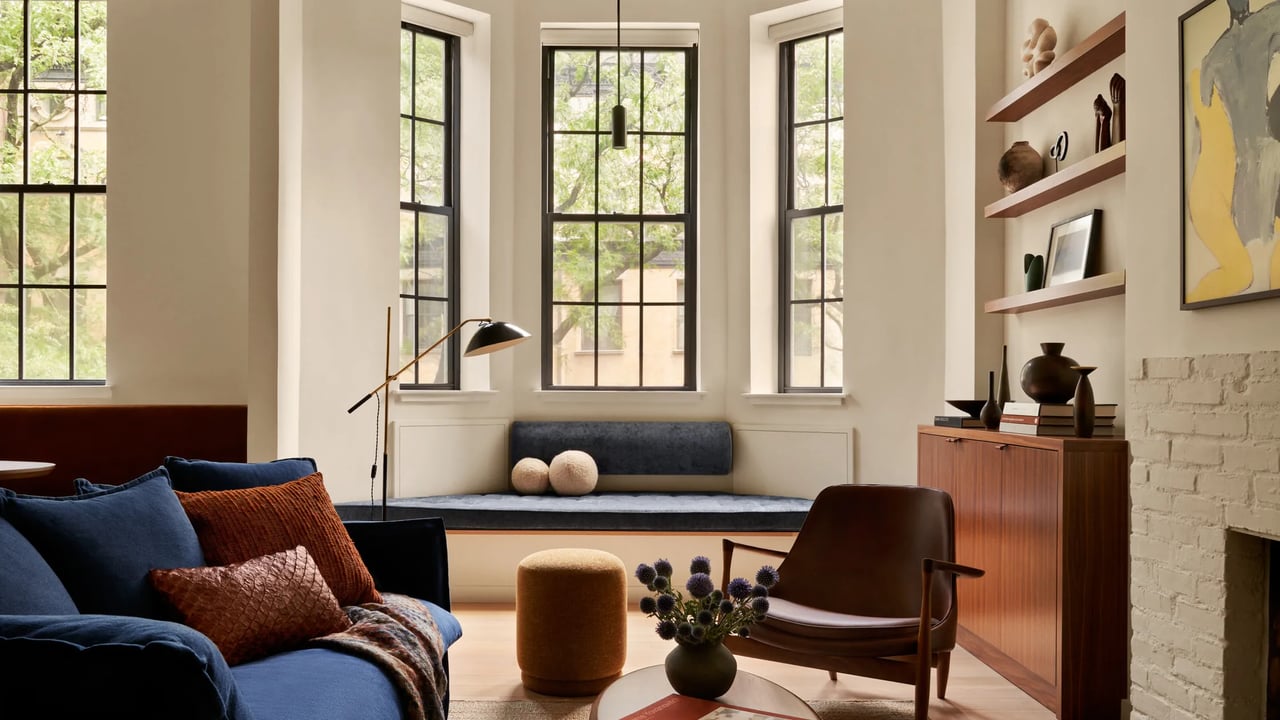
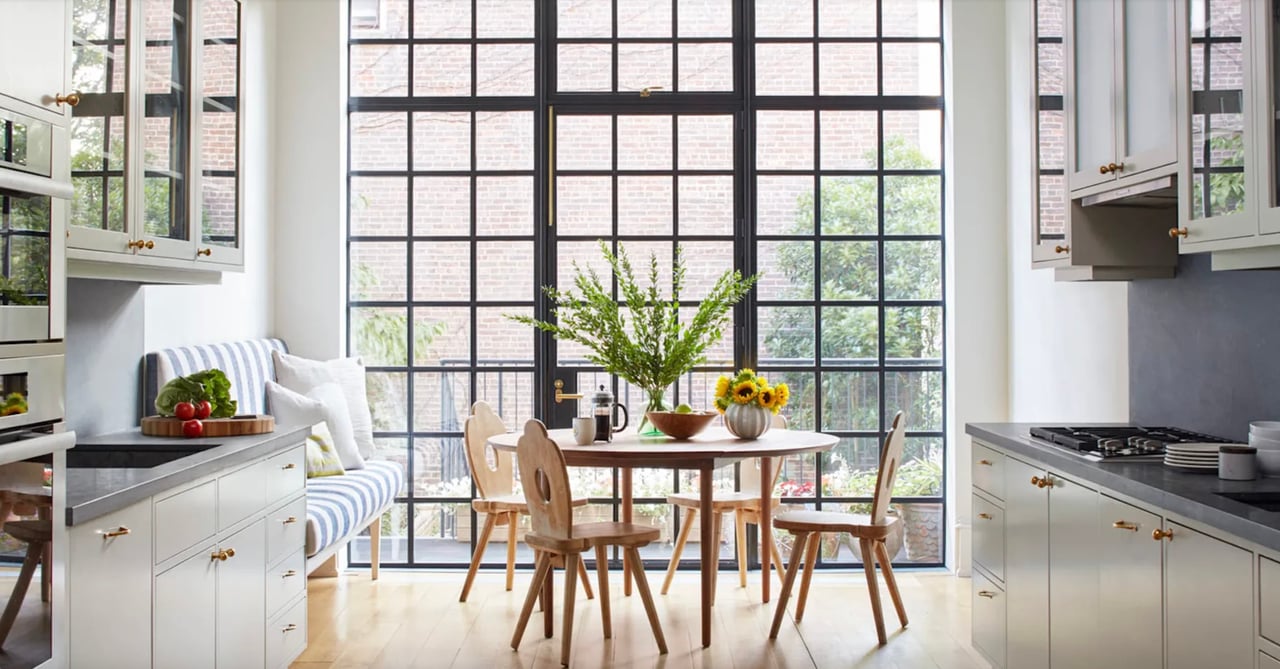
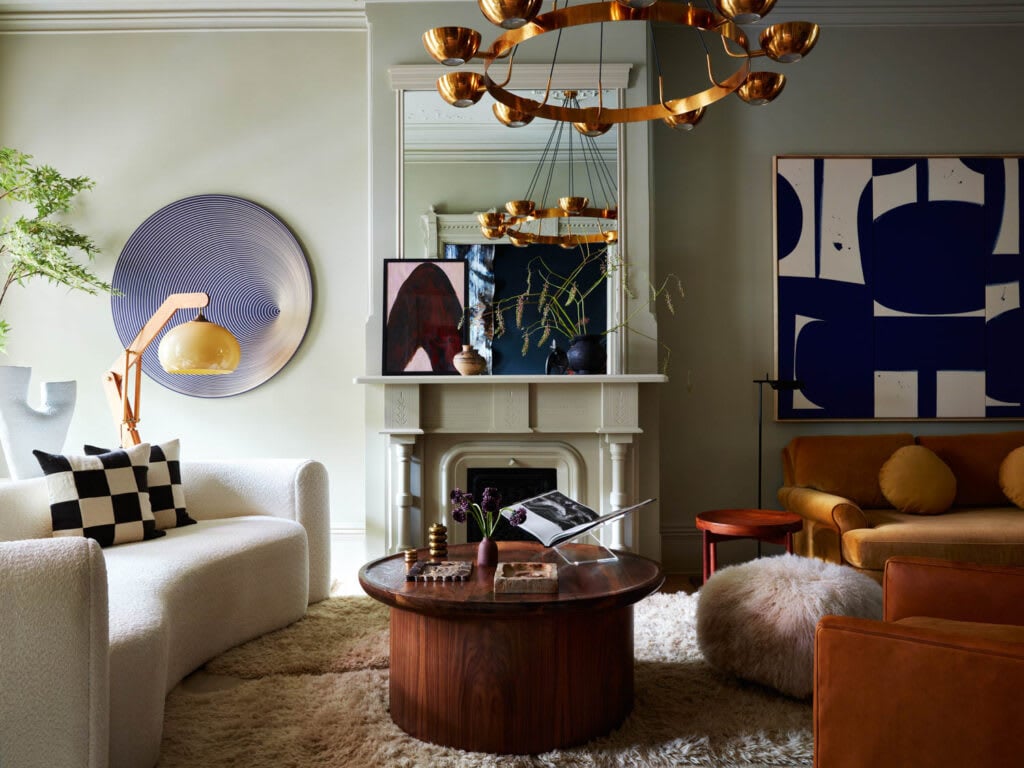
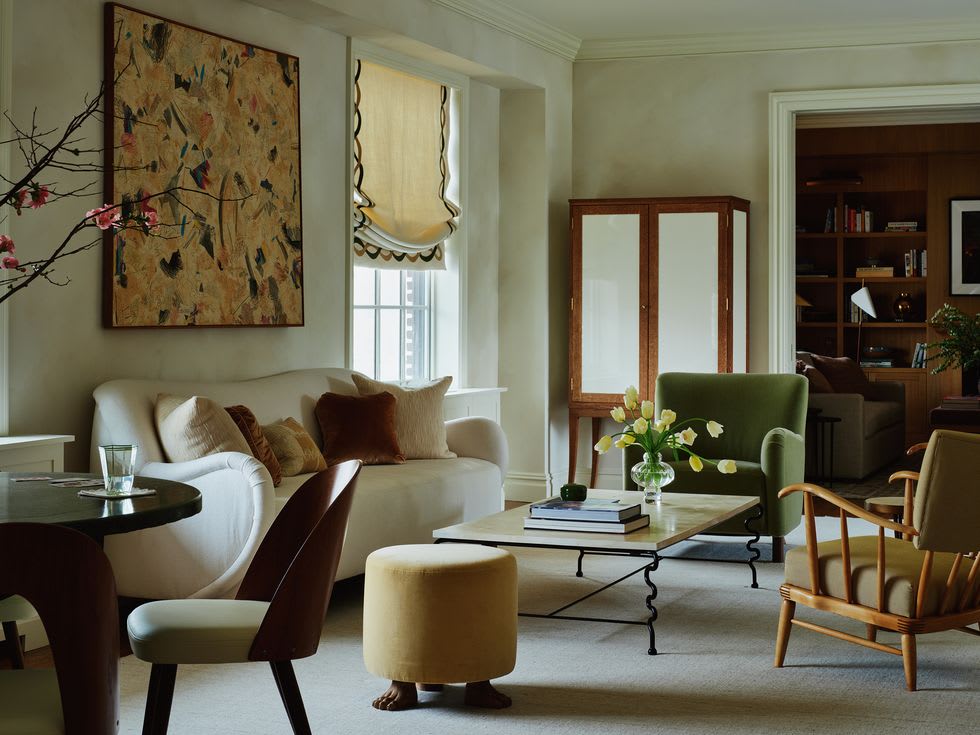
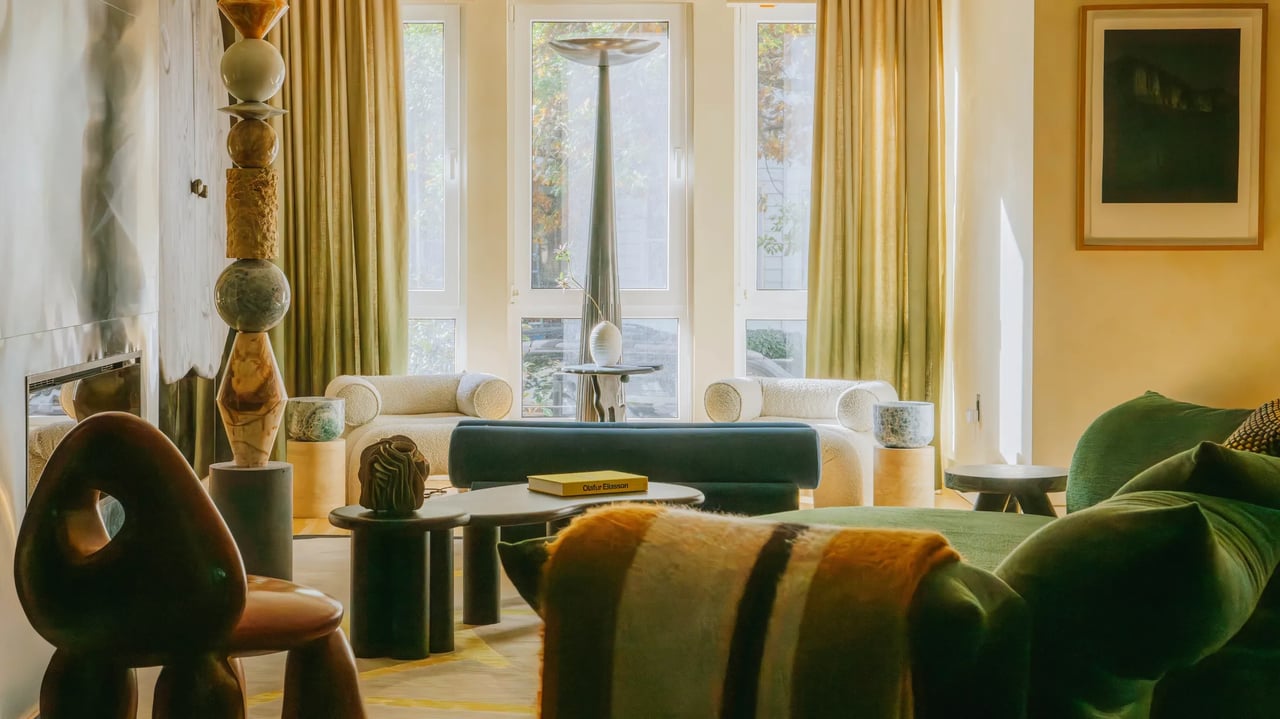
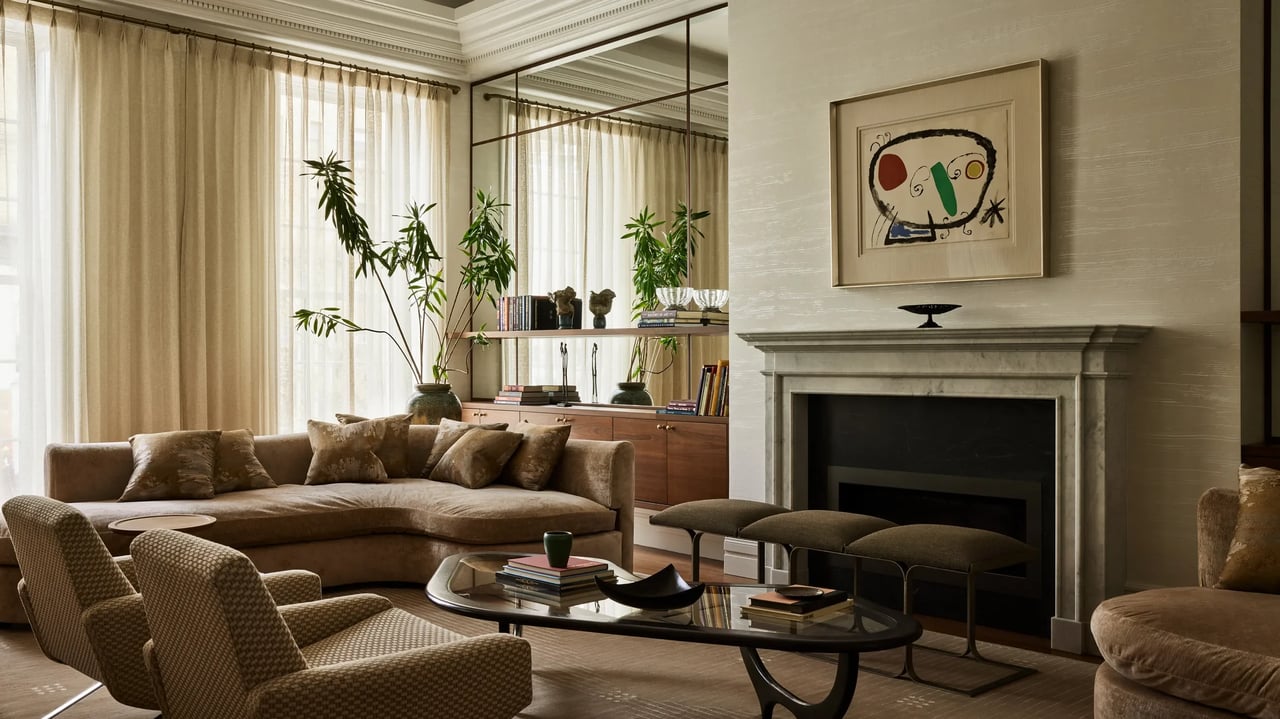
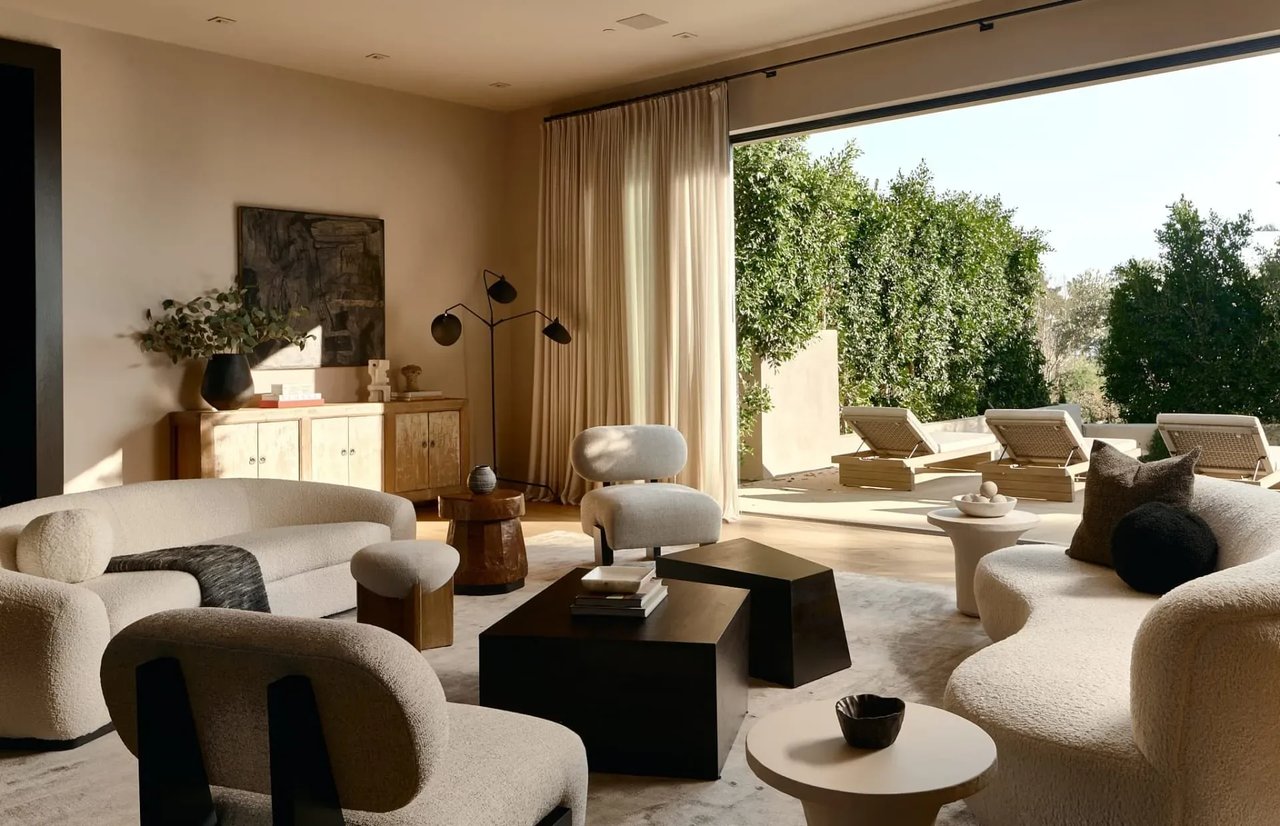
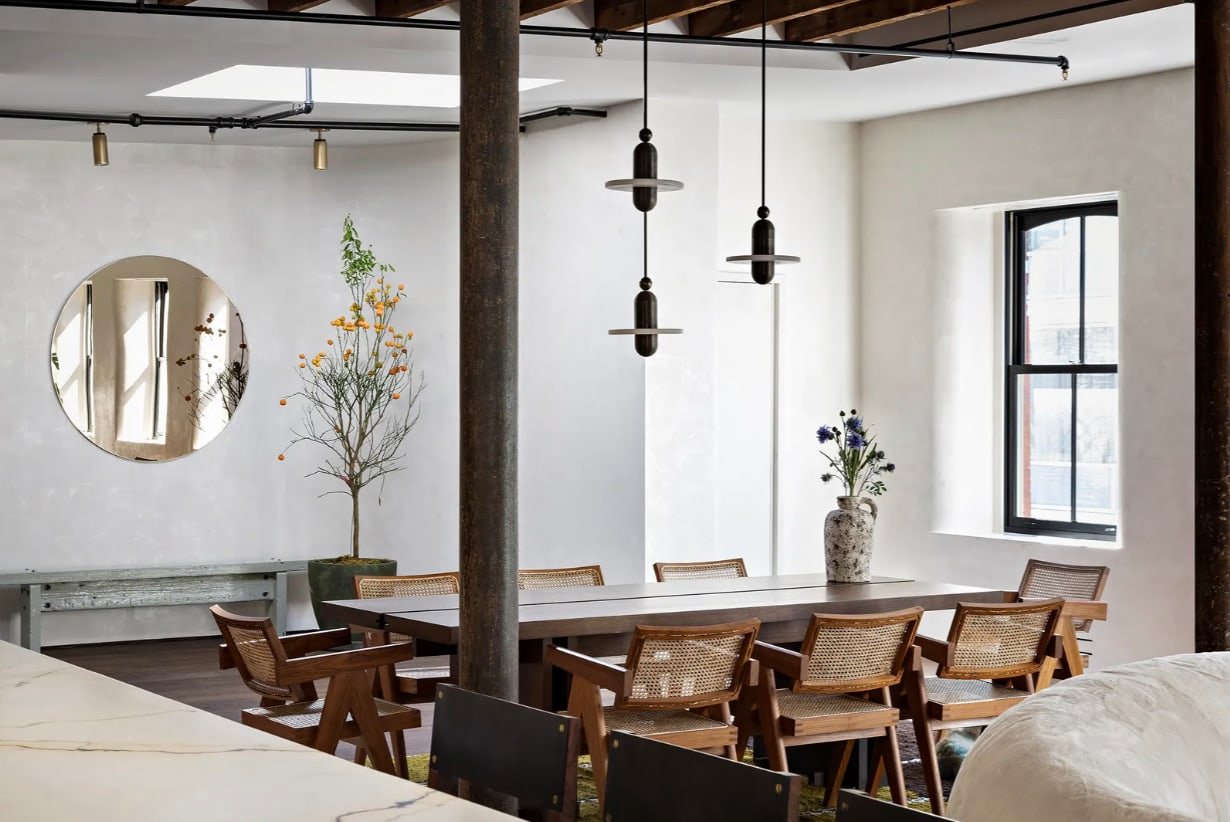
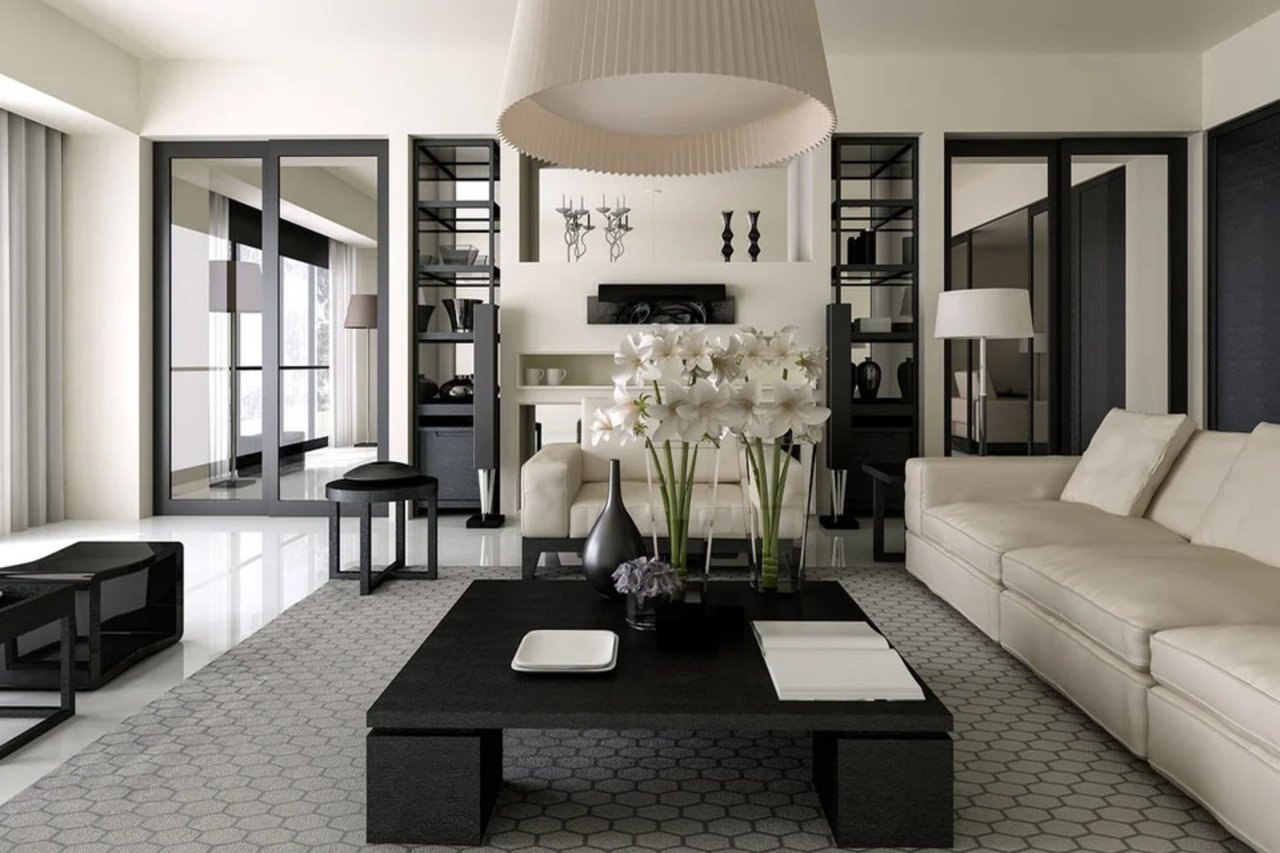
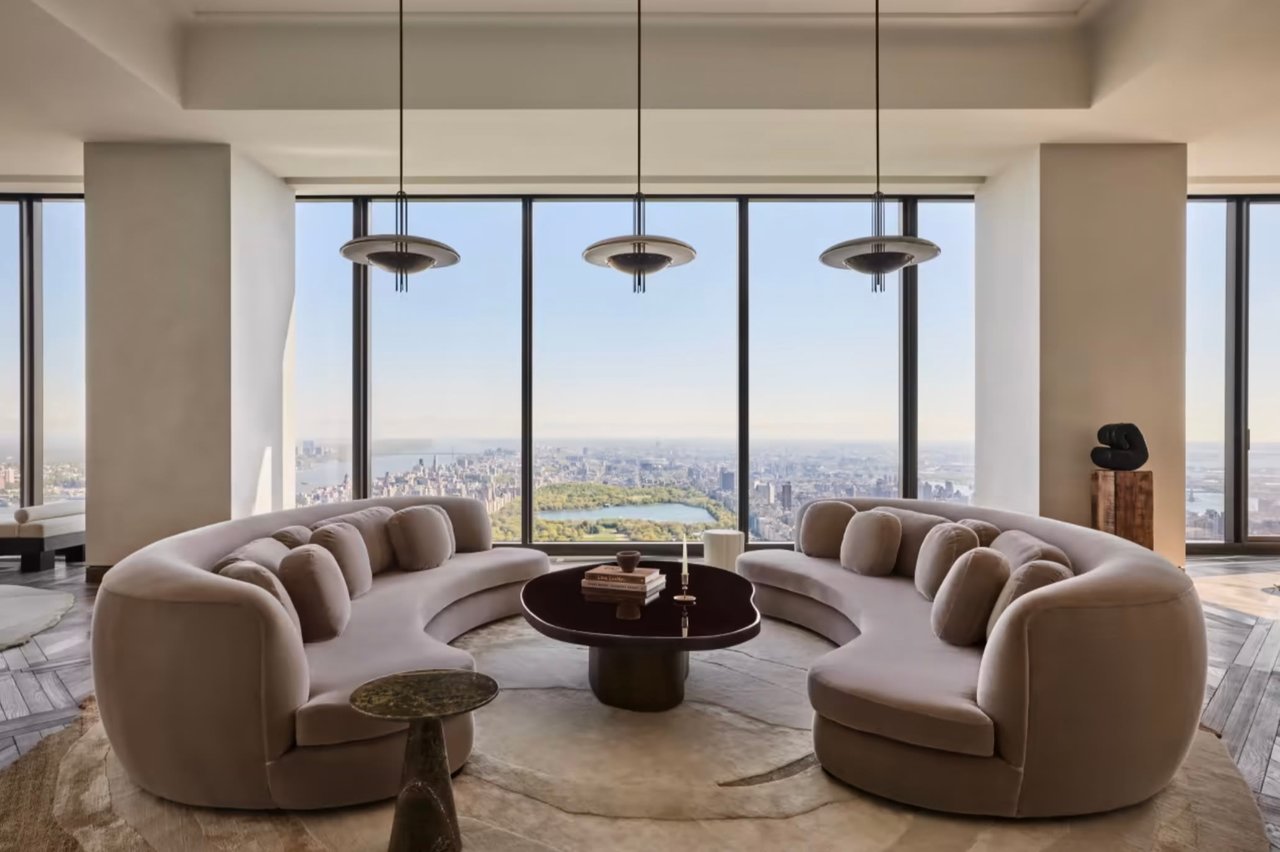
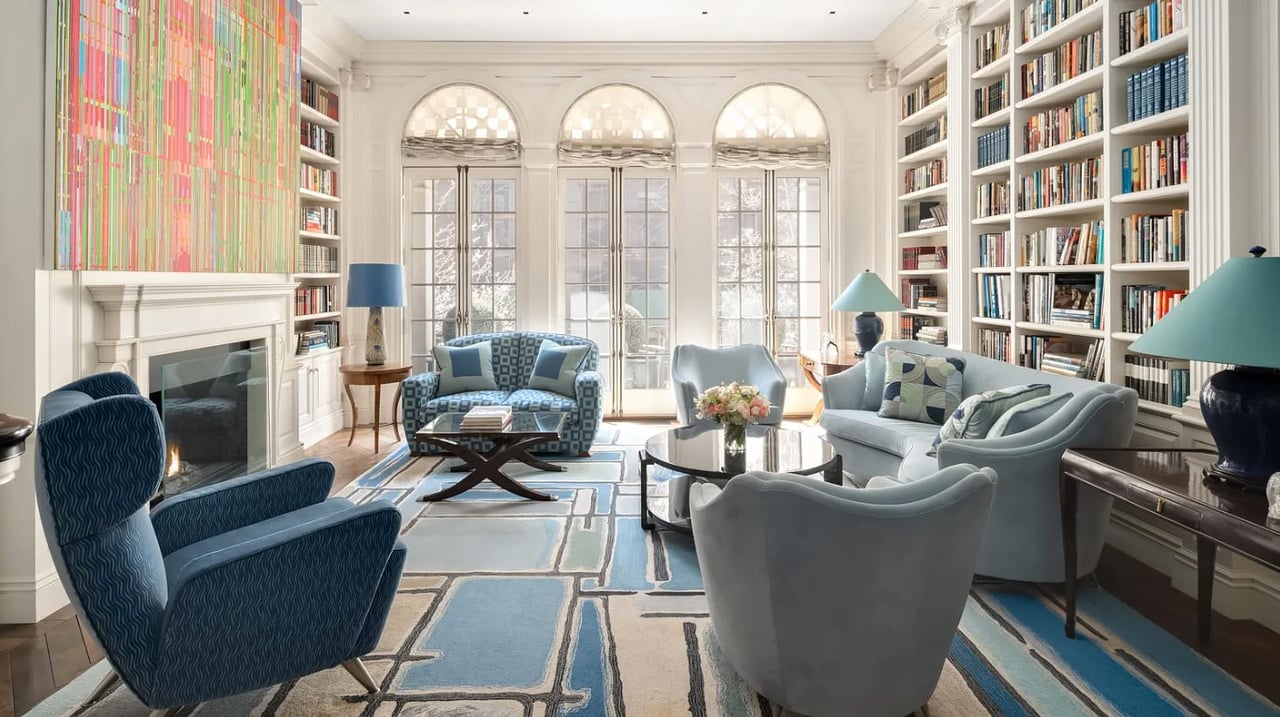
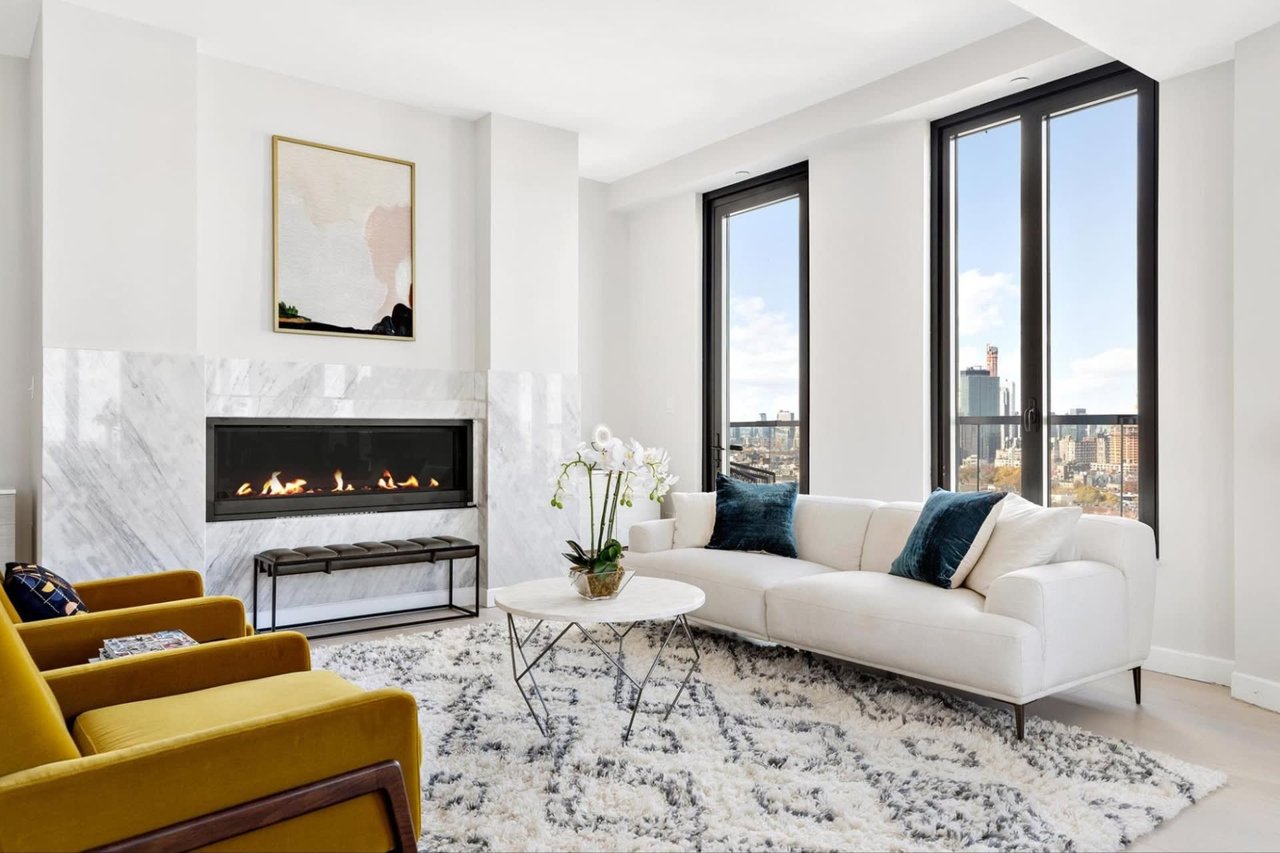
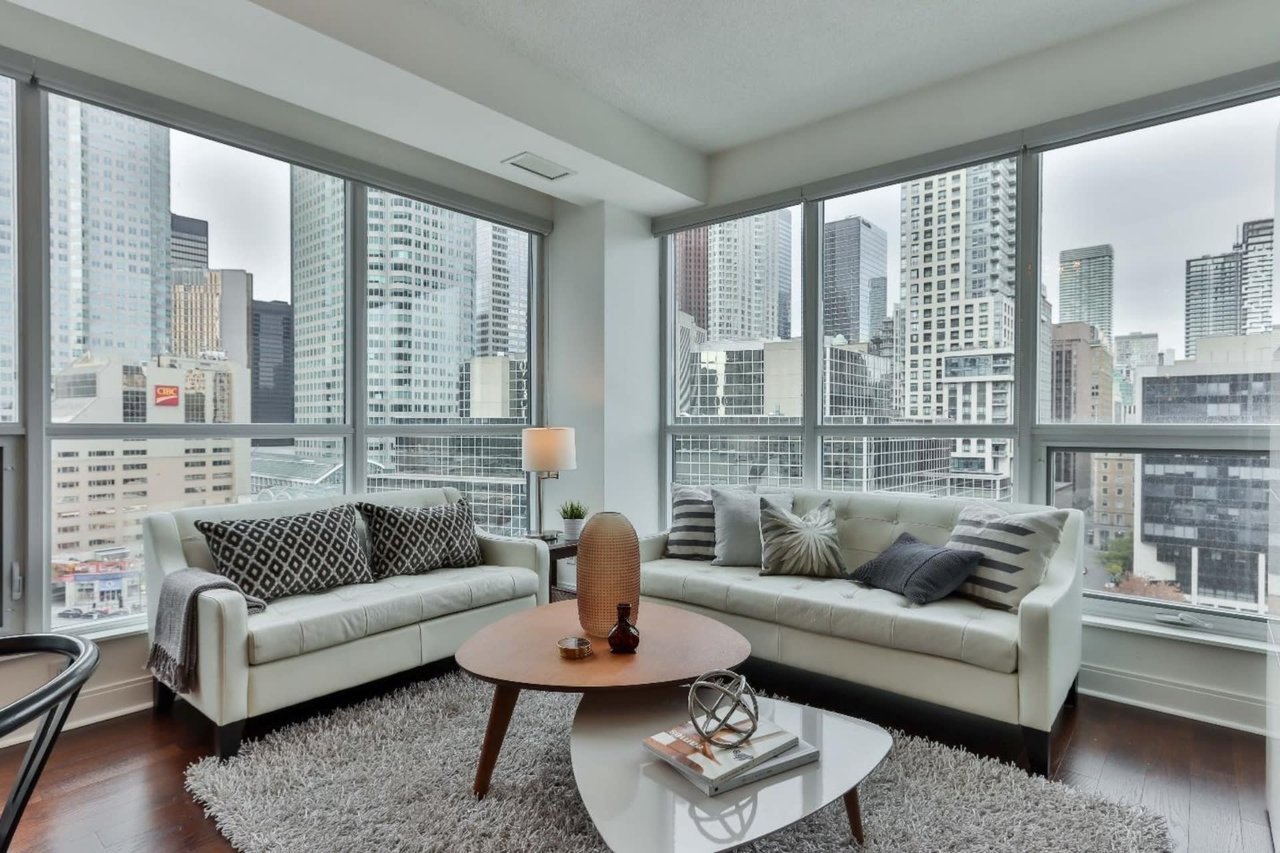
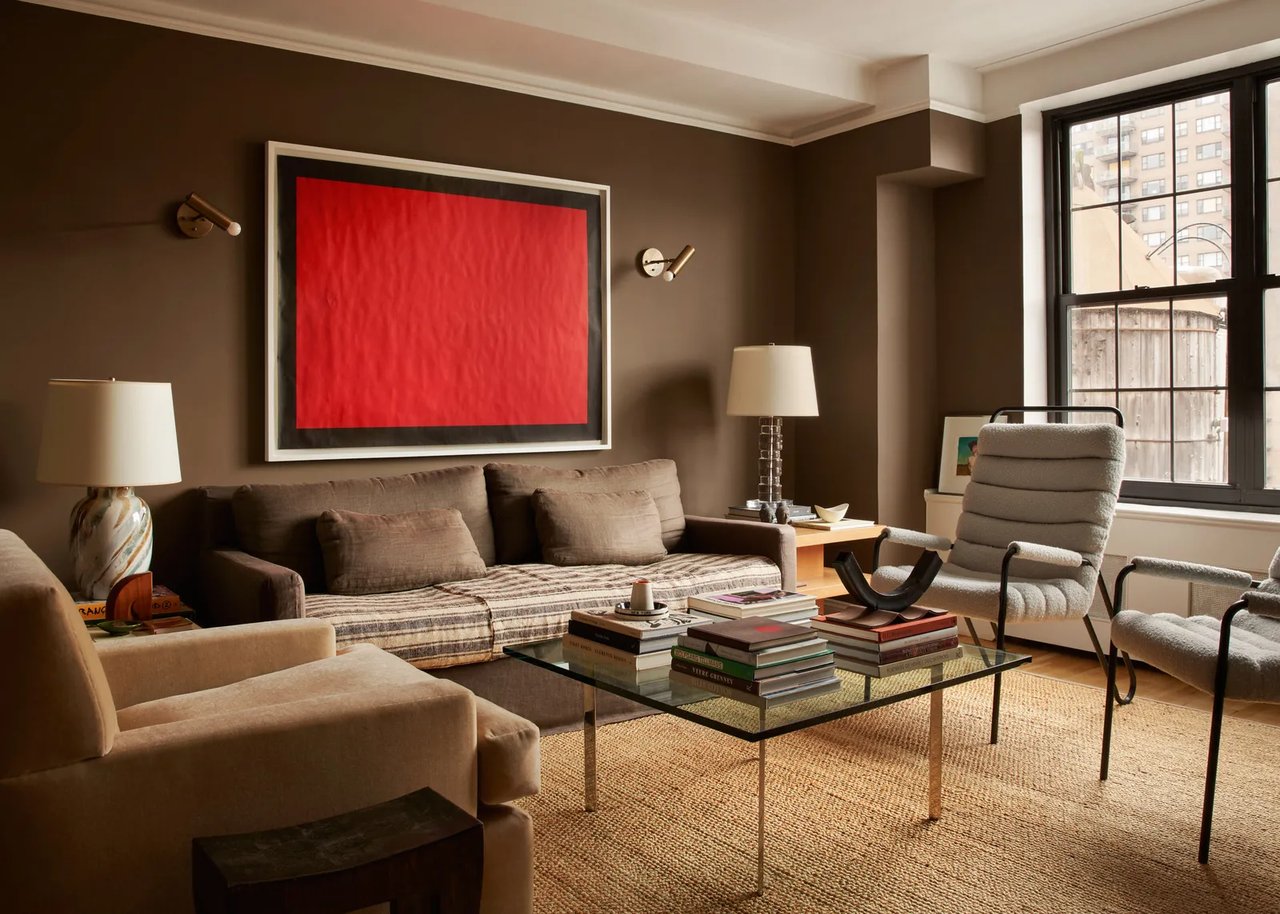
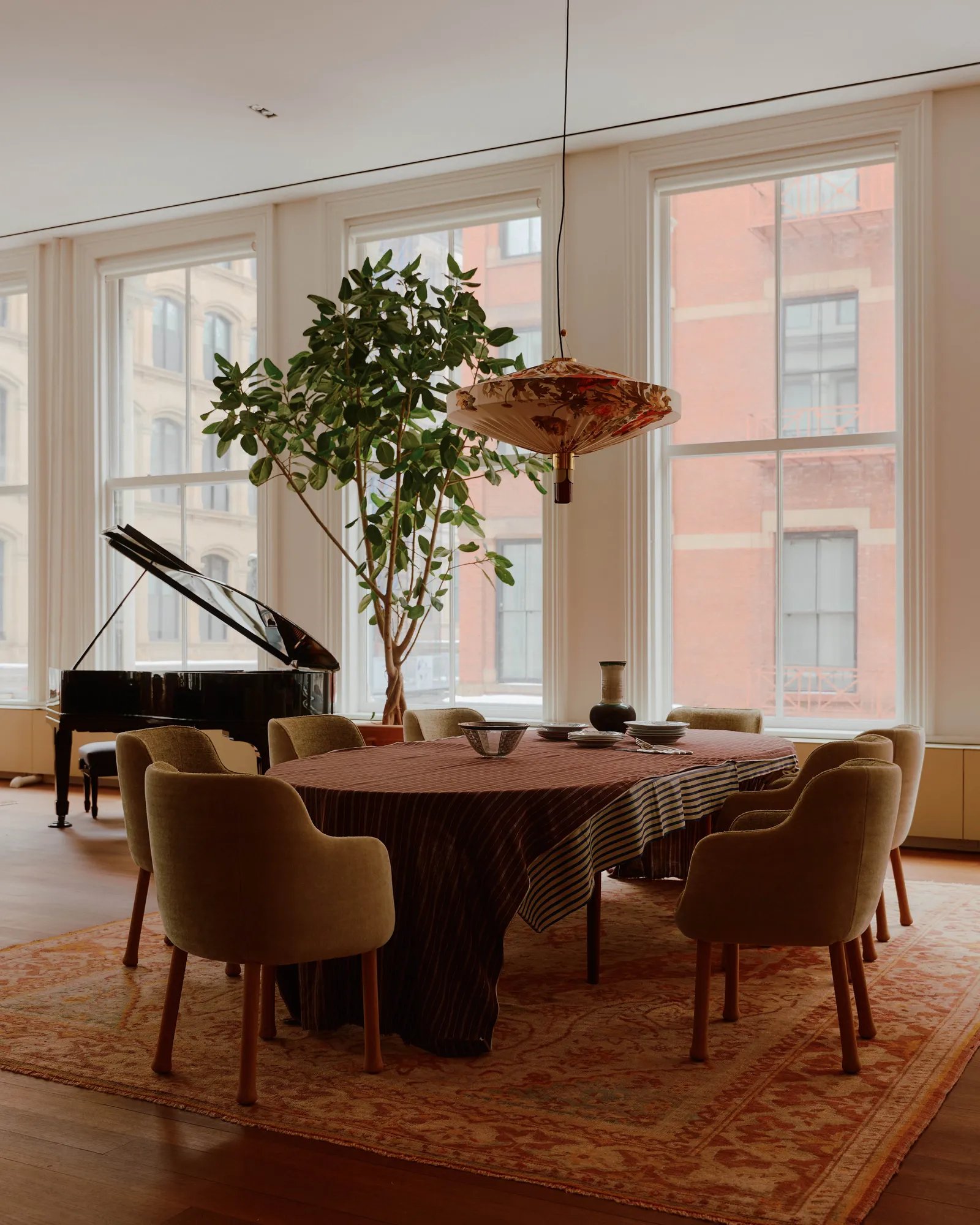
The living area is rich in texture, anchored by a hemp rug and layered with velvet seating, sculptural furniture, and a striking feather ceiling piece that moves with the air. Nearby, the dining space blends elegance and comfort, with a silk pendant, vintage rug, and inviting chairs designed for long, relaxed meals.
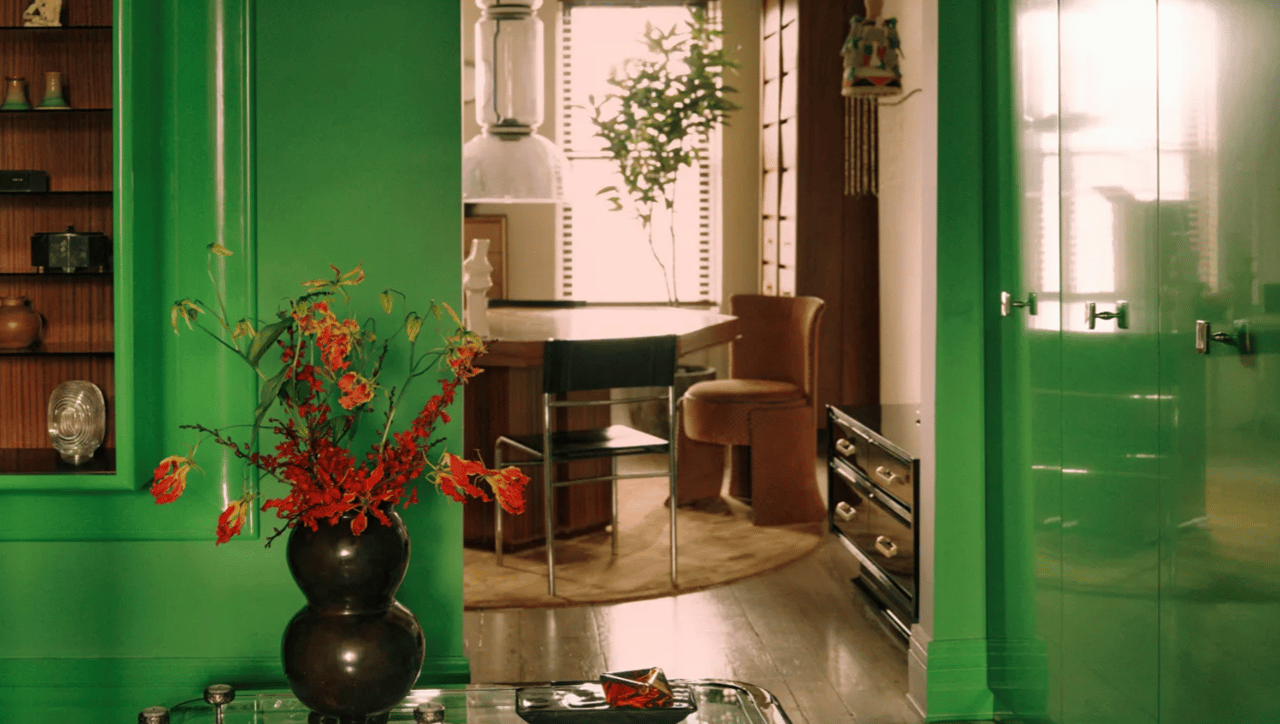
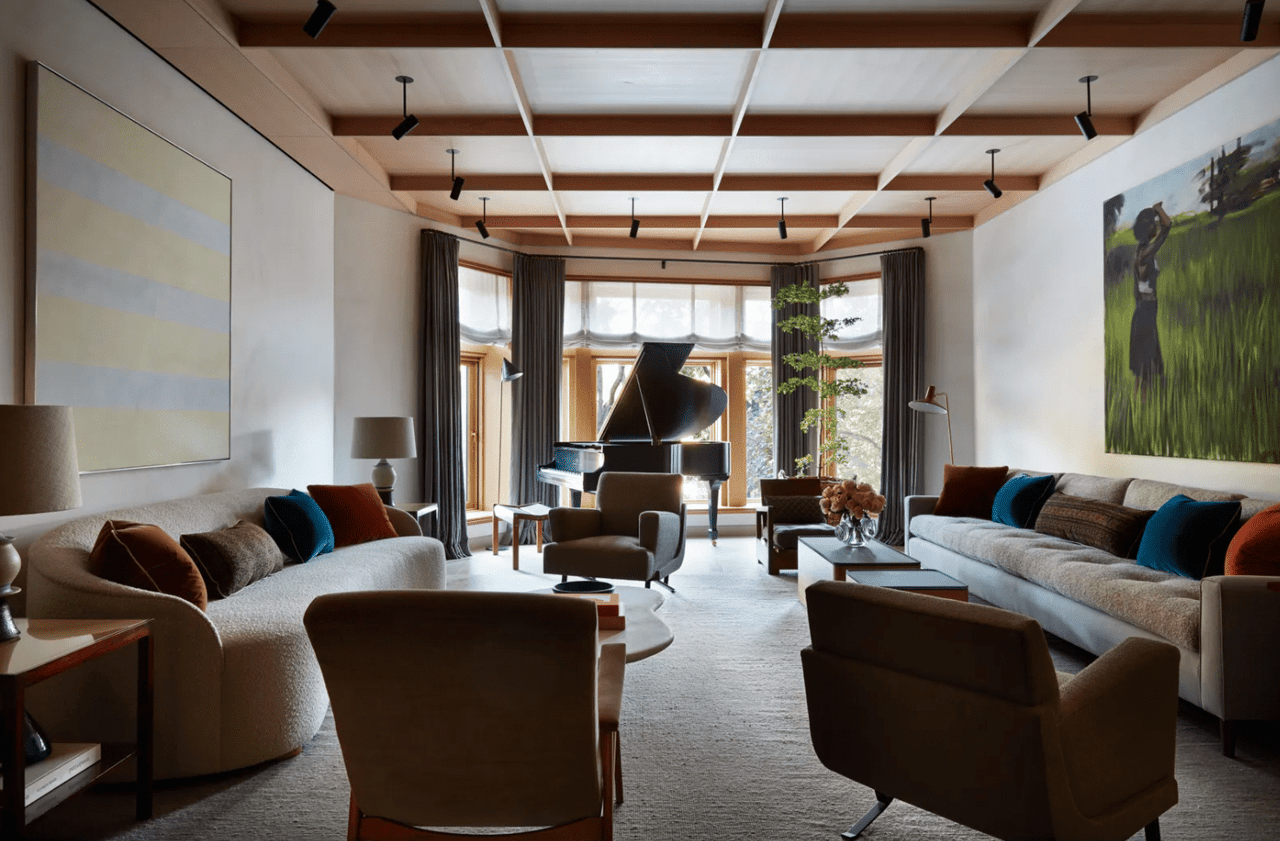
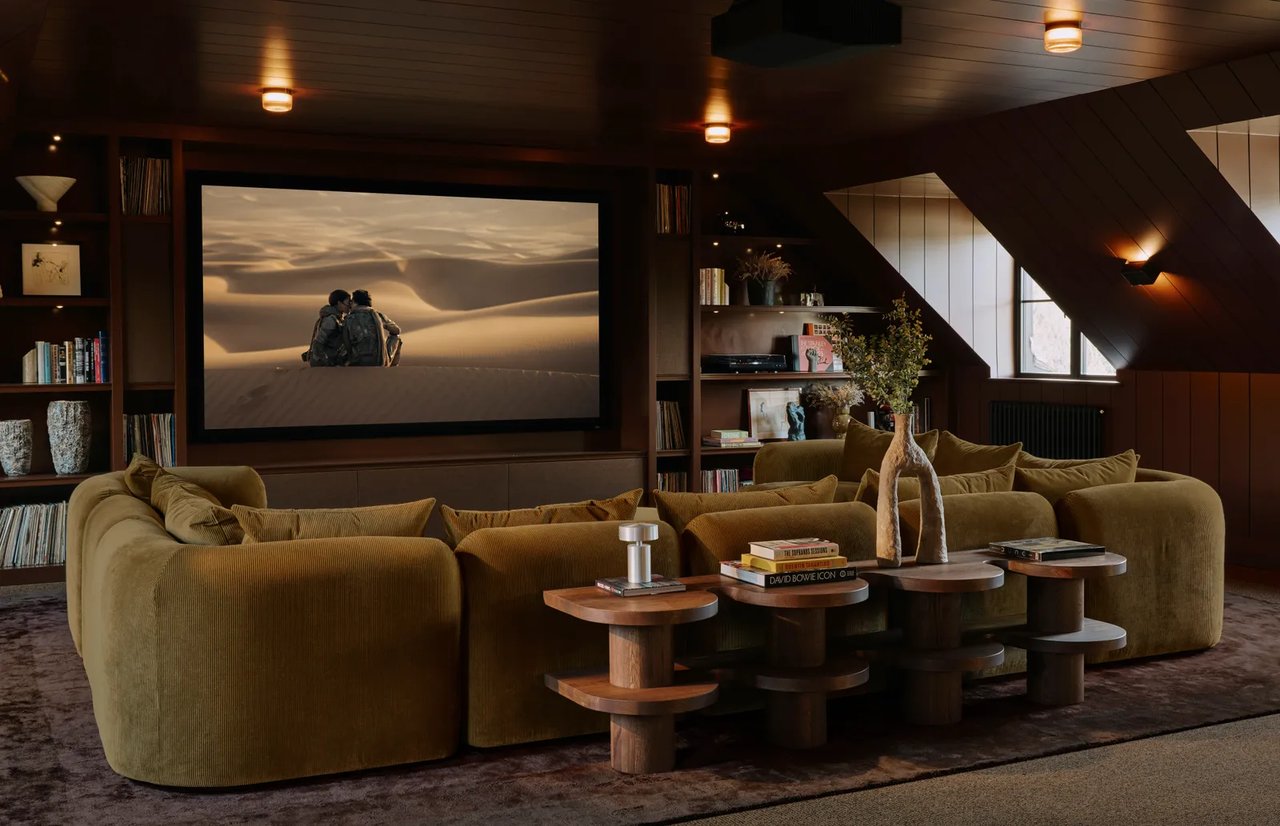
A dedicated music corner adds soul to the home, centered around a 1923 Steinway piano and surrounded by plush seating for listening or unwinding. Meanwhile, a cozy den nook—wrapped in deep green tones and patterned fabric—offers a quieter space for reading or watching TV.
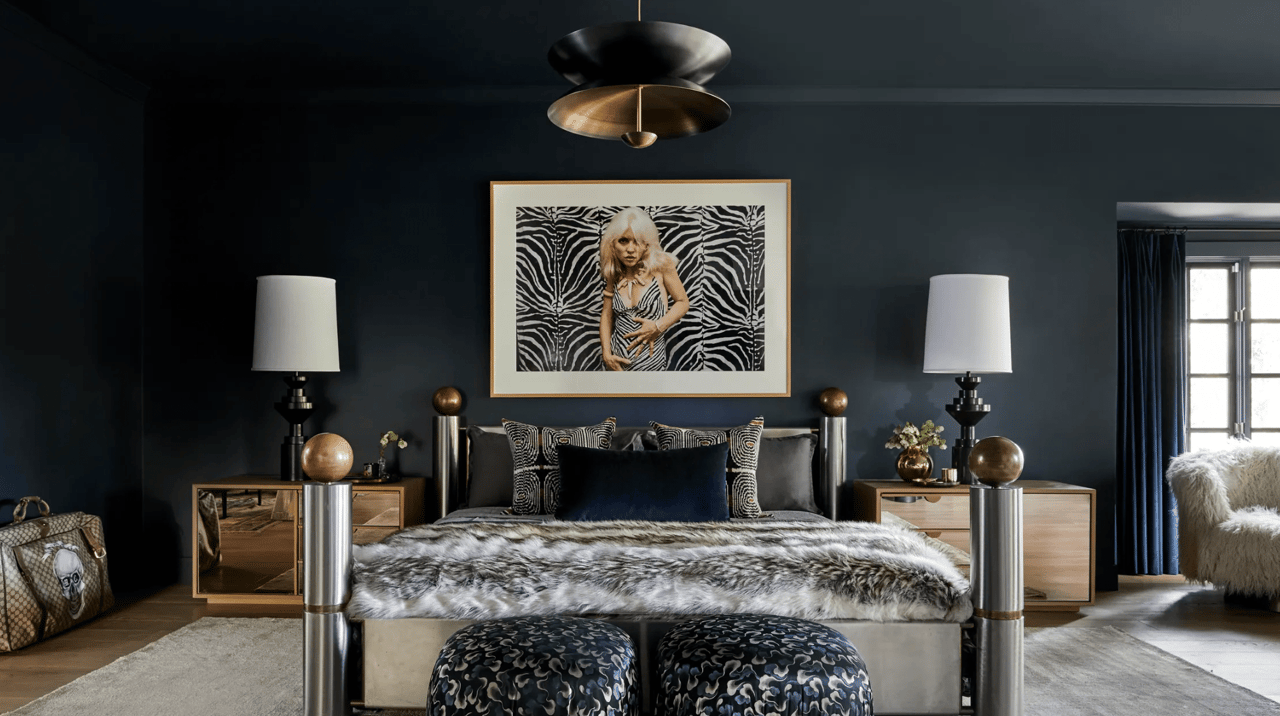
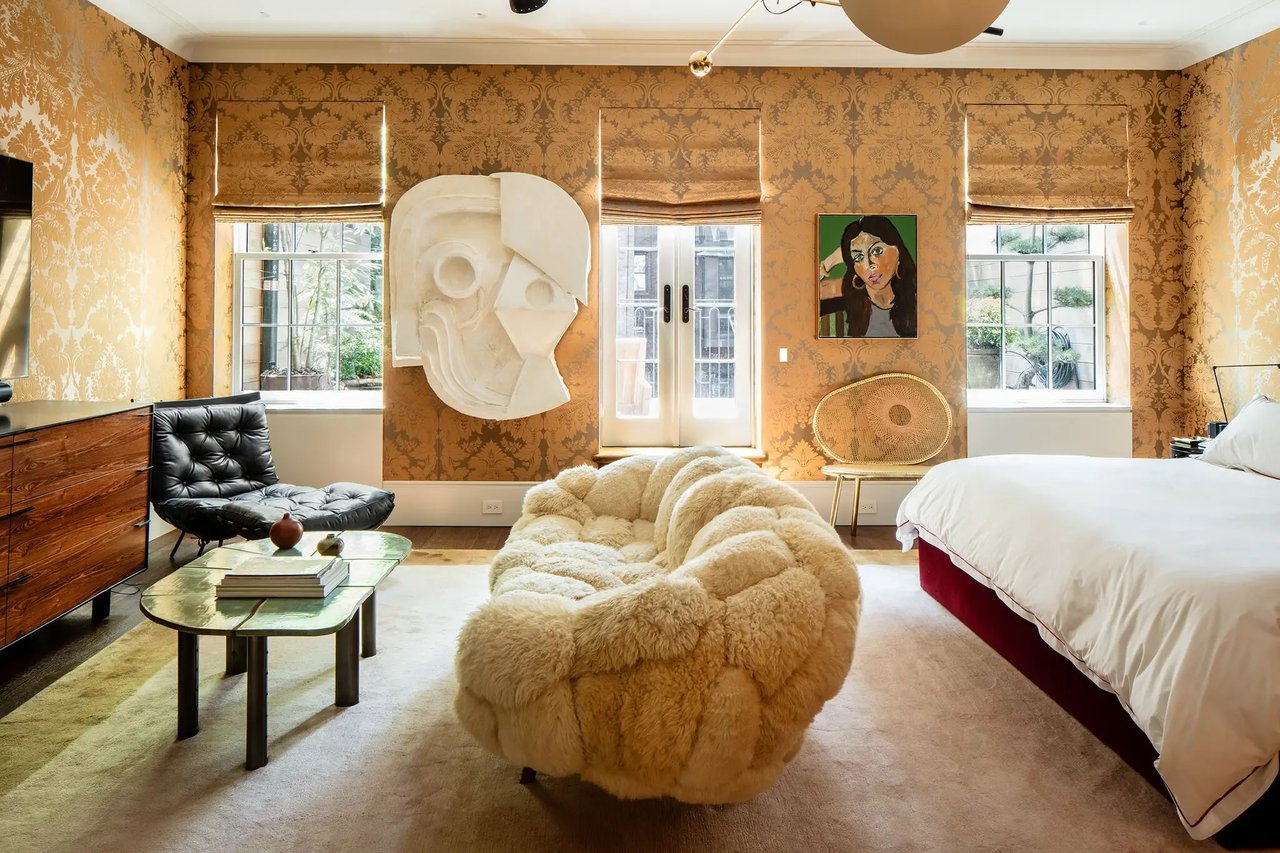
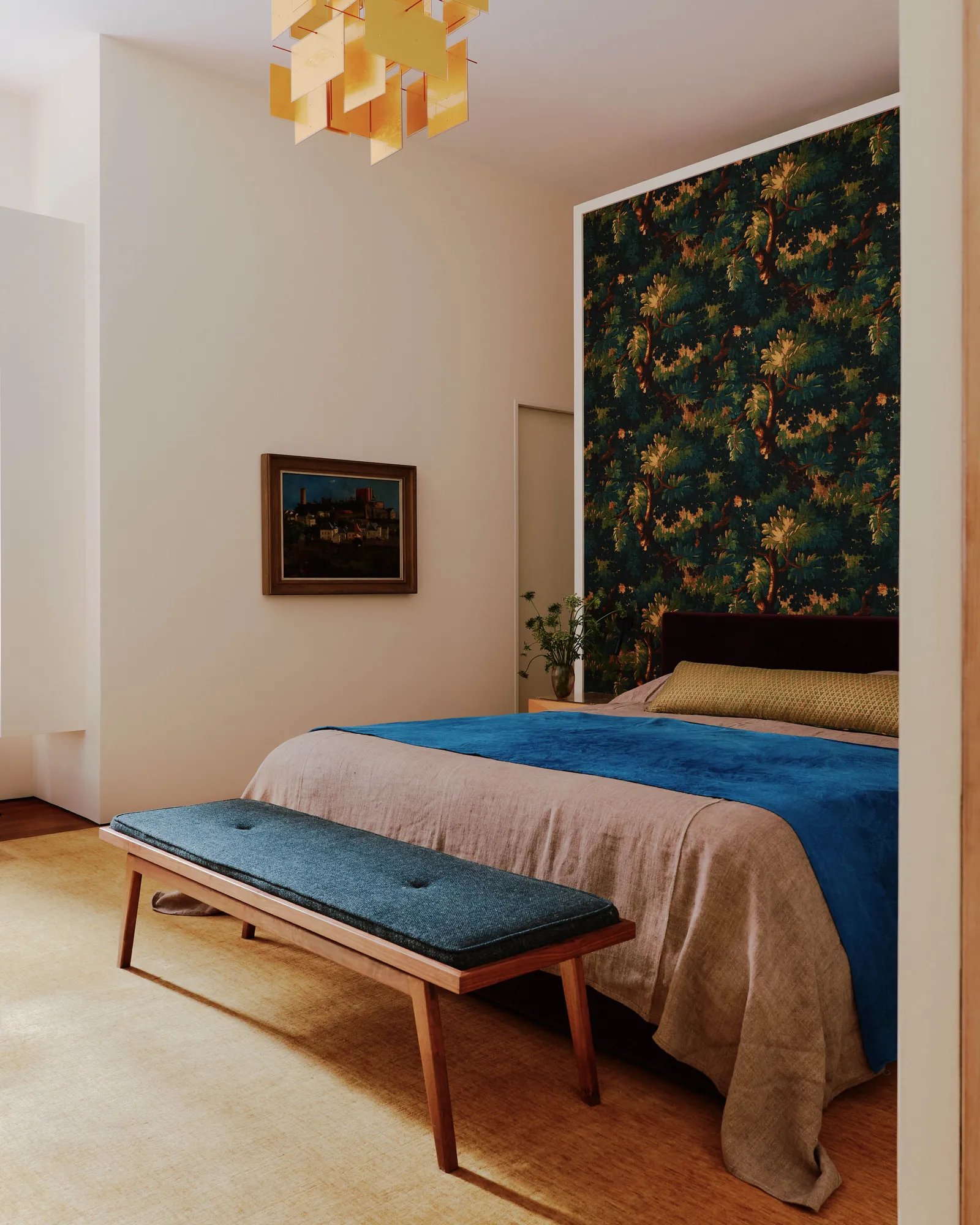
In the primary bedroom, Galli shifts the mood entirely. A newly built wall upholstered in botanical tapestry adds depth and warmth, paired with rich materials and a functional workspace that blends seamlessly into the design.
What was once a vast industrial loft is now a home full of texture, purpose, and life—proof that even the most unlikely spaces can be transformed into something deeply personal and inviting.
(Architectural Digest 2026)