Nearly a century after Gabrielle “Coco” Chanel created La Pausa as her private escape on the French Riviera, the legendary estate has been carefully brought back to life.
Set high above the Mediterranean in Roquebrune-Cap-Martin, between Monaco and Menton, La Pausa was built in 1928 as a place where Chanel could retreat from Paris, entertain friends and surround herself with the artists and creatives who defined the era. Following an extensive restoration led by architect Peter Marino, the property has now returned to a version of the serene, understated retreat Chanel envisioned in the 1930s.
A Retreat Designed by Chanel Herself
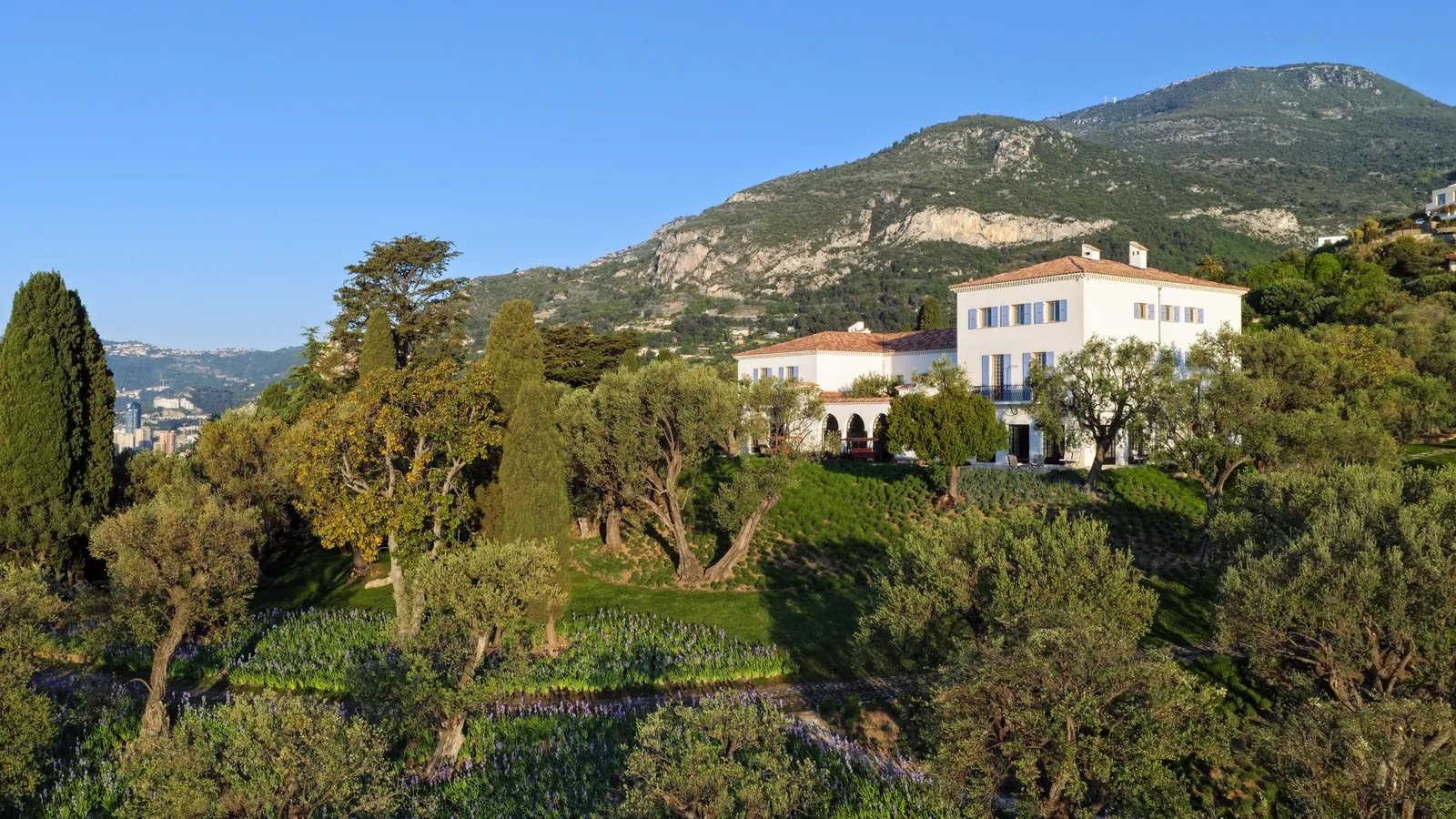
La Pausa occupies nearly 10 acres overlooking the Mediterranean. Chanel purchased the property in 1928, at the height of her growing success in fashion and fragrance, and worked with architect Robert Streitz to create the home.
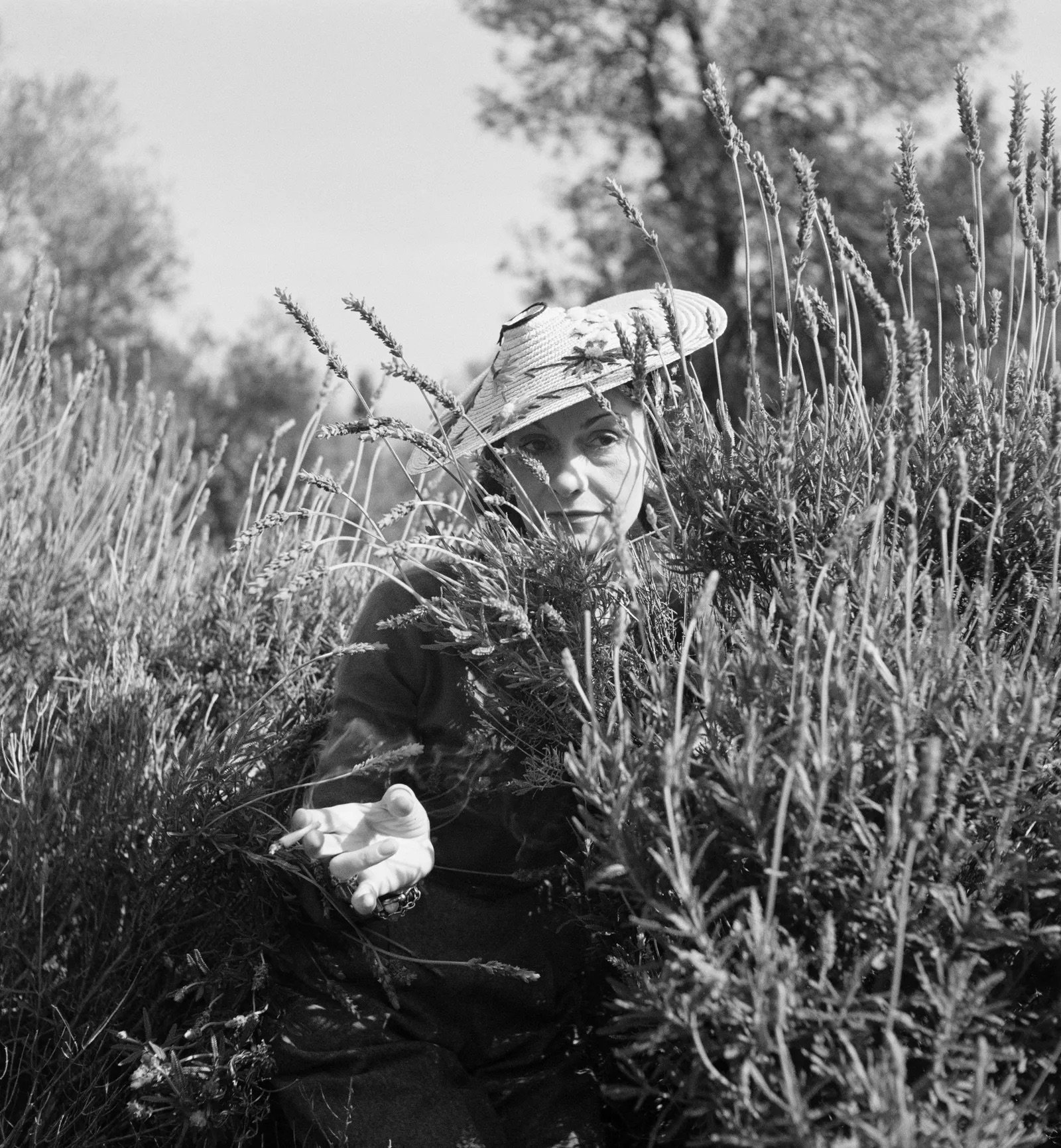
The villa’s restrained architecture drew inspiration in part from Aubazine Abbey, where Chanel spent part of her childhood. Rather than building an elaborate Riviera palace, she favored a quieter aesthetic that reflected the simplicity and discipline that would become central to her design language.
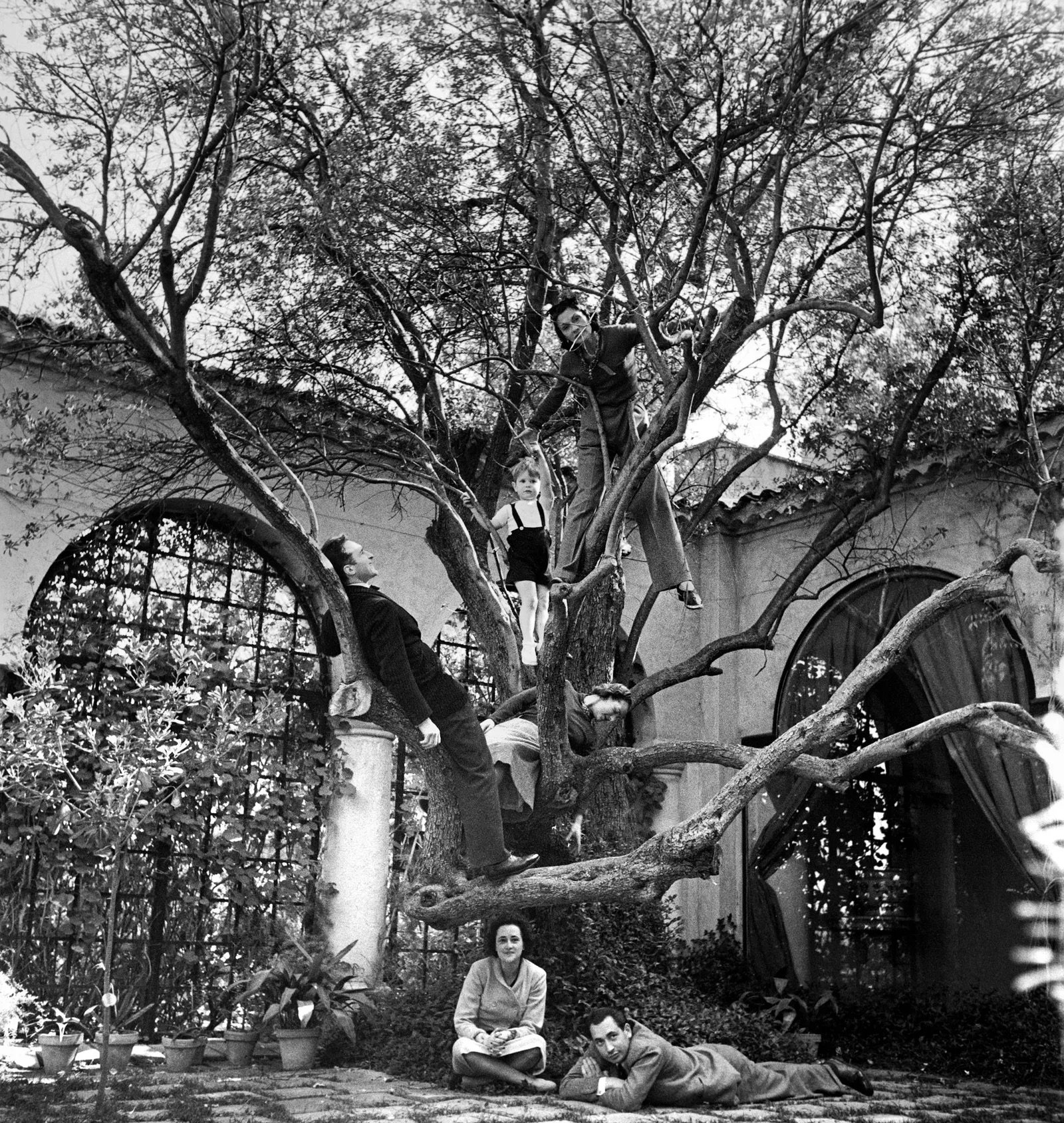
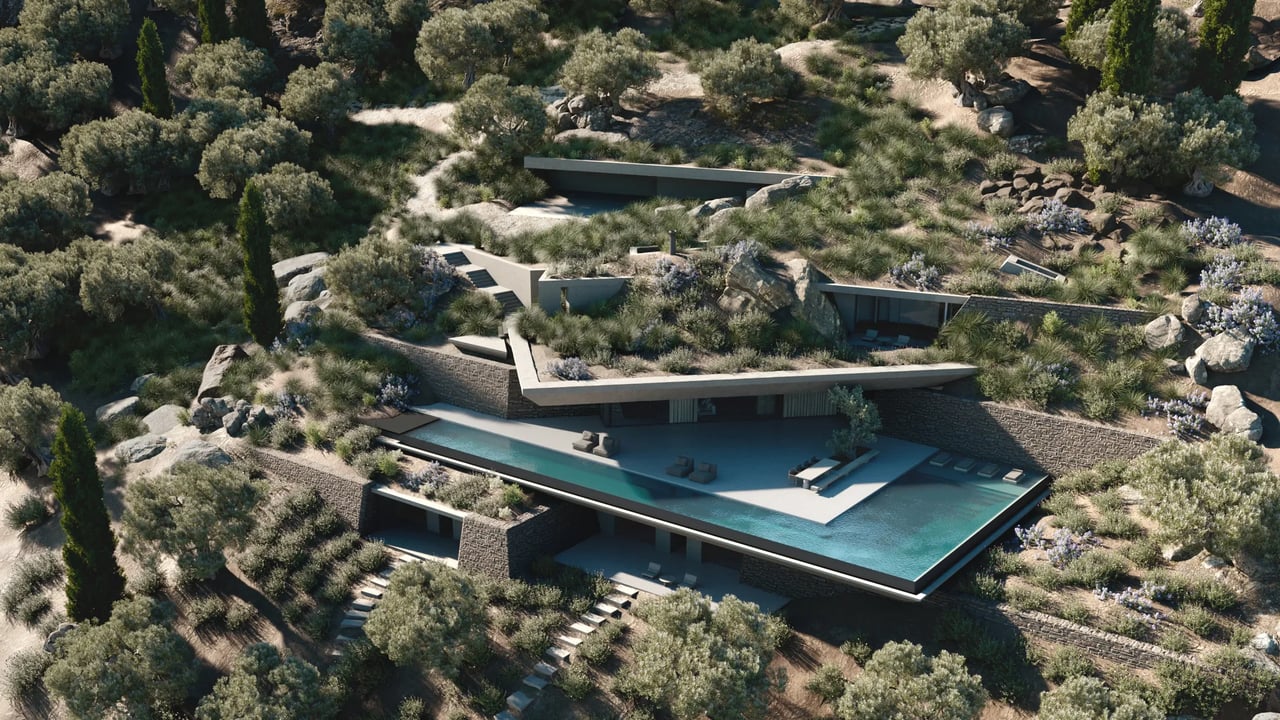
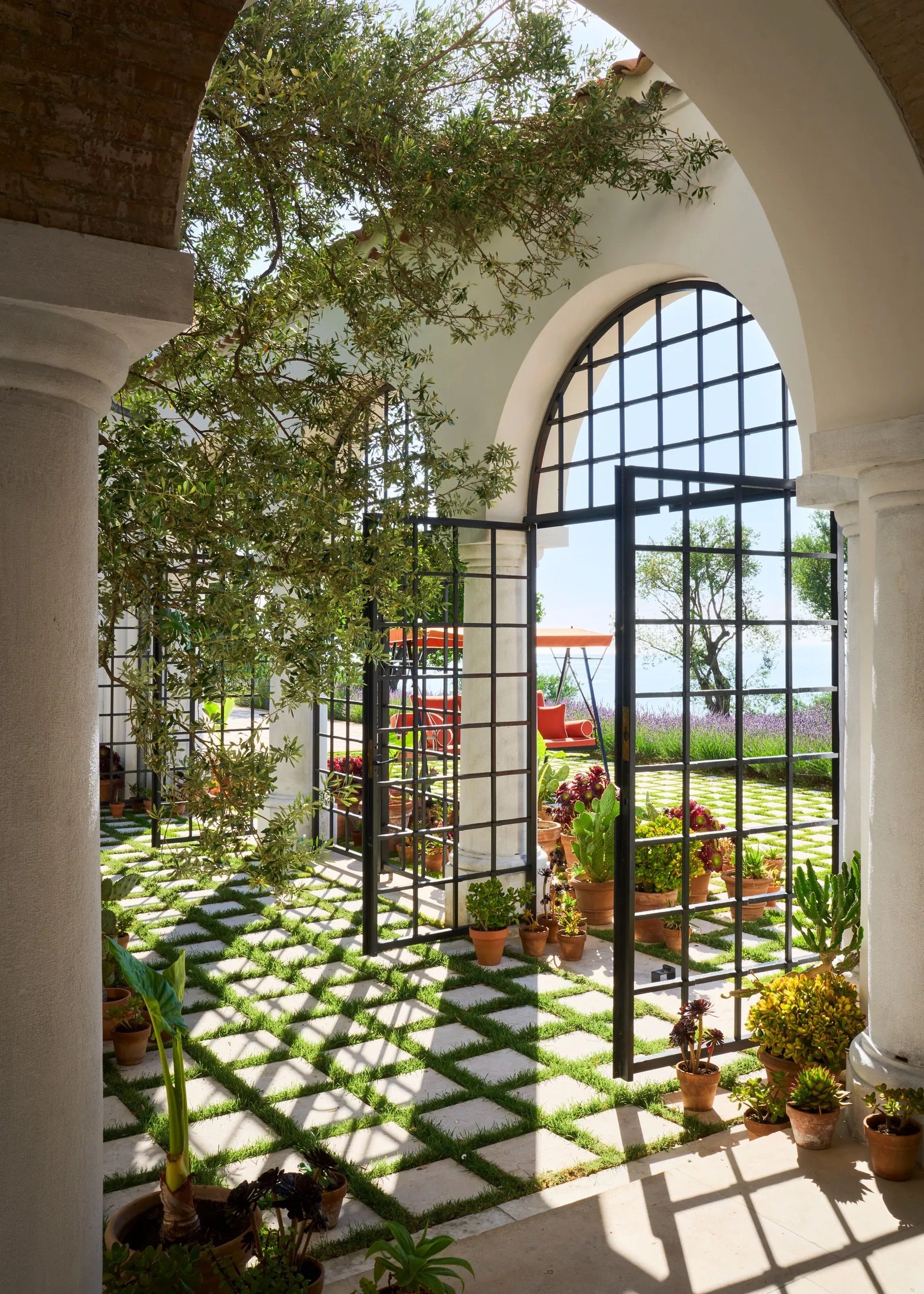
The landscape was equally important. Existing olive trees were treated almost as architectural elements, with the house itself designed around some of them. One ancient tree became the centerpiece of the cloister-like courtyard, while another stood prominently along the approach to the villa.
During Chanel’s years there, La Pausa became both a personal refuge and an informal creative gathering place. Guests included writers, artists and cultural figures, among them Salvador Dalí, who spent several months working at the estate in 1938.
Returning La Pausa to Its 1930s Character
Chanel sold La Pausa to publisher Emery Reves in 1953. More than six decades later, the house of Chanel reacquired the property from the Reves family in 2015 and turned to Peter Marino to oversee its restoration. Marino has worked closely with Chanel for decades, designing boutiques and other spaces for the fashion house around the world.
Rather than reinventing the estate, the goal was to recover the atmosphere it had during Chanel’s lifetime.
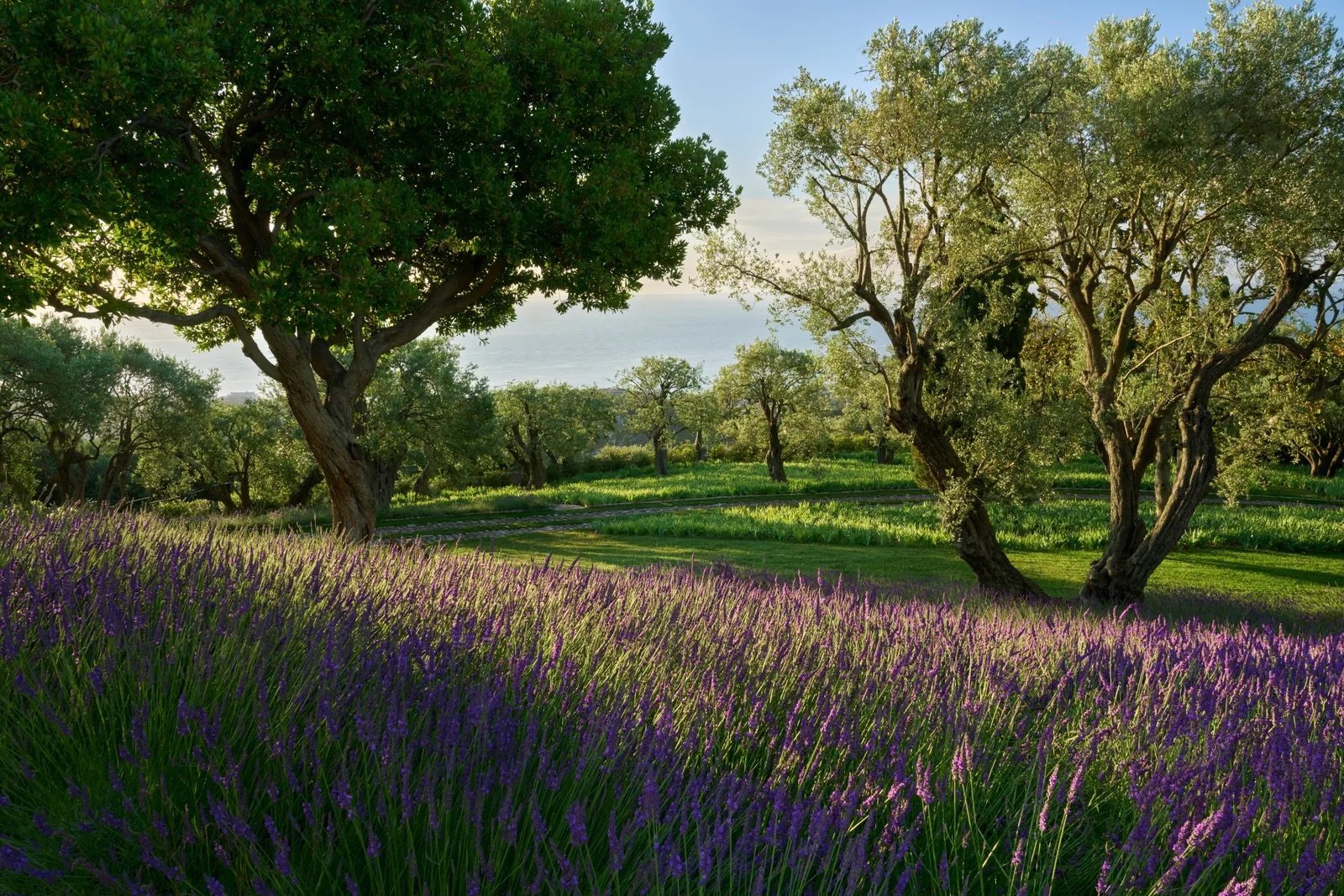
Working with Chanel’s heritage team and studying archival material, Marino used approximately 1935 as a reference point for the landscape — a period when the grounds had matured into the vision Chanel originally intended. Later additions were removed, including some plantings that did not belong to the original Mediterranean landscape, helping reopen views toward Monaco, Menton and the sea.
The result is deliberately understated. The restoration does not attempt to make La Pausa feel newly constructed or overly manicured. Instead, the estate retains the natural quality that originally defined it.
A Garden Inspired by Chanel’s Design Language
Perhaps the most distinctive part of the restoration is the landscape.
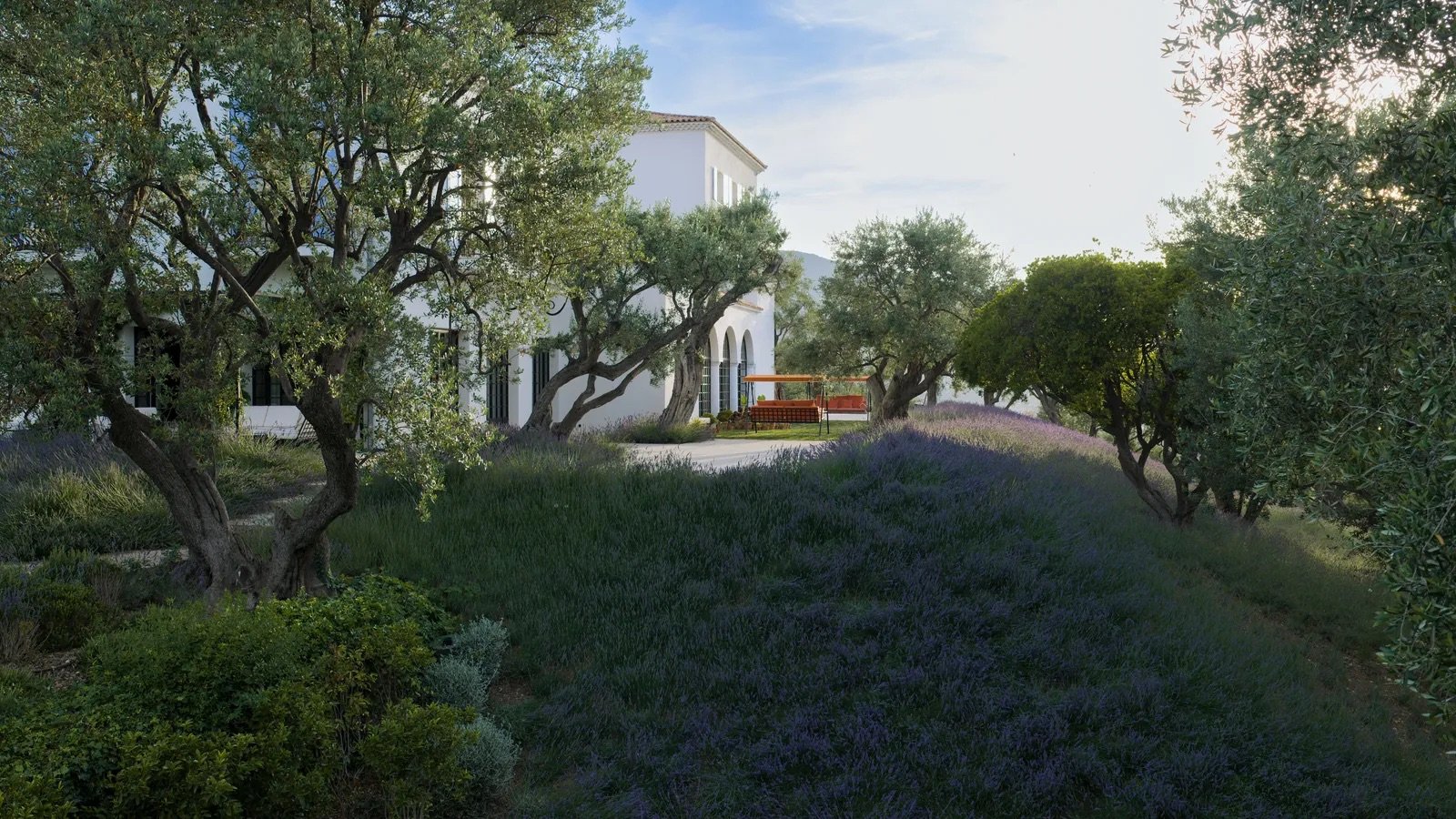
La Pausa contains roughly 250 olive trees, many of them centuries old. Some were carefully repositioned during the restoration, while others remain exactly where they helped shape the property generations ago. The oldest is believed to be around 800 years old. Marino also introduced subtle downward-facing lighting into the trees so that, after dark, their branches appear illuminated by natural moonlight.
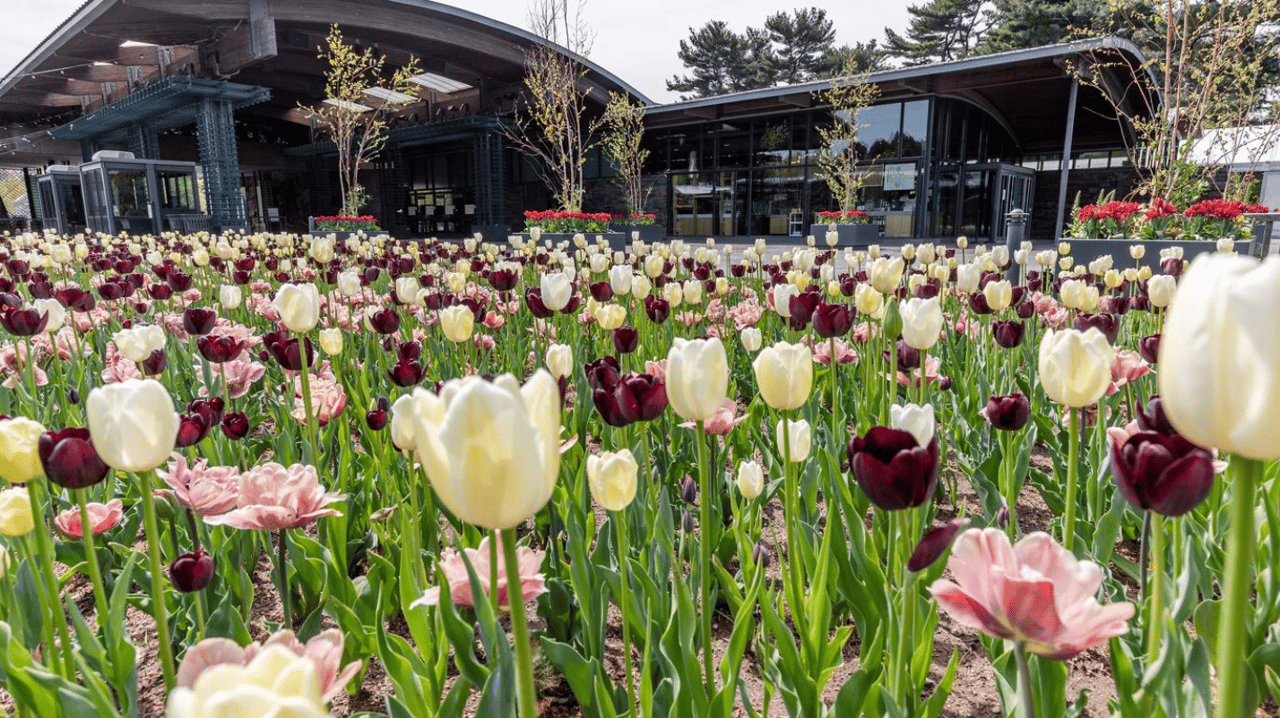
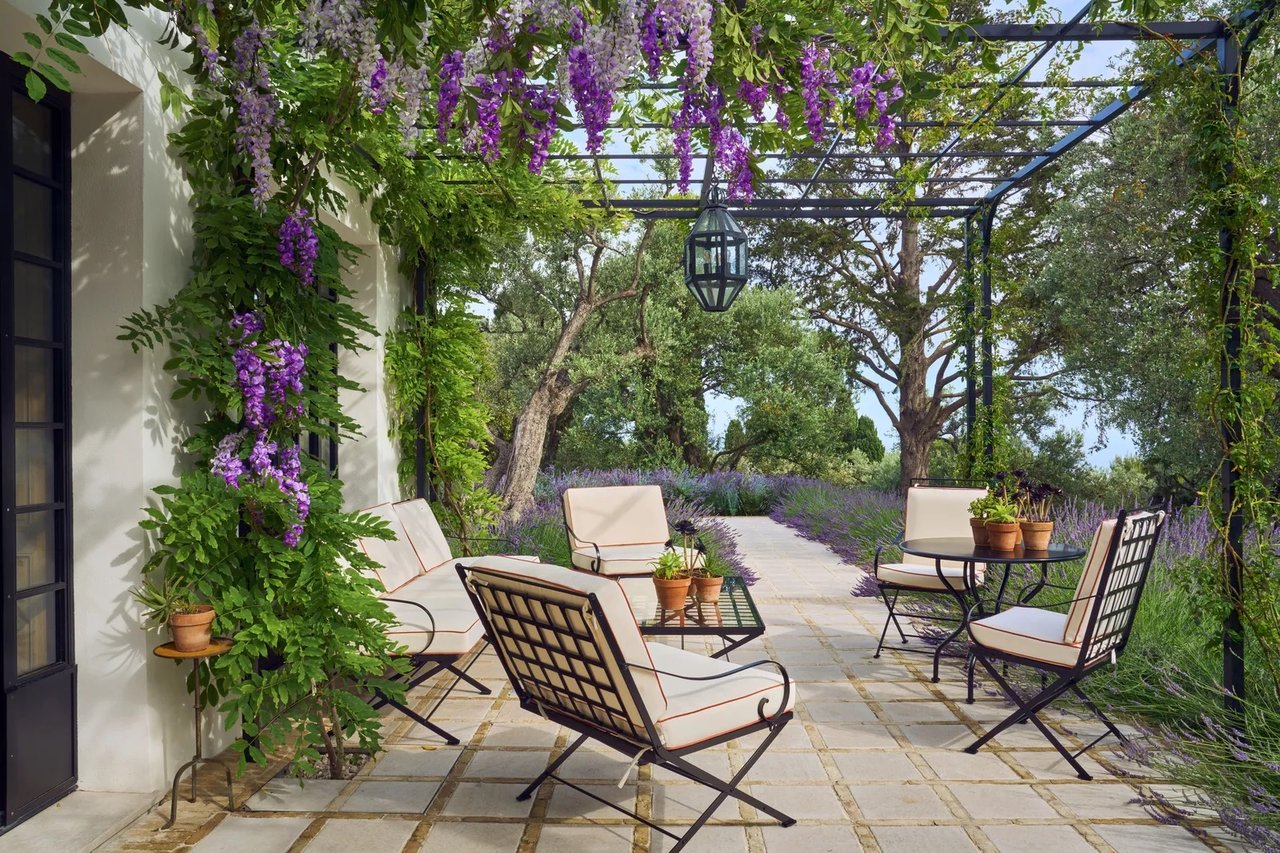
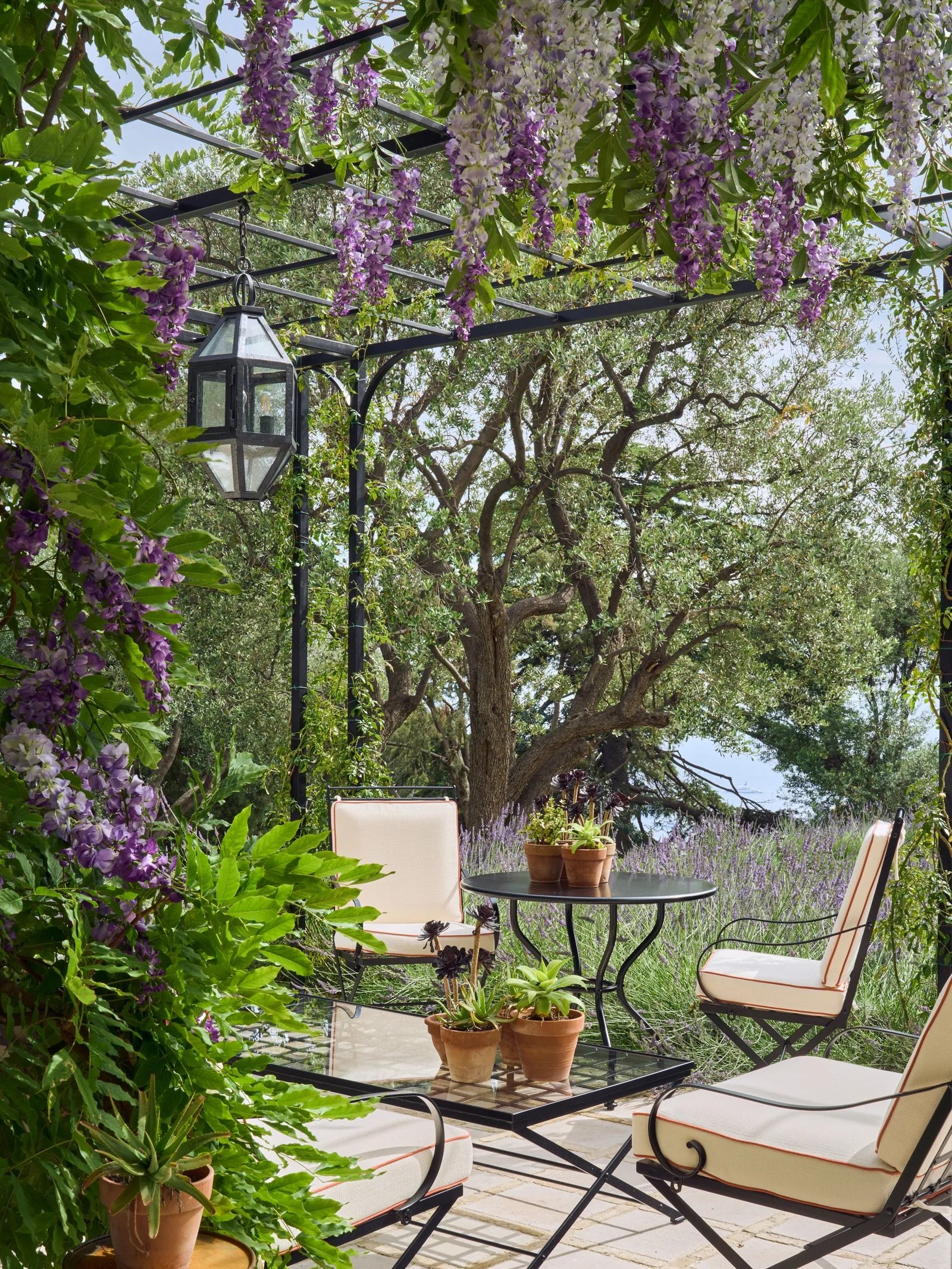
Across the grounds, lavender, iris and jasmine bring fragrance and color to the otherwise restrained Mediterranean setting. The iris and jasmine have another connection to Chanel: both are associated with the house’s fragrance heritage, including Chanel No. 5. Native plants, drought-tolerant species, succulents and agave reinforce the landscape’s South of France identity.
Large areas of lavender and iris were planted in sweeping blocks of color, while sections of grass were intentionally allowed to remain less manicured. Marino has described the resulting texture as reminiscent of the visual depth of Chanel’s famous tweed — translating elements of her fashion sensibility into the landscape itself.
That connection between fashion, architecture and nature is now one of the estate’s defining qualities.
Preserving More Than a Historic Home
Today, La Pausa is not being transformed into a traditional museum or opened as a public attraction. Chanel describes it as a private residence and cultural site, accessible by invitation and intended to continue serving as a place for artistic creation and exchange.
The property has already begun hosting artist residencies, including a program for writers held in fall 2025, with future residencies planned for other creative disciplines. Chanel has also used the restored estate for select fashion and jewelry events, reconnecting the property with the creative world that surrounded its original owner.
In another nod to the past, Chanel creative director Matthieu Blazy selected La Pausa as the setting for a campaign for his first ready-to-wear collection for the house.
A Landmark Reintroduced
The restoration of La Pausa offers an interesting lesson in preserving historically significant properties: sometimes the most effective transformation is not about adding more, but about understanding what made a place exceptional to begin with.
Peter Marino’s work honors the architecture, landscape and quieter details that made the villa distinctly Chanel. The ancient olive trees, fields of lavender, restrained architecture and expansive Mediterranean views once again work together as they did nearly a century ago.
For a home designed as a retreat from the pace and spectacle of everyday life, La Pausa has managed to retain exactly what its name suggests: a sense of pause.
Source: Architectural Digest, “Coco Chanel’s Riviera Gardens Were Restored With Her Iconic Tweed Suits In Mind,” August 6, 2026. Additional historical information from Chanel.